We all need a little help looking our best now and then, and National Beauticians Day celebrates the trained beauty professionals who make that possible. A beautician’s work is part artistry, part technical skill, and part good communication. Whether someone wants a subtle refresh or a dramatic change, these experts help clients feel polished, confident, and comfortable in their own skin.
The term “beautician” is often used as an umbrella for many specialties within cosmetology and personal care. That can include hair cutting and coloring, styling and protective services, skin care and facials, hair removal, manicures and pedicures, makeup application, and more.
Many of these services require formal education and licensing, plus ongoing learning to keep up with new products, tools, and techniques. Trends come and go fast, but a great beauty professional can translate them into something wearable and personal, not just “what’s popular.”
When it’s a special day for someone, it helps to remember just how much planning can sit behind a smooth blowout, an even foundation match, or nails that somehow survive an entire week of real life. Without these pros, plenty of people would be stuck in a perpetual bad hair day, guessing at undertones, or wondering why that “simple” at-home trim turned into an emergency hat situation.
The world of fashion and style is in constant flux, evolving with every season and social media wave, and these navigators of the beauty world help clients steer through it all with steady hands and sharp shears.
How to Celebrate National Beauticians Day
National Beauticians Day is a perfect excuse to show appreciation in a way that actually feels useful to the person being celebrated. A kind note, a thoughtful review, a referral to a friend, or simply arriving on time and being clear about what you want can mean a lot in a service-based job. For those who like gifts, small tokens like a card, flowers, coffee, or a gift certificate are classic for a reason. Some clients also celebrate by tipping a little extra, especially for a service that required additional time, correction work, or special scheduling.
Or try some of these other ideas for celebrating:
Check in with Your Cosmetologist
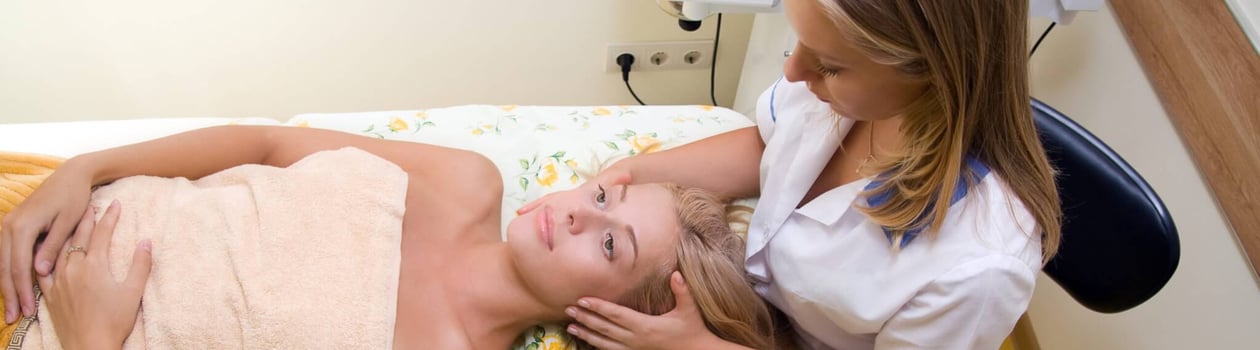
Skin care is often the quiet foundation of a “put together” look. National Beauticians Day is a great time to check in with a cosmetologist or skin care professional to reassess what’s working and what isn’t.
Skin changes with stress, sleep, environment, product overuse, and shifts in routine. A professional can help simplify a cluttered shelf, identify patterns, and recommend a plan that fits real life rather than a fantasy schedule.
A well-rounded basic routine usually includes cleansing, moisturizing, and sun protection, plus targeted steps when needed. Cleansing helps remove buildup like oil, sweat, and product residue. Masks can be used for different goals, such as clay-based masks for oil control, hydrating sheet masks for moisture, or gentle enzyme masks for smoother texture. A pro can explain when a mask is useful and when it is just an expensive way to feel productive.
Exfoliation is another area where professional guidance matters. It helps remove dead skin cells to brighten the surface and smooth rough patches, but overdoing it can cause irritation, dryness, and sensitivity. A cosmetologist can suggest an approach that matches a person’s skin type and tolerance, whether that means a gentle scrub used sparingly, a chemical exfoliant with a careful schedule, or an in-office treatment with proper aftercare.
Toning and serums often confuse people because they sound optional and the marketing can be loud. A good professional breaks it down: toners may help rebalance or add hydration depending on the formula, and serums can target concerns like dullness, uneven tone, or dryness.
Most importantly, they can help clients choose products that play nicely together. Even a great product can fail when it is layered in the wrong order or paired with something that cancels it out.
If someone wants to make the celebration extra meaningful, they can ask their provider what they wish more clients understood. The answer is often surprisingly practical, like wearing sunscreen consistently, avoiding harsh DIY “peels,” cleaning makeup brushes, or giving a routine enough time to work before switching everything again.
Book a Hair Appointment
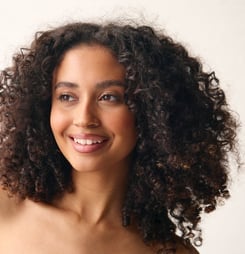
Perfect skin is lovely, but hair is often the first thing people notice. Hair care is also deceptively complicated because it depends on texture, density, porosity, scalp health, and styling habits. National Beauticians Day is an excellent reason to book an appointment, not just for the service itself, but for the consultation that comes with it.
A good stylist assesses a client’s hair honestly: is it dry or over-processed, weighed down by heavy products, or fragile from heat styling? They can recommend a haircut that works with natural movement and growth patterns, not against them. They also consider lifestyle. A stunning style that takes an hour to recreate each morning might not be the right “fit,” even if it looks great on a reference photo.
Color services are one of the most popular ways to change a look, and they require real expertise. Color is not simply “lighter” or “darker.” It involves tone, undertones, and how light reflects off the hair. A skilled colorist can help match shades to a person’s features, maintenance level, and comfort with change. They can also explain what is realistic in one session and what needs to be done gradually to protect the hair’s integrity.
Cuts and styles come with their own science. Face shape matters, but so do things like cowlicks, hairline patterns, and how hair behaves when it dries naturally. The right layers can add movement, the right bangs can frame the face, and the right length can make daily styling easier. National Beauticians Day is a great opportunity to ask for suggestions and to be open about what has and hasn’t worked in the past.
For a celebratory twist, clients can ask their stylist to teach a technique during the appointment, such as how to use a round brush, how to diffuse curls, or how to clip hair for volume. A few minutes of coaching from a pro can save months of frustration at home.
Choose a Mani-Pedi
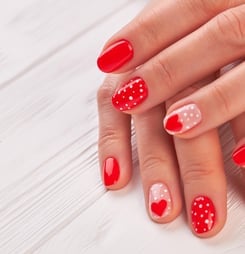
Another great way to celebrate is to gather friends, family, or coworkers and head to a nail salon or spa for a relaxing mani-pedi. Nail care is one of those services that feels like a treat, but it also has practical benefits: trimmed cuticles, smoothed calluses, shaped nails, and clean edges can make hands and feet feel comfortable and look neat.
Men and women alike can enjoy the reset. Many people skip it because they assume it’s only about color, but a manicure and pedicure can be as low-key as a tidy shape and a clear coat. For those who are color-curious, a neutral shade is often an easy entry point. For anyone feeling bold, nail art can be a playful way to show personality without changing anything permanent.
A thoughtful way to celebrate National Beauticians Day through nail services is to focus on nail health, not just aesthetics. A nail technician can help clients understand the difference between gel, acrylic, dip, and regular polish, including how each option affects removal, durability, and maintenance.
Removal is especially important. Peeling or picking off product can damage the natural nail plate, so learning the right way to take it off can be a small but valuable skill.
Clients can also be good guests in a nail salon by respecting appointment times, communicating about sensitivities, and following aftercare advice. Something as simple as using cuticle oil regularly can stretch the life of a manicure and keep nails flexible instead of brittle.
Try Electrology
National Beauticians Day can also be an opportunity to explore longer-term options for managing unwanted hair. Electrology, also called electrolysis, is a method of hair removal that targets individual follicles using a tiny probe and an electrical current. It is often sought out by people who want a permanent reduction in hair growth in certain areas, or who have hair types and skin tones that do not respond as predictably to other methods.
Because it works hair by hair, electrolysis is typically a series of appointments rather than a single quick fix. A professional electrologist can explain what the process feels like, what kind of schedule is realistic, and what aftercare helps reduce irritation. Like many beauty services, results are best when clients follow the plan, keep the area clean, and avoid picking at the skin afterward.
It’s also a chance to have an honest conversation about expectations. People often imagine they’ll never think about hair removal again, but the reality is more nuanced. Hair grows in cycles, and multiple sessions are usually needed to catch follicles at the right stage. A reputable provider will explain this clearly, along with what factors can influence the timeline, such as the area being treated, hair density, and individual growth patterns.
For those who prefer less permanent changes, the broader hair removal category includes waxing, threading, and sugaring, all of which require technique and hygiene standards.
Celebrating a beautician might simply mean booking a brow shaping with someone who truly understands facial balance and symmetry. A well-shaped brow can subtly change the entire look of the face, which feels like magic but is actually careful measurement and experience.
National Beauticians Day Timeline
Cosmetics in Ancient Egypt
Egyptians use kohl around the eyes and scented oils and unguents on skin and hair, creating some of the earliest documented professional-style beauty practices.
Roman Hairdressers and Cosmetic Attendants
In imperial Rome, elite women employed specialized hairdressers and cosmetic attendants, early forerunners of today’s salon beauticians.
Rise of the Commercial Beauty Industry
Industrialization and urbanization help transform home remedies into a growing cosmetics trade, with branded products and beauty services becoming more widely available.
First Permanent-Wave Machine Patented
German hairdresser Charles Nessler patents one of the first permanent-wave machines, launching modern chemical hair treatments used by professional stylists.
Madam C. J. Walker Founds Beauty Colleges
Entrepreneur Madam C. J. Walker establishes beauty culture schools for Black women, helping professionalize hair and scalp care and train a new generation of beauticians.
State Licensing of Cosmetologists Expands in the U.S.
American states began passing laws that required training and licenses for barbers and cosmetologists, turning beauty work into a regulated occupation.
Vidal Sassoon Modernizes Hairdressing Education
Hairdresser Vidal Sassoon popularized geometric “wash-and-wear” cuts and opened academies that standardize advanced training for stylists worldwide.
Why Celebrate National Beauticians Day
National Beauticians Day highlights a profession that blends creativity with real technical training. Beauty services can look effortless when they’re done well, which sometimes makes people forget how much skill sits behind the final result. A precise haircut requires controlled angles and tension.
A smooth makeup base depends on skin prep, lighting awareness, and shade matching. A clean manicure depends on sanitation, shaping technique, and product knowledge. These are learned abilities, improved through practice, and often refined through continuing education.
Cosmetics are a classic part of the beautician’s toolkit, with knowledge of how colors, skin tones, and hair color work together to create a cohesive look. Shade matching alone can be tricky. Undertones vary, and two products that look identical in a bottle can wear completely differently on the skin.
A professional makeup artist or cosmetologist can help clients choose formulas that suit their needs, whether that means something long-wearing for humidity, something hydrating for dry patches, or something lightweight for a natural finish.
Cosmetics also include products used for skin support, not just color. Many people think of makeup as separate from skin care, but the two interact all day. The wrong primer can pill under foundation.
A heavy cream can cause makeup to slide. Powder can emphasize texture if applied without balance. A professional can help someone understand why a product behaves the way it does and how to adjust application techniques, such as using thinner layers, switching tools, or changing the order of steps.
Celebrating beauticians is also about recognizing the human side of the job. Beauty professionals often become trusted listeners. They learn clients’ preferences, comfort levels, and “never again” experiences. They also manage schedules, sanitation, inventory, and sometimes the complicated realities of running a small business or working on commission. It is a career that demands physical stamina, steady hands, and constant attention to detail.
There’s also a deeper value in what beauticians provide: a sense of readiness. People seek beauty services for all kinds of moments, from everyday maintenance to major milestones. A fresh haircut can feel like a reset after a stressful season. A facial can make someone feel cared for.
A manicure can make hands look polished for a job interview, a performance, or simply for personal satisfaction. These services are not just about vanity. They can be part of self-expression and self-care, shaped by each individual’s tastes and goals.
National Beauticians Day is a reminder to appreciate the professionals who help others present themselves to the world the way they want to be seen. Sometimes that means a bold new color, sometimes it means a quiet cleanup, and sometimes it means rescuing a do-it-yourself experiment with a calm smile and a plan. In every case, it’s skilled work that deserves a little extra recognition.
Scientific Secrets Inside a Strand of Hair
Human hair is a complex biomaterial made mostly of keratin protein, with a shaft composed of an outer cuticle, an inner cortex, and sometimes a central medulla. The cuticle’s overlapping “shingle” cells influence shine, friction, and porosity, while the cortex contains tightly packed keratin and melanin pigment that determine hair’s strength, elasticity, and color. Chemical services such as coloring, perming, and relaxing work largely by breaking and reforming bonds inside this cortex, so professional hair workers must understand hair structure and cosmetic chemistry to predict how services will affect different clients’ hair.
How Chemical Services Permanently Change Hair
Permanent waves, relaxers, and many oxidative hair color products change the shape or color of hair by targeting disulfide bonds inside keratin. Reducing agents, such as thioglycolates used in perms, first break these sulfur–sulfur links so hair can be reshaped on rods or combed straight, and then oxidizing agents rebuild new bonds in the desired configuration. Oxidative dyes penetrate into the cortex and are polymerized with hydrogen peroxide into large colored molecules that become trapped in the shaft, which is why permanent color does not simply wash out and why repeated services can gradually weaken hair if not carefully managed.
Electrolysis: The First Permanent Hair Removal Method
Modern electrology dates to 1875, when St. Louis ophthalmologist Dr. Charles Michel used electric current through a fine needle to destroy the growth cells of ingrown eyelashes, preventing them from returning. That medical technique evolved into cosmetic electrolysis, in which a trained electrologist inserts a probe into individual follicles and applies controlled current to permanently disable them. Over time, three main modalities developed, known as galvanic (chemical), thermolysis (heat), and blend, all built on Michel’s insight that electricity could selectively destroy hair follicles without cutting the skin.
Ancient Nail Care Long Before Modern Salons
Manicures and pedicures have roots stretching back thousands of years, long before today’s nail bars. In ancient Egypt, elites colored and groomed their nails with henna as a visible marker of status, while early Chinese nail “polishes” were made from mixtures of egg white, gelatin, beeswax, and vegetable dyes, with long, decorated nails signifying that the wearer did not perform manual labor. Similar nail grooming traditions appeared in Babylonia and India, illustrating that elaborate nail care has been part of global beauty practices since antiquity rather than a recent fad.
Cosmetology as a Licensed Profession in the United States
Cosmetology in the United States shifted during the twentieth century from informal beauty work to a regulated, licensed occupation. By 2008, every U.S. state required an occupational license to practice as a cosmetologist, typically involving 1,000 to 2,000 hours of state-approved schooling plus written and practical exams covering hair, skin, and nail services. State cosmetology boards set curricula, sanitation standards, and disciplinary rules, which is why licensed practitioners must master topics ranging from anatomy and infection control to chemistry and state law before they can legally serve clients.
The Hidden Occupational Hazards Facing Salon Professionals
Behind the scenes, beauticians and hairdressers face occupational health risks that many clients never see.
The Canadian Centre for Occupational Health and Safety notes that prolonged standing, awkward postures, and repetitive hand motions contribute to back, neck, shoulder, and wrist disorders, while frequent “wet work” and exposure to shampoos, dyes, bleaches, and disinfectants increase the risk of hand dermatitis. OSHA has also warned that some hair-smoothing products can release formaldehyde at hazardous levels, causing eye and respiratory irritation and potentially increasing cancer risk, making good ventilation, protective gloves, and careful product selection important in responsible salons.