
Buy a Musical Instrument Day gives music fans and aspiring musicians alike the chance to strike a lyrical note. This occasion strikes a harmonious chord with many, encouraging the purchase of a new musical instrument. So whether buying that first musical instrument or adding another one to the collection, it’s time to get on the bandwagon
Today is a day that resonates with the young and the young at heart, inviting everyone to make music a part of their lives!
How to Celebrate Buy a Musical Instrument Day
Celebrating “Buy a Musical Instrument Day” can be as simple as humming do-re-mi or as complicated as a Beethoven symphony. It all depends on how one tunes into the festivities. Here are some whimsical and harmonious ways to celebrate Buy a Musical Instrument Day:
Strike a Chord with a New Instrument
Head out to a music store or search for an instrument and instructional materials. Pick whatever musical instrument strikes a chord — figuratively speaking. Try plucking at the strings of a banjo, tickling the keys of a piano or keyboard, or strumming a ukulele. Let musical passion be a guide. That perfect instrument might just be a note away.
Have a DIY Symphony
Get creative at home with makeshift instruments. Anything that generates sound waves can become music. Pots become drums, spoons become rhythm makers, and a comb with tissue paper can be a homemade kazoo. Anyone with a true desire to make it will find music in the most unexpected places.
Musical Chairs – Learning Edition
Sign up for a series of music lessons. Whether just starting out with an instrument or brushing up on skills after a break, every musical journey is unique. Taking a lesson or two from a professional instructor is a step in the right direction.
Host a Jam Session
Got musically inclined friends or family members? Gather them around for a musical evening. This jam session is about enjoying the process, not perfection. It’s always fun to discover the joy of creating music together.
Spread the Melody on Buy a Musical Instrument Day
Musicians may want to share their musical journey on social media using #BuyAMusicalInstrumentDay, and post videos or fun facts about their instrument of choice, inspiring others to join the musical movement.
Visit a Music Museum
Get immersed in the history and evolution of musical instruments with a visit to a music museum. It’s a great way to get inspired and appreciate the artistry behind music creation, and maybe find a muse in the echoes of the past.
Organize a Community Concert
Feeling ambitious? Organize a small concert in the community. It could be a great way to showcase local talent and celebrate the joy of music together, fostering a sense of community through melodies.
Instrument Exchange Party
Host a party where everyone brings an instrument they no longer use. Swap instruments with others — it’s a fun way to try something new without buying and a fantastic opportunity to give old instruments a new life.
Compose A Tune
As a fun challenge, why not try composing a simple melody? This challenge is an excellent means of exploring the creative side of music and expressing inner emotions and thoughts through the universal language of tunes.
Music-Themed Movie Night
End the day with a music-themed movie marathon. Consider streaming films like “The Sound of Music,” “La La Land,” or “Whiplash.” Each can be perfect to keep the musical vibes going, serving as a reminder of the power and beauty of music in storytelling.
Don’t let this melodious opportunity slip by without joining the fun. Whether a seasoned professional musician or a curious newbie, either way, “Buy a Musical Instrument Day” is a great chance to tune up, pick up that instrument, and let the music flow!
Buy a Musical Instrument Day Timeline
Earliest Known Flutes
Archaeologists uncover bird-bone and mammoth-ivory flutes in caves of the Swabian Jura in Germany, some of the oldest known musical instruments and evidence of humans deliberately crafting tools for music.
Harps and Lyres Flourish in Mesopotamia and Egypt
Stringed instruments such as harps and lyres appear in royal tombs and temple art, showing that finely made instruments have become valued possessions used in ritual, courtly life, and entertainment.
Bartolomeo Cristofori Builds the First Pianos
Italian instrument maker Bartolomeo Cristofori develops the “gravicembalo col piano e forte,” whose hammer mechanism lets players control volume by touch and establishes the basic design of the modern piano.
Mail-Order Catalogs Bring Instruments into Homes
Companies such as Sears, Roebuck & Co. sell violins, mandolins, guitars, and band instruments through thick mail-order catalogs, making it far easier for rural and small-town families in the United States to buy instruments.
Theremin Becomes a Pioneering Electronic Instrument
Russian engineer Léon Theremin patents his namesake instrument, one of the first electronic instruments to be produced commercially, opening a new market for people to buy devices that generate sound electronically.
History of Buy a Musical Instrument Day
The origins of Buy a Musical Instrument Day are somewhat shrouded in mystery. That’s apt, as it’s very much like the early beginnings of music itself. The exact inception of this holiday remains unclear, music historians believe it was first celebrated in honor of Meredith Willson, the writer and composer known for the musical “The Music Man.”
Musical instruments have always been a pivotal part of human popular culture. Just how far back are we talking? Well, instruments date back to the earliest civilizations.
From the bone flutes of the Upper Paleolithic age to the Shofar, the ram’s horn that called the citizens of ancient Judea to prayer to the sophisticated electronic instruments of today, the evolution of musical instruments tells a long, fascinating tale.
Fascinating Facts About Musical Instruments Through History
Music has been part of human life for tens of thousands of years, and musical instruments tell a rich story of creativity, culture, and craftsmanship.
From ancient bone flutes to masterfully crafted violins, these facts highlight how instruments have evolved and shaped societies across different eras.
Ancient Bone Flutes May Be Over 40,000 Years Old
Some of the oldest known musical instruments are bone flutes found in caves in southern Germany, carved from bird bones and mammoth ivory.
Radiocarbon dating suggests several of these flutes are between 35,000 and 40,000 years old, indicating that early modern humans living in Europe were making complex instruments at roughly the same time they created some of the earliest known figurative art.
Instrument Making Helped Shape Medieval Craft Guilds
In medieval and Renaissance Europe, the making of instruments such as lutes, viols, and organs became a specialized craft, often organized into guilds that regulated training, prices, and quality.
In cities like Nuremberg and later Cremona, families of makers passed down closely guarded techniques across generations, which helped create regional “schools” of instrument building that can still be identified by experts today.
Cremona’s Violin Masters Turned Instrument Building into High Art
The Italian city of Cremona became a major center of violin making in the 16th to 18th centuries, home to legendary luthiers such as Andrea Amati, Antonio Stradivari, and Giuseppe Guarneri.
Their instruments were prized for their projection and tonal complexity, and many remain in use by top soloists centuries later.
The city is now recognized by UNESCO for its “Traditional violin craftsmanship of Cremona” as an element of Intangible Cultural Heritage.
Learning an Instrument Can Reshape the Brain’s Structure
Neuroscientific studies using MRI scans have found that people who extensively practice a musical instrument often show increased volume or altered connectivity in brain areas related to auditory processing, motor control, and memory.
Long-term training can lead to measurable structural changes in the corpus callosum and auditory cortex, suggesting that instrumental practice is a powerful form of brain plasticity across the lifespan.
Instrument Training in Childhood Supports Language and Reading Skills
Research following children over several years has shown that regular instrumental music lessons can enhance phonological awareness, auditory discrimination, and some aspects of reading.
In one longitudinal study, children who participated in community music programs and learned instruments showed improved neural responses to speech sounds and better reading scores compared to peers with no formal music training.
Electronic Instruments Began with the Theremin’s “Invisible” Playing Technique
One of the earliest fully electronic instruments, the theremin, was patented in 1928 by Russian engineer Leon Theremin and is played without physical contact.
Performers control pitch and volume by moving their hands near two antennas that sense changes in the electromagnetic field, creating the instrument’s distinctive, voice-like glissando that later became iconic in early science-fiction film scores.
Global Demand for “Tonewoods” Has Changed Instrument Manufacturing
Many high-end stringed instruments and guitars have traditionally used slow-growing hardwoods such as Brazilian rosewood and certain species of ebony, which have become threatened by overharvesting.
International trade rules under the Convention on International Trade in Endangered Species (CITES) now restrict the export of many of these woods, prompting manufacturers to adopt certified sustainable sources, alternative species, and new materials like composites to reduce environmental impact.
Buy a Musical Instrument Day FAQs


You may also like
National Day of the Gong
Discover the deep, resonant power of the gong, its cultural roots, healing vibrations, and meditative benefits on National Day of the Gong.
- United States
Uncommon Instrument Awareness Day
Take some time to research the many varied and unique instruments in the world, and consider picking up an uncommon instrument yourself to expand your horizons.
- International
- United Kingdom
- United States

National Trombone Players Day
Something about the trombone catches the ear: bold, brassy, and full of personality. National Trombone Players Day highlights the musicians behind that powerful sound, the ones who make a long brass tube and a moving slide feel as expressive as a human voice. These players do not just perform; they shape...
- United States
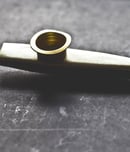
National Kazoo Day
Zany, buzzing musical instruments that let you join in the musical fun with their unmistakably goofy sound!
- Canada
- United States
National days and holidays on May 22

Vivid Sydney
Vivid Sydney is a dazzling celebration that transforms the city into a vibrant playground of lights, music, and creativity. For weeks, iconic landmarks and urban spaces glow with stunning light installations and 3D projections, captivating both locals and tourists. This festival draws millions of visitors each year, offering an enchanting...
- Australia

Cannes Film Festival
The Cannes Film Festival is one of the most glamorous and important events in the film industry. Held annually in the beautiful city of Cannes on the French Riviera, this festival draws the biggest names in cinema, from directors to actors. The red carpet is a dazzling display of style...
- France

Sherlock Holmes Day
Dig out a book, fire up any one of about a million TV or movie adaptations, or go solve a mystery of your own to honor the one and only Sherlock Holmes.
- United Kingdom
- United States

National Maritime Day
Learn about the contributions of maritime workers such as transporters, and the regulations, safety rules, and security that goes into those crucial jobs.
- United States
Seize Every Day
Join free for personalised recommendations, email reminders and exclusive guides. Never miss a day.