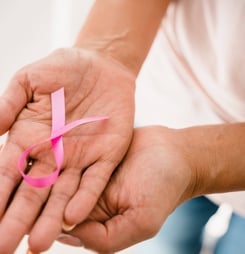

Going through cancer can leave people feeling overwhelmed, not just from the illness but from everything that comes with it. A diagnosis can rearrange a calendar, a kitchen, a family’s routines, and even a person’s sense of self. Cancer Wellness Awareness Day speaks directly to that weight by widening the conversation beyond appointments, scans, and lab numbers.
Treatments, side effects, changes in daily life, financial stress, fatigue, and the emotional whiplash of hope and worry can pile up fast. This day serves as a reminder that caring for someone with cancer includes caring for the whole person, including the parts that never show up on a chart.
It reinforces a simple idea with big consequences: medical care and wellness care are partners, not competitors. Wellness support can include counseling, peer groups, movement adapted to changing energy levels, nutrition guidance, stress management, creative expression, and practical help like transportation or meal support. None of this replaces oncology treatment, but it can make treatment easier to tolerate and life feel more livable during and after it.
Cancer Wellness Awareness Day also helps normalize needs that people often keep quiet about. It is common for someone facing cancer to feel isolated, to grieve changes to their body, to struggle with sleep, or to feel uneasy when treatment ends and the steady rhythm of appointments suddenly stops. Wellness-focused support gives those experiences a name and, importantly, a place to go with them.
The goal is to make healing feel more human. Small steps matter, and they do not have to be picture-perfect. A support group that feels safe, a nourishing snack that sits well during chemo, a short walk that does not trigger pain, or a moment of quiet breathing can all be legitimate milestones. This day encourages action without pressure, and without the myth that “staying positive” is a full-time job.
It says, “Start where you are.” Many people living with or beyond cancer find comfort in knowing they are not alone, and that support exists for caregivers and family members as well. Cancer Wellness Awareness Day lifts up those voices and reminds the public that well-being is part of the journey too, from diagnosis through survivorship and every complicated chapter in between.
How to Celebrate Cancer Wellness Awareness Day
Here are some thoughtful ways to honor Cancer Wellness Awareness Day:
Gentle movement session
Invite a small group for a light exercise class. Think chair yoga, slow-paced tai chi, guided stretching, or a beginner-friendly mobility session led by a trained guide who understands health limitations. The key word is “adaptable.” A wellness-minded movement session should offer options: seated versions, breaks, and permission to stop whenever someone needs.
Physical activity can ease stiffness, lift mood, and boost energy during or after treatment. It can also help people rebuild confidence in their bodies, especially after surgery, long periods of inactivity, or steroid-related muscle loss. Even a short session focused on posture, breath, and gentle range of motion can be valuable.
A thoughtful host also plans for comfort and safety. Provide sturdy chairs, water, and a calm space. Encourage participants to check with their medical team if they have restrictions, particularly after recent surgery, if they have neuropathy that affects balance, or if they are managing devices like ports. The tone should be supportive and low-stakes, more “let’s take care of ourselves” than “let’s crush a workout.”
Nurturing snack and chat
Arrange a relaxed gathering with healthy bites and drinks, keeping in mind that taste changes and sensitive stomachs can come with treatment. Offer small portions and a variety of textures. Include simple recipes like fruit-infused water, soups, yogurt parfaits, soft hummus with pita, or veggie wraps. Make it easy for people to nibble without committing to a full plate.
If the gathering includes someone with a compromised immune system, prioritize food safety: clean surfaces, serve items individually when possible, and keep hot foods hot and cold foods cold. Those details may sound unglamorous, but they are an everyday kind of kindness.
Offer a spot for sharing without pressure. Some people want to talk about the hard parts, others want a conversation about anything except cancer. A “snack and chat” can make room for both. Consider conversation starters that do not force intimacy, such as “What’s one thing that has helped you feel more like yourself?” or “What’s a comfort food you still enjoy?”
That warmth supports both body and soul, and it sends a message that nourishment is more than nutrition labels. It is also about connection, routine, and feeling cared for.
Supportive group discussion
Host a brief talk where participants share what helps them feel grounded. Offer space for listening and gentle advice, and set simple group guidelines at the start: confidentiality, no interrupting, and no unsolicited medical recommendations. A supportive discussion is most helpful when it stays in the lane of personal experience and practical coping, not “miracle cures.”
Peer support can ease isolation and spark new ideas for coping. One person may mention keeping a notebook of questions for appointments, another might share a mantra they repeat during scans, and someone else might describe a playlist that gets them through infusion days. These are small strategies, but they add up.
If a trained facilitator is available, such as a counselor, social worker, patient navigator, or experienced support-group leader, that can help the conversation stay balanced and inclusive. It also supports participants who may be experiencing anxiety or grief and need a steadier hand in the room.
Caregivers can be included too, either in the same group or in a separate circle. Caregiving can be emotionally demanding, and many caregivers feel they must be “the strong one” at all times. Giving them a space to speak honestly is a powerful way to practice wellness as a community.
Creative reflection moment
Set up a quiet corner with paper, colored pencils, watercolors, collage materials, or knitting supplies. Invite guests to write a note, draw a simple image, or knit a motif. Creative activities are not about producing “good art.” They are about processing experience in a way that bypasses the usual mental traffic.
Crafting and reflection foster calm and connection, especially for people who feel talked-out from medical conversations. Some may choose to create a “strength card” for themselves, a small collage of words and images that represent what they are carrying and what they want to hold onto. Others might write a letter to their future self for the day treatment ends, or a note of gratitude to a nurse, friend, or family member.
For groups, a collaborative project can be especially meaningful: a shared quilt square collection, a wall of supportive messages, or a simple “hope tree” where people hang written intentions. These shared creations become gentle proof that many stories can exist side by side, including stories that are still unfolding.
Donation and resource share
Collect small funds or items to give to local cancer programs, wellness centers, or patient support services. Donations do not have to be dramatic to be impactful. Many organizations need basics: gas cards for rides to treatment, meal delivery support, comfort items for waiting rooms, art supplies for programs, or funds that keep free classes accessible.
Offer information about services people might not know exist: rides to treatment, wig and head covering resources, wellness classes, counseling, survivorship groups, caregiver support, and patient navigation. If the event is hosted by a workplace or community organization, consider creating a simple resource sheet that lists these supports clearly and neutrally.
Thoughtful giving links hands and hearts, but the most practical gift can be information. Helping someone discover a local wellness program, a support group, or a transportation option can reduce stress immediately. Cancer Wellness Awareness Day is a good moment to remind people that asking for help is not a failure of strength. It is an act of wisdom.
Cancer Wellness Awareness Day Timeline
Birth of Psycho-oncology as a Cancer Subspecialty
Clinicians begin to formally study how cancer affects patients’ emotions, behavior, and social lives, marking the emergence of psycho-oncology as a defined field.
Jimmie C. Holland Establishes First Psychiatry Service in Oncology
At Memorial Sloan Kettering Cancer Center, psychiatrist Jimmie C. Holland creates the first full-time psychiatric service in a cancer hospital, laying the groundwork for comprehensive psychosocial cancer care.
National Coalition for Cancer Survivorship and Survivorship Movement Launch
A National Congress on Cancer Survivorship led to the founding of the National Coalition for Cancer Survivorship, widely recognized as the birth of the modern survivorship movement focused on quality of life.
NCI Creates the Office of Cancer Survivorship
The U.S. National Cancer Institute establishes the Office of Cancer Survivorship to improve the length and quality of survival, affirming survivorship and wellness as core parts of cancer control.
Growth of Cancer Survivorship Care and Wellness Focus
Researchers and advocates increasingly define survivorship as beginning at diagnosis and lasting a lifetime, emphasizing physical, emotional, social, and financial well-being in cancer care.
Evidence Links Physical Activity to Better Outcomes After Colorectal Cancer
Research on colorectal cancer survivors shows that regular physical activity is associated with reduced recurrence risk and better overall health, supporting exercise as a key survivorship and wellness strategy.
Innovative Survivorship Clinic Model at Memorial Sloan Kettering
Memorial Sloan Kettering Cancer Center begins shifting follow-up for adult-onset cancer survivors to dedicated survivorship clinics run by advanced practice providers, formalizing long-term, wellness-oriented care.
History of Cancer Wellness Awareness Day
Cancer Wellness Awareness Day grew out of a clear, community-level observation: people dealing with cancer often need far more support than medical treatment alone can provide. The day was initiated by the West Island Cancer Wellness Centre in Quebec, a community-based organization focused on improving quality of life for people affected by cancer.
In late 2018, the Centre submitted a formal request to Health Canada to establish a national day dedicated to cancer wellness. The idea was specific and practical.
Cancer awareness is common, and fundraising campaigns are familiar to many, but “wellness” in the cancer context can be misunderstood or overlooked. The Centre wanted a focused day that highlighted supportive care and made it easier for people to find resources that address daily living, coping, and recovery.
The request was approved, and the first Cancer Wellness Awareness Day took place in 2019. From the beginning, it emphasized that wellness support is not a luxury add-on reserved for the lucky few. It is a meaningful part of comprehensive cancer care, and it benefits not only patients but also caregivers and families who experience the ripple effects of diagnosis and treatment.
Early efforts included outreach to government leaders and community partners to help spread the message widely. Organizations connected to cancer support and survivorship promoted the day’s theme, encouraging people to start conversations about whole-person care and to recognize the role of wellness programs in helping individuals live as well as possible with and beyond cancer.
That advocacy helped the day gain traction beyond a single center, inviting other communities and support networks to participate.
Importantly, the day’s framing has stayed consistent: wellness is about meeting real needs. Those needs can be physical, such as rebuilding strength or managing treatment-related fatigue. They can be emotional, such as handling fear of recurrence or the strain of uncertain outcomes.
They can be social and practical too, such as transportation challenges, changes in employment, shifting family roles, or the simple problem of how to get dinner on the table when everyone is exhausted.
Cancer Wellness Awareness Day also reflects a broader shift in modern cancer care. As more people live longer with cancer and more people move into survivorship, the “after” becomes a major chapter rather than a footnote.
Survivorship can come with its own set of challenges, including long-term side effects, anxiety around follow-up testing, and the pressure to bounce back quickly. A wellness-centered awareness day makes room for those realities without turning them into a tragedy. It treats them as part of a human experience that deserves support.
Today, Cancer Wellness Awareness Day highlights care beyond the hospital and clinic. It points to the value of counseling, peer support, nutrition education, gentle exercise programs, stress management practices, and creative outlets, along with practical services that reduce everyday burdens. It also encourages people affected by cancer to feel empowered to ask about these supports and to advocate for care that considers quality of life alongside clinical outcomes.
Above all, the day reminds the public that “support” is not one-size-fits-all. For one person, wellness might be a quiet meditation practice and a walking buddy. For another, it might be a caregiver group, a survivorship class, and permission to rest without guilt.
Cancer Wellness Awareness Day exists to keep that bigger picture in view: the goal is not just to treat disease, but to support people as whole individuals, with dignity, comfort, and connection.