
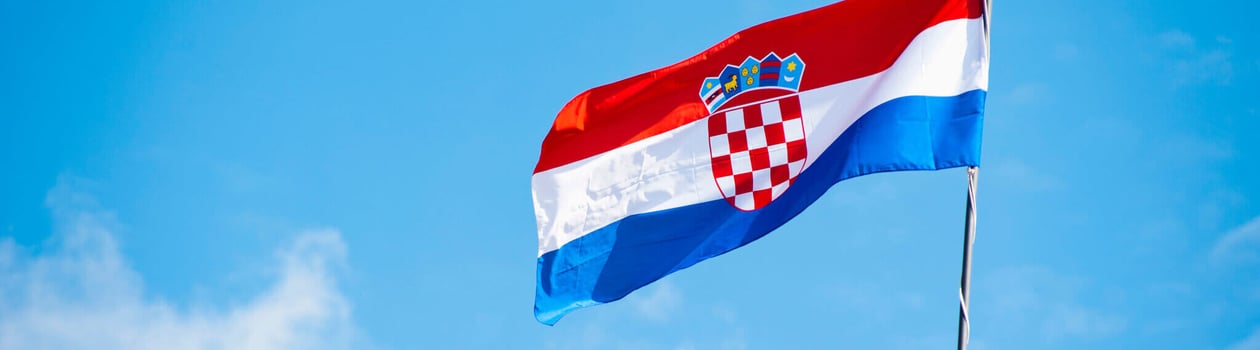
Croatia’s Independence Day is a celebration of national pride and unity, with a thoughtful, commemorative heart. It marks a defining decision in modern Croatian history: the moment the country formally chose self-determination and set out on the complicated, courageous path toward sovereignty.
Croatians mark the day in ways that balance ceremony with culture. Flags appear on buildings and balconies, public institutions acknowledge the milestone, and many people take time to talk about what independence has meant for their families and communities. In some places, the mood leans reflective, while in others it becomes more festive through music, community gatherings, and cultural programs that spotlight Croatia’s distinctive traditions.
This day matters because it points to a turning point, not just a single dramatic moment. It commemorates the parliamentary decision to break away from the former Yugoslavia and begin shaping a future on Croatia’s own terms. It also invites reflection on the difficult years that followed, including the war that accompanied the breakup of Yugoslavia, and on the resilience it took to build institutions, rebuild communities, and establish a stable national identity.
For many, Croatia Independence Day is a chance to honor people who served and sacrificed, to appreciate the cultural threads that hold the country together, and to notice how Croatian identity shows up in everyday things: language, music, local foods, regional customs, and that unmistakable red-white-blue flag with its checkered coat of arms at the center.
How to Celebrate Croatia Independence Day
Croatia Independence Day is a perfect time to celebrate the country’s history and culture in a way that feels both joyful and respectful. Whether someone has Croatian roots, has visited and fallen in love with the Adriatic coast, or simply enjoys learning about world cultures, there are plenty of meaningful ways to mark the day without needing a ticket to Zagreb.
The best celebrations tend to do two things at once: they recognize the significance of independence and they highlight what Croatia is proud of. That can mean sharing stories, cooking regional dishes, listening to traditional singing, learning a bit of history, or supporting Croatian artists and small businesses.
Wave the Colors Proudly
Decorating with Croatia’s iconic red, white, and blue is the simplest way to set the tone. The Croatian flag is instantly recognizable because of its central coat of arms, featuring the red-and-white checkerboard shield known as the šahovnica and a crown-like crest of smaller regional shields above it. Displaying it is a visual shorthand for belonging and solidarity.
A few easy, respectful ideas:
- Hang a flag or small banner in a window, on a balcony, or in a shared community space.
- Wear the colors as a scarf, ribbon, or pin for a subtle nod rather than a full costume.
- If crafting with kids, make paper flags and talk about what the symbols mean, not just what they look like. The checkered shield is more than decoration; it is a national emblem tied to Croatian statehood and identity.
In gatherings, some people also choose to play the Croatian national anthem, “Lijepa naša domovino” (“Our Beautiful Homeland”), particularly at the start of a community program or a cultural performance. Even a short moment of listening can set a respectful, commemorative mood.
Dive into Croatian Cuisine
Croatian food is one of the most enjoyable ways to celebrate because it reflects the country’s geography and history. Coastal cooking often leans Mediterranean with seafood, olive oil, and herbs. Inland regions bring heartier Central European flavors, including baked pastries, cheeses, and slow-cooked dishes.
A Croatia-themed menu can be built like a mini tour of regions:
- Pašticada: A Dalmatian slow-cooked beef dish, often marinated and braised until tender, commonly served with gnocchi. It is the kind of meal that feels “special occasion” by design, perfect for a day that honors a national milestone.
- Štrukli: A beloved cheese-filled pastry associated with northern Croatia and the Zagreb area. It can be baked or boiled, and it hits that comforting spot between main dish and indulgent snack.
- Peka: More a cooking method than a single recipe, peka involves slow-roasting meat (or octopus) and vegetables under a lid. At home, a Dutch oven can mimic the slow, savory effect.
- Crni rižot (black risotto): A dramatic, ink-colored seafood risotto that is rich and briny in the best way.
- Fritule: Small fried dough bites often flavored with citrus zest and sometimes a splash of spirits. They are festive, snackable, and ideal for sharing.
If cooking feels like too big a project, celebrating can be as simple as choosing a Croatian product for the table, such as olive oil, honey, or regional-style sweets, and pairing it with a short explanation of where it comes from. The goal is not perfection. It is appreciating how food carries culture.
Tune in to Croatian Beats
Music is one of the quickest ways to step into Croatia’s atmosphere. Traditional styles sit comfortably alongside pop and rock, so the playlist can match the mood of the gathering, from reflective to energetic.
A well-rounded listening session might include:
- Klapa singing: Traditional a cappella vocal music from the Dalmatian coast. Klapa songs often carry themes of the sea, love, and homeland, and the harmonies can feel both intimate and powerful.
- Tamburica music: Folk music built around tambura string instruments, often associated with northern regions and Slavonia. It is lively, melodic, and ideal for community performances.
- Modern Croatian artists: Mixing contemporary music into the day keeps the celebration from feeling like a museum display. Croatia’s independence is modern history, and modern culture belongs at the table too.
For a group celebration, it can be fun to structure the listening like a “sound tour”: start with traditional vocal music, shift to folk ensemble pieces, then end with modern hits. It highlights how Croatian identity keeps evolving without losing its roots.
Explore Croatian History
Independence Day is naturally a good prompt to learn what actually happened, beyond a headline summary. Croatia’s independence was not a single switch flipped overnight. It was a process involving democratic decisions, legal declarations, international negotiations, and, tragically, war.
A home-based history exploration can include:
- A short documentary or museum-style video on the breakup of Yugoslavia and the Croatian path to independence, focusing on verified milestones rather than sensational details.
- A map-based exploration of Croatia’s regions, noticing how geography shaped culture: the Adriatic coast and islands, the mountain regions, and the plains of the interior.
- A “places that tell the story” virtual visit. Even without traveling, it is possible to explore iconic settings that represent Croatia’s layered history and natural beauty, such as Dubrovnik’s old walls, Split’s ancient Roman core, Zagreb’s civic landmarks, and the waterfalls and lakes of Plitvice.
For families, the most effective approach is often a short, clear timeline conversation: a referendum supporting independence, a parliamentary declaration, a brief moratorium under international mediation, and then a final severing of ties later that year. Keeping it straightforward helps people understand why different dates sometimes come up when discussing independence.
Get Creative with Crafts
Crafting connects celebration to tangible objects, which is especially helpful for kids or for community groups that want a hands-on activity. Croatian-inspired crafts can range from simple to intricate, depending on the time and materials available.
Ideas that translate well at home:
- Coat of arms art: Draw or paint a simplified version of the Croatian checkerboard shield. It is an easy way to talk about national symbols without needing advanced art skills.
- Licitar-inspired designs: Licitar hearts are brightly decorated traditional cookies often associated with Zagreb and northern Croatia. Even if no one bakes them, people can make paper heart ornaments using bold colors and symmetrical patterns.
- Lace-inspired patterns: Croatia is known for distinctive lacemaking traditions. A paper-cut “lace” project using folded paper can echo the look of lace without pretending to replicate the real technique.
- Postcards and collages: Build a collage featuring Croatia’s landscapes, architecture, and cultural motifs, and add short captions about what each image represents.
The best crafts for this day do not just look Croatian; they teach something Croatian, even if it is only one small symbol or a regional detail.
Croatia Independence Day Timeline
Medieval Kingdom of Croatia Consolidated
A unified medieval Kingdom of Croatia emerges under King Tomislav, forming an early Croatian state that later serves as a historical reference point for national identity.
Personal Union with Hungary
King Coloman of Hungary is crowned “King of Croatia and Dalmatia,” creating a personal union in which Croatia keeps separate institutions while sharing a monarch with Hungary.
Banovina of Croatia Established
The Cvetković–Maček Agreement creates the Banovina of Croatia as an autonomous unit within the Kingdom of Yugoslavia, granting limited self-rule within a federal framework.
New Yugoslav Constitution Adopted
Yugoslavia’s 1974 constitution greatly expands the autonomy of its republics, including Croatia, and strengthens their constitutional basis to manage internal affairs.
Constitution of the Republic of Croatia Adopted
The Croatian Parliament adopts a new constitution that defines Croatia as a sovereign and democratic state, preparing the institutional framework for its subsequent break with Yugoslavia.
History of Croatia Independence Day
Croatia Independence Day commemorates a specific political and legal decision made by Croatia’s parliament, the Sabor, to declare the sovereignty and independence of the Republic of Croatia and begin the process of separating from the Socialist Federal Republic of Yugoslavia. The key date widely associated with this decision is June 25, 1991, when the Sabor adopted foundational acts asserting Croatia’s independence.
That declaration did not occur in a vacuum. In the years leading up to it, Yugoslavia was under severe strain, with growing political pluralism, intensifying nationalist tensions, and disagreements among the republics about the federation’s future. Croatia held multi-party elections and moved toward a more democratic system, and public support for greater autonomy and independence became increasingly visible.
A major milestone preceding the parliamentary declaration was a referendum on independence, which demonstrated broad support for Croatia’s sovereignty. This democratic mandate helped frame independence not merely as a political maneuver, but as a choice backed by the public, expressed through a formal vote.
However, the road from declaration to fully effective independence included complications. After June 25, international mediation produced the Brioni Agreement, which included a three-month moratorium on implementing the independence decision. This meant that while Croatia had declared independence, the practical and legal separation was temporarily paused as negotiations continued. This period is part of the reason Croatia’s independence is sometimes described through multiple key dates rather than a single one.
When the moratorium expired, Croatia took another decisive step. On October 8, 1991, the Sabor moved to terminate remaining state-legal ties with Yugoslavia, making Croatia’s independence fully effective in practice. In historical discussions, June 25 is often treated as the day the independence path was formally initiated, while October 8 is frequently referenced as the day the legal break became final.
The declaration and the steps that followed occurred during an extremely difficult period. The early 1990s brought armed conflict known as the Croatian War of Independence, generally dated from 1991 to 1995. The war had profound human costs, including casualties, displacement, and destruction. For many Croatians, Independence Day therefore carries a layered meaning: pride in self-determination, grief for what was lost, and respect for those who defended their communities.
Over time, the way Croatia officially marked independence-related dates changed. For a period, the public observance associated with independence was shifted to October 8, aligning the commemoration with the final severing of ties. Later, official recognition returned to June 25 as the key date tied to the original parliamentary decision to declare sovereignty and independence. These shifts reflect how nations sometimes refine their civic calendars as they decide which moments best represent the story they want to tell: the start of the journey, the moment it became irreversible, or the day the institutions spoke with one voice.
Regardless of calendar adjustments, the meaning remains consistent. Croatia Independence Day centers on the country’s modern emergence as a sovereign state and invites people to consider what independence requires beyond the declaration itself: civic institutions, international recognition, social cohesion, economic rebuilding, and the everyday work of living together as one nation.
Facts About Croatia Independence Day
From Socialist Republic to Multi-party Republic
In December 1990, Croatia adopted a new constitution that transformed the Socialist Republic of Croatia into the Republic of Croatia, replacing the socialist one-party system with a multi-party parliamentary democracy and defining Croatia as a “national state of the Croatian nation and a state of members of other nations and minorities.”
Homeland War as the Official Name of the Conflict
Within Croatia, the 1991–1995 conflict is officially termed the “Homeland War” (Domovinski rat), a designation used in Croatian law and public institutions, while international sources more commonly refer to it as the Croatian War of Independence.
Operation Storm’s Decisive Four-day Offensive
Operation Storm, launched by Croatian forces on August 4, 1995, recaptured about 10,400 square kilometers of territory from the self-proclaimed Republic of Serbian Krajina in just four days, dramatically shifting the military balance and contributing to the end of major combat operations in Croatia.
International Mediation Through the Brioni Agreement
The Brioni Agreement of July 7, 1991, brokered by the European Community, required Croatia and Slovenia to suspend their independence decisions for three months, creating a temporary halt to the legal effects of Croatia’s earlier sovereignty acts while international efforts sought to manage the Yugoslav crisis.
Ethnic Composition After the 2021 Census
Croatia’s 2021 census recorded that 91.6 percent of residents identified as Croats and 3.2 percent as Serbs, with all other national minorities each accounting for less than 1 percent of the population, indicating a relatively high degree of ethnic homogeneity compared with the former Yugoslav federation.
Croatian as a Distinct Standard Language
Although mutually intelligible with Serbian, Bosnian, and Montenegrin, Croatian is codified as a separate standard language with its own orthography and grammar, and since the 1990s Croatian institutions have emphasized distinct lexical and normative choices to differentiate it from the former Serbo-Croatian standard.
Religious Landscape Dominated by Catholicism
According to the 2021 census, about 78.97 percent of Croatia’s population identified as Roman Catholic, with Christians overall comprising 87.39 percent, while Eastern Orthodox Christians, Muslims, and people without religion each formed relatively small minorities, reflecting a religious profile in which Catholicism is numerically dominant.



You may also like
Republic Day Italy
Discover the meaning of Italy’s Republic Day, honoring the historic vote that ended the monarchy with parades, flag displays, music, food, and remembrance.
- Canada
- France
- Germany
- and 2 more
Statehood Day in Croatia
Statehood Day in Croatia is a deeply meaningful occasion that celebrates the country's emergence as an independent state. This national holiday reflects the pride of the Croatian people, honoring the establishment of their democratic government after a long and challenging path! How to Celebrate Statehood Day in Croatia Statehood Day in Croatia offers...
- Croatia
Kosovo Independence Day
Kosovo Independence Day is a vibrant celebration filled with national pride and unity. The day marks a significant moment in Kosovo's history when it declared itself an independent country. By celebrating this day, Kosovars express their gratitude and look forward to a brighter, more prosperous future together! How to Celebrate...
- Albania
- United States

Necktie Day
Necktie Day in Croatia celebrates an accessory with deep roots in Croatian culture. The necktie, originally known as the cravat, symbolizes not only elegance but also national pride. It started as a distinct piece of clothing worn by Croatian soldiers, which caught the attention of the French and soon became...
- Canada
- United Kingdom
- United States
National days and holidays on June 25

National Handshake Day
From business deals to sportsmanship, a good handshake conveys confidence, warmth and professionalism, making a lasting first impression!
- Canada
- United Kingdom
- United States

Color TV Day
Host a TV or movie watching marathon and work your way through different eras to see how color TV has developed, improved and changed over time.
- United States
Global Beatles Day
Put on your favorite Beatles record and honor the British global phenomenon that changed the face of music forever, and continues to influence musicians everywhere.
- United Kingdom
- United States

National Catfish Day
Cook up some catfish at home, visit a catfish festival, or find a local restaurant serving this tasty fish to make the most of National Catfish Day.
- Canada
- United States
- Vietnam
Seize Every Day
Join free for personalised recommendations, email reminders and exclusive guides. Never miss a day.