Cucumber Day is a charming celebration that honors this humble vegetable, which plays a big role in the local diet. During this event, cucumbers take center stage in markets, recipes, and decorations!
How to Celebrate Cucumber Day
Cucumber Day is a fun celebration with lots of creative ways to join the festivities. Here are some quirky ideas to make the most of it:
Host a Cucumber Feast
Get creative in the kitchen and whip up a variety of cucumber-based dishes. Think salads, soups, and even desserts. Challenge friends and family to come up with the most unusual yet tasty cucumber recipe. Who knew cucumbers could be so versatile?
Organize a Cucumber Crafting Contest
Let the kids (and adults!) carve cucumbers into amusing shapes or create cucumber-themed art. The best part? It’s both eco-friendly and delicious! Display these green masterpieces around your home or garden, and turn it into a mini cucumber gallery.
Plan a Green Picnic
Pack a basket with cucumber sandwiches, fresh salads, and refreshing cucumber water. Find a nice spot in nature and enjoy a cucumber-themed picnic with friends. Bonus points if everyone wears something green to match the theme!
Have a Cucumber Toss
Set up a playful cucumber tossing game in the backyard. It’s like a beanbag toss but with cucumbers. It’s sure to bring out lots of laughs and healthy competition. Prizes can be awarded for the best toss or the most creative throwing technique.
Hold a Cucumber Beauty Spa
Transform cucumbers into a pampering experience. Make face masks, eye pads, or refreshing cucumber drinks. Invite some friends over for a relaxing spa day. You’ll be amazed at how soothing these humble veggies can be!
Why Celebrate Cucumber Day
Communities come together to showcase different varieties, and visitors can sample cucumber-based dishes that highlight its versatility.
This event isn’t just about food, though. It symbolizes a shared appreciation for the region’s agricultural roots and the connection between people and their land.
Beyond the gastronomic delights, Cucumber Day fosters a sense of unity and pride among locals. It brings people of all ages together in a festive atmosphere, creating a space where farmers and city dwellers can mingle and celebrate the fruits of their labor.
The event also attracts tourists eager to experience this unique cultural celebration, blending food, music, and friendly competition.
It’s a lively affair that reflects the spirit of Bosnia and Herzegovina, combining tradition and community in a joyful celebration.
Cucumber Day Timeline
Early Cultivation in the Indian Subcontinent
Archaeological and botanical evidence points to cucumbers (Cucumis sativus) being domesticated in the Indian subcontinent more than 3,000 years ago, where they became a familiar garden crop in ancient South Asian cultures.
Cucumbers Enter the Mediterranean World
By the beginning of the Common Era, cucumbers had spread from India through the Near East into Greece and Rome, where classical writers describe them as a valued vegetable grown in kitchen gardens.
Tiberius and Early Forcing Techniques
Roman accounts report that Emperor Tiberius demanded cucumbers every day, leading gardeners to develop early forcing structures with frames and translucent panes so the crop could be produced year‑round.
Arrival of Cucumbers in China
Historical and botanical studies indicate that cucumbers traveled east along Inner Asian trade routes and were being cultivated in China by about 2,000 years ago, becoming part of traditional Chinese agriculture.
Old World Cucumbers Reach the Americas
During the Columbian Exchange, cucumbers, long established in Eurasia, were carried by European explorers and colonists to the Americas, where they were adopted into colonial kitchen gardens as an introduced crop.
Industrial Pickling and Mass Production
As urbanization increased in Europe and North America, commercial pickling of cucumbers expanded, and factories began producing bottled pickles on an industrial scale for growing city markets.
Greenhouse and Seedless Cucumber Breeding
Advances in horticultural breeding produced parthenocarpic (seedless) cucumbers suited to greenhouse production, allowing high‑yield, uniform fruits and making fresh cucumbers widely available year‑round in many countries.
History of Cucumber Day
Cucumber Day in Bosnia and Herzegovina began in a small village where farmers wanted to showcase the importance of cucumbers in their diet and culture. The event quickly gained popularity and spread to other parts of the country.
The idea behind Cucumber Day came from local farmers who wanted to bring attention to their produce and share their appreciation for this humble vegetable. They aimed to promote agricultural traditions and encourage people to enjoy fresh, locally grown cucumbers in creative ways. This celebration became an annual event, reflecting the country’s strong connection to its agricultural roots.
Over time, Cucumber Day evolved into a larger celebration that includes markets, cooking demonstrations, and even cucumber-themed competitions. The event is now a beloved tradition that attracts both locals and tourists eager to experience this unique cultural festivity.
Today, Cucumber Day is celebrated with much enthusiasm. It highlights the people’s creativity and resourcefulness and reminds us of the country’s agricultural richness and the value of community spirit.
Cucumber Day Facts
Cucumbers Are Botanically Berries, Not Vegetables
In botany, cucumbers are classified as pepos, a type of berry produced by plants in the gourd family, Cucurbitaceae.
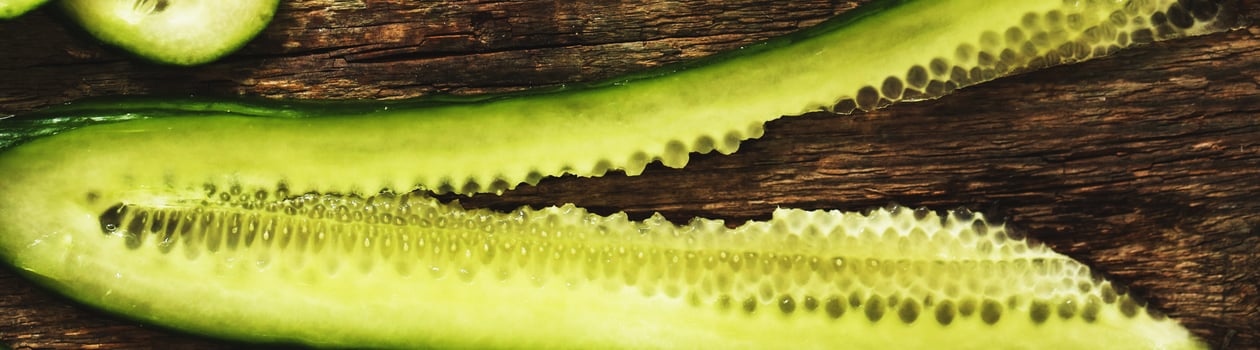
Each “cucumber” is a single ripened ovary containing seeds, which makes it a fruit in scientific terms, even though it is treated as a vegetable in cooking and sold alongside lettuce and tomatoes.
An Ancient Crop With Roots in the Indian Subcontinent
Modern genetic and historical studies agree that culinary cucumbers (Cucumis sativus) were domesticated in the Indian subcontinent thousands of years ago, likely from wild relatives in the Himalayan foothills.
From there, they spread both east into China and west across western Asia and the Mediterranean, only becoming common in Europe by the medieval period.
Why Some Cucumbers Taste Bitter
The occasional harsh, bitter taste in cucumbers comes from cucurbitacins, a group of defensive chemicals that the plant produces against pests.
Commercial varieties are bred to keep cucurbitacin levels very low, but environmental stress can increase these compounds and make a cucumber unpleasantly bitter, which is why gardeners sometimes discard extremely bitter fruits.
Cucumbers Are Over 95 Percent Water
Raw cucumbers are one of the most water-rich foods commonly eaten, with laboratory analyses showing around 95 to 97 percent water by weight, depending on whether the peel is left on.
That high water content explains their crisp texture and why they contribute very few calories per serving compared with starchier vegetables.
Cucumber Pickles Help Preserve Harvests Around the World
Across Japan, Turkey, and Eastern Europe, cucumbers are central to long-standing pickling traditions that evolved to preserve seasonal gluts.
Japanese tsukemono, Turkish turşu, and brined Eastern European sour cucumbers all rely on salt or fermentation to keep cucumbers edible for months, turning a highly perishable crop into a year-round staple.
From Kappa Offerings to Forbidden Fields in Japan
In Japanese folklore, water spirits called kappa are said to love cucumbers so much that people sometimes offer cucumbers at shrines or riversides for protection from drowning.
Yet in one community in Fukui Prefecture associated with the deity Susanoo-no-Mikoto, local tradition discourages growing or eating cucumbers at all, illustrating how the same plant can carry strikingly different meanings within a single country.
Fermented Cucumber Pickles Can Carry Live “Good” Bacteria
When cucumbers are preserved by lactic acid fermentation rather than simply soaked in vinegar, the salt-tolerant bacteria that sour the brine can survive in the finished pickle.
Studies of traditional fermented vegetables, including cucumber pickles, show they often contain live lactic acid bacteria that may act as probiotics, although their salt content means they are best eaten in moderation.