In honor of the International Day of the Potato, let’s dive into this celebration about a humble hero with an extraordinary impac! Picture fields of golden potatoes, from the sun-kissed slopes of the Andes to the lush, green farmlands worldwide.
The day represents a global shout-out to the mighty spud, highlighting its role in feeding billions, supporting farmers, and boosting sustainability.
International Day of the Potato celebrates the incredible impact of this versatile crop on the world!
International Day of the Potato Timeline
Wild Potatoes First Used in the Andes
Archaeological evidence from the Lake Titicaca basin in Peru shows early Andean peoples gathering and eating wild potatoes, setting the stage for later domestication.
Domesticated Potatoes Become Andean Staples
Plant remains from prehistoric sites in Peru and Bolivia indicate that fully domesticated potatoes were being cultivated as a major staple crop in pre-Columbian Andean agriculture.
Potatoes Reach Europe with Spanish Conquistadors
Spanish ships carry potatoes from the Andes to Europe, where the tubers are first grown in Spain and the Canary Islands before slowly spreading across the continent.
Potatoes Become a Core European Food Crop
Through promotion by advocates such as Antoine-Augustin Parmentier and expanding cultivation in countries like Germany, Russia, and Britain, potatoes turn into a crucial staple in European diets.
Irish Potato Famine Exposes Monoculture Risks
An epidemic of late blight in Ireland’s poorly diversified potato fields triggers mass starvation and emigration, reshaping global thinking about crop diversity and food security.
How to Celebrate International Day of Potato
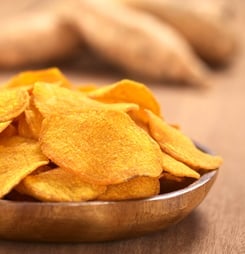
You can make various potato dishes to celebrate the International Day of Potato. Consider potato peel chips for a quick, crispy snack, or delve into making cheesy potato croquettes for a delicious twist on mashed potatoes.
A potato salad with celery and whole-grain mustard offers a tangy option for a side dish. Alternatively, you can choose a version with honey Dijon Greek yogurt and herbs.
If you’re looking for a main dish, consider the easiest foil packet dinner on the grill. You can also try a sheet pan salmon with roasted potatoes. For a savory breakfast or snack, a leek and potato galette can be a great choice.
Why Celebrate International Day of the Potato
This day highlights the potato’s essential role in tackling food insecurity, improving nutrition, and supporting livelihoods around the globe.
It was established to draw attention to the potato’s benefits, which range from its nutritional value to its economic, environmental, and cultural significance.
The celebration of International Day of the Potato underscores the potato’s journey from its origins in the South American Andes to becoming a staple food consumed by billions worldwide.
This day not only celebrates the potato’s nutritional and cultural value but also emphasizes its importance in providing food security and supporting economic development. With over 5,000 varieties, the potato is adaptable to various climates, making it a key crop in efforts to combat hunger and malnutrition.
The reasons behind marking this day are multi-fold. It aims to raise awareness about the potato’s role in addressing global challenges such as poverty, food scarcity, and environmental threats. The celebration brings to light the crop’s low greenhouse gas emissions, showcasing its environmental benefits.
Additionally, the day recognizes the potato’s contribution to employment and income growth, highlighting the need for further action to maximize its potential in the global fight against hunger and malnutrition.
By celebrating International Day of the Potato, we acknowledge the crop’s significance and the necessity of promoting sustainable agricultural practices to ensure its continued contribution to global food security.
History of Zero International Day of Potato
The story of International Potato Day is a tale of global collaboration and recognition of this vegetable with a profound impact. On December 16, 2023, the United Nations made a historic move by unanimously adopting a resolution to declare International Potato Day.
This decision was warmly embraced by the Food and Agriculture Organization (FAO). It marked a significant step in acknowledging the potato’s crucial role in combating food insecurity and malnutrition worldwide.
The push for establishing this day was led by Peru, which is home to thousands of potato varieties, and the International Potato Center (CIP).
The resolution, stemming from an FAO Conference Resolution on July 7, 2023, was aimed at shining a spotlight on the potato’s critical contributions to global agriculture, economic development, food security, and nutrition.
The initiative builds on the momentum of the International Year of the Potato, celebrated in 2008. It highlights the need to emphasize the potato’s significant role in addressing food insecurity, poverty, and environmental threats.
This day is not just about celebrating the potato but also about raising awareness of its benefits. These range from its nutritional value to its economic and environmental advantages.
It acknowledges the potato’s adaptability, low greenhouse gas emissions, and its role in providing accessible and nutritious food.
This celebration also shows the importance of diverse potato varieties and the need for continued genetic improvement to adapt to changing environmental conditions.
The journey to the first International Potato Day involved extensive lobbying and collaboration. Members of the World Potato Congress (WPC) and various countries rallied support for the proposal.
It demonstrated the potato’s value in eradicating poverty, improving food security, and providing healthy food to millions. The chosen date, May 30, aligns with the Peruvian National Potato Day, reinforcing the global significance of this crop.
Facts About International Day of the Potato
Potatoes Rival Wheat and Rice in Feeding the World
Potatoes are the world’s third most important food crop by human consumption after rice and wheat, and provide more food energy per hectare and per unit of water than many cereals.
A 150‑gram boiled potato with skin delivers about 26 grams of carbohydrate, 3 grams of protein, significant vitamin C and potassium, and more fiber and micronutrients than an equivalent calorie portion of white rice, which is why global agencies view potatoes as a key crop for improving food security in densely populated regions.
An Andean Crop Domesticated Over 7,000 Years Ago
Archaeological and genetic evidence shows that potatoes were first domesticated in the central Andes of modern-day Peru and Bolivia more than 7,000 years ago, where Indigenous communities selected and bred wild tuber-bearing Solanum species into hundreds of locally adapted landraces that could grow from sea level to high mountain valleys.
These ancient farmers also developed traditional techniques such as freeze-drying potatoes into chuño, allowing them to store food for years in a harsh, variable climate.
The Columbian Exchange Made the Potato a European Staple
When Spanish explorers carried potatoes from the Andes to Europe in the late 16th century, the crop was initially met with suspicion but gradually transformed European agriculture.
Because potatoes produced high yields in poor soils and cool, wet climates, they supported rapid population growth in countries like Ireland, Prussia, and Russia, with economic historians estimating that potato adoption may account for a significant share of Europe’s population boom between 1700 and 1900.
The Irish Potato Famine Exposed the Risks of Genetic Uniformity
The devastating Irish Potato Famine of 1845–1852 was driven by reliance on a few closely related potato varieties that were highly susceptible to the late blight pathogen Phytophthora infestans.
When the disease struck, it destroyed up to three-quarters of the potato crop in some years, contributing to about one million deaths and mass emigration, and it is now frequently cited by scientists as a classic example of why genetic diversity in staple crops is critical for resilience.
Over 4,500 Native Potato Varieties Survive in the Andes
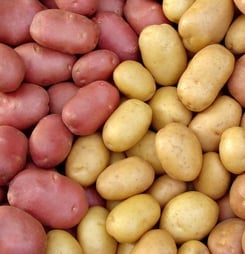
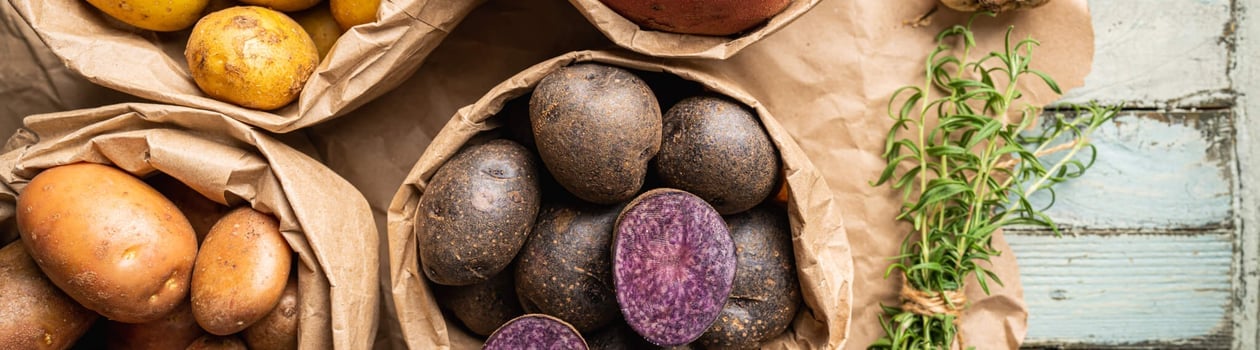
The Andes remain a global hotspot of potato biodiversity, with Peruvian and Bolivian farmers still cultivating thousands of native varieties that display striking differences in color, shape, taste, and environmental tolerance.
Organizations such as the International Potato Center (CIP) and local Indigenous communities conserve this diversity both in living “potato parks” and in seed banks, providing breeders with traits for disease resistance, drought tolerance, and adaptation to climate change.
Potatoes Can Have a Lower Climate Footprint Than Many Staples
Life cycle assessments show that potatoes often have a smaller greenhouse gas footprint per kilogram of food produced than rice or wheat, in part because they have high yields and require relatively short growing periods.
When produced with good management practices, including efficient fertilizer use and reduced storage losses, potatoes can deliver substantial calories and nutrients with comparatively low land and water use, making them attractive for climate-smart agriculture strategies.
A Single Potato Plant Can Yield Dozens of New Tubers
Potatoes are propagated mainly from “seed potatoes,” which are small tubers rather than botanical seed, and each plant can produce 5 to 20 or more marketable tubers under favorable conditions.
This vegetative reproduction allows farmers to rapidly multiply preferred varieties, but it also makes the crop vulnerable to the spread of viruses and other pathogens, which is why many countries rely on certified seed programs and tissue-culture-based propagation to maintain healthy planting material.