

Day Without Art, also known as World AIDS Day, was created to both acknowledge and mourn the passing of those infected with AIDS, as well as take action against this disease that has killed tens of millions of people all over the world since the pandemic began.
By 1985, at least 12,000 Americans were known to have AIDS, and 7,000 died from the disease that year alone. Still, not many people saw it fit to discuss this complicated illness that was taking the lives of so many friends and family members.
History of Day With(out) Art
Originally, when it was created in 1988, this event was called Day Without Art. The purpose was to raise awareness about the disease, especially that it can in fact touch everyone – a fact that was not as well known then as it is today.
Furthermore, the creators of Day With Art (DWA) wanted to inspire positive action by waking the public up to the suffering around them and perhaps getting them to help the sick. The name of the day itself was intended to make people think what kind of place the world would be without art and artists, as many artists of the day were among those infected with HIV.
Thomas Sokolowski, then head of the New York University’s Grey Art Gallery and a gay artist himself, decided he had to do something. On the first Day Without Art, some 800 American art and AIDS groups shut down museums for the day, sending the employees to volunteer at AIDS services instead. Additionally, some museums organized special exhibitions of various works about AIDS.
Since then, the number of organizations involved has grown dramatically, to an estimated 8,000 national and international museums, galleries, art centers, AIDS Service Organizations, libraries, high schools and colleges taking part each year.
In 1998, Visual AIDS proposed that the name of the day be changed to Day With(out) Art, in order to help promote the annual cultural events that I turn help draw attention to the AIDS pandemic, even though the original intentions of the name “Day Without Art” were different.
They explained this decision, saying, “We added parentheses to the program title, Day With(out) Art, to highlight the proactive programming of art projects by artists living with HIV/AIDS, and art about AIDS, that were taking place around the world.”
How to Celebrate Day Without Art
This day can be celebrated in many ways, from paying tribute to those who have died of AIDS, to organizing various events to continue to raise awareness about the disease and how it can be prevented.
Visit an Art Gallery
Pay a visit to an art gallery that is having some sort of exhibition of the works of artists that suffered or continue to suffer from AIDS. As mentioned before, a multitude of artists in various areas, be it painting, singing, acting or dancing as well as many other famous people, have become infected with AIDS over the years. Take some time on this day to pay special attention to their work, their talent, and who they are/were as human beings will definitely be one of the best things to celebrate Day Without Art.
Learn Stories of Famous People with HIV
Get more involved with Day Without Art by learning a bit more about some famous people who have opened up about their journey with AIDS or HIV. These include actor Rock Hudson, basketball player Magic Johnson, musician Freddie Mercury, New York Graffiti artist Keith Haring, supermodel Gia Carangi, Brady Bunch comedy star Robert Reed, and tennis sensation Arthur Ashe.



You may also like

National Native HIV/AIDS Awareness Day
National Native HIV/AIDS Awareness Day (NNHAAD) focuses on HIV education, testing, and support for Native communities, including American Indians, Alaska Natives, and Native Hawaiians. This day encourages Native people to protect their health by learning about HIV risks, getting tested, and accessing treatment. It tackles unique challenges these communities face...

HIV Long-Term Survivors Day
HIV Long-Term Survivors Day honors the resilience, stories, and advocacy of people aging with HIV, raising awareness, fighting stigma, and inspiring community support.
- Canada
- International
- United Kingdom
- and 1 more

National HIV/AIDS and Aging Awareness Day
National HIV/AIDS and Aging Awareness Day brings attention to the growing number of older adults living with HIV. This day highlights how advances in treatment have enabled many to live longer and healthier lives. With over half of those living with HIV in the U.S. now aged 50 or older...

AIDS Awareness Month
AIDS Awareness Month lights up every October with a mission to spread the truth about HIV/AIDS. It's a time to share knowledge, fight myths, and support those affected by the disease. Over 37 million people globally are living with HIV, making this campaign crucial for public health. The month emphasizes...
National days and holidays on December 1
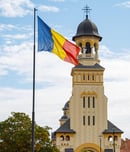
Romania National Day
Romania National Day is a vibrant celebration filled with national pride. Known as the Great Union Day, this holiday is a joyous occasion that unites Romanians from all walks of life. It's a day to celebrate the unity of the country and remember the significant historical event that brought together...

Zagreb Advent
Zagreb Advent is a magical celebration that transforms Croatia's capital into a winter wonderland. The streets light up with festive decorations, creating a warm and inviting atmosphere. Wooden stalls filled with handmade crafts and delicious treats line the squares, and the air is filled with the scent of mulled wine and...

National Day of Giving
Prioritize giving over consumerism and help those less fortunate by fundraising for a cause close to your heart or volunteering in your community.

National Christmas Lights Day
Creating a luminous wonderland that brightens the darkest season, celebrating with glimmering decorations that adorn the night.
Seize Every Day
Join free for personalised recommendations, email reminders and exclusive guides. Never miss a day.