
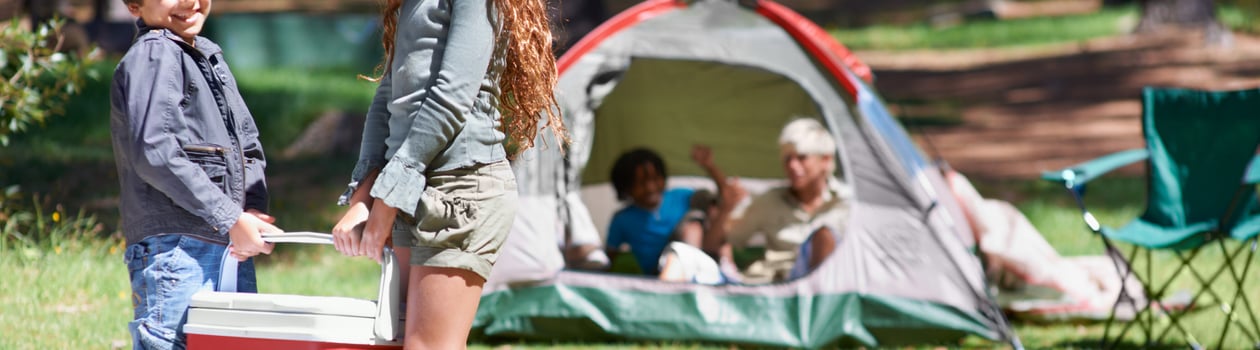
Great American Campout begins with a wonderfully simple idea: step outside, set up a tent, and spend a night under the sky. It is less about conquering the wilderness and more about remembering that nature can be part of everyday life, even a few steps from the back door.
It encourages people of all ages and experience levels to camp in backyards, parks, neighborhoods, or established campgrounds. For first-timers, that might mean a single sleeping bag and a flashlight. For seasoned campers, it can be a chance to scale down, keep it local, and focus on the small joys that are easy to miss on a bigger trip.
At its core, the event is a lively reminder to leave screens behind and trade notifications for nighttime sounds. It invites families, friends, roommates, and solo campers to share meals outdoors, watch constellations appear, and enjoy conversations that naturally last longer when there is nowhere else to rush off to.
This gathering matters because it helps people reconnect with wildlife and green spaces, something that can easily slip away during busy indoor routines. One night outside can encourage calmness, awaken curiosity, and build confidence. The outdoors is not only something distant or remote. It can be the tree beside a parking lot where birds gather at dusk or a small grassy area that suddenly becomes the perfect place for a tent.
Many campers also choose to combine their night outdoors with simple acts of care for nature: cleaning up trash, respecting wildlife, or leaving a campsite tidier than they found it. Small efforts like these help protect the spaces that make camping possible, whether they are official campgrounds or neighborhood parks.
The best part is how quickly ordinary places transform into memorable outdoor experiences. Sunsets seem brighter when viewed from a camp chair. Breezes feel more interesting when they ripple against tent fabric. Even the simplest campout can create a sense of wonder that reminds people just how vast the world still feels.
How to Celebrate the Great American Campout
There are plenty of easy and enjoyable ways to celebrate the Great American Campout. You do not need a faraway destination, just some creativity and an appreciation for spending time outdoors. The goal is to make camping feel simple, comfortable, and welcoming, especially for beginners.
A little preparation helps a lot: pick a spot, focus on comfort, and keep things uncomplicated. Weather-friendly clothing, enough water, and a reliable light source can make the experience feel relaxing instead of stressful.
Camp in Your Yard
Forget the long road trip and camp just outside your home. A backyard, patio, rooftop, or shared courtyard can all work if they are safe and allowed. The key is to treat the space like a real campsite instead of the usual outdoor area. Create a clear camping setup, place a tarp underneath if the ground feels damp, and arrange the tent before nightfall so everything feels inviting.
Add gentle lighting such as lanterns or string lights to create a cozy atmosphere while still allowing everyone to enjoy the stars. Bring snacks, blankets, and pillows to make the experience feel comfortable rather than challenging. If insects are an issue, bug spray or a screened shelter can make a huge difference.
Backyard camping is also a great opportunity to practice basic camping skills. Campers can learn how to pitch a tent, organize equipment, and adjust sleeping arrangements without pressure. If something gets forgotten, the house is only a few steps away, making this especially ideal for children and first-time campers.
Cook Over a Fire
Trade kitchen appliances for outdoor cooking. Marshmallows are always popular, but many simple meals can be prepared over a flame. Foil-pack dinners are especially convenient because they require very little equipment and are easy to personalize. Add vegetables, protein, seasoning, and a little oil or butter, then let the heat cook everything together. Warm grilled fruit can also become a favorite surprise.
Fire safety should always come first. Campers can keep water nearby, follow local rules, and use approved fire pits or designated fire rings. If open fires are not allowed, a gas grill, charcoal grill, or portable stove can still create the same outdoor cooking atmosphere.
For extra enjoyment, create a small outdoor kitchen setup with a hand-washing station, an organized space for utensils, and a cleanup routine that prevents animals from being attracted by food smells. Cooking outdoors becomes far more relaxing when everything stays simple and organized.
Explore Local Nature
Spend part of the day visiting a nearby park, trail, shoreline, or nature center before camping later in the evening, even if the actual campsite is back at home. Combining exploration with camping makes the entire experience feel more complete. A simple walk can turn into a fun scavenger hunt: spotting unusual leaves, listening for birds, or looking for signs of wildlife such as tracks or chewed pinecones.
Binoculars can be helpful, but curiosity works just as well. Bringing a notebook can turn the outing into a mini nature journal where campers sketch plants, write observations, or record funny moments. Children often enjoy the experience more when they get to lead the exploration and decide what to investigate.
Campers can also practice simple “leave no trace” habits, such as staying on marked paths, photographing plants instead of picking them, and remembering that logs, rocks, and leaf piles often serve as homes for tiny creatures.
Play Outdoor Games
Throw a frisbee, organize a scavenger hunt, or share ghost stories after dark. Outdoor games feel especially exciting when played around tents or in open spaces during the evening. Familiar games like tag, hide-and-seek, or capture-the-flag can suddenly feel completely new outdoors.
For quieter entertainment, try stargazing games. Campers can search for constellations, count passing satellites, or watch for meteors. Another fun option is “night sound bingo,” where participants listen for sounds like crickets, wind, distant traffic, or owl calls. It turns quiet observation into an engaging activity.
When campers of different ages are involved, switching between active and calm activities keeps everyone interested. A quick energetic game before bed can help children settle down, while card games or storytelling can help everyone relax.
Unplug and Relax
Put away phones, tablets, and screens. Listen instead to crickets, rustling leaves, or the wind moving through trees. Read by lantern light and enjoy the slower pace of outdoor life. Unplugging often works best when there is a simple plan, such as choosing a specific time to put devices away or deciding that phones stay indoors during backyard camping.
Relaxing outdoors feels different from relaxing inside. People naturally slow down, notice details more carefully, and enjoy longer conversations. Small traditions can make the experience even more memorable: drinking hot cocoa, stretching before bed, or sharing favorite moments from the day.
Comfort matters when it comes to sleeping outside. A sleeping pad adds warmth and cushioning, while layered clothing, a warm hat, and extra blankets can help prevent uncomfortable nighttime chills. Well-rested campers usually wake up feeling refreshed and genuinely connected to the experience.
Great American Campout Timeline
John Muir’s Yosemite writings popularize wilderness camping
Naturalist John Muir’s essays about camping and “sauntering” in Yosemite help urban Americans see tent camping as a way to restore health and spirit in wild landscapes.
First organized American summer camp for youth
Frederick and Abigail Gunn’s earlier “Gunnery Camp” model culminates in organized boys’ summer camping, pioneering the idea that living outdoors in tents builds character and health.
Commercial camping gear appears in U.S. catalogs
An 1891 trade catalog documented by the Smithsonian shows tents, camp beds, and cooking kits marketed for leisure, marking camping’s shift from necessity to middle-class recreation.
Tin Can Tourists organize early car camping
Auto campers form the Tin Can Tourists club in Florida, promoting standardized campgrounds and social caravans that help make family car camping a mass pastime.
U.S. Forest Service reports booming forest camping
The Forest Service counts about 231,000 campers using national forests, reflecting the rapid growth of public-land camping and the need for recreation policies and facilities.
National Wildlife Federation is founded
Conservationist Jay Norwood “Ding” Darling helps launch the National Wildlife Federation to unite Americans for wildlife protection, later using family-friendly outdoor programs to build support.
Scholars highlight inclusion gaps in camping history
Research from the University of Colorado Boulder examines how U.S. camping evolved from necessity to elite leisure, raising questions about who has access to outdoor experiences today.
History of the Great American Campout
The event began in 2005 when the National Wildlife Federation introduced it under the name Great American Backyard Campout. The idea was intentionally simple and welcoming: camping did not need to involve expensive gear, long-distance travel, or advanced wilderness experience. It could begin with a tent in the backyard and a willingness to spend a night outside.
The concept aimed to remove barriers, especially for families interested in camping but unsure how to begin. Backyard camping provides an easy introduction to outdoor basics like pitching a tent, organizing sleeping arrangements, and managing small camping tasks. It also allows parents and caregivers to introduce children to nature in a low-pressure way.
From the start, the National Wildlife Federation connected the event to a larger purpose. Spending time outdoors often helps people develop appreciation for nature, and that appreciation can inspire stronger support for wildlife and conservation efforts. When people feel connected to nearby green spaces, they are more likely to value and protect them.
As the event became more popular, many communities turned it into an annual tradition. Neighborhoods organized local campouts, and families created their own traditions involving campfire stories, star identification, or outdoor games. The beauty of the event was that it never demanded perfection. Forgotten supplies, uneven tents, or messy s’mores still became part of the fun.
In 2015, the event expanded its identity and adopted the name Great American Campout. The change reflected how participants were already celebrating beyond their own backyards. Many people were camping in parks, campgrounds, and public outdoor spaces. The updated name welcomed every style of camping, whether it involved tents, cabins, or community campouts.
The broader focus also made the event more inclusive. Not everyone has access to a backyard or a safe outdoor area at home. By encouraging participation in parks and campgrounds, the Great American Campout emphasized that outdoor experiences should be accessible to more people and different living situations.
Over the years, the event became linked with larger celebrations of outdoor recreation and time spent in nature. It reinforced the idea that camping is not only a vacation activity. It can also help people build outdoor confidence, learn practical skills, and develop habits that encourage more regular time outside.
The National Wildlife Federation still leads the initiative today, using it to promote conservation in a positive and approachable way. Participants are often encouraged to commit to camping and to include small environmentally friendly actions during their outings. These can include cleaning up all trash, using reusable dishes, storing food carefully to avoid disturbing wildlife, and respecting quiet hours and protected habitats.
Most importantly, the event has never been about expensive equipment or extreme adventures. Its message remains refreshingly simple: spending time outdoors can be enjoyable, calming, and surprisingly easy to arrange. A single night beneath the sky, listening to nighttime sounds and sharing meals outdoors, can help people feel more connected to one another and to the natural world around them.
Great American Campout Facts
Camping’s Modern Boom in the United States
Recreational camping has become a mainstream American pastime on a massive scale.
By 2022, an estimated 92 million U.S. households identified as campers, and about 7.2 million households camped for the first time that year, according to industry research based on Kampgrounds of America’s annual North American Camping & Outdoor Hospitality Report.
This reflects rapid growth from earlier years and shows how many people are discovering camping as an accessible way to spend time outdoors.
How the Automobile Changed Camping Culture
The rise of the automobile in the early 20th century fundamentally reshaped camping.
Motorists began “auto camping,” driving into rural areas and public lands with tents and basic gear, which led to roadside camps and, later, purpose-built campgrounds and RV parks.
The Forest History Society notes that the “Tin Can Tourists,” founded in 1910, were among the earliest organized motor-camping clubs and helped popularize car-based camping across the United States.
Camping in America’s National Forests a Century Ago
Recreational camping on public lands is not a recent fad.
The U.S. Forest Service reported about 231,000 campers in national forests as early as 1912, a figure highlighted by the Forest History Society.
That early adoption pushed federal land managers to create designated campgrounds, roads, and recreation sites, laying the groundwork for today’s vast network of public camping areas.
Summer Camps and Character Building
Organized summer camps in the United States began emerging in the late 19th century, often with an explicit mission to “build character” in young people.
Historians and the National Park Service note that early camp founders such as Ernest Balch believed that living simply in the outdoors would toughen bodies, strengthen morals, and counteract the perceived softness of urban life, especially for boys, long before coed and specialty camps became common.
Camping, Class, and Who Gets to Sleep Outside
Scholars point out that American camping has always been tied to questions of privilege and access.
Historian Phoebe S. K. Young’s work, summarized by the University of Colorado Boulder, shows that middle-class white campers were celebrated for “getting back to nature,” while Indigenous people, migrants, and unhoused people sleeping outdoors could be policed or criminalized for similar activities, revealing a sharp social divide in who is allowed to camp and where.
A Night Outdoors Can Reset Your Body Clock
Sleeping outside away from electric light can measurably shift human sleep patterns.
In a field study, chronobiologist Kenneth Wright and colleagues found that a week of camping with only natural light and campfires advanced participants’ internal circadian timing by about two hours and aligned their sleep schedules more closely with sunrise and sunset.
Even a short weekend outdoors produced a noticeable, if smaller, reset of the body’s clock.
Nature Exposure and Children’s Attention
Research on children’s health suggests that time in green outdoor settings can improve attention and reduce mental fatigue.
A widely cited study by Frances Kuo and Andrea Faber Taylor found that children with attention-deficit/hyperactivity disorder showed better concentration after activities in natural environments than after comparable activities in built settings, supporting the idea that regular play in parks, yards, and other green spaces can help restore focus.
Great American Campout FAQs



You may also like
National Camp Day
Fun activities, new friends, and lifelong memories await in the great outdoors. Discover all the exciting possibilities of camps for kids!
- Australia
- Canada
- United Kingdom
- and 1 more
Camp Fire Girls Day
Camp Fire Girls Day celebrates the spirit of exploration, leadership, and service that has defined the organization for over a century. It honors the growth, achievements, and community contributions of young people who participate in Camp Fire. This movement began as a way to provide girls with meaningful outdoor experiences and...
- United States

National Camp T-Shirt Day
National Camp T-Shirt Day is a fun and nostalgic celebration. This day allows people to bring out their old camp shirts and remember the good times they had at summer camp. It's a time to relive those moments around the campfire, the adventures in the woods, and the friendships that...
- United States
American Camp Week
American Camp Week, celebrated annually from April 24 to April 30, sparks excitement among camp enthusiasts across the United States. This week highlights the joys and benefits of camping, a beloved outdoor activity that has long been a part of American culture. It's a time when both kids and adults...
- United States
National days and holidays on June 27

International Pineapple Day
Celebrate International Pineapple Day by enjoying tropical flavors, honoring its symbolism of hospitality and friendship, and exploring its rich history and health benefits.
- Brazil
- Philippines
- United States

National Sunglasses Day
Pop on your favorite sunglasses and protect your eyes from the harsh light of day, protect your forehead from squint-based wrinkles, and look cool doing it.
- United States

Multiculturalism Day
Celebrate Multiculturalism Day by honoring diverse cultures, traditions, and languages, promoting inclusion, mutual respect, and unity in everyday community life.
- Canada
- United States

National Ice Cream Cake Day
Looking for a dessert that combines the creaminess of ice cream with the satisfying crunch of cake? This treat is perfect for you!
- Australia
- Canada
- United Kingdom
- and 1 more
Seize Every Day
Join free for personalised recommendations, email reminders and exclusive guides. Never miss a day.