National Sunglasses Day
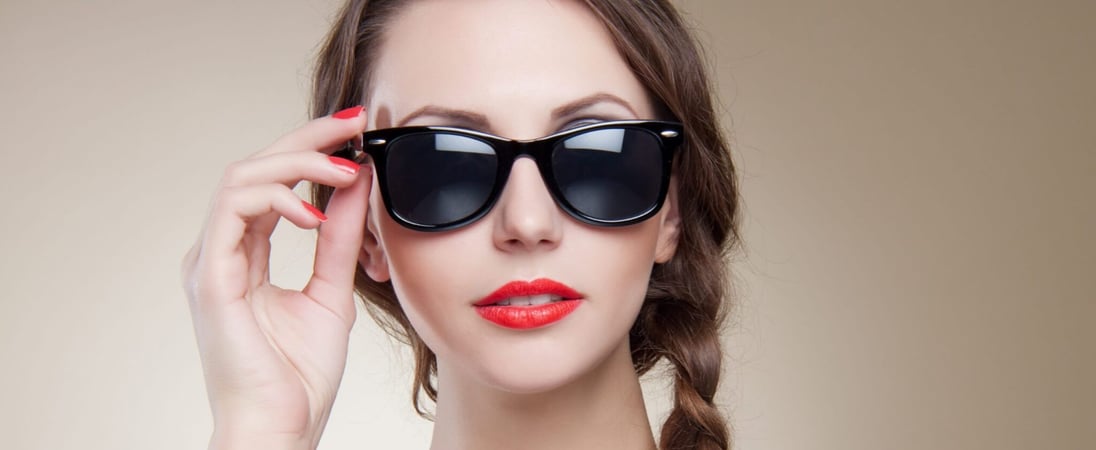
Pop on your favorite sunglasses and protect your eyes from the harsh light of day, protect your forehead from squint-based wrinkles, and look cool doing it.
Elton John has over a thousand pairs, Canadian singer Corey Hart only wears his at night, and you can tell the good guys from the bad guys in The Matrix by the shape of theirs. What is this conversation really about? Sunglasses, of course.
There’s nothing quite as stylish as a pair of shades, so get out those aviators or wayfarers and start celebrating National Sunglasses Day!
How to Celebrate National Sunglasses Day
Wondering about some ways to celebrate National Sunglasses Day in style? Try getting started with some of these plans and ideas:
Wear Sunglasses
Obviously, the first business on the table for National Sunglasses Day is to get out a pair of sunglasses and put them on!
And while just any old pair of sunglasses can help with squinting, certain versions are better for protecting the eyes from harm, including UVA/UVB rays.
Sunglasses can also reduce reflection that could impede vision and certain lenses can also scatter light to keep the eyes in tip-top shape.
Watch Some Sunglasses Icons on the Big Screen
Have some friends over and get inspired for National Sunglasses Day by watching some entertaining films that feature characters who are sporting cool and trendy sunglasses. Try out some of these movie titles for inspiration and fun for the day:
- Top Gun (1986)
- Men in Black (1997)
- Blues Brothers (1980)
- Thelma & Louise (1991)
Get a New Pair of Sunglasses
Celebrate National Sunglasses Day by getting a new pair of sunglasses in enjoyment of the day! Those who need prescription sunglasses can head over to an optician’s office to get measured for the best fit.
Other folks can just pop over to a high end sunglasses store where they can try on all sorts of different styles and colors to see what looks best on them, as well as what will protect their eyes.
One thing to remember is that sunglasses are not just for style, but they may also help protect the eyes from harmful UV light, so channel that inner-cool and slip on those shades in celebration of National Sunglasses Day!
History of National Sunglasses Day
While many people might believe that sunglasses are a fairly modern invention, that would actually be incorrect.
In fact, the history of sunglasses may stretch as far back as 14th century China, where the story goes that judges of the time would use eyewear made of smoke-colored quartz to mask their emotions when listening to cases.
Fast-forward 600 years and modern sunglasses as they are known today began to develop. In the late 19th century, doctors began experimenting with amber or brown tinted lenses on glasses, specifically for people who had syphilis, a symptom of which is sensitivity to light.
It wasn’t until 1929 when mass produced sunglasses were first marketed by entrepreneur Sam Foster on the beaches by the Atlantic City Boardwalk, that they began to be affordable and average people started to use them.
From then, the concept of sunglasses becoming a “cool” style was confirmed and this fashion accessory has just continued to grow in popularity.
From driving vehicles on land to piloting airplanes, sunglasses also allow the operators to not only look cool, but also to be able to have much clearer vision regarding where they are going, acting as a safety precaution for better performance and steering.
National Sunglasses Day got its start as early as 2009 when it was organized by The Vision Council, which is a nonprofit trade association for those in the optical industry. This organization suggested establishing the day to remind people to take good care of the health of their eyes.
And because the longest days of the year happen toward the end of the month of June, it only makes sense that National Sunglasses Day would be scheduled at a time when the eyes are at most risk of damage from the long hours of sunlight.
National Sunglasses Day FAQs
How did sunglasses become a key accessory for spies in the Cold War?
Spies used sunglasses not just to protect their eyes but also as tools of disguise.
Tinted lenses and reflective coatings helped conceal eye movements and expressions. Some even had secret compartments for microfilm or miniature tools, blending style with espionage utility.
Are there any animals that naturally have “sunglasses-like” features?
Some animals, like peregrine falcons, have black markings under their eyes that reduce glare, much like sunglasses.
These natural adaptations improve their vision while hunting in bright sunlight, offering them a built-in advantage.
Why are polarized sunglasses particularly popular among fishermen?
Polarized lenses reduce glare from sunlight reflecting off water, improving visibility below the surface.
Fishermen use them to spot fish and obstacles in the water more effectively, making these sunglasses a practical choice.
What inspired the original shape of aviator sunglasses?
The teardrop shape of aviators mimics the contours of human eyes and faces. This design offers maximum coverage to protect pilots’ eyes from sunlight at all angles during high-altitude flights.
Did sunglasses ever play a role in art movements?
During the mid-20th century, sunglasses became a symbol of modernity in pop art. Artists like Andy Warhol often depicted celebrities wearing bold frames, cementing their place in culture and style.
How do different cultures incorporate sunglasses into traditional events or fashion?
In South Korea, oversized sunglasses are a staple of modern hanbok styling, blending tradition with contemporary trends. In India, they’re often added to wedding photoshoots to create a playful, modern vibe.
What’s the link between sunglasses and sports performance?
Sunglasses designed for athletes, like wraparounds, enhance focus and protect against debris. Sports like cycling, skiing, and baseball benefit from lenses tailored to specific lighting and environmental conditions.
What myths exist about the health benefits of sunglasses?
A common myth is that darker lenses automatically provide better UV protection. In reality, lens material and coatings determine UV-blocking ability, not the tint.
Why do some sunglasses turn dark in bright light?
Photochromic lenses contain molecules that change structure when exposed to UV light, causing them to darken.
This technology is practical for people who move between indoor and outdoor settings frequently.
Are there sunglasses designed for night use?
Night-driving glasses, often yellow-tinted, reduce glare from headlights and streetlights. While they don’t amplify light, they can enhance contrast in low-light conditions.
Also on ...
View all holidays

National Ice Cream Cake Day
Looking for a dessert that combines the creaminess of ice cream with the satisfying crunch of cake? This treat is perfect for you!

National Cream Tea Day
Learn how to make scones and clotted cream, and enjoy your very own British tea time. Gather some friends for afternoon tea on National Cream Tea day.

We think you may also like...
Plaidurday
Timeless fashion and even more timeless warmth, break out your plaid on Plaidurday for a fashionable, cozy day in one of the world’s most popular patterns.

National Bikini Day
Hit the beach or lay out in the sun in your bikini on the anniversary of the invention of this ever-popular two-piece swimsuit in 1946. Don’t forget sunscreen!

National Comfy Day
Wrapping yourself up in a warm cocoon, and snuggling with your favorite book or movie is what makes life worth living.