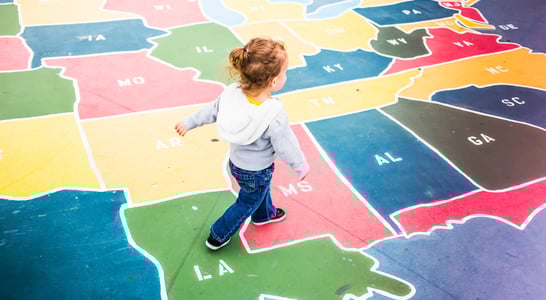
International Day of Education
Imagine a world where every door to knowledge swings wide open, welcoming dreamers, thinkers, and learners of all ages. That’s what the International Day of Education is all about!
This global event emphasizes the power of education to transform lives, build bridges between cultures, and spark innovation and change. It’s not just a day. It’s a vibrant celebration of learning, an ode to the curious minds that shape our future.
As we celebrate International Day of Education, let’s commit to making education accessible and equitable for all, recognizing it as the foundation for a better future for humanity.
International Day of Education Timeline
1948
Universal Declaration of Human Rights
The United Nations General Assembly adopted the Universal Declaration of Human Rights, which for the first time declared education as a fundamental human right in Article 26. This underscored education’s role in promoting individual freedom and empowerment. [1]
1966
International Covenant on Economic, Social and Cultural Rights
Adopted by the United Nations General Assembly, this covenant included provisions on the right to education, committing its signatories to work toward the realization of accessible, equitable education for all at various levels. [2]
1990
World Declaration on Education for All
At the World Conference on Education for All in Jomtien, Thailand, 155 countries pledged to universalize primary education and massively reduce illiteracy by the end of the decade, emphasizing collaborative efforts to address global educational challenges. [3]
History of International Day of Education
This day came into existence on December 3, 2018, when the United Nations General Assembly passed a resolution to celebrate education worldwide.
This resolution marked the beginning of an annual celebration, with the first event taking place on January 24, 2019. The decision underscored education as a cornerstone for achieving global peace and sustainable development, emphasizing its importance across societies and cultures.
This day was created to reassess and promote the value of education in our lives. It serves as a reminder of the educational gaps and challenges facing societies globally.
The International Day of Education, celebrated annually, is a crucial event that highlights education’s power. The day serves as a reminder of the educational disparities that still exist. Millions of children and adults lack access to basic education and literacy. It’s a call to action for civil society and policymakers to ensure that every child has access to quality education.
Each year, the International Day of Education focuses on themes that reflect the current educational priorities and challenges. The theme “Changing Course, Transforming Education” in 2022 highlighted the evolving nature of learning environments and methodologies.
This was especially in response to the digital transformations accelerated by the COVID-19 pandemic. Such themes aim to inspire action and innovation in educational practices around the world, ensuring that education remains accessible to all.
International Day of Education’s themes vary annually, focusing on critical aspects such as inclusivity, equity, and quality in education. For instance, the theme for 2024, “Learning for lasting peace,” emphasizes education’s role in combating discrimination, racism, xenophobia, and hate speech, thereby contributing to creating peaceful societies.
The day encourages global mobilization and investment in quality education, empowering learners to become agents of peace in their communities. This commitment is vital for preparing young people for employment and enabling them to contribute positively to society. The observance of this day also recognizes the shifting paradigms of education, acknowledging the need for adaptive learning methods that meet the demands of the digital age.
It’s essential to recognize education’s role in personal development and societal advancement. Quality education equips individuals with the knowledge, values, attitudes, and behaviors needed to tackle global challenges and contribute to peace and sustainability.
The Role of Technology in Education
The rise of digital technology has fundamentally transformed education, reshaping how knowledge is accessed, shared, and applied. Learning materials are now available globally, allowing individuals to acquire new skills or deepen existing ones regardless of location. Online courses, interactive platforms, and educational apps have made learning more flexible, personalized, and self-paced.
Technology has been especially impactful for learners in remote or underserved areas, where access to quality education was once limited. Digital tools bridge geographical gaps, connecting students to expert instruction and global resources. Emerging technologies such as virtual and augmented reality further enhance learning by creating immersive experiences that simulate real-world environments—something traditional textbooks alone cannot achieve.
Beyond Traditional Classrooms: New Learning Environments
Modern education is no longer confined to the traditional classroom. Alternative learning models—including online schools, homeschooling, hybrid programs, and experiential learning—are becoming increasingly common and widely accepted.
These environments offer greater flexibility and adaptability, allowing learners to study in ways that align with their individual needs, interests, and learning styles. Many emphasize practical application, critical thinking, collaboration, and creativity, equipping learners with skills that are essential for navigating complex, real-world challenges.
Addressing Educational Inequities
Despite significant progress, educational inequality remains a global concern. Access to quality education is still heavily influenced by geography, socio-economic status, gender, and race, leaving millions without equal learning opportunities.
Tackling these disparities requires coordinated global efforts and forward-thinking policies rooted in inclusivity and equity. Sustainable solutions must focus on removing systemic barriers, expanding access to resources, and ensuring that education systems support all learners—regardless of background or circumstance.
Lifelong Learning: Embracing a Continuous Journey
Education does not end with formal schooling; it is a lifelong process. In a rapidly changing world shaped by technological advancement and evolving industries, continuous learning has become essential. Adults increasingly engage in professional development, workshops, online courses, and self-directed study to remain adaptable and relevant.
Promoting a culture of lifelong learning empowers individuals to grow intellectually, professionally, and personally. Societies that value ongoing education foster informed, resilient citizens who are better equipped to contribute meaningfully to their communities.
Sustainability and Education: Preparing for the Future
Education plays a crucial role in promoting sustainability and addressing environmental challenges. By integrating sustainability principles into educational curricula, schools can raise awareness and develop the skills needed to build a more responsible and environmentally conscious society.
Teaching young people about sustainable practices encourages informed decision-making and long-term thinking. In doing so, education helps prepare future leaders to guide communities toward sustainable development and a healthier planet.
How to Celebrate International Day of Education
In celebrating this day, the global community acknowledges education’s role as a fundamental human right. It’s a day to reflect on the progress made in making education inclusive and available to every child and adult worldwide.
To celebrate the International Day of Education, here are several suggestions that can make the day meaningful and impactful:
Donate in Honor of an Educator
Make a donation in the name of a teacher who has positively impacted your life. This gesture not only honors them but also supports educational initiatives.
Engage in Digital Learning
Introduce children to educational apps and websites. These digital resources can be both fun and informative. The lesson subjects can vary from health and the environment to sustainability.
Advocate for Education
Use this day to advocate for quality educational access for all children, especially those in early education. Highlighting the importance of education can inspire others to join the cause.
Support Teachers with Resources
Teachers play a crucial role in education. You can show support by providing them with educational resources that can make their teaching more effective and engaging.
Promote At-Home Learning
Share lists of educational resources like websites, apps, and TV programs that can support learning at home. Encouraging educational activities outside of school can reinforce learning and curiosity.
Facilitate Discussions on Education
In classrooms or at home, initiate conversations about the importance of education. Discussing topics like compulsory education, the benefits of schooling, and educational rights can help raise awareness and appreciation for education.
Why Education Matters: Key Facts That Shape Our World
Education is one of the most powerful forces shaping societies worldwide. Beyond classrooms and degrees, it influences economic prosperity, public health, human rights, and how communities adapt to global challenges. The following facts highlight education’s far-reaching impact, showing why it remains central to global development agendas and international cooperation.
-
Education and Economic Growth
Education is not just a tool for personal development but also a crucial driver of economic growth.
Every additional year of schooling has been found to increase an individual’s income by up to 10%, thereby boosting national productivity and fostering greater economic stability and innovation.
Education’s pivotal role in economic development underscores why it remains a global priority, particularly emphasized in international commitments like the Sustainable Development Goals (SDGs).
-
Education and Global Health
One of education’s most profound impacts on society is its contribution to better health outcomes.
Educated individuals tend to make more informed decisions about their health, leading to decreased mortality rates and improved community health standards.
This correlation between education and health emphasizes the importance of universal access to education in achieving sustainable development.
-
Universal Declaration of Human Rights and Education
The Universal Declaration of Human Rights, adopted in 1948, recognizes education as a fundamental human right under Article 26.
This historical milestone has paved the way for global initiatives aiming to ensure education for all, influencing policy decisions and educational frameworks worldwide.
-
The Role of UNESCO in Education
The United Nations Educational, Scientific and Cultural Organization (UNESCO) has been pivotal in promoting education worldwide since its founding.
Its efforts include coordinating international education initiatives and fostering dialogue among nations to ensure inclusive and equitable quality education for all.
Examples of these initiatives include the Education for All movement and the Global Education Monitoring Report.
-
Education in the Digital Age
The global shift towards digital education, accelerated by the COVID-19 pandemic, has transformed how learning occurs.
This transition presents both opportunities and challenges, such as addressing digital divides and ensuring that technological advancements in education empower rather than marginalize learners.
An estimated 1.5 billion students worldwide faced educational disruption, highlighting disparities in access to digital resources.
FAQs about International Day of Education
International Day of Education FAQs
How does education contribute to global peace and development?
Education fosters global peace by promoting social cohesion, reducing inequalities, and empowering individuals to resolve conflicts peacefully. It supports development by contributing to economic growth, improving health outcomes, and encouraging sustainable practices. The United Nations recognizes education as essential for achieving sustainable development. [1]
How do educational approaches differ between high-income and low-income countries?
High-income countries typically integrate technology and prioritize critical thinking and creative learning within their curricula. In contrast, many low-income countries face challenges such as limited resources, leading to a focus on basic literacy and standardized testing. These disparities also affect access to and quality of education. [2]
What role does language of instruction play in education? The language of instruction greatly influences educational access and outcomes. Countries using students’ mother tongues in primary education often see improved comprehension and engagement, while those imposing foreign languages may encounter barriers in learning and participation. Language policy is a critical factor in educational design globally.
The language of instruction greatly influences educational access and outcomes. Countries using students’ mother tongues in primary education often see improved comprehension and engagement, while those imposing foreign languages may encounter barriers in learning and participation. Language policy is a critical factor in educational design globally. [3]
How does education contribute to gender equality?
Education is a key driver of gender equality. Educating girls leads to higher economic growth, improved family health, and greater community well-being. It empowers women, reduces gender disparities in employment, and promotes equity across all levels of society. The global push for education emphasizes closing gender gaps in education access. [4]
How can technology bridge educational gaps?
Technology can bridge educational gaps by providing access to quality learning resources and enabling remote education, especially in underserved areas. Digital tools facilitate personalized learning and can address disparities in educational access, though issues like connectivity and digital literacy remain challenges in many regions. [5]
Also on ...
View all holidays
National Peanut Butter Day
Spread this creamy, nutty treat far and wide, experiment with mouthwatering recipes or tuck into a classic peanut butter and jelly sandwich.

Global Belly Laugh Day
Discovering the magic that a good chuckle brings, not just to the mood but also to overall well-being, reminding everyone of life's joyful side.

National Lobster Thermidor Day
That exquisite, creamy creation — a culinary masterpiece, crowned with a golden crust, bringing the ocean's delight to the table.

National Beer Can Appreciation Day
Raise a toast to the unsung hero of your backyard BBQs, the trusty vessel that keeps your brew ice-cold and endlessly refreshing.
We think you may also like...

World Tuberculosis Day
Honoring the relentless human spirit in the face of a formidable adversary, a disease that has shaped history and medical progress.

National College Colors Day
Wear the colors of your favorite school sports team to show your support and loyalty as a fan, and let others know where your loyalties lie.