International Plant Appreciation Day
International Plant Appreciation Day is all about taking a moment to really see the plants around us.
Not just the big, leafy ones in parks or gardens, but also the quiet little greens on windowsills, the vines crawling up fences, and the herbs sprouting in kitchen pots.
They don’t ask for much, yet they give so much back: shade on a hot day, cleaner air to breathe, a splash of color in gray places, and even a kind of calm that is hard to explain until someone has sat near a thriving plant for a while. This day nudges people to slow down, look closer, and feel a little more connected to the natural world.
Plants do more than just sit around looking pretty. They build the foundation of most life on land, turning sunlight into energy and releasing oxygen through photosynthesis. They help manage water by slowing rainfall, reducing runoff, and improving how soil absorbs moisture.
Roots hold soil together, which can reduce erosion and help landscapes recover after storms. Leaves and stems create shelter and food for insects, birds, and other wildlife, including the pollinators that make many fruits and vegetables possible.
Every apple, every cup of tea, every slice of bread, and every comforting bowl of soup owes a debt to plants. So do everyday materials people may not think about, like cotton, wood, paper, natural rubber, and many plant-based dyes and fragrances.
Even medicine cabinets have a bit of greenery in their roots, since a wide range of treatments have been discovered through studying plant compounds and traditional plant use. When people pay attention to plants, they’re also paying attention to their own health, comfort, and future.
International Plant Appreciation Day also highlights something simple but powerful: noticing plants changes the way a person moves through the world. A sidewalk crack with a determined sprout becomes less of a flaw and more of a tiny survival story.
A tree canopy becomes a cooling system, a habitat, and a quiet neighbor. Appreciation grows into curiosity, and curiosity often turns into better care.
How to Celebrate International Plant Appreciation Day
International Plant Appreciation Day offers a wonderful opportunity to connect with nature. Here are some engaging ways to celebrate and deepen your bond with the plant world.
Share the Green
Gifting a plant can brighten someone’s day and bring a touch of nature into their space. Choose a low-maintenance variety like a succulent or peace lily.
A thoughtful plant gift starts with matching the plant to the person. Someone with a bright window might enjoy a pothos or spider plant that grows quickly and forgives the occasional missed watering. Someone with less natural light may do better with a cast-iron plant or a ZZ plant.
Including a small note with basic care tips can make the gift feel friendly instead of intimidating. A simple “bright, indirect light” and “water when the top inch of soil feels dry” can save a plant’s life.
Sharing the green can also mean sharing cuttings. Many common houseplants root easily in water or moist potting mix. Passing along a cutting is like sharing a living postcard, and it comes with a built-in story: “This plant started on my shelf, and now it gets to live on yours.” It’s a small act that spreads plant confidence from one home to another.
Start a Garden
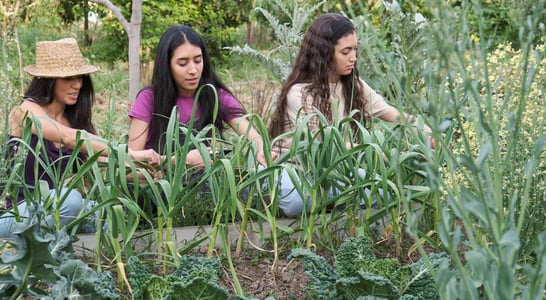
Planting your garden, whether in a backyard or on a windowsill, allows you to experience the joy of nurturing life. Begin with easy-to-grow herbs or vegetables.
For beginners, the best gardens are the ones that fit real life. A few pots on a balcony or a handful of containers by a door can be more successful than a large plot that becomes overwhelming.
Herbs like basil, mint (best kept in its own container), parsley, and chives offer quick rewards. Leafy greens and radishes tend to grow fast, which is helpful for new gardeners who want visible progress.
Starting a garden is also a chance to work with local conditions rather than against them. Sun exposure matters more than almost anything else. “Full sun” usually means several hours of direct light. If a space is shady, it may still support plants that prefer gentler light.
Watering is another common stumbling block. Many plants suffer more from overwatering than underwatering, especially in containers without good drainage. A pot with a drainage hole, a saucer, and a habit of checking soil moisture with a finger can prevent a lot of heartbreak.
Those who want to go a step further can plant with wildlife in mind. Even a small patch of flowers can provide nectar and pollen for bees and butterflies. Choosing a mix of blooms that open at different times creates a longer buffet. A garden doesn’t have to be perfect to be meaningful. It just has to be alive.
Visit a Botanical Garden
Exploring a local botanical garden can expose you to a diverse range of plant species. These gardens often showcase plants from different climates and regions.
It’s an educational and relaxing way to spend the day, and it can feel like traveling without packing a suitcase. One path might pass through desert plants with clever water-storing stems, while another leads into a humid house filled with ferns and orchids.
Botanical gardens often label plants clearly, which makes them excellent places to learn names and notice details like leaf shapes, bark textures, and growth habits.
Many public gardens also work behind the scenes on conservation. Some participate in seed banking, propagation of rare plants, or habitat restoration projects. Others demonstrate sustainable gardening practices like water-wise planting, composting, and integrated pest management, which emphasize prevention and minimal chemical use.
Visiting with a notebook or taking photos (where allowed) can help a person remember plants they loved and recreate the feeling at home with suitable alternatives.
For anyone who thinks they “don’t know anything about plants,” a botanical garden is a gentle teacher. It’s hard to stand near an ancient-looking tree fern or a massive water lily and not feel a spark of wonder.
Educate Yourself
Reading books or articles about plants can deepen your understanding of their importance. Learn about native species, their roles in ecosystems, and how to care for them.
Plant knowledge becomes more interesting the more practical it gets. Learning to read a plant’s signals is a useful skill: drooping leaves can indicate thirst, but they can also show stress from too much water or heat.
Yellowing leaves might be a nutrient issue, a watering issue, or simply the normal aging of older leaves. Understanding that plants have “preferences” and not “personalities” helps, too. A cactus is not being stubborn; it is designed for a different rhythm than a fern.
Education can also focus on the invisible world around plants. Soil is not just dirt. Healthy soil contains organic matter and a busy community of microorganisms that help cycle nutrients.
Composting kitchen scraps and yard waste is one of the simplest ways to return nutrients to the ground and reduce waste. Even houseplants benefit from occasional refreshes, such as top-dressing with compost or repotting when roots crowd the pot.
Learning about native plants can change how a person sees landscaping. Native species often support local insects and birds more effectively than many ornamental imports, because wildlife and plants coevolved together. Plant appreciation expands when people realize that a “pretty” yard can also be a functioning habitat.
Support Reforestation
Contributing to tree-planting initiatives helps combat deforestation and climate change. Organizations worldwide work to restore forests and plant trees in areas that need them most. Your support can make a tangible difference.
Supporting reforestation can mean donating, volunteering, or advocating for greener community planning. Trees store carbon, cool neighborhoods through shade and evaporation, and offer nesting sites and food for wildlife. They also improve everyday comfort by reducing wind and buffering noise. But planting trees well is as important as planting trees often.
A thoughtful approach considers the right tree for the right place. In many regions, native or well-adapted species are more likely to thrive and support biodiversity. Planting a tree where it has room to mature prevents future conflicts with buildings, sidewalks, and power lines.
Young trees need consistent care at the start, including deep watering, protection from damage, and sometimes mulching to keep soil moisture steady. A tree planted without a plan can struggle, while a tree planted with follow-through can become a community fixture for generations.
People who don’t have space for trees can still support greener cities and towns by encouraging the care of existing trees. Mature trees are especially valuable because they already provide significant shade and habitat. Protecting what’s already growing is a form of plant appreciation that often gets overlooked.
International Plant Appreciation Day Timeline
300 BCE
Theophrastus Founds Scientific Study of Plants
Greek philosopher Theophrastus writes “Enquiry into Plants” and “On the Causes of Plants,” systematically describing plant forms, classification, and uses, earning him the title “father of botany.”
1545
First University Botanic Garden in Padua
The University of Padua in Italy established the Orto botanico di Padova as a living collection for teaching medicinal plants, a model for later botanical gardens worldwide.
1671–1675
Microscopes Reveal Hidden Plant Structures
Using early microscopes, Marcello Malpighi and Nehemiah Grew published detailed studies of plant tissues, founding plant anatomy and transforming how scientists understand plant structure.
1771–1779
Key Experiments Uncover Photosynthesis
Joseph Priestley and Jan Ingenhousz show that plants restore “injured” air and require light to do so, laying crucial groundwork for the concept of photosynthesis.
1842–1875
From Plant Nutrition to Photosynthesis Theory
Julius von Sachs links starch formation to light and chlorophyll, while earlier work by Nicolas de Saussure clarifies plant nutrition, helping establish the modern theory of photosynthesis.
1840–1860s
Kew Gardens Becomes a Global Botanical Hub
Royal Botanic Gardens, Kew, has developed into an international center for plant collection, taxonomy, and public display, influencing plant science and conservation worldwide.
1951
International Plant Protection Convention Adopted
Countries sign the International Plant Protection Convention to coordinate global efforts against plant pests, recognizing the vital role of healthy plants in food security and ecosystems.
History of International Plant Appreciation Day
International Plant Appreciation Day began in 2018, started by the American Public Gardens Association. Their goal was to raise awareness about the importance of plants in everyday life.
They also wanted to encourage more people to connect with nature through local gardens and green spaces. Public gardens, botanical gardens, arboreta, and similar institutions have long been places where plant knowledge is shared, where rare species are protected, and where people can simply wander among living collections. Creating a dedicated day helped spotlight that work and invite more people into it.
Since then, the event has grown steadily, reaching more countries and communities each year. Its message travels well because it is simple: plants are not background scenery. They are essential partners in daily life, from the food on a plate to the air in a room.
People use this day to pause and notice the plants around them. Some visit public gardens, others plant something new at home.
Many take time to learn how plants help clean the air, hold soil in place, and provide food. On a larger scale, plants shape climate and landscapes. Forests influence rainfall patterns. Wetland plants filter water and provide storm protection. Grasslands store carbon in deep root systems. Even in cities, street trees and pocket parks can reduce heat and make neighborhoods feel more livable.
It’s not just about pretty flowers. It’s about survival, balance, and health. Plant appreciation can also be surprisingly personal. Caring for a plant teaches patience and observation. It rewards consistency more than intensity. A little water at the right time beats a dramatic rescue attempt after weeks of neglect. That lesson tends to stick, and it often spills into other parts of life.
This day reminds us that we share the planet with living things that quietly do a lot. From big trees to tiny moss patches, each plant plays a role. They support bees, shelter birds, and even reduce stress for people.
Studies on nature exposure and mental well-being often point in the same direction: greener surroundings can support mood, attention, and a sense of restoration. A plant-filled room or a walk under trees is not a cure-all, but it can be a genuine comfort.
Learning to value plants helps people make better choices for the planet. That can show up in small, practical decisions: choosing plants that fit a space instead of forcing a poor match, using water wisely, avoiding invasive species that can outcompete local ecosystems, and being mindful about pesticides that may harm beneficial insects.
It can also show up as curiosity about where products come from, how crops are grown, and how land is managed.
International Plant Appreciation Day keeps growing in popularity. Schools, parks, and gardens often organize events to mark the occasion.
Educational programs might involve hands-on planting, seed-starting demonstrations, or guided walks that teach plant identification and ecology. Community groups may host plant swaps, where people trade cuttings, seeds, and starter plants.
Some gardens highlight behind-the-scenes work like propagation, greenhouse care, and the careful record-keeping required to maintain living collections. For children, plant-focused activities can turn science into something tangible, because a seed turning into a sprout is a lesson that doesn’t need a screen.
Whether someone joins a local event or simply waters a plant at home, it’s all part of the same message: plants matter. Appreciation does not require expert knowledge or a big garden. It can begin with noticing a leaf’s pattern, learning a plant’s name, or understanding why a certain tree thrives on one street and struggles on another.
International Plant Appreciation Day makes space for that kind of attention, the kind that turns “just a plant” into a living, working piece of the world.
Remarkable Facts About Plants and Their Role on Earth
Plants quietly shape life on Earth in ways that are both powerful and easy to overlook.
From producing the oxygen people breathe to supporting global food systems, biodiversity, and even modern medicine, plants form the foundation of many natural processes that sustain life.
These fascinating facts highlight just how deeply human survival and the health of the planet depend on the plant world.
-
Plants Created Earth’s Oxygen-Rich Atmosphere
Over hundreds of millions of years, photosynthetic plants and algae transformed Earth’s atmosphere from one with little free oxygen into the oxygen-rich air humans depend on today.
Modern land plants alone are estimated to fix about 60 gigatons of carbon annually through photosynthesis, helping regulate both oxygen and carbon dioxide levels in the atmosphere.
-
Most of Humanity’s Food Comes from a Handful of Plant Species
Although there are more than 7,000 edible plant species, just three cereal crops—rice, wheat, and maize—provide about 42 percent of all calories in the human diet.
This heavy reliance on a small number of plant species makes global food systems productive but also vulnerable to pests, diseases, and climate change.
-
Plants Are the Foundation of Terrestrial Biodiversity
Vascular plants form the base of most land-based food webs, and their diversity strongly shapes the richness of other life forms.
Studies across continents show that areas with higher plant diversity support more species of insects, birds, and mammals, because plants provide the primary energy source, habitat structure, and microclimates that other organisms depend on.
-
Many Modern Medicines Trace Back to Plants
A large share of modern drugs is derived from, or inspired by, plant compounds.
For example, the pain reliever aspirin was developed from salicin in willow bark, the cancer drugs vincristine and vinblastine come from Madagascar periwinkle, and the heart medicine digoxin originates from foxglove.
The World Health Organization estimates that around 11 percent of essential medicines are exclusively of plant origin.
-
Indoor Plants Can Improve Mental Wellbeing
Research in hospitals, offices, and homes has found that simply being around potted plants can lower stress and improve mood. Experimental studies show that people performing tasks in rooms with plants report lower levels of anxiety and fatigue, and some clinical settings associate views of greenery with faster recovery and reduced need for pain medication.
-
Seed Banks Safeguard Plant Diversity for the Future
To protect plants from extinction, scientists store seeds in specialized seed banks where they are dried, frozen, and periodically tested for viability.
The Svalbard Global Seed Vault in Norway, for example, holds backup samples of more than one million seed varieties from gene banks around the world, serving as a global insurance policy for agriculture and wild crop relatives.
-
Plants Are Central to Many Spiritual and Cultural Traditions
Across cultures and religions, specific plants hold deep symbolic and ritual meaning.
The sacred fig (Ficus religiosa) is venerated in Buddhism and Hinduism, olive branches symbolize peace in Mediterranean traditions, and corn (maize) is central to cosmology and ceremonies among many Indigenous peoples of the Americas.
These cultural roles shape how societies value and protect certain plant species.
International Plant Appreciation Day FAQs
How do plants actually help clean the air?
Plants absorb carbon dioxide during photosynthesis and release oxygen, which helps maintain the balance of gases in the atmosphere.
Many species can also take up certain air pollutants through their leaves and roots, including ozone, nitrogen dioxide, and some volatile organic compounds.
In cities, trees and shrubs reduce particulate pollution by trapping fine dust and soot on leaf surfaces, which is later washed away by rain.
While indoor houseplants have only a modest impact on air quality in typical homes, large numbers of plants in green spaces and urban forests contribute meaningfully to cleaner air at a community scale.
Why are plants so important for healthy soil?
Plant roots help bind soil particles together, which reduces erosion by wind and water.
Their root systems create channels that improve soil structure, allowing air and water to move more easily through the ground.
When leaves, stems, and roots decompose, they add organic matter to soil, which boosts fertility, improves water-holding capacity, and supports a diverse community of microbes and fungi.
Deep-rooted plants can also bring up nutrients from lower layers of soil, making them available to other organisms at the surface.
How do plants support biodiversity and wildlife?
Plants form the foundation of most terrestrial food webs, providing energy in the form of leaves, seeds, fruits, and nectar.
Different species offer specific habitats for insects, birds, mammals, and microorganisms, from nesting sites in tree cavities to shelter under dense groundcover.
Native plants, in particular, often have long coevolutionary relationships with local pollinators, herbivores, and soil organisms, so their presence helps sustain specialized species that cannot thrive on nonnative vegetation alone. B
y maintaining a variety of plant types and structures, ecosystems can support a much wider range of wildlife.
What role do plants play in global food security?
Plants are the primary source of human food, whether eaten directly as grains, fruits, vegetables, and legumes, or indirectly as feed for livestock and aquaculture.
A relatively small number of staple crops, such as rice, wheat, and maize, supply the majority of the world’s calories, which makes global food systems vulnerable to pests, diseases, and climate change.
Conserving crop diversity, including traditional and wild varieties, helps safeguard traits like drought tolerance or pest resistance that breeders can use to improve future harvests.
Sustainable management of plant resources is therefore central to reducing hunger and building resilient food systems.
How have plants shaped traditional medicine around the world?
For thousands of years, communities on every continent have used local plants to treat pain, infections, digestive problems, and many other conditions.
Many modern drugs originate from these traditional remedies, such as aspirin from willow bark, the anticancer drugs vincristine and vinblastine from Madagascar periwinkle, and the heart medication digoxin from foxglove.
Even today, a large share of pharmaceuticals is derived from or inspired by plant compounds. Because many potentially useful species grow in threatened habitats, conservation of plant diversity is closely linked to the future of medicine.
Do plants really affect mental health and stress levels?
Research shows that spending time around plants and green spaces is associated with reduced stress, lower blood pressure, and improved mood.
Views of trees and landscapes from windows can speed up recovery in some patients, and even short walks in parks have been linked to better attention and reduced anxiety.
Indoor plants may also contribute to a sense of calm and improved well-being, partly by providing a connection to nature in built environments.
While plants are not a substitute for medical care, they are increasingly recognized as a simple, supportive tool for mental health. [1]
How is climate change affecting plants, and why does that matter?
Rising temperatures, shifting rainfall patterns, and more frequent extreme weather events are changing where and how plants can grow.
Some species are moving to higher altitudes or latitudes, while others face greater risk from drought, heat waves, or new pests and diseases.
These changes can disrupt flowering times, pollination, and seed production, which in turn affect animals and people who depend on those plants for food and habitat.
Because plants store large amounts of carbon, the loss or degradation of forests, grasslands, and wetlands can also accelerate climate change by releasing additional greenhouse gases. [2]
Also on ...
View all holidays
National Scrabble Day
Put the phones away, break out a board, grab some friends or family and engage in one of the world’s most popular word games on National Scrabble Day.

International FND Awareness Day
Learn and raise awareness about FND, or Functional Neurological Disorder, a poorly understood and rarely talked about disorder affecting many.


We think you may also like...

Fresh Veggies Day
Head to a farmer’s market, U-Pick veggie field, or even your own backyard garden and see what delicious and nutritious meals you can make with fresh veggies.
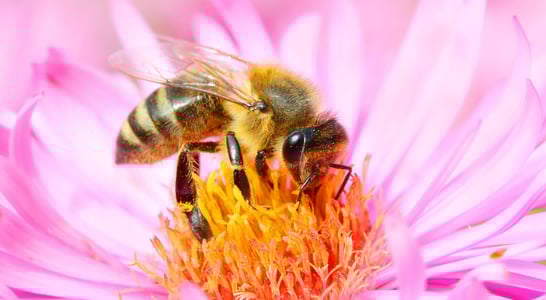
World Honey Bee Day
These little creatures are nature's buzzworthy superstars! They're responsible for pollinating a third of our food supply and creating delicious honey.