Maple Syrup Saturday
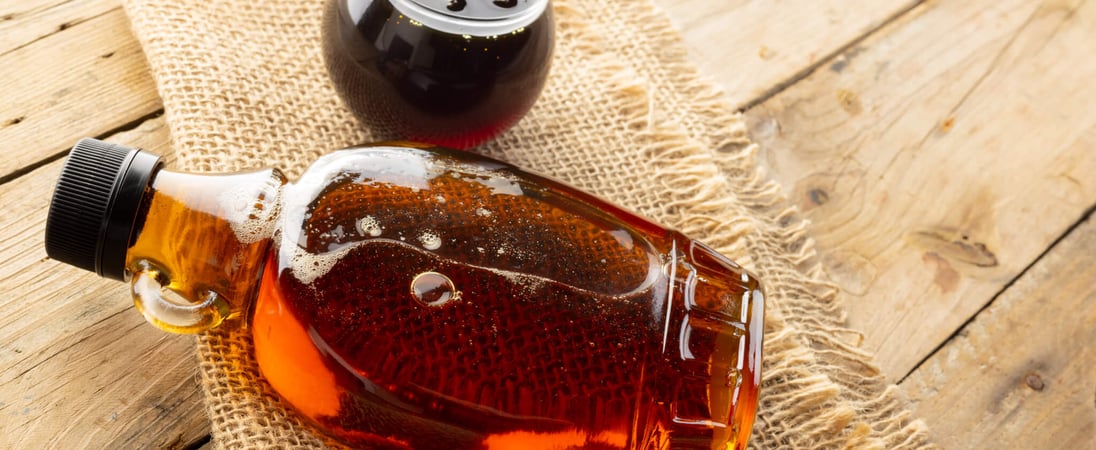
Have you ever wanted to see how maple syrup goes from tree to table? Maple Syrup Saturday offers just that, starting with a cozy breakfast of pancakes topped with fresh, local syrup.
This family-friendly event allows visitors to walk through the syrup-making process. Along the way, participants can “adopt” a bucket, letting them collect sap from a tapped maple tree—making nature’s sweetness personal.
As the day wraps up, guests enjoy maple-infused treats like syrup-drizzled ice cream, blending learning with deliciousness.
The event supports conservation efforts at nature preserves like Wisconsin’s Bubolz, making it a celebration with purpose.
Maple Syrup Saturday Timeline
c. 1609
Champlain Records Indigenous Maple Sugaring
Samuel de Champlain notes that Indigenous people in the St. Lawrence Valley tap maple trees and boil the sap into sugar, providing one of the earliest European written accounts of maple sugaring.
1790
Manuals Promote Tapping with Spiles
By the late 18th century, New England agricultural manuals recommend drilling small holes and inserting wooden or metal spouts instead of cutting large gashes, improving sap yields and tree health.
Early 1800s
Sugarhouses Spread Across Northeastern Farms
With the adoption of cast iron kettles and later flat pans for boiling sap, farmers in the northeastern United States and eastern Canada begin building dedicated “sugarhouses” or “sugar shacks” for maple production.
1860
Commercial Evaporator Patented
Vermont inventor David Bruce patents a shallow, segmented evaporating pan in 1860, a key innovation that speeds boiling and becomes the model for modern commercial maple syrup evaporators.
1960s
Plastic Tubing Networks Modernize Collection
Maple producers begin installing plastic tubing systems that connect tapped trees and carry sap directly to central tanks, sharply reducing labor and enabling much larger sugarbush operations.
How to Celebrate Maple Syrup Saturday
Looking to celebrate Maple Syrup Saturday in delicious style? Here are some fun ways to make the day memorable and maple-filled.
Pancake Feast at Home
Kick off the morning with a homemade pancake feast. Stack them high and drizzle with real maple syrup, maybe even adding a sprinkle of powdered sugar or a handful of berries.
For a twist, try maple syrup over waffles or French toast. The rich, caramel notes of maple add a delicious start to your day.
Host a Maple Syrup Tasting
Why not hold a maple syrup tasting? Pick up different varieties, like light, amber, and dark syrups, and sample each.
Notice how their flavors range from sweet and buttery to bold and caramelized. Try them over vanilla ice cream, yogurt, or even in your coffee for a unique treat.
Tap into Nature
Find a local nature preserve or park hosting a maple syrup tapping demo. Many offer guided tours of the syrup-making process, from tree tapping to boiling sap down to syrup.
These demos often feature tastings, so you get a firsthand look and taste of maple magic.
Adopt a Bucket
Join the fun by adopting a sap bucket at a local maple syrup farm or festival. Some places let visitors attach a personalized bucket to a tree for the season.
It’s a great hands-on activity, perfect for families wanting to learn about the syrup-making process up close.
Make Maple Treats
End the day by creating maple-inspired treats in your kitchen. Try baking cookies or bars that feature maple as the star flavor.
Maple syrup also makes a unique addition to salad dressings or glazes for meats, bringing a touch of sweetness and depth to your meals.
History of Maple Syrup Saturday
Maple Syrup Saturday began around the early 2000s, initiated by the Bubolz Nature Preserve in Appleton, Wisconsin. With a mission to celebrate the start of maple syrup season, this event invites the public to learn about the maple syrup-making process firsthand.
The day offers more than just syrup tastings. Participants can join a pancake breakfast served with locally made syrup and embark on a tour of the preserve’s “Sugar Shack,” where the maple magic happens.
An especially popular activity, “Adopt-A-Bucket” allows visitors to adopt a tree and collect sap, creating a hands-on experience that deepens the connection with nature.
Held annually, Maple Syrup Saturday has grown in popularity, reflecting a renewed interest in local food traditions and sustainable practices.
It now serves as a key event for the Bubolz Preserve, both as an educational platform and a fundraiser that helps sustain its year-round programs. Each year, visitors are encouraged to join in the celebration, making lasting memories while learning about this unique process.
Through this event, the preserve shares a centuries-old tradition in a modern setting, allowing families to experience nature and the steps involved in creating maple syrup. As the event continues, it reinforces a commitment to both nature and community, making Maple Syrup Saturday a spring tradition worth celebrating.
Facts About Maple Syrup Saturday
Indigenous Maple Sugaring Was a Seasonal Community Event
Long before European settlers arrived, Indigenous peoples in northeastern North America organized late-winter maple sugaring as a communal activity, not just a food chore.
For example, Abenaki and other Algonquian-speaking peoples moved seasonally to “sugar camps,” where families tapped maples, gathered sap in bark or wooden containers, and boiled it down into sugar that could be stored and traded.
These gatherings had social and spiritual dimensions, tying the end of winter to gratitude ceremonies and storytelling around the sugaring fires.
Maple Trees Need a Narrow Climate Window to Produce Sap
Commercial maple syrup relies on a very specific pattern of late-winter weather: nights below freezing and days just above.
This freeze–thaw cycle creates pressure changes inside sugar maples that drive sap out of tap holes.
As the climate warms, scientific and government reports have noted that this critical temperature window is shifting northward and becoming less predictable, which could shorten or disrupt future maple seasons in traditional production areas.
It Takes Roughly 40 Gallons of Sap to Make 1 Gallon of Syrup
Raw maple sap is mostly water, with only about 2 percent sugar in an average sugar maple tree. To turn it into syrup at the legally defined 66 to 67 percent sugar concentration, producers must evaporate off the vast majority of the water.
Agricultural educators often summarize this as a 40‑to‑1 ratio, though the exact number can vary with tree, season, and technology, which helps explain why pure maple syrup is far more resource-intensive than table sugar.
Quebec Produces the Vast Majority of the World’s Maple Syrup
Modern maple production is heavily concentrated in one region: Quebec accounts for about 90 percent of all Canadian maple output.
In 2025, Statistics Canada reported that Canada produced 18.9 million gallons of maple products, with Quebec alone responsible for 17 million gallons. Industry analyses note that this makes the province by far the dominant player in global maple syrup supply.
Vermont Dominates Maple Syrup Production in the United States
Within the United States, maple sugaring is a regional specialty, and Vermont stands out as the clear leader.
An industry outlook from Farm Credit East estimates that the U.S. produced just under 6 million gallons of maple syrup in 2025, and Vermont regularly contributes about half or more of that total.
This concentration reflects both favorable climate and a long-established farm and tourism culture built around sugaring.
The Maple Industry Has Expanded Rapidly Since the 1980s
Far from being a stagnant heritage craft, maple syrup production has grown significantly in recent decades.
A 2025 review in Frontiers in Sustainable Food Systems found that both Canada and the United States have seen marked increases in maple output since the early 1980s, driven by improved tubing systems, vacuum technology, reverse osmosis, and strong export demand.
This technological shift has allowed producers to gather more sap per tree and per acre while using less fuel per gallon of syrup.
Maple Syrup Has Become a Billion‑Dollar Global Market
Pure maple syrup may be rooted in small sugar shacks, but it now supports a substantial international business.
Market researchers estimate the global maple syrup market value in the mid‑2020s at around 1.6 to 1.7 billion U.S. dollars, with forecasts of steady growth as consumers seek natural sweeteners and specialty flavors.
That economic weight helps sustain rural communities in maple regions and encourages continued investment in sustainable forest management.
Maple Syrup Saturday FAQs
Did maple syrup really start with Native Americans?
Yes! Native American tribes were the first to tap trees for sap. The Iroquois, for instance, would make small V-shaped cuts in maple trees to gather sap.
They boiled it down in hollowed logs by dropping heated stones into the liquid, creating the sweet syrup.
Some legends even tell of a chief’s wife accidentally boiling sap instead of water, discovering maple syrup by chance.
Why do some people call maple syrup “liquid gold”?
Maple syrup’s labor-intensive process and seasonal availability make it precious, much like gold.
Producing just one gallon requires about 40 gallons of sap and several hours of boiling.
Plus, sap flows only during specific weather conditions—cold nights and warm days in early spring. This limited harvesting season makes it a rare treat, boosting its value and giving it the nickname “liquid gold.”
What’s the difference between Canadian and U.S. maple syrup?
Both countries produce delicious maple syrup, but Canada’s syrup production is heavily regulated.
This ensures specific standards, especially in Quebec, where over 70% of the world’s supply is made.
Meanwhile, U.S. producers often have more flexibility in production and grading, leading to subtle flavor differences. Canadian syrup often has a stronger maple flavor due to these regulations.
Are there any unusual traditions involving maple syrup?
Yes! In parts of Quebec, people celebrate with “sugar shacks” (cabanes à sucre), where maple sap is boiled, and families feast on maple-infused foods like baked beans and ham.
Another tradition involves making “tire d’érable” or maple taffy by pouring hot syrup over snow, creating a chewy candy as it cools.
Why is maple syrup more expensive than honey or sugar?
Maple syrup production requires time, specific weather, and many resources. Sap harvesting happens in early spring, with each tap yielding just a few gallons of sap.
Farmers also need large amounts of wood or fuel for boiling. This seasonal, resource-heavy process drives up the cost compared to honey or sugar.
Do maple trees grow anywhere besides North America?
Yes, but only a few other places! Japan has species of maple trees, but they don’t produce syrup.
Canada and the northern United States have ideal weather for sugar maples, which need freezing nights and warmer days to produce sap.
Small amounts of maple syrup are also made in South Korea, where the sap is consumed as a health drink rather than boiled into syrup.
What’s the most unusual use of maple syrup?
People use maple syrup for more than pancakes! Some add it to whiskey as a natural sweetener, while others use it in hair masks for shine.
In Vermont, there’s even maple syrup soda! This syrup’s unique flavor and sweetness make it popular in many unexpected recipes.
Are there maple syrup myths people believe?
One myth is that darker maple syrup is less pure. In reality, syrup color depends on when sap is harvested.
Early-season sap yields lighter syrup, while late-season sap produces a darker, richer flavor. Another myth?
That syrup is made by drilling deep into the tree. Taps actually only go about two inches deep, which doesn’t harm the tree.
Is it true that maple syrup can freeze?
Surprisingly, yes! Maple syrup contains enough water to freeze, though it needs very low temperatures—around -18°C (0°F).
When frozen, it expands, so it’s best stored in smaller containers. The syrup’s flavor and texture remain fine after thawing, making it convenient for long-term storage.
How did early settlers learn to make maple syrup?
Native Americans shared their syrup-making methods with European settlers, who refined the process.
Early settlers drilled holes, added spouts, and used large iron pots to boil the sap. By the 1800s, they developed sugarhouses for better production, influencing the commercial syrup industry we know today.
Also on ...
View all holidays
Plant Power Day
Delicious creations from nature's bounty, plates filled with vibrant colors and enticing flavors that fuel the body and support the planet.
National Cereal Day
Start your day off right with a bowl of crunchy goodness, complete with milk and your favorite fruits. It's breakfast time!

Open Data Day
A wellspring of knowledge, freely shared, powering innovation, transparency, and progress in our interconnected world.
We think you may also like...
National Rice Pudding Day
Try your hand at making your own rice pudding, a sweet, subtly-flavored dessert that is easy to make with just rice, milk, eggs, sugar, vanilla, raisins, and cinnamon.
National Creamsicle Day
Savoring that perfect blend of citrus and cream on a hot day — a frozen treat that's like sunshine on a stick.
National Cherry Cheesecake Day
A classic combination of graham cracker crust, rich cheesecake filling, and sweet cherry topping — a delicious treat!