
MeatOut Day
MeatOut Day encourages people to skip meat and explore plant-based alternatives.
It highlights the environmental and health benefits of eating less meat and promotes a shift towards more sustainable and compassionate food choices.
Many participants see it as a chance to experience the variety and richness of plant-based meals.
Beyond personal health, this event underscores the environmental importance of reducing meat consumption. Animal farming contributes significantly to greenhouse gas emissions, deforestation, and water pollution.
MeatOut Day Timeline
1847
First American Vegetarian Organization
The American Vegetarian Society forms in New York, promoting abstention from flesh foods for health and moral reasons and laying groundwork for later meat-reduction movements.
1906
The Jungle Exposes Industrial Meat
Upton Sinclair’s novel “The Jungle” reveals brutal conditions in Chicago’s stockyards, helping spur public distrust of industrial meat and leading to U.S. meat inspection reforms.
1944
“Vegan” and the Vegan Society Are Founded
In Britain, Donald Watson coins the word “vegan” and establishes the Vegan Society, defining a diet and philosophy that exclude animal products and inspiring later global vegan advocacy.
1960
American Vegan Society Launches
Jay Dinshah founds the American Vegan Society in New Jersey, promoting a strictly plant-based diet and ethical nonviolence, helping introduce vegan ideas to a wider U.S. audience.
1971
“Diet for a Small Planet” Links Meat and Environment
Frances Moore Lappé’s influential book argues that meat-centered diets waste resources and contribute to hunger, popularizing the idea that plant-based eating benefits the planet.
1979
Brundtland Commission and Sustainable Development
The UN establishes the World Commission on Environment and Development, whose later report “Our Common Future” highlights unsustainable resource use and helps frame livestock’s environmental impact.
2006
“Livestock’s Long Shadow” Quantifies Meat’s Impact
The UN FAO report “Livestock’s Long Shadow” concludes that livestock production significantly contributes to greenhouse gases, deforestation, and water pollution, strengthening scientific arguments for eating less meat.
How to Celebrate MeatOut Day
Choosing plant-based foods, even for a single day, helps reduce this environmental burden.
People who join the Meatout movement learn how simple dietary changes can lead to meaningful improvements for the planet and future generations.
Celebrating MeatOut Day can be fun and creative. Whether you’re a seasoned vegan or just curious, there are plenty of ways to join in the festivities. Here are some ideas to get most of the day!
Cook Up a Vegan Feast
Turn your kitchen into a plant-based paradise. Try out new vegan recipes or give a veggie twist to your favorite dishes.
Whip up a hearty lentil stew or experiment with tofu tacos. You might surprise yourself with how tasty a meat-free meal can be.
Host a Meat-Free Potluck
Gather friends and family for a potluck, but with a twist—everything must be plant-based. Each guest can bring a vegan dish, creating a spread that will showcase the endless variety of meatless options.
It’s a fun way to try new foods and spark conversations about plant-based eating.
Try a Local Vegan Restaurant
Support your local vegan spots by dining out for the day. Many cities have amazing plant-based eateries, offering everything from comfort food to gourmet dining.
Even if you’re not fully committed to going vegan, trying something new can be an eye-opener.
Share Your Meat-Out Experience
Go online and share your MeatOut Day meal with the world. Post a picture of your creation or review the dishes you tried.
Social media is a great way to inspire others to try plant-based options, and you might even pick up some new ideas along the way.
Learn About Plant-Based Living
Use this day as a chance to dive deeper into the benefits of plant-based diets. Watch documentaries or read up on how reducing meat helps the environment, animals, and your health.
The more you know, the easier it is to make informed choices about what’s on your plate.
History of MeatOut Day
MeatOut Day started in 1985 as a response to the growing awareness of animal rights. It was created by FARM, the Farm Animal Rights Movement, with the goal of encouraging people to give up meat for at least one day.
This event aimed to draw attention to the environmental, health, and ethical issues surrounding meat consumption.
Alex Hershaft, a Holocaust survivor and animal rights advocate, co-founded FARM and was instrumental in launching the event.
He wanted to promote plant-based diets and show that people could make a positive impact by choosing alternatives to animal products. The first celebration took place in the United States, but it has since spread internationally.
The event was inspired by the American Cancer Society’s Great American Smokeout, which encouraged people to quit smoking.
Similarly, Meat Out Day invites individuals to explore a plant-based lifestyle. Over time, it has grown into one of the largest grassroots campaigns advocating for veganism and vegetarianism worldwide.
Facts About MeatOut Day
Livestock Uses Most Of The World’s Agricultural Land
Globally, livestock use nearly 80 percent of all agricultural land when pasture and land devoted to growing animal feed are combined, yet animal products provide less than 20 percent of the world’s calories, highlighting the land-efficiency gap between feed- and food-crop agriculture.
Red And Processed Meat Intake Is Linked To Higher Mortality
Large U.S. cohort studies, including the NIH-AARP Diet and Health Study that followed over half a million adults, have found that higher consumption of red and especially processed meat is associated with increased risk of all-cause, cardiovascular, and cancer mortality, even after adjusting for smoking, BMI, and other lifestyle factors.
Well-Planned Vegetarian And Vegan Diets Are Considered Safe By Major Dietitians
The Academy of Nutrition and Dietetics states that appropriately planned vegetarian and vegan diets are healthful, nutritionally adequate, and may provide health benefits for the prevention and treatment of certain diseases across all stages of the life cycle, including pregnancy and childhood.
Animal Agriculture Is A Major Source Of Methane Emissions
According to the Intergovernmental Panel on Climate Change, enteric fermentation in ruminant animals such as cattle and sheep is the single largest anthropogenic source of methane, a potent greenhouse gas with a much higher short-term warming impact than carbon dioxide.
Producing Beef Requires Far More Water Than Most Plant Foods
Analyses that include feed production, drinking water, and processing estimate that producing one kilogram of beef can require more than 10,000 liters of water, which is several times higher than the water footprint of staples like cereals, root crops, and many legumes.
Processed Meat Was Classified As Carcinogenic By The WHO
In 2015 the International Agency for Research on Cancer, part of the World Health Organization, classified processed meat such as bacon, ham, and sausages as carcinogenic to humans, concluding that each 50‑gram daily portion increases the risk of colorectal cancer by about 18 percent.
Shifting To Plant-Rich Diets Could Cut Food-System Emissions Dramatically
Modeling published in the journal Science suggests that widespread adoption of healthy, plant-rich diets could reduce global food-related greenhouse gas emissions by more than half by mid‑century, while also lowering pressure on land conversion and biodiversity loss.
MeatOut Day FAQs
Is it actually better for the environment to eat less meat rather than going fully vegan right away?
Environmental research shows that any reduction in high-impact animal products, especially beef and lamb, lowers a person’s food-related greenhouse gas emissions, land use, and water use.
Studies comparing dietary patterns find that people who follow “low meat” or flexitarian diets already have substantially smaller environmental footprints than those eating typical meat-heavy Western diets, while fully vegetarian and vegan diets tend to have the lowest impacts overall.
This means that shifting along a spectrum, even without going completely vegan, still provides meaningful environmental benefits.
How do major health organizations view well-planned vegetarian or vegan diets?
The Academy of Nutrition and Dietetics states that appropriately planned vegetarian, including vegan, diets are healthful, nutritionally adequate, and suitable for all stages of life, and may provide health benefits for prevention and treatment of certain diseases.
Similar positions from organizations such as the British Dietetic Association and Dietitians of Canada emphasize that plant-based eating can meet nutritional needs when it includes a variety of foods and attention to key nutrients like vitamin B12, iron, calcium, vitamin D, iodine, and omega‑3 fats.
What nutrients need the most attention when someone cuts back on meat?
When people reduce or remove meat, dietitians typically highlight protein, iron, zinc, vitamin B12, iodine, calcium, vitamin D, and omega‑3 fatty acids as nutrients to plan for.
These can come from combinations of legumes, soy products, whole grains, nuts, seeds, fortified plant milks and cereals, and, in many cases, fortified foods or supplements for B12 and sometimes vitamin D or iodine.
Health authorities recommend focusing on overall dietary pattern rather than a single food, making sure that plant-based meals are varied and include some reliably fortified products.
Is eating plant-based automatically healthier than eating meat?
Health outcomes depend on overall diet quality, not just whether someone eats meat.
Large cohort studies show that plant-based patterns rich in whole grains, fruits, vegetables, legumes, and nuts are linked with lower risks of heart disease, type 2 diabetes, and some cancers, but “plant-based” diets that rely heavily on refined grains, sugary drinks, and ultra-processed foods do not show the same benefits.
Similarly, small amounts of lean meats or fish within a generally healthy, minimally processed diet can fit within patterns that support good health.
How does livestock production contribute to climate change compared with plant foods?
Analyses from climate and agriculture agencies find that livestock supply chains account for a notable share of global anthropogenic greenhouse gas emissions, particularly methane from ruminants and nitrous oxide from manure and feed production.
Animal-based foods, especially beef and lamb, tend to require more land and resources and generate more emissions per gram of protein than plant-based sources like beans, peas, and soy.
Shifting some protein intake from ruminant meat to plant proteins or lower-impact animal foods generally lowers a person’s dietary climate impact.
Is a flexitarian or “reducetarian” approach meaningfully different from a typical Western diet?
Research into flexitarian and “low meat” patterns finds that people who intentionally limit meat intake, even without eliminating it, usually consume more fiber-rich plant foods and less saturated fat than those with unrestricted meat-heavy diets.
Environmental modeling also shows that moderate reductions in red and processed meat, replaced with legumes, grains, and vegetables, can significantly cut diet-related greenhouse gas emissions and improve population health outcomes, particularly with respect to heart disease and colorectal cancer risk.
Do all cultures approach plant-based eating in the same way?
Patterns of plant-based eating vary widely by culture. In parts of South Asia, many Hindu, Jain, and some Buddhist communities have long traditions of vegetarian diets centered on lentils, dairy, grains, and vegetables.
Mediterranean and East Asian food cultures often emphasize vegetables, legumes, and modest portions of animal products rather than complete exclusion.
In contrast, many high-income Western countries historically built diets around large servings of meat, although interest in vegetarian, vegan, and flexitarian patterns has grown.
These differences affect how easy or difficult it feels for individuals to reduce meat within their own culinary traditions.
Also on ...
View all holidays
Won’t You Be My Neighbor Day
Fred Rogers, beloved host of Mister Rogers' Neighborhood, taught us to be kind and empathetic, and his legacy continues to inspire and brighten the world.

Red Nose Day
Red Nose Day is not only about the red noses; it's about making a difference by having fun. Join the laughter and support a great cause!


French Language Day
Celebrating rich heritage, the melodious language of romance captivates with its elegance, sparking cultural curiosity and connection.
We think you may also like...
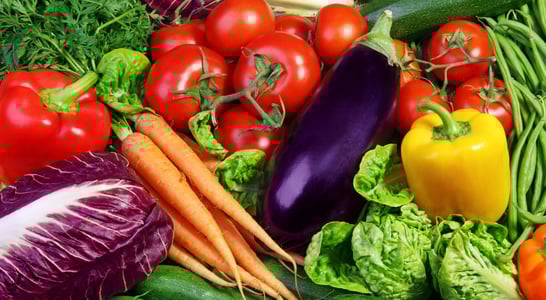
National Eat Your Vegetables Day
Focus on getting ample veggies in your diet, and improve your overall health and well-being. Consider growing your own veggies for extra satisfaction.
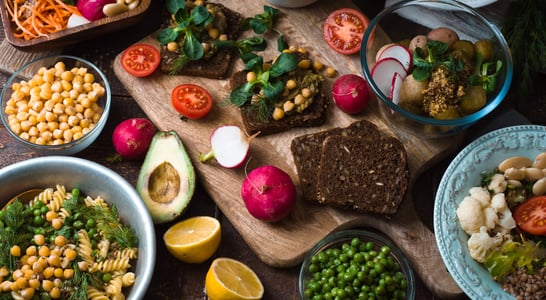
No Meat May
Exploring a plant-based journey for a month, discovering vibrant flavors and embracing a mindful, eco-friendly lifestyle.
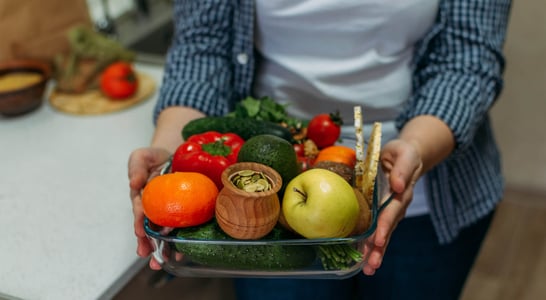

National Tofu Day (UK)
Try a healthier, often more eco-friendly option in your meals instead of meat. Try tofu stir-fry, tofu in taco bowls, or even a sweet, moist tofu-based dessert.