
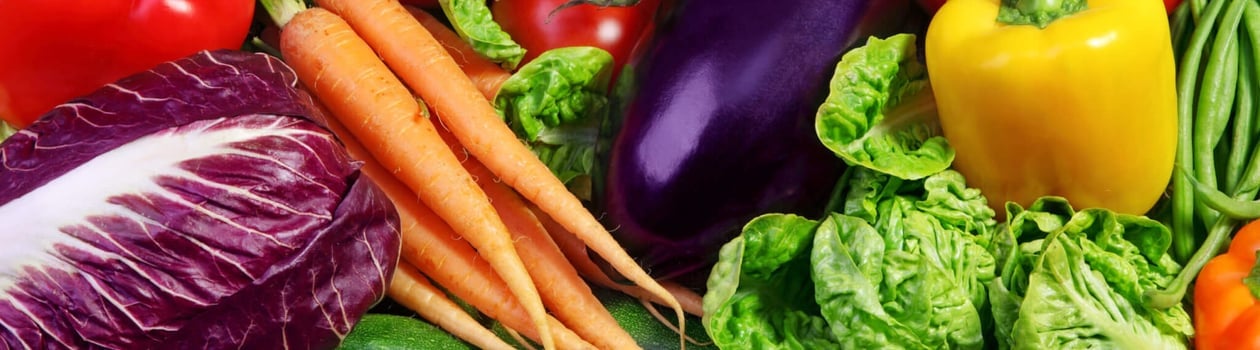
There are so many things to consider when it comes to improving your life and having a balanced and healthy diet.
You have a lot to think about when it comes to making the most of what you put in your body, and this is something that you need to make sure you get right.
There are so many factors that play a role in helping you to have a healthy and balanced diet, and one of the best things to keep in mind here is to ensure you eat your vegetables as much as you possibly can!
How to Celebrate National Eat Your Vegetables Day
Well, the easiest way to celebrate National Eat Your Vegetables Day is to ensure that vegetables play a major role in your diet for the day.
Get Enough Vegetables
To make sure you’re getting enough ensure that you’re eating at least a half a cup of each vegetable you decide to consume, or a cup of a medley. Think vegetables can’t be delicious? We have the simplest recipe to prove you wrong.
Just take an equal mixture of cauliflower, broccoli, and carrots and steam them until tender. Then layer them in a casserole dish with seasoning salt, cheddar cheese, and sunflower seeds and place them in the oven to bake until the cheese is melted.
If that doesn’t make you believe that vegetables are delicious, we don’t know what will! So get out there on National Eat Your Vegetables Day and gobble down a tuber, munch on a leafy green, or serve up a nice bowl of legumes.
Create New Habits
For those who are serious about making the most of this, you need to make sure you factor in family experiences.
If you are going to be making decisions to help you have a great family mealtime experience, vegetables are going to play a massive role.
You can combine them with so many different things, and there are a lot of elements you are going to have to consider. Do some research and take a look at the different vegetables that would be at home in your family kitchen.
Grow Your Own Veggies
Another great idea you need to keep in mind is the fact that you can grow your own vegetables.
This is one of the best things you can do throughout the year, and it is something that is going to pay dividends when it comes to National Eat Your Vegetables Day.
You can source veg from your garden and use it in home cooking or snacking, and this is something that you need to make a big difference to the process.
Why Celebrate National Eat Your Vegetables Day
Make the most of National Eat Your Vegetables Day, and try to make sure you enjoy and indulge as much as possible. They come in every color of the rainbow, almost every believable shape and size, and the flavors they bring to the table are absolutely astounding.
Whether you’re just talking about the staple vegetables like carrots, potatoes, and onions that we all get from the store, or the diverse range of vegetables that come from around the world like Bok Choy and watercress, we’ve all been eating them our whole lives.
National Eat Your Vegetables Day is dedicated to getting people eating their veggies, and also in spreading awareness of their diversity and necessity in a healthy diet.
You are going to have to make the best of this day, and try to come up with some ideas that will allow you to enjoy all kinds of vegetables in all sorts of different situations. You are going to need to do as much as possible to find some of the best vegetables out there. The idea of this day is to have a vegetable with every meal, as well as having a vegetable for a snack each day as well!
National Eat Your Vegetables Day Timeline
Early vegetable crops take root in human farming
In regions such as the Fertile Crescent, New Guinea, and the Americas, early farmers begin cultivating pulses, root crops, and squashes, turning wild plant foods into staple “vegetable” crops and anchoring settled agriculture. [1]
Vegetables become fixtures of ancient cuisines
From Mesopotamia and Egypt to Greece and Rome, written records and archaeological finds show onions, leeks, cabbages, and legumes widely grown and eaten, establishing vegetables as everyday foods in Mediterranean and Near Eastern diets. [1]
James Lind links plant foods to disease prevention at sea
Scottish naval surgeon James Lind’s scurvy trial shows that adding citrus fruit to sailors’ diets prevents a deadly deficiency disease, offering one of the first clear demonstrations that specific plant foods supply vital protective factors.
The vitamin era begins
Japanese chemist Umetaro Suzuki isolates thiamine (vitamin B1) from rice bran, and Casimir Funk soon coins the term “vitamine,” arguing that lack of these tiny nutrients in foods underlies diseases like beriberi and scurvy, reshaping thinking about diet quality.
Fat‑soluble vitamins found in leafy and colorful foods
Researchers identify vitamins A, D, and E and show that deficiencies cause eye disease, rickets, and reproductive failure, findings quickly tied to foods such as dark green leafy vegetables and orange vegetables that are rich in these fat‑soluble compounds.
Vitamin C is isolated from plant sources
Albert Szent‑Györgyi isolates ascorbic acid, first called hexuronic acid, from adrenal tissue and vegetables like paprika, proving it is the anti‑scurvy factor and firmly establishing fresh fruits and vegetables as primary sources of vitamin C.
U.S. “Basic Seven” food guide highlights vegetables
During World War II, the U.S. Department of Agriculture issues the Basic Seven food guide, placing green and yellow vegetables and “other vegetables and fruits” in their own groups to ensure Americans eat vitamin‑rich produce every day.
History of National Eat Your Vegetables Day
The history of National Eat Your Vegetables Day starts with an awareness of nutrition and the role it plays in a healthy lifestyle. Vegetables have always played an important role in the lives of humans, all the way back to when we were simply hunter-gatherers.
Vegetables were one of the hallmarks of civilization, and are arguably the reason we settled and stopped being nomads, we couldn’t travel anymore when we planted our crops, we had to be there to tend them as they grew.
As we cemented our ability to produce them they stopped being an opportunistic part of our diet, and instead became a foundation part of our culture and cuisine. As time went on we established that there were benefits to eating them, better health and growth, but it wasn’t until much later that science confirmed what we already knew.
Vegetables have evolved and developed over time, and this is something that you need to think about moving forward. They have become such a hugely popular part of mealtime experiences that it is vital to embrace every part of National Eat Your Vegetables Day as much as you can.
Eventually, it was established that yes, they were a vital source of nutrients that were hard or impossible to get from an animal source.
These nutrients can help to prevent heart disease and decrease bone loss, offset diabetes, and even improve the health of your hair and skin. It is so important to be able to make the most of this, and you need to understand how important it is to be able to eat vegetables on a much more frequent basis right now.
Do what you can to take things to the next level, and this is something you are going to have to keep focused on where possible.
Facts About National Eat Your Vegetables Day
The World’s Vegetables Look Very Different From Their Wild Ancestors
Modern vegetables are often the result of thousands of years of selective breeding that dramatically changed their size, taste, and even color.
For example, early cultivated carrots were grown mainly for their leaves and seeds, with roots that were small, fibrous, and often purple or white, while today’s enlarged, sweet orange roots reflect centuries of human selection in the Near East and Europe for tenderness and pigment. Similar transformations happened across many crops as farmers repeatedly saved seed from the tastiest or easiest-to-grow plants.
Vegetable-Rich Diets Can Help People Live Longer
Large prospective studies following more than 100,000 adults for decades have found that people who eat about five servings of fruits and vegetables a day, including roughly three servings of vegetables, have a significantly lower risk of death from heart disease, respiratory disease, and all causes compared with those who eat very little produce.
This “sweet spot” of around five daily servings was linked to the greatest survival benefit, with little added advantage at much higher intakes.
Vegetables Feed the Gut Microbes That Support Healthy Aging
Fiber from vegetables passes through the small intestine undigested and becomes fuel for trillions of microbes in the colon.
When these microbes ferment vegetable fiber, they produce short‑chain fatty acids such as butyrate that help maintain the gut lining, temper inflammation, and influence metabolism.
Research reviewed by Harvard Medical School and others shows that people who eat more high‑fiber plant foods tend to have a more diverse gut microbiome, which is associated with healthier aging and better protection against chronic disease.
Inadequate Vegetable Intake Is Linked to Millions of Deaths Worldwide
The World Health Organization estimates that low fruit and vegetable consumption contributed to about 3.9 million deaths globally in 2017.
Populations that fall short of the recommended minimum of 400 grams of fruits and vegetables per day have higher rates of cardiovascular disease, some cancers, and other noncommunicable diseases, which has made boosting vegetable intake a priority in global nutrition policy.
Most Adults Still Do Not Eat Enough Vegetables
Despite decades of nutrition campaigns, surveys in high‑income regions show that many adults fall short of recommended vegetable intakes.
In the United States, CDC data for 2015–2018 found that while about 95% of adults ate some vegetables on a given day, other federal analyses show that only a minority actually reach the U.S. guideline of around 2 to 3 cups of vegetables daily, with lower intake more common among people with less education and lower incomes.
Plant-Rich Diets Are Good for Both Health and the Planet
Research on the environmental footprint of foods shows that vegetables, legumes, and grains generally produce far fewer greenhouse gas emissions per kilogram than beef and other ruminant meats, and they use less land as well.
Analyses published in Science and summarized by the IPCC conclude that shifting typical diets toward more plant-based foods and fewer high-impact animal products can significantly reduce food‑system emissions while also lowering risks of heart disease, diabetes, and some cancers.
Vegetable Intake Rises with Education in Europe
An analysis of 2022 Eurostat data across 31 European countries found that daily fruit and vegetable consumption tends to cluster with higher educational attainment.
Adults with more years of schooling were more likely to report eating fruits and vegetables every day, suggesting that education influences diet quality and that public-health strategies to increase vegetable intake may need to address social and educational inequalities as well as individual choice.



You may also like

National Vitamin C Day
It’s good for your immune system, it’s good for your mental health, it’s even good for your skin. Don’t neglect this crucial vitamin on Vitamin C Day.

Plant Power Day
Delicious creations from nature's bounty, plates filled with vibrant colors and enticing flavors that fuel the body and support the planet.
- Canada
- International
- United Kingdom
- and 1 more
National Eat More Fruits and Vegetables Day
Celebrate National Eat More Fruits and Vegetables Day by discovering new produce, boosting nutrition, and choosing tasty, sustainable plant-based meals.

Let’s All Eat Right Day
Let’s All Eat Right Day encourages everyone to focus on nutrition and healthy eating habits. It’s a friendly nudge to pay attention to what ends up on the plate, not with perfection in mind, but with a little more intention. Food fuels work, play, rest, and everything in between, and...
- Australia
- Canada
- International
- and 2 more
National days and holidays on June 17

National Apple Strudel Day
Celebrate National Apple Strudel Day by savoring flaky pastry, sweet spiced apples, and Austrian tradition, with tips to bake, taste, and enjoy this classic dessert.

National Thank a Teacher Day
Celebrate National Thank a Teacher Day by honoring teachers and school staff with gratitude, messages, and nominations that recognize their vital impact.

Bunker Hill Day
Discover the history and meaning of Bunker Hill Day, honoring courage, community, and the Revolutionary War battle that helped shape American identity.

National Mascot Day
National Mascot Day honors the fun, energetic characters who boost team spirit, entertain crowds, and build community pride on and off the field.
Seize Every Day
Sign up to get reminders, recommendations and guides.