Skip to content

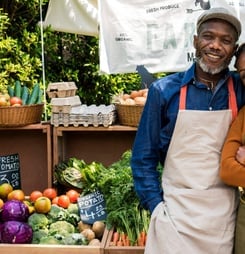
Micro, small, and medium-sized enterprises (MSMEs) are the backbone of local economies, bringing life and character to neighborhoods. A family-run bakery, a tailor’s tiny workshop, or a corner bookstore filled with carefully chosen titles—all of these businesses create jobs, support families, and keep traditions alive.

They fuel creativity, offer essential services, and give people the chance to turn their passions into livelihoods. Without them, streets would feel empty, and communities would lose a vital source of connection. Recognizing their importance, the world takes a day to celebrate their contributions and impact.

More than just economic engines, these businesses represent determination, innovation, and resilience. They provide millions with opportunities but often face hurdles—securing funding, adapting to new technology, and competing with larger corporations.

Supporting MSMEs means strengthening the foundation of society, ensuring they continue to grow, adapt, and enrich lives. When they thrive, entire communities flourish, creating a future where small businesses remain at the heart of daily life.

Micro, Small And Medium Enterprises Day Timeline

  1. Creation of the U.S. Small Business Administration

    The United States establishes the Small Business Administration as an independent federal agency to aid, counsel, assist, and protect small businesses, providing a model for later MSME support institutions worldwide.

  2. Pilot of the Small Business Innovation Research program concept

    The U.S. National Science Foundation begins a pilot program that evolves into the Small Business Innovation Research initiative, directing federal research and development funds to small firms and highlighting how public procurement can fuel MSME innovation.

  3. European Union adopts a common SME definition

    The European Commission issues Recommendation 2003/361/EC, setting an EU-wide definition of micro, small, and medium-sized enterprises based on staff headcount and financial thresholds to harmonize access to support schemes.

  4. Small Business Act for Europe introduced

    The European Commission adopts the Small Business Act for Europe with its “Think Small First” principle, placing SMEs at the center of EU policy design and improving access to finance, markets, and regulatory support for MSMEs.

  5. UN General Assembly underscores MSMEs in sustainable development

    Through resolution A/RES/71/279, the United Nations General Assembly recognizes micro, small, and medium-sized enterprises as key contributors to employment, income generation, and the achievement of the Sustainable Development Goals.

How to Celebrate Micro, Small and Medium Enterprises Day

Celebrating Micro, Small, and Medium Enterprises (MSMEs) strengthens our communities and economies. Here are several engaging ways to honor these vital businesses.

Shop Locally

Support neighborhood stores by choosing their products and services. This boosts the local economy and fosters community bonds.​

Share Their Stories

Highlight inspiring MSME journeys on social media platforms. Sharing their challenges and successes raises awareness and appreciation.​

Attend Local Events

Participate in community markets, fairs, or workshops organized by small businesses. These events showcase local talent and encourage networking.​

Provide Constructive Feedback

Offer positive reviews and suggestions to MSMEs. Constructive feedback helps them improve and grow, enhancing customer satisfaction.​

Educate and Advocate

Learn about the challenges MSMEs face and advocate for supportive policies. Educated consumers can influence positive change in their communities.

History of Micro, Small and Medium Enterprises Day

In April 2017, the United Nations General Assembly established Micro, Small, and Medium Enterprises (MSME) Day to highlight the importance of these businesses. This decision aimed to recognize their impact on economic development, job creation, and innovation.

Small enterprises play a key role in reducing poverty and strengthening communities. They contribute to local and global economies, making them essential for sustainable progress.

The first official observance took place on June 27, 2017. Since then, this day has been marked annually to raise awareness about the challenges and opportunities MSMEs face. Limited access to funding, market competition, and adapting to digital advancements remain significant obstacles.

This initiative encourages individuals, businesses, and policymakers to promote and protect smaller enterprises. Events, discussions, and campaigns on this day emphasize their role in economic stability.

Recognizing their value helps ensure continued growth and innovation. MSME Day serves as a reminder that these enterprises deserve attention, investment, and encouragement to thrive in an evolving business landscape.


Facts About Micro, Small and Medium Enterprises Day

Invisible Giants of the Global Economy  

Micro, small and medium enterprises are far more than neighborhood shops: United Nations data estimate that they make up about 90 percent of all firms worldwide, generate roughly 60 to 70 percent of total employment, and contribute around half of global GDP, which makes their health a critical factor in how resilient national economies are to shocks.  

Why Definitions of “Micro,” “Small,” and “Medium” Vary So Much  

There is no single global definition of what counts as a micro, small, or medium enterprise; instead, governments and institutions set their own thresholds based on headcount, turnover, or assets, which can range from under 5 workers for a microenterprise in some low‑income countries to up to 250 or even 500 employees for an SME in advanced economies, complicating cross‑country comparisons and policy design.  

MSMEs and the Trillion‑Dollar Finance Gap  

The International Finance Corporation estimates that formal micro, small and medium firms in emerging markets face a finance gap of several trillion U.S. dollars, and that roughly half of all formal MSMEs in developing countries are either unserved or underserved by the financial sector, which limits their ability to invest, modernize, and create jobs. 

Informal Enterprises: The Hidden Majority in Many Economies 

In many developing countries, most micro and a large share of small businesses operate informally without full registration, meaning they often lack legal protections, access to formal credit, and social security coverage for workers, yet they still provide vital livelihoods and services in low‑income and rural communities.  

SMEs as Engines of Job Creation, Not Just Job Holders 

World Bank analysis of firm‑level data finds that small and medium enterprises are not only large employers but also dynamic job creators, with one study showing that every additional 1 million dollars in SME lending in developing countries is associated with more than a dozen new jobs within two years, especially when firms are young and growing.  

Digitalization: Opportunity and New Divide for Small Firms

OECD research notes that adopting basic digital tools such as cloud accounting, e‑commerce platforms, and online payments can significantly boost the productivity and export potential of small firms, yet smaller and younger enterprises are consistently less likely than large companies to use advanced digital technologies, deepening a “digital divide” that can widen productivity gaps over time.  

Women and Youth at the Heart of Enterprise Growth  

International studies highlight that women‑ and youth‑led MSMEs are powerful drivers of inclusive growth, but they face disproportionate barriers such as lack of collateral, discriminatory norms, and fewer business networks, which is why many development programs now include targeted credit lines, training, and mentorship specifically for women and young entrepreneurs to unlock their potential for innovation and job creation.  

Micro, Small And Medium Enterprises Day FAQs

You may also like

Jump to main navigationJump to content