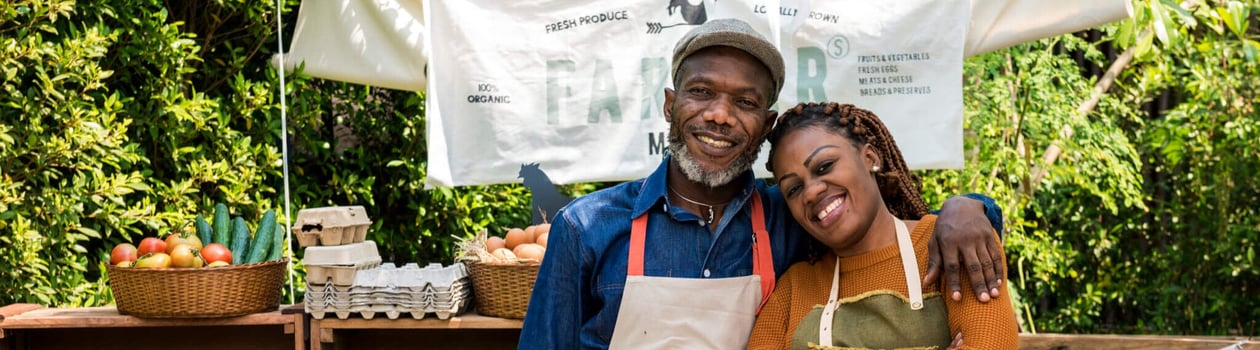
National Mom and Pop Business Owners Day celebrates the hard work, dedication, and vital role small, family-run businesses play in our communities. These local shops aren’t just places to buy things—they’re deeply rooted in the fabric of towns and neighborhoods!
How to Celebrate National Mom and Pop Business Owners Day
Discover Your Local Gems
Celebrate National Mom and Pop Business Owners Day by exploring local stores you haven’t visited before.
Stroll through your neighborhood, browse unique products, and chat with the shop owners. You never know what hidden gems you might find right around the corner.
Treat yourself to something special from a family-run business, whether it’s a homemade candle or fresh bread from a nearby bakery.
Spread the Love Online
Let’s make those small businesses shine! Hop onto your favorite social media platform and share your love for a local mom-and-pop shop.
Post a picture of something you bought or tell your followers about a wonderful experience you had. Tag the business, and don’t forget to use hashtags like #ShopSmall or #SupportLocal.
This small action can help bring them more attention and new customers.
Organize a Shopping Party
Round up your friends and organize a shopping day dedicated to visiting local mom-and-pop stores. Make a list of a few shops to check out, then spend the day supporting them while having fun together.
You could even turn it into a challenge—who can find the most unusual item? It’s a fun way to get everyone involved while making a big difference for small businesses.
Thank the Owners Personally
If you frequent certain shops, take a moment to thank the owners in person. A heartfelt “thank you” can go a long way in brightening someone’s day.
You could also surprise them with a thank-you card or small token of appreciation to show how much their hard work means to the community. Personal gestures can help build lasting connections.
Gift a Local Shopping Spree
Need a gift idea? Buy a gift card from a local mom-and-pop store for a friend or family member. It’s a great way to introduce others to your favorite spots and encourage them to support small businesses.
Plus, who wouldn’t love a little shopping spree? This thoughtful gesture supports small shops and spreads the word about local treasures.
Why Celebrate Mom and Pop Business Owners Day?
From cozy bakeries to independent hardware stores, mom-and-pop businesses create a unique charm that larger chains simply can’t replicate.
Their personalized service and unique products offer a distinct shopping experience that fosters customer loyalty. Through their efforts, these small businesses contribute significantly to the local economy by generating jobs and keeping money circulating within the community.
This day is also a chance to reflect on the meaningful impact these businesses have beyond just economics.
Mom-and-pop shops often form the backbone of local charity work and community initiatives, helping to strengthen social ties and foster a sense of belonging.
Their owners are often deeply involved in local events and causes, offering not just products but also a strong sense of connection and care.
Supporting these small businesses doesn’t just help individual owners—it uplifts entire neighborhoods by reinforcing the local economy and preserving the distinct character of each community.
National Mom and Pop Business Owners Day Timeline
Rise of the American General Store
By the mid‑19th century, independent general stores had become central hubs of commerce and social life in small U.S. towns, typically owned and run by families who often lived above or behind the shop.
First Self-Service Grocery Challenges Family Stores
Piggly Wiggly opens in Memphis as the first self-service grocery, pioneering modern supermarket retailing and beginning competitive pressures on many traditional, independently run corner stores.
Robinson-Patman Act Aims to Protect Small Retailers
The U.S. Congress passed the Robinson-Patman Act to curb price discrimination by large manufacturers and chains, with supporters arguing it would prevent unfair advantages over smaller independent retailers.
U.S. Small Business Act Establishes the SBA
President Dwight D. Eisenhower signed the Small Business Act, creating the Small Business Administration to aid, counsel, and protect the interests of small firms throughout the United States.
Main Street America Program Launches to Revitalize Local Shops
The National Trust for Historic Preservation’s Main Street program begins, using preservation-based economic development to help historic downtowns and their locally owned businesses adapt to competition from malls and highway retail.
History of Mom and Pop Business Owners Day
National Mom and Pop Business Owners Day began as a heartfelt tribute to family-owned businesses. Rick and Margie Segel created this special day to honor Rick’s parents, who ran a successful hat shop that opened in 1939.
They wanted to recognize the hard work and commitment it takes to keep such businesses going. Over time, their small tribute evolved into a national celebration, honoring all mom-and-pop shops across the country.
The day was created to remind people of the important role small businesses play in communities. These businesses provide more than just products or services—they offer personal connections and unique experiences.
Rick and Margie’s decision to honor their parents’ legacy led to widespread appreciation for all independent shop owners.
Small businesses often face tough competition from large chains, making this day even more significant. Celebrating their contributions helps bring attention to the value these businesses bring to the local economy. They provide jobs, contribute to the community’s character, and keep money circulating locally.
Today, many people use this occasion to support local shops through purchases or by sharing their stories. It’s a chance to reflect on how these businesses shape neighborhoods, offering something special you can’t find in big corporations.
National Mom and Pop Business Owners Day now stands as a proud reminder of how small businesses enrich daily life.
The Powerful Impact of Mom and Pop Businesses
Small, family-run businesses may look modest, but their influence on the economy and local communities is anything but small.
From creating jobs to keeping money circulating locally, mom and pop businesses form the backbone of everyday commerce and play a vital role in economic stability and neighborhood life.
Family Businesses Dominate the U.S. Private Sector
Family-owned businesses are not a niche in the United States; they are the norm. Studies from the Conway Center for Family Business estimate that family firms account for about 64% of U.S. gross domestic product, employ roughly 62% of the workforce, and create around 78% of all new jobs, underscoring how deeply “mom and pop” ownership structures are woven into the country’s economic base.
Main Street Stores Help Keep Money Circulating Locally
Economic impact studies consistently find that independently owned retailers and restaurants recirculate more money in their local economies than national chains.
Research by the Institute for Local Self-Reliance and Civic Economics showed that for every dollar spent at a locally owned business, roughly 45–48 cents stays in the community, compared with about 13–14 cents when spending at a chain, because local owners rely more on nearby suppliers, services, and employees.
Small Businesses Make Up Nearly All U.S. Firms
In federal data, “small” is not a fringe category. According to the U.S. Small Business Administration, small businesses represent 99.9% of all U.S. firms and employ about 62 million people, nearly half of the country’s private-sector workforce.
Most of these are very small operations with fewer than 20 employees, which is the scale typical of many mom-and-pop shops.
Independent Businesses Are Highly Concentrated in Certain Sectors
Mom and pop enterprises are especially prominent in specific corners of the economy.
The U.S. Census Bureau reports that small firms account for the overwhelming majority of establishments in retail trade, accommodation and food services, construction, and many personal services, such as repair shops and salons.
These sectors tend to be highly local, personal, and labor-intensive, which favors smaller, family-run operations.
Succession Is a Major Vulnerability for Family-Owned Shops
One of the largest challenges for family-run businesses is passing the enterprise to the next generation. Research compiled by the Family Firm Institute indicates that while about 30% of family businesses make it to the second generation, only around 12% survive to the third and about 3% to the fourth, often because of succession planning issues, family conflict, or changing economic conditions.
Independent Retailers Face Persistent Pressure from Big Chains and E‑Commerce
Competitive pressure on mom and pop retailers has intensified over recent decades. Analyses by the Harvard Business School and the Institute for Local Self-Reliance highlight how large chain stores and online platforms benefit from purchasing power, logistics networks, and aggressive pricing, which can draw foot traffic and sales away from smaller, standalone shops, especially in categories like books, electronics, and general merchandise.
Local Small Businesses Often Anchor Community Life
Beyond economics, independent businesses frequently function as informal community centers. Urban planning and community development research notes that locally owned shops are more likely to sponsor youth sports teams, host neighborhood events, and participate in local governance and civic groups than nonlocal firms, helping build social ties and a sense of place in towns and city neighborhoods.
National Mom and Pop Business Owners Day FAQs



You may also like

National Small Business Day
National Small Business Day is celebrated annually to honor small businesses and their impact on local economies. These businesses provide unique products and services and are crucial in creating jobs and fostering innovation. The day highlights the creativity and resilience of small business owners who often work tirelessly to support their...
- United States

National Lazy Mom’s Day
Parenting is a demanding job, but it's okay to take a break. Resting and practicing self-care can recharge and make you a better parent.
- United Kingdom
- United States
Small Business Development Centers Day
Small Business Development Centers Day celebrates the essential role of Small Business Development Centers (SBDCs) across the country and the people behind them who quietly turn good ideas into workable, durable businesses. These centers support small businesses in starting, growing, and thriving through expert guidance and practical resources. An SBDC is...
- United States

Micro, Small And Medium Enterprises Day
Discover the importance of Micro, Small and Medium Enterprises Day, celebrating local businesses that drive jobs, innovation, community growth and economic resilience.
- United States
National days and holidays on March 29 2027

March Madness
Get your game face on for March Madness! This high-energy tournament is a slam dunk of excitement, passion, and heart-pumping action. So grab your team colors, gear up for the showdown, and let the madness begin!
- United States

Easter Monday
Easter Monday is the perfect time to relax and spend quality time with family and friends. Enjoy a leisurely brunch, hunt for hidden Easter eggs, or take a leisurely stroll in the sunshine.
- Australia
- Austria
- Canada
- and 21 more

White House Easter Egg Roll
The White House Easter Egg Roll is a long-standing and cherished Easter Monday tradition for adults and children alike. This annual event is full of history and festivity. It’s a day when the President’s staff invites families from around the United States to participate in an egg-rolling race. The atmosphere is...
- United States

National Tsunami Awareness Week
National Tsunami Awareness Week sparks a wave of readiness during this time each year. This week is set aside to spread knowledge about the serious threat of tsunamis, especially in regions with high risk! How to Observe National Tsunami Awareness Week Host a Tsunami Trivia Night Gather friends or neighbors for a...
- United States
Seize Every Day
Join free for personalised recommendations, email reminders and exclusive guides. Never miss a day.