
National Moonshine Day shines a light on a notorious, fascinating corner of American drink lore: moonshine. Once a whispered-about spirit traded through back roads and tight-knit communities, it has become a symbol of improvisation, craft, and a stubborn streak of independence.
Moonshine is, at its simplest, liquor made outside regulated production, traditionally a clear, unaged whiskey distilled from a grain mash. The name hints at secrecy, since making it often meant working after dark and keeping operations out of sight. Over time, “moonshine” also became a style and a story, tied to rural ingenuity, hard economic realities, and a long-running tug-of-war with law enforcement.
While the popular imagination loves the Prohibition era, moonshine’s culture runs deeper than one legal ban. It sits at the intersection of taxation, geography, farming, and the human desire to turn what is available into something valuable.
National Moonshine Day celebrates that complicated history, the craftsmanship of distillation, and the way a once-illicit drink helped shape foodways, music, and even motorsports.
How to Celebrate National Moonshine Day
Celebrating National Moonshine Day works best when it balances curiosity with common sense. The day is less about reckless behavior and more about appreciating how a once-underground spirit influenced legitimate distilling, regional traditions, and popular culture.
Modern “moonshine” is often produced legally by licensed distilleries, which means it can be explored the same way people explore whiskey, rum, or tequila: thoughtfully, slowly, and with attention to flavor.
One easy way to mark the day is to learn what makes traditional moonshine distinct. It is typically unaged, which is why it is clear, and it often highlights the raw grain character of corn, wheat, or sugar.
Without time in a barrel to soften edges, the spirit’s quality is especially dependent on fermentation, careful distillation, and proper dilution. That makes it a great lens for understanding the basics of distilling and why regulation exists.
National Moonshine Day also offers a chance to notice how “moonshine” has been reinterpreted. Some legal versions lean into classic corn whiskey notes. Others infuse fruits, spices, or dessert-like flavors, reflecting a modern palate and the creativity of craft producers.
For people who do not drink alcohol, celebrating can be as simple as exploring the history through music, film, and food, or learning about how fermentation and distillation work as processes.
However, it is observed that the spirit of the day is appreciation: for resilience, for resourcefulness, and for a cultural legacy that moved from hidden hollows to legitimate tasting rooms.
Ideas to Celebrate the Day
Throw a “Shine and Dine” Bash
Host a gathering built around flavors associated with classic moonshine country cooking. Instead of turning everything into a boozy novelty, use small amounts like a chef would: a splash in a glaze, a touch in a sauce, a quick pan flambé done carefully.
Apple-forward spirits pair well with pork, chicken, and roasted vegetables, while a plain corn whiskey can deepen a barbecue sauce or a bean dish. Provide plenty of nonalcoholic drinks and hearty sides so the focus stays on food and conversation.
Craft Your Cocktails
Moonshine can behave like a high-proof vodka or unaged whiskey, depending on the base and proof, so simple cocktails often work best. Citrus, ginger, mint, tea, and stone fruit are classic partners. A few crowd-friendly options include a lemonade-based highball, a mint-and-lime smash, or a spiced iced tea cocktail.
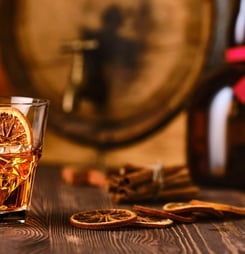
For a more spirit-forward drink, a light riff on an old-fashioned can showcase the grain character: a small amount of simple syrup, bitters, and an orange peel. Measuring matters here, since proof can vary widely between bottles.
Moonlight DIY Challenge
Lean into the “night work” legend without copying the risky parts. Try a safe, low-stakes project that fits the theme of quiet resourcefulness: stargazing with a blanket and a thermos, a nighttime garden check with a flashlight, or a short photography walk focused on shadows and streetlights. The point is the atmosphere, not pretending to outrun anyone.
Moonshine Tasting Party
A tasting is a great way to understand how much variety exists within a category people often treat as a single thing. Set out small pours and taste in a logical order: lower proof to higher proof, unflavored to flavored.
Encourage guests to notice aroma, sweetness, burn, and finish, and to compare texture, since unaged spirits can feel sharper. Serve water and plain snacks like crackers or bread between samples. A simple scorecard can keep things fun and focused.
Stream a Moonshine Documentary
Moonshine stories usually include more than just liquor. They touch on family economies, community networks, enforcement tactics, and the moral gray areas created by sweeping laws. Watching a documentary can spark discussion about why certain regions embraced distilling, how technology evolved, and how public attitudes changed when production became legal in many forms. Pair the viewing with a themed snack spread and a playlist of related music for an easy, cozy night.
NASCAR Night In
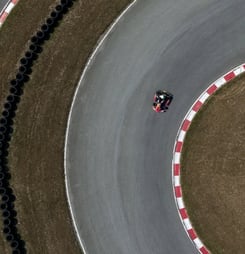
The connection between bootlegging and stock car racing has become part of American folklore for a reason. Illicit transport rewarded mechanical skill, risk tolerance, and speed, and those habits translated naturally into organized racing as car culture grew.
A race watch party fits the theme nicely. Add “pit stop” snacks, friendly predictions, and a short discussion about how transportation shaped moonshine’s distribution networks.
Sing Along to Moonshine Melodies
Moonshine has been a muse for folk, country, bluegrass, and rock. The lyrics often focus on secrecy, hardship, humor, and the tension between independence and authority. Build a playlist that spans eras and styles, then invite guests to add songs that reference bootlegging, whiskey running, or rural life. Even without singing, the music helps explain why moonshine became a storytelling symbol, not just a beverage.
Visit a Local Distillery
For many people, the best modern lens on moonshine is a licensed distillery tour. Seeing a mash cooker, fermenters, and a still makes the process tangible. A good guide will explain cuts, proofing, and quality control, and it becomes clear why skilled distilling is more chemistry and patience than mystery. Tastings often include both unaged spirits and aged expressions, making it easy to compare how barrels change aroma and smoothness over time.
These ideas keep the celebration playful while respecting the realities behind the legend. Moonshine has a colorful past, but it is still alcohol, and high-proof alcohol at that. Enjoying it responsibly, or celebrating with food, music, and history instead, keeps the day fun for everyone.
National Moonshine Day Timeline
Whiskey Rebellion Crystallizes Backcountry Illicit Distilling
A new federal excise tax on distilled spirits sparks armed resistance in western Pennsylvania, pushing many small producers to hide their stills and sell untaxed “country whiskey,” a clear precursor to what Americans later call moonshine.
“Moonshine” Enters English as a Word for Illicit Liquor
The term “moonshine,” long used in Britain to mean something fanciful, evolved by the late 18th century into slang for smuggled or illegally distilled spirits, especially those produced at night to avoid detection.
U.S. Internal Revenue Act Drives Moonshiners Underground
To fund the Civil War, Congress imposes federal taxes and licensing on distilleries; many rural distillers in Appalachia and the South refuse to comply, creating a cat-and-mouse conflict with “revenuers” that cements moonshining as a way of life.
Prohibition Fuels a Nationwide Moonshine Boom
With the 18th Amendment and Volstead Act banning commercial alcohol, illegal distillers across the United States expanded production of high-proof corn liquor, making “white lightning” a staple of speakeasies and rural economies alike.
Repeal of Prohibition Shifts Moonshine to Tax Evasion
The 21st Amendment ended the national alcohol ban, but many backwoods distillers keep operating without licenses or paying excise tax, so moonshine remains illegal primarily as untaxed liquor rather than as contraband alcohol itself.
Bootleggers’ Modified Cars Lay Groundwork for Stock-Car Racing
Southern moonshine haulers, needing to outrun law officers, heavily modify ordinary cars for speed and handling; off-duty, they race one another on dirt tracks, forming the foundation of organized stock car racing culture.
NASCAR Formalizes a Sport Rooted in Moonshine Running
Bill France Sr. creates the National Association for Stock Car Auto Racing, drawing many early drivers, mechanics, and car owners from former or active moonshine runners whose skills and souped-up cars translate directly to the track.
History of National Moonshine Day
National Moonshine Day draws attention to a tradition shaped by economics as much as by rebellion. Long before “moonshine” became shorthand for Prohibition-era hooch, distillation was a practical tool.
Turning grain into spirits preserved value, reduced bulk, and created a tradeable product. For farmers, especially those far from major markets, a still could convert an oversupply of corn into something easier to transport and sell.
In early American history, liquor production was common, but it was also tightly connected to taxation. Excise taxes on distilled spirits were among the ways governments tried to raise revenue, and those taxes hit small producers hard.
When livelihoods depended on narrow margins, avoiding fees could seem like survival rather than crime. This tension helped shape an enduring “cat-and-mouse” dynamic: producers learned to keep operations hidden, while authorities developed methods to locate and shut down illicit stills.
Geography played a role, too. Remote terrain offered privacy, water sources, and natural cover. Communities that relied on one another for labor and protection often treated distilling as a local craft, passed down through families and neighbors.
Over time, that secrecy created its own language and culture. Nicknames like “white lightning” and “mountain dew” suggested both the spirit’s clear appearance and its punch, while the very idea of a “run” implied speed, timing, and knowledge of the land.
The Prohibition era intensified everything. When the production and sale of alcohol were broadly restricted, demand did not vanish. Instead, the market shifted underground, and moonshine production expanded.
The stakes rose: there was more money to be made, more enforcement pressure, and more incentive to scale up. That era also cemented many popular moonshine images, like Mason jars used for transport and sale because they were cheap, common, and easy to handle.
Prohibition also sharpened moonshine’s reputation for danger. Illicit production could be risky for several reasons: flammable alcohol vapor, makeshift equipment, poor sanitation, and inconsistent distillation practices.
Rumors about contamination and extreme potency grew alongside real incidents caused by careless or unskilled production. Even after broad alcohol bans ended, many regions continued to see illegal distilling, partly due to lingering regulations and taxes and partly due to the persistence of local tradition.
As the decades passed, moonshine’s story continued to evolve. Better roads and vehicles changed distribution, and the mythos of high-speed runs and modified cars became entwined with early stock car racing. While not every racing story began with bootlegging, the cultural overlap was strong enough to leave a permanent mark on American motorsports lore.
In the modern era, moonshine has undergone a makeover. Licensed distilleries now produce legal versions that nod to tradition while using modern safety standards and quality control.
The term “moonshine” in a contemporary bottle often signals an unaged or lightly aged spirit, frequently made from corn, and sometimes offered in flavored varieties. That shift has allowed people to enjoy the style without the hazards of clandestine production, while still appreciating the history behind it.
National Moonshine Day, then, is not just a toast to a strong drink. It is a nod to resourceful farming communities, to the technical craft of distilling, and to the way laws and markets shape culture.
It celebrates how a once-secret spirit became a widely recognized symbol, and how its legacy lives on in legitimate distilling, regional storytelling, and a stubbornly American affection for doing things the hard way, just because it can be done.
Moonshine and the Whiskey Rebellion
Long before Prohibition, small American farmers were distilling surplus grain into untaxed whiskey, which led directly to the Whiskey Rebellion of 1794 in western Pennsylvania.
When the new federal government imposed an excise tax on distilled spirits, many frontier distillers refused to pay, viewing the tax as an attack on their livelihood and a symbol of distant authority, and some resorted to nighttime “moonshining” to avoid federal collectors.
Why Corn Became the Classic Moonshine Grain
Corn became the signature base for American moonshine largely because it grew well in the rocky soils of Appalachia and was difficult to transport as a raw crop over bad roads.
By converting corn into high-proof liquor, farmers condensed a bulky, low-value harvest into a compact, easily traded product that could be stored indefinitely and used as an informal form of currency in remote communities.
The Science Behind “Bad” Moonshine
Illicit distilling can produce dangerous levels of methanol, a toxic alcohol that boils at a slightly lower temperature than ethanol and must be carefully discarded during the “foreshots” of a run.
When moonshiners used improvised stills made from old car radiators and scrap metal, the risk of methanol, lead, and glycol contamination increased sharply, which has been linked to cases of blindness, organ damage, and death in poorly made batches.
How Moonshine Engines Helped Shape Stock Car Racing
During Prohibition and its aftermath, many Southern moonshiners modified ordinary cars to carry heavy loads of liquor and outrun federal agents on twisting mountain roads.
They tuned engines, upgraded suspensions, and stripped out weight, a culture of fast, “stock-looking” cars and skilled backroad drivers that later fed directly into organized stock car racing and the early formation of NASCAR.
Poitín: Ireland’s Historic Cousin to Moonshine
Ireland has its own long-running tradition of illicit distilling known as poitín, a clear spirit usually made from malted barley, sugar beet, or potatoes and clandestinely produced in remote rural areas.
Poitín was illegal for more than 300 years after an English ban in 1661 and developed a reputation similar to American moonshine, with strong ties to folk culture and small-farm economies before its limited legalization in the late 20th and early 21st centuries.
Samogon and Soviet-Era Home Distilling
In Russia and other parts of the former Soviet Union, homemade spirit known as samogon served as an unofficial parallel economy, especially when state-produced vodka was scarce or tightly controlled.
Families used simple stills to convert sugar, grain, or potatoes into alcohol, and despite government crackdowns, samogon remained widespread as a way to supplement income and secure alcohol outside state channels.
Chang’aa and the Dangers of Adulterated Spirits
Kenya’s traditional illicit spirit, chang’aa, is often distilled from maize or millet and historically has been sold in informal settlements at very low cost.
Attempts to increase profits have sometimes led to adulteration with industrial alcohols or contaminants like methanol, which caused mass poisonings that prompted the Kenyan government to regulate and partially legalize chang’aa production in 2010 under strict standards.