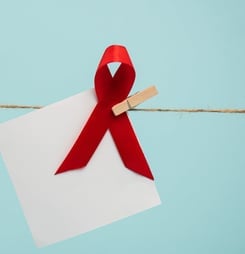

Let’s dive into a special day that highlights courage, hope, and an incredible journey of survival. HIV Long-Term Survivors Day, observed every year, stands out as a beacon of resilience.
How to Celebrate HIV Long-Term Survivors Day
Storytelling Slam
Kick off the celebrations with a storytelling slam, where survivors take the stage to share their powerful stories.
It’s an evening filled with raw emotion, laughter, and a whole lot of inspiration. Participants get to narrate their journey, weaving tales of challenges, victories, and everything that falls in between.
This event not only entertains but deeply connects everyone in the room, creating a space of mutual respect and admiration.
Funky Hat Contest and Gratitude Wall
Next up, inject some light-hearted fun with a funky hat contest. Encourage everyone to bring out their most outrageous, beautiful, or meaningful hats.
It’s a playful way to express individuality and add a splash of color to the day. Alongside, set up a gratitude wall. Invite attendees to pin up photos or notes of what they’re grateful for.
This wall becomes a vibrant tapestry of thanks, reflecting the diverse joys and blessings in their lives.
Retro Dance-Off and Cook-Off
Turn up the music for a retro dance-off featuring hits from the 80s and 90s. It’s a joyful celebration of survival, filled with nostalgic tunes and dance moves that have stood the test of time.
Pair this with a cook-off challenge, where survivors cook a dish that symbolizes their journey. It’s a tasty way to share stories, with each dish offering a unique glimpse into the resilience and journey of its creator.
Community Garden and Virtual Art Gallery
Conclude the celebrations by planting a community garden, where each plant represents a survivor’s growth and strength.
This living tribute grows over time, symbolizing the collective journey of survivors. Additionally, host a virtual art gallery showcasing works by or for survivors.
This online exhibition allows people from all walks of life to engage with the stories and emotions of long-term HIV survivors, bridging distances and spreading awareness far and wide.
Why Observe HIV Long-Term Survivors Day
It’s no ordinary day; it commemorates the date when the first cases of AIDS were officially reported in 1981. This day is set aside to honor and celebrate those who have lived with HIV for many years, acknowledging their enduring spirit and the challenges they’ve bravely faced.
But what does being a long-term survivor of HIV really mean? It signifies a life lived with a condition that once had little hope for a long future.
These survivors have navigated the early days of the epidemic, when fear and uncertainty were rampant, and effective treatments were a distant dream. Their survival into the present is a testament to their strength, as well as to the advances in medical science that have transformed HIV from a fatal diagnosis into a manageable condition.
These individuals have not only witnessed significant milestones in HIV research and treatment but have also contributed to breaking down stigma and fostering a better understanding of living with HIV.
HIV Long-Term Survivors Day thus plays a crucial role. It acknowledges the unique experiences of these survivors, celebrating their lives and contributions. The day also serves as a powerful reminder of the need for continued support, awareness, and research to further improve the quality of life for those with HIV.
It’s a call to action, urging us to remember those who have been on this journey for decades and to ensure they and future generations living with HIV receive the care, respect, and support they deserve. On this day, we honor their journey, reflect on the progress made, and recommit to the ongoing fight against HIV together.
HIV Long-Term Survivors Day Timeline
First Cases of AIDS Reported in the United States
The CDC’s Morbidity and Mortality Weekly Report describes unusual cases of Pneumocystis pneumonia in five previously healthy gay men in Los Angeles, marking the first official report of what would later be known as AIDS and the beginning of the long-term survivor experience.
HIV Identified as the Cause of AIDS
Researchers at the Pasteur Institute in France isolate a new retrovirus, later named human immunodeficiency virus (HIV), providing a specific cause for AIDS and laying the groundwork for diagnostic tests and future treatments that would make long-term survival possible.
First Antiretroviral Drug, AZT, Approved
The U.S. Food and Drug Administration approves zidovudine (AZT) as the first antiretroviral drug for AIDS, offering the earliest hope of extending the lives of people with HIV, even though the drug is toxic and only partially effective.
Introduction of Highly Active Antiretroviral Therapy (HAART)
The use of combination antiretroviral therapy, often called HAART, has become standard, sharply reducing AIDS-related deaths and transforming HIV from a rapidly fatal illness into a chronic, manageable condition, enabling many to become long-term survivors.
Recognition of “Lazarus Syndrome” Among People with HIV
Clinicians and researchers begin describing patients who, after starting effective combination therapy, recover dramatically from advanced AIDS, a phenomenon sometimes called the “Lazarus effect,” symbolizing the new era of survival and the psychological challenges of coming back from near death.
“Test and Treat” Era Expands Access to Lifesaving Therapy
Updated international and national guidelines increasingly recommend earlier HIV testing and treatment, broadening access to antiretroviral therapy and supporting the growth of a large cohort of people aging as long-term survivors.
Landmark Study Documents Aging and Comorbidities in Long-Term Survivors
Major cohort studies such as the Multicenter AIDS Cohort Study (MACS) and others report that people living with HIV are experiencing age-related conditions earlier, drawing attention to the distinct medical and psychosocial needs of long-term survivors.
History of HIV Long-Term Survivors Day
Not long time ago, in 2014 to be exact, a spark of recognition ignited. This wasn’t just any spark; it was the start of HIV Long-Term Survivors Day, a day that is now marked every year.
Why this particular date, you wonder? It takes us back to June 5, 1981, a day that history will never forget. This was when the world first heard about a mysterious illness, which we now know as AIDS.
Fast forward to 2014, and Tez Anderson, a warrior living with HIV since 1983, decided it was high time these survivors got their day of honor.
This day is no small affair. It’s a big shout-out to those who have journeyed with HIV for years, even decades. These folks have seen it all: the scary early days when hope seemed far away, the breakthroughs that brought light to the darkness, and the continuing fight for a future free from HIV.
They’re not just survivors; they’re trailblazers, educators, and the fiercest advocates you’ll ever meet.
So, when June 5 rolls around, it’s more than a date on the calendar. It’s a celebration of resilience, a testament to how far we’ve come, and a reminder of the journey still ahead.
It’s a day to listen, learn, and lift the voices of those who’ve been in the fight since day one. HIV Long-Term Survivors Day isn’t just about looking back; it’s about moving forward together with hope and determination.