

An aperitif is a light drink enjoyed before dinner, chosen less for a big punch and more for a gentle nudge to the appetite. National Aperitif Day celebrates the simple habit of slowing down and easing into the evening with something crisp, dry, lightly bitter, or herbal. It is a small ritual with an outsized effect: it signals that the day’s rush is over and a more relaxed pace can begin.
Served with small bites, aperitifs wake up the taste buds without filling anyone up. Whether it is a splash of vermouth on ice, a citrusy spritz, a bracing Americano-style mix of bitters and bubbles, or something pleasantly wine-like and aromatic, the goal is the same: set the table, figuratively or literally, for a good meal.
But this day is not only about flavors. It is about the mood aperitifs help create. A shared drink can spark easy conversation, quiet laughter, and a sense of calm. Even solo, the act of making a small, intentional drink can feel like flipping a mental sign from “work” to “welcome.”
The tradition offers a low-stakes way to step out of the rush and enjoy the people around you. It does not require a special occasion, rare ingredients, or a formal dinner. It only asks for one unhurried moment, a glass that feels nice in the hand, and a little room for anticipation.
How to Celebrate National Aperitif Day
National Aperitif Day offers a delightful opportunity to embrace the art of pre-dinner drinks. The best celebrations focus on balance: a drink that is refreshing and appetite-awakening, paired with bites that are flavorful but not heavy, all served with a spirit of “no one is in a hurry.” Here are several engaging ways to celebrate this occasion:
Craft Your Own Aperitif
Experimenting with aperitif cocktails at home can be both fun and rewarding, especially because many classic aperitif drinks are forgiving. They tend to be built in the glass, use a short list of ingredients, and rely on easy ratios rather than complicated technique.
A few evergreen approaches:
- The simple vermouth: Pour dry vermouth over ice, add a lemon twist or a green olive, and call it a day. For a softer, rounder style, try blanc (white) vermouth with an orange twist. The point is not sweetness, but fragrance and that slightly bitter edge that makes food sound appealing.
- The spritz formula: Combine a bitter or aromatized base with sparkling wine and soda water, then garnish with citrus. It is light, bubbly, and designed for sipping while chatting or nibbling. It also scales well if serving a small group.
- The Negroni family: A classic Negroni is equal parts gin, sweet vermouth, and a red bitter aperitif. For a lower-alcohol variation, the Americano swaps gin for sparkling water, keeping the bitters and vermouth front and center. For a gentler profile, a “white Negroni” style approach uses lighter bitter liqueurs and dry vermouth, creating a brighter, more herbal sip.
Aperitifs are also a great place to practice small details that make a drink feel thoughtful: plenty of ice (cold is key), a clean citrus peel expressed over the glass, and sparkling components added last to keep their lift. If the drink tastes intense, dilution helps. If it tastes flat, more citrus or a splash of soda can brighten it.
Host a Brunch Board Gathering
Pairing aperitifs with a well-curated board turns National Aperitif Day into a mini tasting party with almost no pressure. Despite the “pre-dinner” reputation, aperitif-style drinks pair beautifully with daytime-friendly spreads because the drinks are typically not too sweet and the snacks do a lot of the flavor work.
A board that complements aperitifs tends to include salty, tangy, and crunchy elements:
- Cheeses: a mix of creamy and firm options, plus something a little funky if the crowd enjoys it.
- Cured or savory bites: cured meats, smoked fish, or marinated vegetables.
- Briny accents: olives, pickles, pickled onions, or artichokes.
- Crunch and toast: crackers, breadsticks, toasted baguette slices, roasted nuts.
- Fresh contrast: citrus segments, grapes, melon, or thinly sliced apples.
- A little sweetness: jam or honey in a small dish can make bitter drinks taste more rounded without turning the whole spread sugary.
The trick is portioning. Aperitif snacks are meant to tease, not replace the meal. Small bowls and little piles help keep everything in the “just a nibble” zone. If serving multiple drinks, label them or place the bottles nearby so guests can learn what they are tasting without guessing.
Explore Local Aperitif Offerings
Visiting bars or restaurants that specialize in aperitifs can introduce drinkers to styles they might not keep at home. Many places treat the aperitif hour as an art form, offering spritz variations, house-made bitters, or a curated vermouth list with thoughtful garnishes and snack pairings.
To make the outing more interactive, it helps to order with intention:
- Ask for a drink that is bitter-forward, citrus-forward, or herbal, depending on preference.
- Try one drink served on the rocks and one drink served long with bubbles, then notice how the format changes the experience.
- Pay attention to the snacks. Aperitif culture often shines through its pairings: salty nuts, olives, small sandwiches, crisps, or little plates that echo the drink’s botanicals.
If a bartender is open to it, a quick conversation can be surprisingly educational. “What’s your favorite aperitif when someone says they don’t like bitter drinks?” is a useful question, because many aperitif pros are skilled at easing people into the style.
Learn About Aperitif Traditions
Understanding the cultural significance of aperitifs can enrich the celebration, because aperitifs are as much about pacing and hospitality as they are about alcohol. In many dining cultures, the pre-meal drink is a built-in buffer between daily responsibilities and the table. It is a gentle transition that makes dinner feel like an event, even when the meal is simple.
Aperitifs generally share a few traits across traditions:
- Appetite-awakening bitterness: Many aperitif ingredients feature botanicals associated with bitter flavors, such as gentian, wormwood, or quinine-related profiles. The bitterness is not there to punish anyone’s palate. It is there to create contrast, making the next bite of food taste vivid.
- Lower alcohol, lighter body: Many classic aperitif drinks are designed for sipping and socializing, not for rushing. They are often lighter than after-dinner drinks, which tend to be richer, sweeter, and higher proof.
- Aromatic complexity: Citrus peels, herbs, roots, and spices often appear, offering a perfume-like experience that pairs well with salty snacks.
Learning can be as simple as tasting thoughtfully. Try one sip, then one bite, then another sip. Notice how bitterness can make salty foods pop, how bubbles scrub the palate, and how citrus can make everything taste cleaner.
Share the Experience
Inviting friends or family to join in the celebration can make the occasion more memorable, because aperitifs are built for conversation. The drinks are usually served slowly, the snacks encourage grazing, and the setting tends to be casual. It is the opposite of a fussy cocktail party, and it works just as well in a living room as it does on a patio or at a kitchen counter.
To keep it easy and inclusive:
- Offer one bitter option and one gentler option. Not everyone loves bitterness immediately, and having choices makes the experience welcoming.
- Provide a non-alcoholic aperitif alongside alcoholic ones. Many alcohol-free bitter aperitifs, herbal sodas, and citrus-forward spritzes capture the same appetite-opening effect.
- Encourage a “small pour” mindset. Aperitif drinks are often best in modest servings, which lets people try more than one style without overdoing it.
A simple tasting game can spark conversation without turning the evening into a seminar: everyone describes their drink using three words, focusing on flavors and feelings rather than “good” or “bad.” Words like “zesty,” “piney,” “grapefruit,” “sunny,” “snappy,” or “grown-up soda” can help people find their preferences.
National Aperitif Day Timeline
Creation of Modern Vermouth in Turin
Antonio Benedetto Carpano develops a fortified, aromatized wine in Turin that becomes known as vermouth, laying the groundwork for a whole family of aperitif drinks.
Campari Bitter Introduced in Milan
Gaspare Campari creates his distinctive bitter liqueur in Milan, which quickly becomes a staple of the Italian pre-dinner “aperitivo” and the base for many classic aperitif cocktails.
“Apéritif” Enters French Drinking Culture
The French term “apéritif,” derived from the Latin “aperire” meaning “to open,” comes into common use to describe light alcoholic drinks served before meals to stimulate the appetite.
Birth of Dubonnet Aperitif Wine
Paris chemist Joseph Dubonnet invents a fortified wine flavored with herbs and quinine to make anti-malarial medicine more palatable, and it evolves into a popular French aperitif.
Aperol Debuts in Northern Italy
Brothers Luigi and Silvio Barbieri launch Aperol in Padua, a low-alcohol, bitter-orange liqueur that later becomes the base of the globally popular Aperol Spritz aperitif.
Negroni and Americano Cocktails Take Shape
In Italy, the Americano and then the Negroni evolve by combining vermouth, Campari, and soda or gin, helping to codify the idea of the mixed aperitif cocktail served before dinner.
French “Apéro” and Italian “Aperitivo” Become Daily Rituals
Postwar economic growth in France and Italy helps turn pre-dinner drinks like pastis, vermouth, and spritzes into everyday social rituals, cementing the aperitif as a cornerstone of Mediterranean dining culture.
History of National Aperitif Day
National Aperitif Day began in 2013. Maison Lillet, a French aperitif producer, introduced it to honor the tradition of pre-meal drinks and to spotlight the social pleasure of easing into a meal. By giving the ritual a named day, the brand encouraged people to treat the aperitif not as an afterthought but as a moment worth savoring in its own right.
The term “aperitif” comes from the Latin word “aperire,” meaning “to open.” That idea is at the heart of the tradition: these are drinks meant to “open” the appetite and open the evening. Long before modern cocktail culture, communities recognized that a lightly bitter, aromatic sip could create a pleasant readiness for food and conversation.
Aperitifs have deep roots in European drinking and dining habits, especially in France and Italy, where the pre-meal drink is tied to a larger culture of lingering. In these traditions, the aperitif is not merely a beverage. It is a social cue. It says that a meal is coming, that people are welcome to gather, and that the table is a place to relax rather than rush.
Historically, many aperitif styles grew out of the world of aromatized wines and botanically infused drinks. Wine served as a natural base for infusions of herbs, roots, barks, and citrus peels, creating a spectrum of flavors ranging from floral and honeyed to sharp and medicinal in the old-fashioned sense of the word. The characteristic bitterness often came from botanicals that were valued for their strong flavors, and the result was a drink that felt both pleasurable and purposeful.
In the 19th century, Joseph Dubonnet created a wine-based aperitif designed to make quinine more palatable for French soldiers. Quinine, historically associated with malaria prevention, is famously bitter. By blending it into an aromatized wine with herbs and spices, Dubonnet helped shape a category of quinquina-style aperitifs that straddle the line between tonic-like bitterness and drinkable elegance. That approach reinforced the idea that bitterness could be enjoyable when balanced with aromatics and a touch of sweetness.
Over time, the aperitif expanded from a practical pre-meal custom into a playground for regional specialties and signature serves. Italy’s aperitivo culture leaned into bitter liqueurs, sparkling spritzes, and abundant little snacks. French apéritif traditions embraced everything from aromatized wines to herbal liqueurs, often paired with simple nibbles and a strong sense that the best ingredient is good company. Across styles, the unifying theme remained consistent: an aperitif is meant to be refreshing, appetite-stimulating, and sociable.
Maison Lillet’s initiative brought renewed attention to this longstanding tradition by framing it as an occasion people could intentionally celebrate. It also helped introduce many drinkers to the idea that aperitifs are not only cocktails. They can be as straightforward as a chilled glass of an aromatized wine, a bitter-and-soda combination, or a spritz built for easy sipping. National Aperitif Day highlights how a small, well-timed drink can shape the entire dining experience, not by dominating it, but by setting the tone: relaxed, curious, and pleasantly hungry.
Facts About National Aperitif Day
Herbal Aperitifs Grew Out of Early Medicinal Tonics
Many classic aperitifs began as medicinal concoctions, where wine or spirits were infused with herbs believed to aid digestion.
In the 18th and 19th centuries in Europe, pharmacists and monks often created bitter, aromatic formulas using ingredients like gentian root, cinchona bark, and wormwood, which later evolved into commercial aperitif brands such as vermouth and gentian liqueurs.
The “Aperitivo” Tradition Helped Shape Modern Italian Social Life
In Italy, the evening aperitivo developed into a daily social ritual, particularly in cities like Milan and Turin, where cafés and bars began offering light snacks with pre-dinner drinks in the late 19th and early 20th centuries.
This practice turned the simple act of having an aperitif into a communal pause between work and dinner, influencing everything from bar design to urban nightlife culture.
French Aperitif Culture Is Rooted in Regional Drinks
French aperitifs reflect local agriculture and tastes, with regions favoring their own specialties such as anise-based pastis in Provence, fortified wines like Lillet in Bordeaux, and dry Champagne in northeastern France.
Over time, these distinct regional practices created a broad national culture of pre-dinner drinking that still varies noticeably from one part of France to another.
Bitter Flavors in Aperitifs Stimulate Digestive Secretions
The characteristic bitterness of many aperitifs, often derived from botanicals such as gentian, artichoke, and citrus peel, can stimulate receptors on the tongue that trigger increased saliva and gastric juice production.
Research on “bitter botanicals” suggests this effect may modestly support digestion and appetite, which aligns with the traditional role of aperitifs before a meal.
Vermouth Helped Industrialize the Aperitif Tradition
Vermouth, a fortified and aromatized wine flavored with botanicals including wormwood, became popular in 18th‑century Piedmont, Italy, and later spread across Europe.
Its ability to be bottled, shipped, and stored reliably helped standardize the aperitif habit in urban cafés and bars, turning what had been mostly local herbal wines into a global pre-dinner drink category.
Pre-Dinner Drinks Differ Sharply from Digestifs
Aperitifs and digestifs serve opposite roles in traditional European dining: aperitifs are typically dry, low in sugar, and sometimes bitter to “open” the appetite, whereas digestifs are stronger, sweeter, or more aromatic and are taken after a meal to signal its end.
This difference in style and timing helped shape whole families of beverages and drinking customs across France, Italy, and Spain.
Aperitif Traditions Have Close Parallels Around the World
While the word “aperitif” is French, similar pre-meal or after-work rituals exist globally, such as Spain’s pre-lunch vermút and tapas, Scandinavian snaps accompanied by salty bites, and Japan’s small otsumami dishes served with beer or sake.
Each tradition uses light food and modest alcohol to bridge the gap between daytime activity and the main meal, highlighting a shared social need rather than a single national custom.
National Aperitif Day FAQs


You may also like

World Vermouth Day
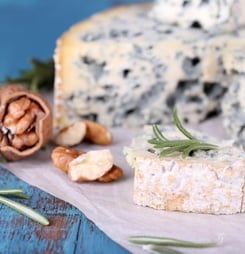
Aromas of botanicals, a hint of sweetness, and a dash of bitterness create the perfect cocktail ingredient. Cheers to vermouth!
- France
- Italy
- Spain
- and 1 more
National Wine Day
If only every day was Wine Day. Gather some friends together and splurge on some fancier wines, or visit a vineyard to try out your local selections.
- International
- United States

National Drink Wine Day
Raise your glass to a delicious beverage that pairs well with a romantic dinner or a fun night out with friends!
- France
- International
- Italy
- and 2 more

World Martini Day
Gin and vermouth, shaken not stirred…and garnished with olives. The classic and iconic Martini had been a favorite of everyone from James Bond to Ernest Hemingway.
- Canada
- France
- United Kingdom
- and 1 more
National days and holidays on May 21

Cannes Film Festival
The Cannes Film Festival is one of the most glamorous and important events in the film industry. Held annually in the beautiful city of Cannes on the French Riviera, this festival draws the biggest names in cinema, from directors to actors. The red carpet is a dazzling display of style...
- France

International Tea Day
While everyone loves a cup of tea, many of the workers and producers of that tea face poor conditions and pay. Help raise awareness and keep tea fair.
- International
Chardonnay Day
Celebrate Chardonnay Day by exploring diverse styles, food pairings, and fun tasting ideas while discovering the history and global culture of this iconic white wine.
- Argentina
- Australia
- Brazil
- and 10 more

National Waitstaff Day
Celebrate National Waitstaff Day by honoring the servers who make dining memorable, highlighting their hard work, skilled service, and vital role in every meal out.
- United States
Seize Every Day
Join free for personalised recommendations, email reminders and exclusive guides. Never miss a day.