National Cabbage Day
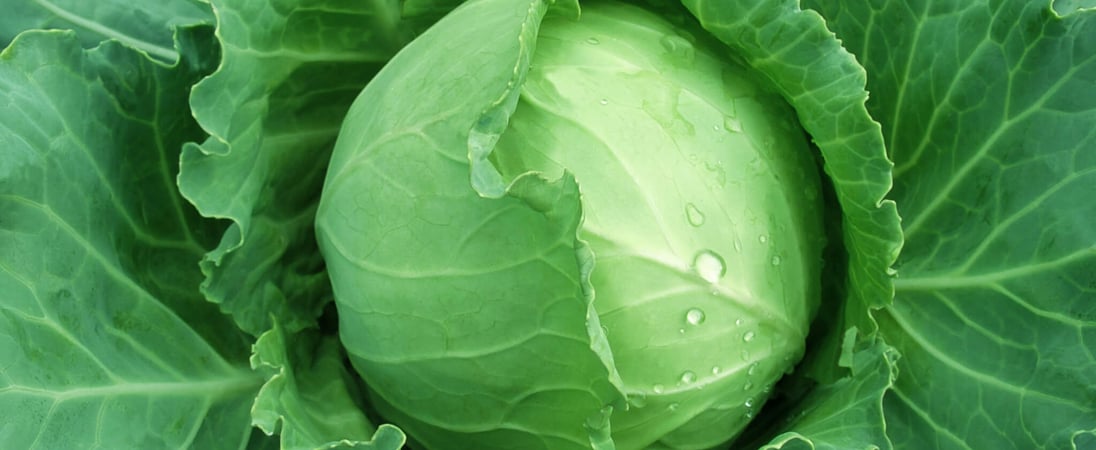
This crunchy, leafy green is a powerhouse of nutrition. Sliced raw in salads or cooked in stews, cabbages add flavor and texture to any dish.
Beyond the popularity of the Cabbage Patch Dolls from the 1980s and beyond, cabbage sometimes doesn’t get as much honor as it deserves. National Cabbage Day is here to change that story!
How to Celebrate National Cabbage Day
Celebrate the taste and nutritional value of this vegetable on National Cabbage Day! Consider getting involved in the day with some of these ideas:
Eat Some Cabbage
Many people consider cabbage something their grandmothers made, but it’s time to bring back this classic! Affordable and nutritious, cabbage has gotten a bad rap but can really be made into some delicious and delightful dishes.
Whether used fresh or cooked, cabbage offers a way to add some unique flavors and crunch to an otherwise boring menu.
Try out some of these ideas for cabbage recipes:
- Napa Cabbage Wedge Salad. Forget the iceberg lettuce and opt for a wedge salad that contains bacon, green onions and a delicious sesame ranch dressing.
- Kimchi. A traditional Korean dish, Kimchi can be made from various vegetables (including cabbage, of course!) that are salted and fermented.
- Fried Shrimp with Cabbage Slaw. Cabbage makes an amazing complementary side dish to seafood, like fried shrimp or even fish tacos.
Learn Fun Facts About Cabbage
Get involved with celebrating National Cabbage Day by learning and sharing some bits of trivia about this important vegetable. Try out some of these facts to get started:
-
Cabbage is often associated with the Irish dish, corned beef and cabbage, which is often made and eaten in celebration of St. Patrick’s Day in March.
-
Cabbage is nutritionally sound, offering health benefits such as fiber, iron, vitamin C, vitamin K, folate, potassium, calcium, manganese and much more.
-
Cabbage is a low-calorie food that is great for anyone to eat. In fact, one cup of cabbage only has fifteen calories.
-
Famed baseball player Babe Ruth used to wear a cabbage leaf under his baseball cap during each game, apparently for luck, as baseball players are rather superstitious.
History of National Cabbage Day
Dating back at least 6000 years, cabbage is a vegetable that has origins in Asia and the Mediterranean, and acts as a staple for foods from many different cultures.
Easy to grow and with many varieties, cabbage offers a hearty option for food storage over the winter time, especially in root cellars, which is probably why it can be well utilized in places that are cold and dark.
Cabbage comes in a few varieties, including green, purple, red and Napa cabbage. Though it looks a lot like lettuce, cabbage is not actually related to lettuce at all.
Part of the cruciferae family, cabbage is a cousin to other vegetables, including broccoli, cauliflower and the delightful brussel sprout, which can obviously be celebrated on its own day: Eat Brussel Sprouts Day!
National Cabbage Day was founded to pay special attention to this vegetable that is especially great when enjoyed during the winter time. Perhaps that’s why the day was chosen for this month!
National Cabbage Day FAQs
Is cabbage actually good for you, or is it mostly just water?
Cabbage is low in calories but relatively dense in nutrients rather than “just water.” Raw green cabbage provides vitamin C, vitamin K, folate, and fiber, while red/purple cabbage also contains anthocyanins, a type of antioxidant pigment linked in research to potential heart and vascular benefits.
Like other cruciferous vegetables, cabbage contains glucosinolates, which can be broken down into biologically active compounds studied for possible roles in cancer prevention, though findings are still being investigated.
What are the main differences between green, red, Savoy, and Napa cabbage?
Green cabbage has tightly packed, pale green leaves and a relatively strong, “classic” cabbage flavor that holds up well in boiling, braising, and slaws.
Red (purple) cabbage is similar in texture but contains anthocyanin pigments and slightly more vitamin C; its color can change with cooking depending on acidity.
Savoy cabbage has crinkled, tender leaves with a milder, sweeter flavor, making it suitable for quick sautés and stuffed cabbage.
Napa (Chinese) cabbage, commonly used in East Asian cuisines, has elongated, pale leaves, a juicy, mild taste, and a softer texture that works well in stir-fries, soups, and kimchi.
Why does cabbage sometimes cause gas, and can anything be done about it?
Cabbage can cause gas because it contains raffinose and other fermentable carbohydrates, as well as fiber, that are not fully broken down in the small intestine.
When they reach the large intestine, gut bacteria ferment them and produce gas as a by‑product. Gradually increasing cabbage intake, cooking it instead of eating it raw, and combining it with other foods can reduce symptoms for some people.
Individuals with irritable bowel syndrome may find that limiting large portions of cabbage or choosing lower‑FODMAP vegetables helps manage discomfort.
How long can raw cabbage be stored safely, and what is the best way to keep it fresh?
Whole heads of cabbage keep best when stored unwashed in the refrigerator, loosely wrapped or in a perforated bag, where they typically last about 1–2 weeks for green and red types, and somewhat less for more delicate varieties like Napa.
Cut cabbage should be tightly wrapped or stored in an airtight container and used within several days for best quality and safety, discarding it sooner if there is an off odor, sliminess, or visible mold.
Keeping cabbage cold slows enzymatic activity and microbial growth, which helps preserve texture and nutrients.
Is fermented cabbage like sauerkraut and kimchi actually safe to eat without cooking?
Properly made sauerkraut and kimchi are generally safe to eat without further cooking because the salt concentration and fermentation by lactic acid bacteria create an acidic environment that inhibits many harmful microbes.
Food safety experts recommend using the correct amount of salt, keeping the cabbage submerged in brine, and fermenting at cool room temperatures to avoid spoilage.
Once fermented, these foods should be stored refrigerated in clean containers, and any batch that develops mold, a slimy texture, or a strong off‑odor should be discarded rather than tasted.
How did cabbage become a staple in so many different cuisines around the world?
Cabbage spread widely because it is relatively easy to grow in cool climates, can yield heavily on small plots, and stores well through winter when fresh produce is scarce.
In Europe it became a key peasant food and was often preserved as sauerkraut, while in East Asia varieties of heading and Chinese cabbages were adapted into dishes such as kimchi and stir‑fries.
Its versatility—being suitable for boiling, braising, fermenting, and serving raw—helped it become embedded in traditional dishes from Central and Eastern Europe to East Asia and the Americas.
Are there any groups of people who should be cautious about eating large amounts of cabbage?
Most people can safely eat cabbage, but those taking blood‑thinning medications such as warfarin should be aware that cabbage is high in vitamin K, which can interfere with how these drugs work if intake suddenly increases or decreases.
People with certain thyroid conditions may be advised to moderate very large intakes of raw cruciferous vegetables, including cabbage, because of naturally occurring goitrogenic compounds, although normal cooked portions are generally considered safe.
Individuals with digestive disorders like IBS may also need to limit cabbage due to its gas‑producing fermentable carbohydrates.
Also on ...
View all holidays
National Random Acts of Kindness Day
Brighten someone's day with unexpected kindness! Hold the door, pay for a coffee, or simply smile. Small gestures make a big difference!



We think you may also like...
Fresh Veggies Day
Head to a farmer’s market, U-Pick veggie field, or even your own backyard garden and see what delicious and nutritious meals you can make with fresh veggies.
National Tater Day
With so many reasons to love potatoes, it’s no surprise that these little vegetables have their own day to celebrate them.