

National Sofrito Day spotlights sofrito, a flavorful blend of herbs, spices, and vegetables widely celebrated across Latin American and Caribbean kitchens. Sofrito transforms simple ingredients into a rich, aromatic base, enhancing stews, rice, beans, meats, and more.
Each country has its own twist, with versions that might use bell peppers, tomatoes, onions, or garlic. Sofrito’s beauty lies in its ability to bring depth and warmth to countless dishes, making it a beloved kitchen essential in many cultures.
On National Sofrito Day, food lovers celebrate the versatility and unique charm of this culinary staple. Sofrito adds not only flavor but a sense of tradition and pride, linking generations through a shared love of rich, vibrant meals.
From homes to restaurants, dishes enhanced with sofrito offer a sensory journey, transporting diners to tropical coasts or bustling city markets.
The day offers a chance to savor this lively ingredient, reminding everyone how food can connect people through flavor and history.
National Sofrito Day Timeline
Earliest Written Sofrito Recipe in Catalonia
The Catalan cookbook Llibre de Sent Soví records one of the earliest known sofrito (sofregit) recipes, a simple base of onions gently fried in oil to flavor medieval dishes.
Sofrito Becomes a Staple of Iberian Cooking
Across late medieval Spain, cooks refine sofrito as a foundational technique, slowly frying aromatics in olive oil to start stews, rice dishes, and meats in Catalan and broader Iberian cuisine.
New World Ingredients Transform Sofrito
After the Columbian Exchange introduces tomatoes and peppers to Europe, Spanish cooks begin incorporating these ingredients into sofrito, enriching its color and flavor.
Spanish Colonization Carries Sofrito to the Americas
As Spanish colonizers settle the Caribbean and Latin America, they bring the sofrito technique, which local cooks blend with Indigenous and African ingredients and traditions.
Sofrito Takes Root in Puerto Rican Home Cooking
By the 1800s, Puerto Rican cuisine, documented in regional cookbooks, relies on sofrito-style flavor bases intertwined with Taíno, Spanish, and African influences in everyday dishes.
Caribbean and Latin American Variants Multiply
Distinct regional versions emerge, from Puerto Rican green recaito to Cuban and Dominican sofritos with peppers and tomatoes, each becoming a signature of local home cooking.
Packaged Sofrito Enters Mass Markets
Food companies begin selling jarred and frozen sofrito, turning a traditionally homemade base into a commercial product and helping spread Latin Caribbean flavors in U.S. supermarkets.
How to Celebrate National Sofrito Day
Looking for a fresh way to celebrate National Sofrito Day? Here are some flavorful ideas that add a twist to your usual cooking routine. Each is inspired by the rich tradition of sofrito and its endless possibilities in the kitchen.
Whip Up Your Own Sofrito
Why settle for store-bought when you can make your own? Try combining garlic, peppers, onions, and herbs to create your unique blend.
Experiment with proportions and see how each tweak brings out different flavors. Making sofrito from scratch will fill your kitchen with savory aromas that’ll have everyone asking for a taste.
Host a Sofrito Tasting Party
Turn your kitchen into a tasting room for friends and family. Invite everyone to bring dishes showcasing sofrito from various cultures, like Puerto Rican, Cuban, or Dominican styles.
Set up a “sofrito station” so guests can mix their own and discover which ingredients make each version special. It’s a tasty way to learn about different flavors and cooking styles.
Explore New Recipes
Sofrito isn’t just for traditional dishes. Try adding it to scrambled eggs, roasted vegetables, or even as a base for a quick soup.
With each experiment, you’ll see how sofrito turns the simplest ingredients into something memorable. If you’re unsure where to start, find online recipes that use sofrito in unexpected ways for an adventurous cooking day.
Visit a Local Restaurant
Sometimes, it’s best to let a professional handle the cooking. Head to a Latin American or Caribbean restaurant and order dishes where sofrito plays a starring role.
Chat with the chef or staff to learn more about the role of sofrito in their cuisine—you might even leave with new ideas to try at home!
Share the Sofrito Love
If you’re a sofrito fan, spread the love by giving homemade jars to friends or family. Dress up each jar with a little label explaining the ingredients.
Include a simple recipe to show how versatile sofrito can be in everything from marinades to sauces. It’s a fun, flavorful gift that invites others to join in the celebration.
History of National Sofrito Day
National Sofrito Day was launched to celebrate the rich culinary traditions behind sofrito, a beloved cooking base in Latin American and Caribbean cuisine.
This special day encourages people to appreciate Sofrito’s unique blend of vegetables, herbs, and spices, which add depth to countless dishes.
The origins of sofrito date back to medieval Catalonia. The name comes from the Spanish word “sofreír,” which means “to fry lightly.” Today, variations of sofrito exist globally, from Puerto Rico to the Dominican Republic, each with its distinct twist.
The idea of National Sofrito Day emerged to bring awareness to this flavorful ingredient and its cultural significance. By dedicating a day to sofrito, organizers hoped to inspire people to explore its versatility and celebrate the flavors it brings to everyday meals.
Goya Foods, a prominent brand known for its Latin American products, has supported Sofrito’s popularity in the U.S. by offering prepared versions, making it easier for home cooks to enjoy this traditional base.
Facts About National Sofrito Day
Catalan Roots in a 14th‑Century Cookbook
One of the earliest written versions of sofrito appears in the 14th‑century Catalan cookbook “Llibre de Sent Soví,” where a preparation called “sofregit” described gently frying onions and other aromatics in fat as a base for meat and vegetable dishes long before tomatoes reached Europe.
Tomatoes Arrived Late to Sofrito
Although many modern sofritos are tomato-heavy, historical research shows that the original Iberian versions contained no tomatoes at all, since the fruit did not reach Europe from the Americas until the 16th century and only gradually became a common addition to Spanish and Latin American flavor bases.
Sofrito’s Cousins Across Europe and Latin America
Sofrito is part of a larger family of aromatic “trinity” bases: Italian soffritto, French mirepoix, Portuguese refogado, and Latin American recaudo or recaíto all rely on slowly cooked onion, carrot, celery, peppers, or herbs to build depth of flavor, reflecting a shared culinary technique that spread and adapted across continents.
Culantro’s Key Role in Puerto Rican Sofrito
In Puerto Rican cooking, traditional green sofrito (often called recaito) relies heavily on culantro, a long-leaf herb with a stronger, more pungent flavor than cilantro; combined with garlic, onions, and sweet peppers like ají dulce, it creates a concentrated herb paste that underpins iconic dishes such as arroz con gandules and many bean stews.
A Fusion of Taíno, Spanish, and African Traditions
The prominence of sofrito in Puerto Rican cuisine reflects the island’s broader culinary history, where Indigenous Taíno ingredients, Spanish cooking techniques, and African influences merged; Spanish settlers introduced the sautéed aromatic base, which was then blended with local herbs, peppers, and staples to create a distinctly Boricua version.
Sofrito as a Flavor “Memory” in the Caribbean
Food historians note that Caribbean sofritos function as a kind of edible archive, preserving older European techniques while encoding local landscapes in the form of native peppers, herbs, and alliums; the scent of a pot starting with sofrito is often described by Caribbean cooks as the smell of “home” more than any single finished dish.
Aromatics as Everyday Kitchen Engineering
Culinary scientists explain that starting dishes with a sofrito-type base is essentially flavor engineering: slowly cooking onions, garlic, and peppers converts harsh sulfur compounds into sweet, nutty aromas via Maillard reactions and caramelization, which helps emulsify fat and water in a pot and makes even inexpensive staples like beans and rice taste richer.



You may also like

National Borinqueneers Day
National Borinqueneers Day honors the brave Puerto Rican soldiers of the 65th Infantry Regiment. Known as the Borinqueneers, these men served valiantly in various conflicts, including the Korean War. Their dedication and courage earned them numerous accolades, such as the Congressional Gold Medal. This day highlights the significant contributions of Hispanic...
- United States

National Mofongo Day
National Mofongo Day is a celebration of Puerto Rico's beloved dish, mofongo. This festive day honors the unique blend of flavors and cultures that come together in this culinary delight. Mofongo, made from mashed plantains, garlic, pork cracklings, and other seasonings, is a staple in Puerto Rican cuisine. This day...
- Dominican Republic
- Puerto Rico
- United States
National Onion Day
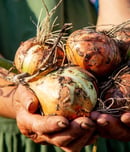
Celebrate National Onion Day by exploring onion varieties, cooking flavorful recipes, and discovering the health benefits of this versatile kitchen staple.
- United States

National Coquito Day
It's the festive elixir that brings a warm embrace to your taste buds with every sip. A holiday in a glass!
- Puerto Rico
- United States
National days and holidays on March 11 2027

Teen Tech Week
Libraries evolve with technology, offering digital tools and resources for research, learning, and exploration beyond books.

World Plumbing Day
From hot showers to clean drinking water, plumbing provides us with essential comforts that we often take for granted.
- Australia
- Canada
- India
- and 3 more

Key Deer Awareness Day
Key Deer Awareness Day highlights the rare Key Deer, an endangered species found only in the Florida Keys. These small deer, unique to this island chain, stand out for their small size and short legs, which help them navigate the dense island vegetation. Their limited habitat, along with challenges like habitat...
- United States

Brain Awareness Week
Understanding the intricate dance of neurons and synapses unravels the mysteries of cognition, revealing the brain's brilliance.
Seize Every Day
Join free for personalised recommendations, email reminders and exclusive guides. Never miss a day.