National Caregivers Day
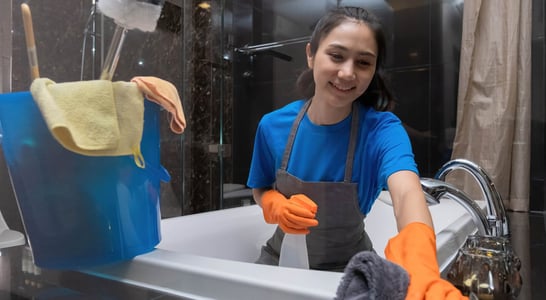
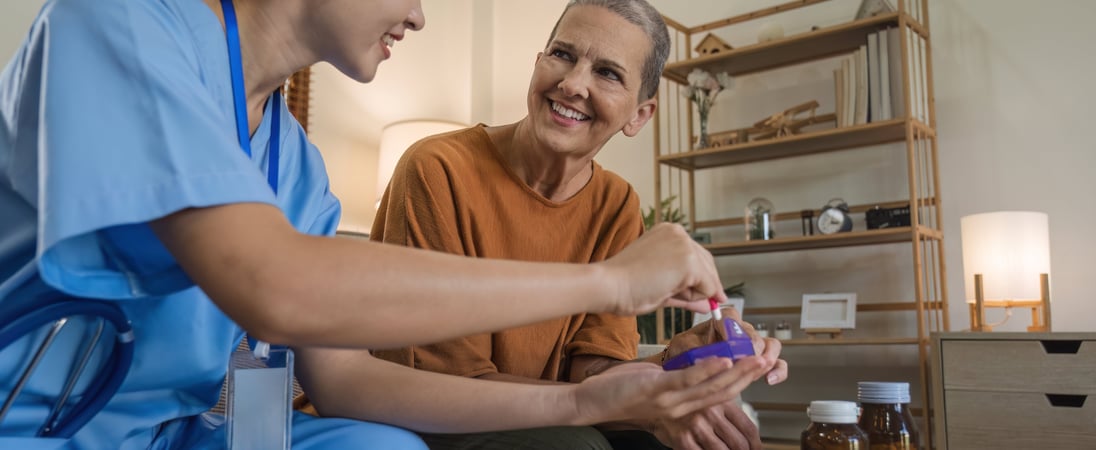
National Caregivers Day is a special time dedicated to recognizing and appreciating the selfless individuals who provide care to others.
These caregivers work tirelessly to support those who need assistance with daily activities, medical needs, or emotional support.
This day shines a spotlight on their compassion, patience, and dedication, reminding us of their invaluable contributions to society!
National Caregivers Day Timeline
1798
First American almshouse opens in Philadelphia
The Philadelphia Almshouse, opened in 1798, provides organized institutional care for the city’s poor, sick, and disabled residents, signaling a shift from exclusively family-based caregiving toward public responsibility.
1965
Medicare and Medicaid reshape professional caregiving
The Social Security Amendments of 1965 create Medicare and Medicaid, fueling rapid growth in hospitals, nursing homes, home health agencies, and paid caregiving roles across the United States.
1974
First modern hospice in the United States opens
Connecticut Hospice in Branford begins caring for terminally ill patients in 1974, helping to professionalize end-of-life caregiving and promote team-based, family-centered hospice care.
1987
OBRA nursing home reforms set caregiving standards
The Omnibus Budget Reconciliation Act of 1987 includes the Nursing Home Reform Law, which sets federal standards for residents’ rights and quality of care, reshaping expectations of long-term caregiving in U.S. facilities.
2018
RAISE Family Caregivers Act becomes U.S. law
Enacted in January 2018, the RAISE Family Caregivers Act directs federal agencies to develop a national family caregiving strategy, formally recognizing caregivers’ essential role in the health and long-term care systems.
How to Celebrate National Caregivers Day
Write a Heartfelt Note
Nothing beats a genuine note! Grab a pen and let your words dance on paper. Expressing gratitude through a personal message can bring joy to any caregiver’s day.
A few heartfelt lines can mean the world.
Treat Them to a Spa Day
Everyone loves a little pampering. Give caregivers a break with a relaxing spa day. A massage, facial, or even a pedicure can help them unwind. Let them know they deserve some “me” time.
Share Their Story
Celebrate by spreading the word! Highlight caregivers’ amazing work on social media. Use fun hashtags to create buzz. Sharing stories can inspire others and show caregivers that their hard work is noticed.
Plan a Surprise Party
Throw a small surprise party! Gather friends and family to celebrate caregivers. A cheerful get-together with cake, balloons, and heartfelt thanks can make their day unforgettable. Keep it simple but filled with love.
Give a Thoughtful Gift
Consider giving a thoughtful gift. Items like cozy blankets, personalized mugs, or a good book can bring comfort and joy. Choose something that suits their personality and shows you care.
Purpose of National Caregivers Day
The celebration of National Caregivers Day is vital for several reasons.
Caregivers often provide unpaid care, sometimes for multiple individuals, sacrificing their own time and energy to ensure the wellbeing of those they care for.
Many caregivers are family members who juggle caregiving responsibilities with their own lives, which can be incredibly challenging. Acknowledging their efforts helps to raise awareness about the physical, emotional, and financial strains they face daily.
This day also emphasizes the importance of supporting caregivers in their roles. It encourages us to express gratitude and offer tangible support, whether through kind words, a note of thanks, or assistance with their caregiving duties.
By recognizing caregivers’ hard work, we not only honor their contributions but also highlight the need for resources and support systems to aid them in their essential roles.
History of National Caregivers Day
National Caregivers Day was established in 2015 by the Providers Association for Home Health & Hospice Agencies (PAHHHA).
The first celebration took place in February 2016. This day honors the hard work and dedication of caregivers across the country.
The idea for this special day came from the need to recognize the tireless efforts of those who provide care. Caregivers often manage multiple responsibilities, including medical tasks and emotional support. Many work without pay, driven by love and compassion.
National Caregivers Day aims to acknowledge these everyday heroes and their vital contributions to society, encouraging everyone to show appreciation for caregivers.
It highlights the importance of their work and the impact they have on the lives of those they care for.
By dedicating a day to them, the hope is to raise awareness and support for these selfless individuals, ensuring they feel valued and appreciated.
Facts About National Caregivers Day
The Hidden Economic Power of Unpaid Care
Caregiving as a Chronic Stress Exposure
Caregivers’ Own Health Often Suffers
Public health data from the CDC show that about 1 in 5 U.S. caregivers report their overall health as fair or poor, and large numbers experience frequent distress: roughly 14.5 percent report at least 14 mentally unhealthy days in the past month, and 17.6 percent report 14 or more physically unhealthy days.
More than a third of caregivers get insufficient sleep, and over 40 percent live with two or more chronic conditions themselves.
Caregiving and the American Workplace
Balancing a job with caregiving responsibilities has become a major workforce issue.
The Family Caregiver Alliance reports that between 60 and 70 percent of family caregivers are employed, and many say their work life has been disrupted: they reduce hours, turn down promotions, take leaves of absence, or even leave the workforce entirely.
These adjustments can permanently reduce lifetime earnings and retirement savings, deepening the long‑term financial impact of caregiving.
A Rapidly Growing Caregiver Population
Recent national surveys suggest that about 24 percent of U.S. adults, nearly one in four, are now providing unpaid care to another adult, an increase from earlier estimates of around 19 percent.
This rise reflects population aging, longer survival with chronic illness, and care needs that outpace the formal long‑term care system, leaving families to fill more complex medical and coordination roles at home.
Emotional Strain and Isolation Among Caregivers
Contemporary caregiving surveys find that roughly two‑thirds of family caregivers report high emotional stress and nearly half report significant physical strain.
Feelings of isolation are also common, with about a quarter saying they often feel alone in their role, a proportion that has grown in the wake of the COVID‑19 pandemic as community supports, respite options, and social networks were disrupted.
When Care Is Not a Choice
Caregivers who feel they had “no choice” about assuming their role experience measurably worse outcomes than those who felt they could decide.
Studies show that these caregivers report more days of poor mental and physical health, greater strain, and higher levels of anxiety and depression, suggesting that perceived control over entering the caregiving role is a key factor in how burdensome that role becomes.
National Caregivers Day FAQs
What are the main types of caregivers, and how do their roles differ?
Caregivers generally fall into two broad groups: informal and formal. Informal caregivers are usually family members, friends, or neighbors who provide unpaid help with daily activities, transportation, medication reminders, and emotional support.
Formal caregivers are paid workers such as home health aides, personal care assistants, nurses, or hospice staff who are trained to provide medical, rehabilitative, or personal care services, often under a care plan.
Many care situations combine both types, with family caregivers coordinating and professionals handling more complex medical tasks.
What are the most common signs of caregiver burnout?
Caregiver burnout often shows up as persistent fatigue, sleep problems, irritability, feelings of hopelessness, loss of interest in activities, and withdrawing from friends or family.
Physically, caregivers may experience headaches, stomach issues, or more frequent illnesses. They may feel resentful or guilty about their role, or notice that they are becoming impatient with the person they care for.
When these signs are ongoing rather than temporary stress, health professionals recommend seeking support, including respite services and mental health care.
How does caregiving typically affect a person’s finances and career?
Caregiving can significantly affect income, savings, and employment. Many family caregivers reduce work hours, turn down promotions, or leave jobs altogether to provide care, which lowers current earnings and future retirement benefits.
Out-of-pocket costs for transportation, medical supplies, home modifications, and paid help can also add up quickly.
Research cited by public health agencies shows that working caregivers report higher levels of financial strain and may be more likely to experience job-related stress and absenteeism than non-caregivers.
What types of support have been shown to help caregivers the most?
Studies consistently show that a mix of practical and emotional support works best. Practical help includes respite care, adult day services, and home health aides that give caregivers time off.
Skills training in areas like lifting techniques, managing medications, or handling dementia-related behaviors increases confidence and reduces stress.
Emotional supports such as peer support groups, counseling, and education about the illness or disability help caregivers feel less isolated and more prepared.
Evidence-based programs that combine education, problem-solving, and ongoing support can reduce depression and burden in caregivers.
How is caregiving experienced differently across cultures?
Cultural values strongly shape how caregiving is organized and understood. In many parts of Asia, Latin America, Africa, and the Middle East, caring for older relatives at home is viewed as a core family duty, and multigenerational households are common.
In some Western countries, formal long-term care services are used more frequently, although family still provides most day-to-day support.
Expectations about which family member should provide care, attitudes toward nursing homes, and willingness to seek outside help all vary by culture.
These differences affect caregiver stress, the use of services, and how comfortable caregivers feel asking for support.
What is respite care, and when should caregivers consider using it?
Respite care is temporary, short-term care provided to a person with support needs so that their usual caregiver can take a break. It can be delivered at home, in adult day centers, residential facilities, or through short stays in care homes or hospice settings.
Health agencies recommend considering respite when caregiving demands are constant, when the caregiver’s own health is suffering, or when the caregiver needs time for work, other family responsibilities, or rest.
Regular, planned respite is linked to lower caregiver stress and can help sustain care at home for longer.
How can someone new to caregiving prepare for the role?
New caregivers are encouraged to start by getting a clear medical and care plan from health professionals, including diagnoses, medications, and likely changes over time.
Learning basic skills such as safe transfers, medication management, and symptom monitoring can prevent injuries and reduce anxiety. Experts also advise identifying a support network early, including other family members, community services, and local caregiver organizations, and keeping legal and financial documents up to date.
Planning for emergencies and respite from the beginning helps make caregiving more sustainable.
Also on ...
View all holidays
National Love Your Pet Day
Nurturing an unbreakable bond with your furry companion, a profound connection that enriches life with boundless affection and joy.

International Pipe Smoking Day
Exploring the rich tradition of pipe smoking, a timeless ritual steeped in history and cultural significance.

National Comfy Day
Wrapping yourself up in a warm cocoon, and snuggling with your favorite book or movie is what makes life worth living.

We think you may also like...

International Day of Medical Transporters
Take some time to appreciate the men and women who get the sick injured to where they can get help. Medical transporters save lives every day, so thank them.