

If life is just a bowl of cherries, then those cherries can—and should—be used to make a delicious treat in celebration of National Cherry Cobbler Day!
National Cherry Cobbler Day Timeline
Improvised Fruit “Cobblers” in British Colonies
British settlers in North America begin baking stewed fruit topped with simple biscuit or batter dough in Dutch ovens and hearths, creating early “cobbler”-style desserts as substitutes for traditional English puddings they could not easily reproduce.
First American Cookbook Mentions Baked Fruit Puddings
Amelia Simmons’s “American Cookery,” one of the earliest cookbooks printed in the United States, includes recipes for baked fruit puddings and pies, laying groundwork for distinct American fruit desserts that evolve into regional dishes such as cobblers and crisps.
Cobbler Becomes a Named American Dessert
By the mid-1800s, American cookbooks and regional recipe collections begin using the word “cobbler” for baked fruit dishes with a biscuit or batter topping, distinguishing them from traditional pies and marking cobbler as a recognizable American dessert category.
Commercial Sour Cherry Cultivation Expands in the U.S.
Horticulturist Charles Downing documents and promotes sour cherry varieties suitable for American orchards, helping spur wider cultivation of cooking cherries that become common ingredients in pies, cobblers, and preserves.
Cherry Pies and Cobblers Enter Mainstream Cookbooks
Late 1800s American cookbooks such as “The Boston Cooking-School Cook Book” include detailed recipes for cherry pies and similar baked fruit puddings, reflecting the popularity of cherries in home baking and solidifying cherry desserts as American staples.
Canned Cherry Industry Supports Year-Round Cobblers
The growth of commercial canning, particularly of sour cherries in states like Michigan and Oregon, makes preserved cherries widely available and affordable, allowing home cooks to prepare cherry pies and cobblers in any season rather than only at harvest time.
Traverse City Embraces “Cherry Capital” Identity
Building on decades of cherry production in the Grand Traverse Bay region, civic leaders and growers in Traverse City, Michigan, promote the area as the “Cherry Capital of the World,” highlighting its tart cherry orchards and associated products such as cherry pies and cobblers.
How to Celebrate National Cherry Cobbler Day
Enjoy the observance of National Cherry Cobbler Day in a variety of fun ways, including some of these:
Make Some Cherry Cobbler
Those who are experts in the kitchen know that Cherry Cobbler really isn’t that difficult of a dish to prepare and bake.
And for those who have never made it before, what could be a better time than National Cherry Cobbler Day to try a new culinary adventure?!
Starting with fresh cherries is fabulous, of course, but certainly a recipe using a can of cherry pie filling can cut down on time in the kitchen.
Make a crust from flour, butter, sugar, baking powder and milk. Pour the batter into a baking dish and then pour the cherry pie filling over the top. Bake, top with a scoop of ice cream or a dollop of whipped cream.
Pro Tip: For those who are in a hurry and want an even easier hack for cheating, Cherry Cobbler can be made using refrigerated biscuit dough that is baked with cherry pie filling. Easy peasy!
Visit the Cherry Capital of the World
To truly celebrate Cherry Cobbler, as well as an enormous variety of other items made from cherries, head on over to Traverse City, Michigan.
Known as the Cherry Capital of the World, this would be a perfect place to learn more about cherries and experience them in a myriad of ways.
The National Cherry Festival takes place in July, so perhaps this would be just the right motivation to make plans to visit during the festival or another time throughout the summer.
Visitors come to this city, located in Grand Traverse Bay in the northwestern part of the state of Michigan, to celebrate the cherry tree, its blossoms and its delicious fruit.
Make a Playlist of Cheery Cherry Songs
Listen to some fun songs by making a playlist in honor of National Cherry Cobbler Day. Try some of these cherry themed songs to get started:
- Cherry by Harry Styles (2019)
- Cherry Bomb by John Mellencamp (1987)
- Cherry, Cherry by Neil Diamond (1966)
- Cherry Oh Baby by The Rolling Stones (1976)
History of National Cherry Cobbler Day
Though the exact origins of Cherry Cobbler are unclear, it seems to be a dessert that was created by British colonists in what would eventually become the United States.
The recipe likely arose because the Brits lacked the cooking equipment and ingredients they would have used for their puddings and desserts, so they improvised. And the result was this simple and delicious treat that dates back to the early 1800s.
National Cherry Cobbler Day was established to show appreciation for this simple yet delicious baked treat that has been enjoyed by so many families in the US and throughout the world!
Facts About National Cherry Cobbler Day
Colonial “Cobbler” Dishes Were Baked Adaptations of British Puddings
Early American cobblers appear to have developed when British settlers in North America lacked the ingredients, ovens, and steaming equipment needed for traditional suet puddings, so they baked fruit with a coarse, biscuit‑like topping instead.
By the early 19th century, American cookbooks were describing cobblers, grunts, slumps, and pandowdies as regional variants of these improvised fruit-and-dough desserts, distinct from European pies and tarts.
Tart Cherries Dominate American Baking Varieties
While sweet cherries are often eaten fresh, most classic American baked cherry desserts rely on tart varieties, especially Montmorency cherries.
These bright-red, sour cherries hold their shape and flavor during cooking and freezing, and by the early 21st century Michigan alone was producing more than 70 percent of the U.S. The tart cherry crop is primarily intended for use in pie and cobbler fillings, canned products, and frozen packs.
Traverse City Built Its Identity Around Commercial Cherry Orchards
Traverse City, Michigan, began planting large commercial cherry orchards in the late 19th and early 20th centuries, taking advantage of Lake Michigan’s moderating effect on temperature, which protects cherry blossoms from late frosts.
By the mid‑1900s the region’s sandy soils and microclimate had helped it become one of the leading tart cherry producing areas in the United States, anchoring a local economy of growers, processors, and cherry-focused tourism.
Cherries Are Naturally Rich in Anthocyanins and Melatonin
Both sweet and tart cherries contain high levels of anthocyanins, the pigments that give them their deep red color and act as antioxidants in the body.
Tart cherries in particular are also a natural source of melatonin and have been studied for potential benefits on sleep quality, exercise recovery, and inflammation, although these effects are linked to concentrated juice or whole fruit, not sugar-heavy desserts.
National Cherry Cobbler Day FAQs



You may also like

National Peach Cobbler Day
A warm and sweet dessert, filled with the goodness of fresh fruit and topped with a crisp crust — the perfect treat!
- Canada
- United Kingdom
- United States
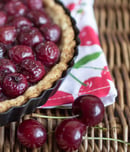
National Cherry Tart Day
Celebrate National Cherry Tart Day by baking, sharing, and savoring this tangy-sweet dessert, honoring cherry season, tradition, and delicious creativity.
- Canada
- United Kingdom
- United States

National Cherry Pie Day
Indulge in the sweet taste of summer's finest fruit, baked to perfection in a flaky crust. This delicious dessert will leave you feeling warm and satisfied.
- Canada
- United Kingdom
- United States
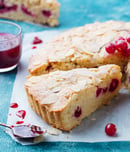
National Bakewell Tart Day
Savor the exquisite blend of almond-infused goodness in a dessert that epitomizes the perfect harmony of flavors.
- United Kingdom
National days and holidays on May 17

Cannes Film Festival
The Cannes Film Festival is one of the most glamorous and important events in the film industry. Held annually in the beautiful city of Cannes on the French Riviera, this festival draws the biggest names in cinema, from directors to actors. The red carpet is a dazzling display of style...
- France

National Stationery Week
Sharpen your pencils and break out your fine pens, and take this excuse to use some fancy stationery. Write a loved one, find a pen pal, or even make your to-do list.

World Baking Day
Cookies, brownies, pies, bread…try out some new recipes, or revisit your old favorites to have a little fun in the kitchen and end up with tasty treats.
- Australia
- Canada
- Germany
- and 2 more

American Craft Beer Week
Exploring diverse flavors and styles, American craft beer showcases innovation and craftsmanship, delighting enthusiasts worldwide.
- United States
Seize Every Day
Join free for personalised recommendations, email reminders and exclusive guides. Never miss a day.