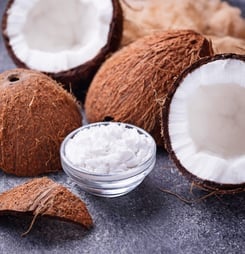
Did you know how versatile the coconut is? Part drink, part dessert, part building supply, it is the overachiever of the produce world. Coconut water can be sipped straight from the shell, the creamy meat can be eaten fresh or turned into milk, and the oil shows up everywhere from sauté pans to skincare shelves.
Even the “leftovers” refuse to be wasted. The husk can be transformed into sturdy fiber, the shell becomes useful fuel or craft material, and the leaves can be woven into practical goods. National Coconut Day celebrates this astonishing range, inviting people to look at a single fruit and see a whole toolkit.
Beyond its many uses, the coconut also plays a huge role in global communities. In many coconut-growing regions, farming families rely on it as a steady source of income, selling everything from fresh coconuts to dried copra (used for oil), coir fiber (from the husk), and value-added foods. Because so many parts of the coconut palm are usable, the crop often supports a web of jobs, including harvesting, processing, transport, and small-scale manufacturing.
It provides food, tradition, and industry, making everyday life easier in ways that are easy to miss when coconut only appears as a carton of coconut milk or a bag of flakes. National Coconut Day is not just about enjoying coconuts. It is also about noticing how a tropical staple can connect nutrition, culture, and livelihoods, all while encouraging a less wasteful way of using natural resources.
How to Celebrate National Coconut Day
Celebrating National Coconut Day offers a delightful opportunity to explore the many uses of this tropical fruit. Here are some engaging ways to honor the coconut:
Culinary Adventures
Experiment with coconut-based dishes to see how one ingredient can shift a recipe’s personality from cozy to tropical in seconds. Coconut milk can mellow spicy curries and create a silky sauce without dairy, while shredded coconut adds chewy sweetness and a little crunch to baked goods.
A few ideas that showcase the coconut’s range:
- Savory comfort: Thai-style chicken curry, coconut-braised greens, or lentils finished with coconut milk for a creamy texture.
- Weeknight upgrades: Stir coconut cream into soups, whisk coconut milk into salad dressings, or toast coconut flakes to sprinkle over roasted vegetables.
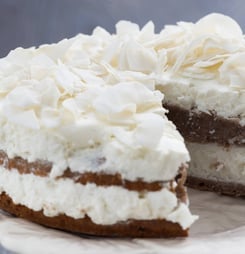
- Dessert classics: Coconut macaroons, coconut tres leches cake, or coconut leche flan for a custard with extra richness.
- Texture play: Use coconut flour in small amounts for baking. It absorbs liquid differently than wheat flour, so it works best in recipes designed for it rather than as a straight swap.
For anyone new to whole coconuts, a simple “starter” project is making toasted coconut. Spread flakes on a baking sheet, toast until golden, and suddenly yogurt, oatmeal, and ice cream all feel more exciting.
Tropical Beverages
Coconut is famously drinkable. Coconut water has a clean, lightly sweet taste that works well on its own, but it also plays nicely with other flavors.
Try drinks that range from indulgent to everyday:
- Classic tropical: A piña colada with coconut cream and pineapple juice (with or without alcohol) for maximum vacation-in-a-glass energy.
- Coffee twist: An iced coconut americano, mixing espresso with chilled coconut water. It is unusual in the best way, especially with a squeeze of lime or a splash of vanilla.
- Smoothie base: Blend coconut water with mango, banana, and ice. Add a pinch of salt if the goal is a more “sports drink” style sip.
- Mocktail idea: Coconut water with muddled mint, a little citrus juice, and sparkling water.
A practical note: coconut water is often chosen for hydration, but it does not need to be treated as magical. It can be a refreshing option, especially when someone wants a flavored alternative to plain water.
Coconut-Based Beauty Treatments
Coconut oil’s popularity in beauty routines comes from its texture and its ability to seal in moisture. It can be used simply, but it works best when applied thoughtfully.
Easy, low-fuss ways to incorporate coconut products:
- Moisturizer strategy: Warm a small amount of coconut oil between the hands and apply to damp skin to help lock in hydration. A little goes a long way.
- Hair mask: Work a small amount through the ends of hair, let it sit, then shampoo thoroughly. People with fine hair often prefer a lighter touch to avoid heaviness.
- Lip balm alternative: A tiny dab can soften dry lips in a pinch.
- Scrub: Mix coconut oil with sugar or salt for a quick exfoliating scrub, then rinse well.
Because skin can be picky, patch testing is smart, especially for people prone to clogged pores or sensitivity. National Coconut Day is a good excuse to sample, not to commit to an entire coconut-based bathroom overhaul overnight.
Cultural Exploration
Immerse yourself in cultures that celebrate and rely on coconuts as more than a flavor trend. In many cuisines, coconut is a foundational ingredient rather than a specialty item, and the coconut palm is sometimes called a “tree of life” because it provides so many necessities.
One engaging approach is to pick a coconut-forward cooking tradition and learn what role coconut plays in it:
- In parts of Southeast Asia, coconut milk often forms the base of curries and soups.
- In many island cuisines, coconut appears in both savory staples and celebratory sweets.
- In various coastal communities, coconut palms are valued not only for food but also for materials used in weaving and shelter.
Learning about festivals that honor coconuts, such as celebrations in coconut-growing communities, adds context and appreciation. The goal is not to “borrow” traditions for novelty, but to understand why coconut is deeply respected in places where it is part of daily life and local economies.
Creative Crafts
Engage in crafting projects using coconut materials for a hands-on reminder that “edible” is only part of the coconut story. Coconut shells are surprisingly sturdy and can be turned into useful items with basic tools and a little patience.
Craft ideas that balance creativity with practicality:
- Shell planters: Clean and dry a coconut shell half, add drainage holes, then fill with soil and a small plant.
- Coconut bowls: Sand the edges and seal the shell with food-safe oil or finish for a rustic serving bowl.
- Candle holders: Place a small candle in a cleaned shell half for a simple centerpiece.
- Coir projects: If coir fiber is available, it can be used for small rope or twine projects, or as a liner in plant baskets.
Crafting with coconut pieces works best when the shell is fully cleaned and dried. It is also a good reminder that “waste” often just means “not used yet.”
National Coconut Day Timeline
Coconut Cultivation Takes Root in the Indo‑Pacific
Archaeological and linguistic evidence indicates coconuts were first domesticated along the coasts and islands of Southeast Asia and Melanesia, then spread with early seafarers across the Indian and Pacific Oceans.
Coconut Becomes a Staple in South Asian and Southeast Asian Cuisine
By the early historic period, coconut flesh, milk, and oil are widely used in curries, sweets, and everyday cooking across coastal India, Sri Lanka, and Southeast Asia, embedding the fruit in regional food cultures.
Coconuts Enter Global Awareness Through Trade
Medieval Arabic and later European travel accounts describe coconuts from India and Southeast Asia, showing that long‑distance maritime trade had carried the fruit and its products into broader commercial networks.
Rise of the Copra Trade and Industrial Coconut Oil
Drying coconut meat into copra for export becomes a major industry in the Pacific and Indian Ocean regions, as European and American manufacturers demand coconut oil for soap, candles, and later food processing.
Coconut Oil Powers Soap and Cosmetic Industries
With its high saturated fat content and cleansing lather, coconut oil becomes a key raw material for industrial soaps, detergents, and early commercial personal‑care products worldwide.
Scientific Interest Grows in Coconut’s Nutritional and Medicinal Roles
Researchers begin systematically examining coconut oil, flesh, and water for their fatty acid profiles, micronutrients, and ethnomedicinal uses, laying groundwork for later “functional food” and nutraceutical claims.
Coconut Water and Virgin Coconut Oil Go Global
Packaged coconut water, virgin coconut oil, and other value‑added products surge in international markets, reframing coconuts from a bulk commodity to premium health, beauty, and lifestyle ingredients.
History of National Coconut Day
National Coconut Day began in 2019, introduced by the Coconut Coalition of the Americas (CCA). The CCA, founded a couple of years earlier, represents coconut-related businesses and advocates for coconut products. Establishing a dedicated day created a clear annual moment to talk about coconuts in a more focused way, beyond the usual smoothie-and-sunscreen stereotypes.
From the start, the purpose was broader than simply encouraging people to eat more coconut. The day was framed around three big ideas: versatility, nutrition and wellness interest, and sustainability. That mix makes sense when looking at how coconut appears in modern life. It is a pantry staple for many cooks, a key ingredient in plant-based and dairy-free recipes, and a common component in personal care products. At the same time, coconut’s “use nearly everything” reputation lends itself to conversations about reducing waste and getting more value from natural materials.
The CCA selected June 26 as the date for the observance. Since then, National Coconut Day has been promoted through consumer education, recipes, product spotlights, and general coconut appreciation. It often shows up in the kinds of places where coconuts already have a fan base, including food brands, retailers, wellness-focused companies, and home cooks looking for new flavors.
National Coconut Day also fits into a larger landscape of coconut-focused observances. There are international celebrations of coconut as well, which tend to emphasize coconut-growing economies and agricultural development. National Coconut Day, by comparison, has a more consumer-facing tone, while still giving a nod to the bigger picture: coconut as a crop that supports communities and industries, and as a plant that offers far more than a sweet taste.
In a world full of single-use products and single-purpose ingredients, the coconut stands out by being stubbornly multi-talented. National Coconut Day highlights that talent, encouraging people to appreciate not only coconut water and coconut treats, but also the behind-the-scenes coconut supply chain and the many practical products that start with one tough, humble shell.