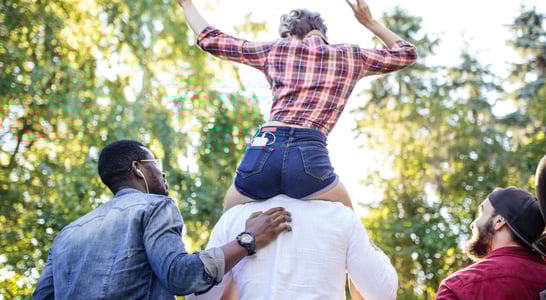
National Compliment Day
Make the world a place of noticing and naming things like hard work, positive influence, helpfulness and more. On National Compliment Day – and every day – it’s time to be attentive to others by reminding them of how much they are appreciated!
History of National Compliment Day
National Compliment Day got its start back in 1998 when it was the brainchild of two women from New Hampshire, Kathy Chamberlin and Debby Hoffman.
The idea behind the event was to promote positive feedback and for everyone to be more intentional about naming what they appreciate about someone else.
National Compliment Day Timeline
17th Century
Evolution of Compliments in Language
The term ‘compliment’ gained popularity in English during the 17th century, evolving from Latin and French origins to denote expressions of courtesy, praise, and admiration.
1971
Behavioral Psychology and Positive Reinforcement
B.F. Skinner’s research in behavioral psychology emphasized the power of positive reinforcement, including compliments, to strengthen desired behaviors and improve social interactions.
1994
Social Psychology Study on Compliments
In 1994, a pivotal study published in the ‘Journal of Personality and Social Psychology’ demonstrated the role of compliments in enhancing social interactions and promoting positive interpersonal relationships.
2012
Recognition in Neuroscience
Research conducted in 2012 showed that receiving compliments activates the same reward centers in the brain as receiving monetary rewards, underscoring their psychological impact.
2016
Misjudgment of Compliments’ Impact
Studies revealed that people often underestimate how positive and meaningful their compliments are to others, missing opportunities for social bonding and encouragement.
How to Celebrate National Compliment Day
Enjoy Giving Compliments
With the caveat of remembering that anything said should be genuine, National Compliment Day is all about saying the positive things that might get overlooked on other days of the year.
From a cashier at the grocery store to the Uber driver, from family members to co-workers, paying attention to positive things about people and naming them is the right thing to do on this day.
Go Beyond Appearance
While it might be nice to hear that a new haircut looks nice or a sweater looks cute, perhaps National Compliment Day would be a time to go deeper.
Look for warts to compliment people that include something beyond the surface level or the way they look.
For instance, try a few of these compliments:
- You always seem to make me smile
- I appreciate how much you genuinely care about people
- You are great to talk to and I so enjoy our conversations
- I see how kind you are and it inspires me to be kind too
Learn to Receive a Compliment
As it turns out, for some people it might be more difficult to be the one receiving the compliment than the one giving it! For certain people, accepting a compliment can feel uncomfortable, so they tend to downplay themselves.
In honor of National Compliment Day, consider ahead of time ways to respond that might help receive (instead of deflect) a compliment. For starters, try something like a simple “thank you”.
Other phrases to help receive a compliment with grace might include:
- Thanks, that means a lot to me.
- Oh wow, it feels so nice that you noticed. Thank you.
- Thanks, it was a fun project to work on with Bob’s help too.
- It makes my day to hear that. Thanks so much.
Listen to a Compliment Day Playlist
Get into the groove of National Compliment Day by adding a background soundtrack based on the theme. Lean into some oldies and classic songs to tease out a playlist full of songs that is complimentary!
Check out a few of these songs with compliments in them to get into the flow:
- Wonderful Tonight by Eric Clapton (1977)
- He’s So Fine by The Chiffons (1963)
- You are So Beautiful by Joe Cocker (1974)
- U Got the Look by Prince (1987)
Other events celebrated throughout the rest of the year related to this event include World Compliment Day on March 1, Pay a Compliment Day on February 6, and National Compliment Your Mirror Day on July 3.
Facts About National Compliment Day
The Cultural Significance of Compliments
Compliments have long-standing cultural significance, serving as a key means of expressing social respect and politeness across the globe.
In Japan, for instance, compliments are often given to express humility or appreciation, while in some African cultures, they are used to reinforce social bonds within communities.
Psychological Benefits of Receiving Compliments
Scientific studies find that receiving compliments can activate reward centers in the brain, similar to receiving a monetary gain.
This release of dopamine enhances mood and increases motivation, self-esteem, and confidence, reinforcing positive behaviors.
The Overlooked Power of Giving Compliments
Many people underestimate the positive impact that their compliments have on others. Studies suggest that giving compliments boosts the giver’s happiness and social connections despite initial anxiety, strengthening relationships and reducing stress.
Compliments as a Tool for Learning and Performance
Compliments have been shown to improve performance by reinforcing learning.
Research indicates that praise for performance can activate brain regions associated with learning and skill enhancement, thereby improving task outcomes and personal growth.
Historical Studies on Compliments and Behavior
One study from 2012 showed that people who received praise for their performance in a task improved their skill retention significantly.
The study demonstrated that compliments could be as rewarding for the brain as financial incentives, affecting learning and future performance positively.
National Compliment Day FAQs
How can giving compliments affect your psychological well-being?
Giving compliments can enhance both the giver’s and receiver’s mood and social connections.
Psychological studies indicate that compliments activate reward-related brain areas and increase overall well-being, encouraging future prosocial behaviors.
However, many people underestimate the positive impact their compliments have on others.
What makes a compliment effective?
Effective compliments are sincere and specific, focusing on behaviors, traits, or accomplishments rather than generic praise.
They should be timely and appropriate to the setting, avoiding backhandedness or perceived insincerity.
This specificity helps in strengthening relationships and reinforcing positive behaviors.
Are there cultural differences in how compliments are received?
Yes, cultural norms significantly influence how compliments are perceived.
In some cultures, a compliment might be seen as flattery or create discomfort due to social expectations.
Understanding these cultural nuances is important for ensuring that compliments are received in the intended positive spirit.
How do compliments affect interpersonal relationships?
Compliments contribute positively to relationships by boosting trust and social bonding.
Sincere compliments help increase positive emotions and promote mutual prosocial behavior, leading to stronger social connections.
Nonetheless, their impact depends on the sincerity and context of the compliment.
What are some ways to practice giving compliments effectively?
Practicing effective compliments involves being genuine, specific, and timely.
Compliments should focus on one’s effort or character rather than just appearance, and should be delivered with sincerity and respect for personal and cultural boundaries.
Activities like compliment circles or notes can help people practice this skill regularly.
Also on ...
View all holidays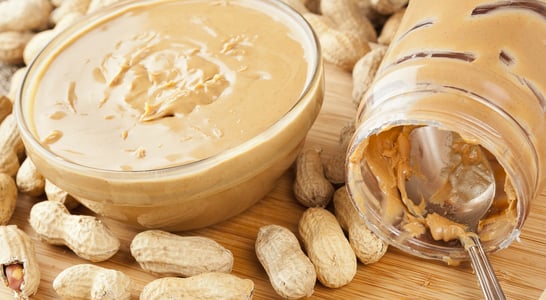
National Peanut Butter Day
Spread this creamy, nutty treat far and wide, experiment with mouthwatering recipes or tuck into a classic peanut butter and jelly sandwich.

Global Belly Laugh Day
Discovering the magic that a good chuckle brings, not just to the mood but also to overall well-being, reminding everyone of life's joyful side.


National Lobster Thermidor Day
That exquisite, creamy creation — a culinary masterpiece, crowned with a golden crust, bringing the ocean's delight to the table.
We think you may also like...

International Day of Acceptance
Through strength, resilience, and determination, almost anyone can overcome challenges, demonstrating that abilities transcend limitations, and inspire others to embrace their own unique strengths and possibilities.

International Day for Tolerance
Celebrate humanity by embracing differences, spreading kindness, and creating a world where everyone feels accepted and valued.