National Corned Beef and Cabbage Day
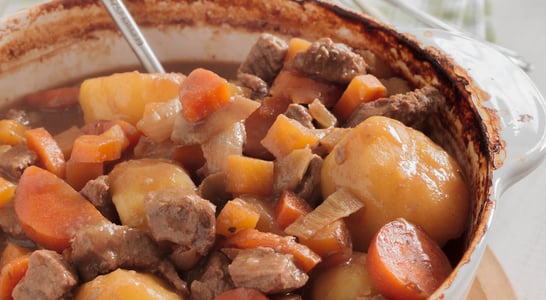
Get ready to celebrate St. Patrick's Day with this delicious meal made of slow-cooked, savory meat and tender, flavorful vegetables.
Corned beef and cabbage is one of those dishes that feels like it has a whole personality. It is hearty, salty, and unapologetically old-school, the kind of meal that perfumes the kitchen for hours and feeds a small crowd with ease. It also comes with a bit of an identity twist: people often assume it is straight-from-Ireland traditional, but the story is more interesting than that.
Corned beef, a cut similar to brisket, is meat that is salted, cured, and sliced. The “corned” part does not involve actual corn. It refers to the large “corns” (grains) of salt historically used to cure the beef. But is the corned beef and cabbage tradition of Irish origins? Well, yes and no.
The habit of pairing corned beef with cabbage is strongly tied to Irish identity, but it was likely shaped after Irish immigrants arrived in the United States and adapted to new ingredients, new neighborhoods, and new budgets. In Ireland, beef was historically more of a luxury, and many households were more likely to have enjoyed pork bacon or salted pork with cabbage and potatoes.
Technically, this means that corned beef and cabbage is an American cuisine, or Irish-American to be exact. And in the US at least, this meal still has strong associations with St. Patrick’s Day, which is why the two are celebrated together in the middle of the month of March. Welcome to National Corned Beef and Cabbage Day!
History of National Corned Beef and Cabbage Day
Likely, the tradition of the meal behind National Corned Beef and Cabbage Day took shape in the late 19th century, when Irish immigrants were building new lives and needed to make practical substitutes for the foods they were accustomed to back home.
In Ireland, a celebratory or Sunday-style meal might have centered on bacon (meaning cured pork) with cabbage, and potatoes were a familiar staple. In immigrant communities, those exact ingredients were not always the cheapest or easiest to find. Beef brisket, however, could be more accessible, and cabbage was inexpensive, filling, and easy to cook in a single pot.
Corned beef itself has a long history as a preservation method. Before modern refrigeration, salting and curing were essential techniques for keeping meat safe to eat over time. Brining also made tough cuts more tender, especially when cooked slowly.
Traditional corning typically involves a strong salt cure plus a pickling spice blend that might include peppercorns, mustard seeds, bay leaves, cloves, and similar aromatics. Many store-bought corned beef briskets still come with a small spice packet, a little nod to that older practice.
Another layer of the story is neighborhood influence. In many American cities, immigrant communities lived side by side, and food traditions crossed paths most nearly: at the butcher shop.
Jewish delis and markets were already familiar with brisket and curing methods, and corned beef was a known and valued product. Irish immigrants looking for a filling, flavorful centerpiece for a special meal could buy corned beef from local butchers and pair it with a vegetable they could afford. Over time, that combination became a signature.
It probably wasn’t until the mid-20th century that corned beef began to be widely associated in popular culture with people from Ireland rather than Irish-Americans. As St. Patrick’s Day in the United States evolved into a broad celebration of Irish heritage, communities leaned into familiar symbols: music, parades, shamrocks, and, yes, a plate of corned beef and cabbage.
The meal is straightforward to serve to a lot of people, it suits restaurants well, and it feels festive without being fussy. That made it a natural partner for celebrations that often involve gatherings.
Though a person would be unlikely to find corned beef and cabbage as the default St. Patrick’s Day dish if they went to Ireland, many Irish Americans enjoy it and eat it in celebration. In fact, plenty of Americans who aren’t of Irish descent also participate with enthusiasm.
Restaurants often put it on the menu just for the occasion, sometimes alongside soda bread, mustard, and a pint of something dark. Other folks make it at home, and it remains a delightful way to feed a crowd with minimal drama.
However it is enjoyed, corned beef and cabbage offers a tasty way to connect with Irish-American tradition, immigrant ingenuity, and the comforting logic of one-pot cooking. Now it’s time to find ways to celebrate National Corned Beef and Cabbage Day!
How to Celebrate National Corned Beef and Cabbage Day
Enjoy Eating Corned Beef and Cabbage
Whether making it at home, picking it up from a delicatessen, or ordering it at an Irish-American pub, the best way to celebrate National Corned Beef and Cabbage Day is by enjoying a plateful of this delicious dish. It is a meal with built-in practicality: a protein, a vegetable, and often a few bonus vegetables that soak up all that seasoned broth.
For a classic plate, corned beef is typically sliced across the grain. That detail matters. Brisket has long muscle fibers, and cutting across them makes each bite noticeably more tender. Some people like thick, deli-style slices; others prefer it shaved thinner. Either way, it pairs beautifully with cabbage that has been simmered until silky and lightly sweet.
The supporting cast can be as traditional or as creative as desired. Common companions include:
- Potatoes, often left in chunky pieces so they do not disintegrate
- Carrots for sweetness and color
- Onions for extra savory depth
- A sharp mustard or mustard sauce for contrast against the salty meat
When ordering out, it is worth noticing the style: some kitchens serve everything boiled together, while others cook the cabbage separately to keep it brighter and slightly firmer. Neither is “wrong.” The all-in-one-pot method creates a unified, cozy flavor. Separating the vegetables can keep textures more distinct.
National Corned Beef and Cabbage Day is also a good excuse to invite people over. The dish holds well, scales up easily, and tends to spark conversation, even if the conversation is simply, “Who gets the last potato?” For a casual gathering, it can be served buffet-style with a stack of plates, a bowl of mustard, and optional extras like pickles or rye bread.
Leftovers deserve some appreciation, too. Corned beef has a second life that many people love just as much as the original dinner. It can be chopped into hash with potatoes, tucked into sandwiches, or folded into breakfast with eggs. Cabbage leftovers can be warmed gently and served alongside almost anything, or chopped and turned into a quick sauté.
Learn How to Make Corned Beef and Cabbage
In celebration of National Corned Beef and Cabbage Day, making this dish starts with the brisket cut of beef, best sourced from a local butcher or purchased pre-corned (already cured) from a grocery store.
Most home cooks use a packaged corned beef brisket, which comes either flat-cut (leaner, more uniform slices) or point-cut (fattier, often more flavorful). Either works, and choosing is mostly about preference. Flat-cut is easier to slice neatly; point-cut tends to be more forgiving and rich.
Corned beef can be cooked on the stovetop, in the oven, or in a slow cooker. It usually takes a couple or a few hours, depending on the size and method. The key is gentle cooking. Corned beef is not a steak situation. It responds best to low heat and patience, which helps the connective tissue soften into something sliceable and tender.
A few practical tips make a noticeable difference:
- Rinse or don’t rinse? Some cooks rinse the brisket briefly to remove excess surface brine, especially if they are sensitive to salt. Others skip it for maximum punch. Either approach works; the vegetables and broth can balance saltiness, and mustard at the table can handle the rest.
- Keep it submerged or mostly submerged. On the stovetop, the brisket is often simmered in water with the spice packet and perhaps a few aromatics. In a slow cooker, it might be cooked with a smaller amount of liquid. The goal is moist, steady heat rather than a rolling boil.
- Do not rush the rest period. Once cooked, letting the meat rest before slicing helps keep it juicy and easier to cut.
Cabbage, as well as other vegetables like potatoes and carrots, can be cooked up just 15 to 30 minutes prior to serving. This timing keeps vegetables from becoming overly soft, especially cabbage, which can go from pleasantly tender to nearly dissolving if left too long.
Many people cook the vegetables in the same pot as the meat near the end, letting them absorb the seasoned broth. Others prefer to cook cabbage separately in a bit of the cooking liquid to control texture.
For extra flavor, some cooks add small upgrades without changing the spirit of the dish:
- A couple of bay leaves in the simmering liquid
- Additional peppercorns or mustard seeds if the spice packet is tiny
- A splash of something tangy at the end, like a touch of vinegar, to brighten the vegetables
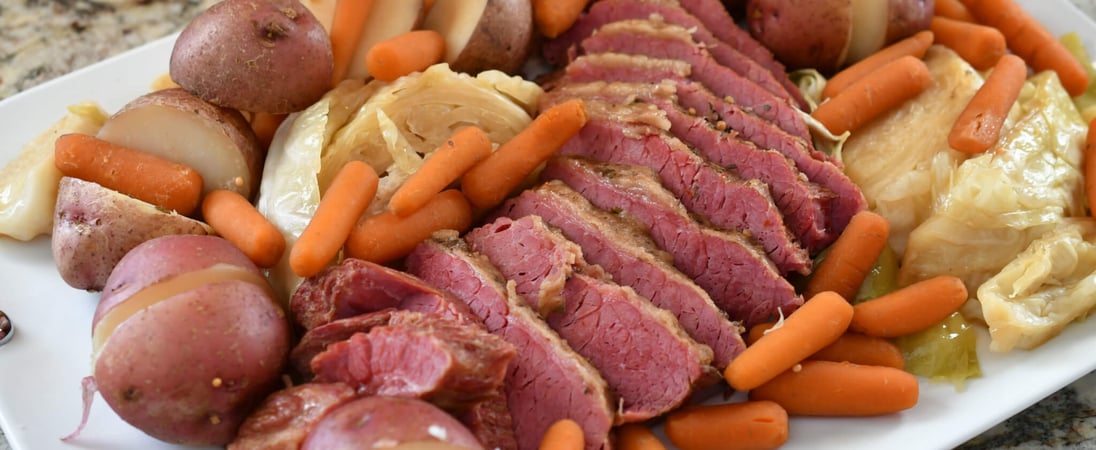
Serving is part of the fun. A traditional presentation is simple: a pile of cabbage, a few potatoes and carrots, and slices of corned beef arranged on top. The final touch can be as casual as a spoonful of cooking broth over everything to keep it glossy and warm.
For a crowd, keeping the meat whole until just before serving helps prevent it from drying out, and it makes slicing feel a little ceremonial.
For anyone who wants to go deeper, it is also possible to make corned beef from scratch by brining an uncured brisket for several days in a salt-and-spice solution. That project is more time-intensive, but it gives a cook control over salt level and spice profile and makes the result feel especially personal.
Even without that extra step, though, a store-bought corned brisket cooked gently and sliced properly can taste like a proud, old-fashioned feast.
Delicious, comforting, and a little bit iconic, corned beef and cabbage earns its spotlight by being exactly what it promises: a satisfying plate of food that carries history in every bite.
National Corned Beef and Cabbage Day Facts
Behind this hearty, comforting dish lies a story shaped by trade, migration, and cultural adaptation.
These facts explore how corned beef and cabbage traveled from export markets and immigrant neighborhoods to become a beloved symbol of tradition and celebration.
-
From Luxury Export to Immigrant Staple
In the 17th and 18th centuries, Ireland was famous for exporting high‑quality corned beef to Britain and its colonies, but most Irish people could not afford to eat it themselves.
British landowners controlled cattle, and after the Cattle Acts of the 1660s restricted live animal exports, Irish producers increasingly processed beef into salted “corned” form for shipping.
At home, the rural poor relied far more on pork and potatoes than on the expensive beef they helped produce.
-
Jewish Delis and the Birth of an Irish-American Classic
The specific cut and style of corned beef that Irish immigrants adopted in 19th‑century New York was heavily shaped by Jewish butchers and delicatessens.
Eastern European Jewish immigrants cured the relatively tough brisket cut in brine, producing a tender, sliceable meat that was both kosher and affordable.
Irish immigrants living in the same neighborhoods discovered that this salt‑cured brisket was the closest thing they could find to the cured pork they had eaten in Ireland, and it gradually became central to their celebratory meals.
-
Why It’s Called “Corned” Beef
The “corn” in corned beef has nothing to do with maize. In early modern British usage, “corns” referred to hard kernels or grains of salt about the size of cereal grains.
Beef packed in barrels with these large salt crystals could be preserved for long periods on ships or in storage, and over time, the expression “corned beef” became the standard term for this heavily salted, cured meat.
-
Cabbage as Europe’s Cold-Weather Workhorse
Cabbage earned its place on European tables because it thrives in cool, damp climates and stores well through winter, making it indispensable for peasants and laborers.
Historical accounts describe it as a staple of medieval French working‑class diets and a backbone of northern European cuisine, where it was eaten fresh in soups and stews or preserved as sauerkraut to provide vitamins when few other vegetables were available.
-
A Peasant Vegetable with a Class Divide
For centuries, cabbage carried a strong association with poverty and “everyday” cooking in Europe.
Food historians note that it appeared constantly on the tables of Russian and Eastern European peasants, often fermented or boiled with a little pork, while elites tended to favor more delicate vegetables and avoided cabbage’s strong smell.
That class divide helped cement its image as an economical, hearty food, perfect for stretching small amounts of meat to feed large families.
-
Salt Curing as Early Food Technology
Before refrigeration, salting and brining were critical technologies that allowed meat like brisket to be stored and transported safely.
Packing beef in a concentrated salt solution draws moisture out of the tissue, which inhibits the growth of spoilage bacteria and pathogens.
This method made it possible to ship Irish corned beef across oceans and to keep it edible for long voyages and winters, long before modern cold chains existed.
-
From Bacon and Cabbage to Beef and Cabbage
In Ireland, the traditional home dish was bacon (salted pork) and cabbage, not beef.
When large numbers of Irish arrived in the United States in the 19th century, pork became relatively more expensive than certain cuts of beef, especially brisket.
By pairing cheap corned beef brisket with equally inexpensive cabbage, immigrant families recreated the structure of their familiar bacon‑and‑cabbage meal while adapting it to the prices and ingredients of their new country.
National Corned Beef and Cabbage Day FAQs
Is corned beef and cabbage actually an Irish dish?
Corned beef and cabbage is considered an Irish‑American dish rather than a traditional Irish one.
Historically, most people in Ireland ate pork or bacon with cabbage, while beef was expensive and often produced for export.
Irish immigrants in the United States began pairing affordable corned beef brisket with cabbage in the 19th century, and the combination became a hallmark of Irish-American cooking. [1]
How did Irish immigrants end up using corned beef instead of their traditional pork and bacon?
When large numbers of Irish immigrants arrived in American cities, they found that pork products similar to the bacon they knew at home were costly, but brisket from nearby Jewish butchers was relatively affordable.
Those butchers already specialized in salt‑curing beef, so Irish immigrants adopted this corned beef and served it with inexpensive cabbage as a practical substitute for their familiar pork‑and‑cabbage meals. [2]
Why is it called “corned” beef if there is no corn in it?
The term “corned” refers to the coarse grains of salt historically used to cure the meat, which were about the size of kernels of grain, sometimes called “corns” of salt.
Packing beef in these large salt crystals was an early preservation method that allowed the meat to be stored and shipped long before refrigeration. [3]
How is Jewish deli–style corned beef different from British or old Irish corned beef?
Jewish deli corned beef is typically made from beef brisket that is brined in a seasoned solution containing salt and spices, then slowly cooked until tender and sliced for sandwiches.
Earlier, British and Irish “corned” beef was often heavily salted for long‑term storage and export, with less emphasis on complex spicing, and in Ireland, cured pork was more common on everyday tables than corned beef itself.
Modern deli corned beef focuses on flavor and texture, while historical export corned beef focused on preservation. [4]
What role did corned beef play in Irish and British economic history?
From the 17th century, Ireland became a major producer of corned beef for export, particularly after British laws restricted the shipment of live cattle.
Landowners raised cattle in Ireland and had the meat salt-cured using coarse salt, then shipped it abroad.
Much of this beef went to overseas markets, while many Irish people themselves could not afford to eat it regularly, which is one reason pork and bacon remained more typical on Irish tables. [5]
Is corned beef and cabbage a healthy meal choice?
Corned beef and cabbage can provide protein, iron, and vitamins from the vegetables, but the beef is usually high in sodium and fat because of the brining process and the cut of meat used.
A modest portion of beef, plenty of cabbage and other vegetables, trimming visible fat, and limiting added salt can make the meal more balanced for people who need to watch their sodium or calorie intake. [6]
Why does cooked corned beef sometimes stay pink even when it is fully done?
Corned beef is cured with a brine that usually contains nitrite, which helps preserve the meat’s color.
Because of this curing agent, the meat can remain pink after it has reached a safe internal temperature, so color alone is not a reliable guide to doneness.
Using a food thermometer and following recommended cooking times is the safest way to ensure the beef is properly cooked. [7]
Also on ...
View all holidays

World Social Work Day
Supporting individuals in navigating challenges, social workers compassionately empower communities, fostering resilience and positive change.


We think you may also like...
Cornish Pasty Week
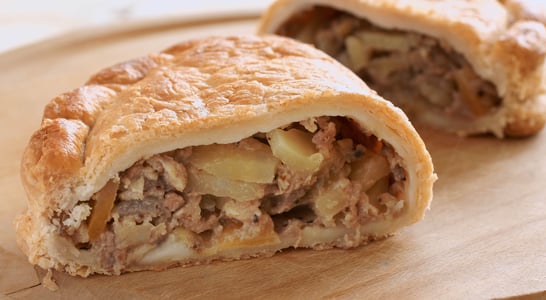
If you're looking for a portable, delicious snack, try these hand-held wonders from across the pond. Perfect for a hearty lunch on the go!
Global Scouse Day
A cherished culinary tradition, warm and hearty, born from the heart of a vibrant city, nourishing body and soul through generations.