National Crab Stuffed Flounder Day
National Crab Stuffed Flounder Day is a delightful celebration for seafood enthusiasts. This day is dedicated to enjoying the delectable combination of flounder and crab meat.
Seafood lovers across the country look forward to this occasion to indulge in this savory dish. The mix of tender flounder fillets and rich crab stuffing makes it a memorable meal for anyone who loves seafood.
The day is celebrated to highlight the unique flavors that come from combining these two ingredients. People celebrate by cooking crab-stuffed flounder at home or dining out at seafood restaurants. It’s a great reason to gather friends and family for a special meal.
National Crab Stuffed Flounder Day Timeline
200–1500 CE
Indigenous Coastal Fishing Traditions
Native peoples along the Atlantic and Gulf coasts harvest flounder and blue crabs with nets, weirs, and spears, making flatfish and shellfish a longstanding staple of regional diets.
1685
Early English Recipes for Dressed Crab
Robert May’s cookbook “The Accomplisht Cook” includes recipes for fried and prepared crab, reflecting European traditions of seasoning and serving minced crab meat that later influence colonial American cooking.
18th–19th Centuries
Stuffed and Baked Fish Enter American Cookbooks
Anglo‑American cookbooks begin featuring whole and filleted fish baked with bread-based stuffings, establishing the technique that later adapts easily to delicate flatfish like flounder.
Early 1800s
Crab as a Chesapeake Bay Specialty
As coastal communities grow around the Chesapeake Bay, blue crab becomes a prized regional ingredient, encouraging numerous recipes using picked crab meat mixed with bread, butter, and spices.
Early 1900s
Refined Crab Dishes in American Restaurants
Iconic dishes such as Crab Louie salad on the West Coast and she‑crab soup in Charleston showcase crab meat in upscale restaurant cuisine, popularizing crab as a luxurious yet accessible seafood.
1930s
Modern Crab Cakes and Crab Stuffing Styles
By the 1930s, “crab cakes” and similar patties mixing crab with bread or cracker crumbs are documented in Maryland and beyond, cementing the breaded crab mixture that inspires many crab stuffings for seafood.
Late 20th Century
Crab-Stuffed Flounder Becomes a Coastal Restaurant Staple
American seafood restaurants, especially along the East and Gulf Coasts, regularly feature flounder fillets stuffed with seasoned crab, breadcrumbs, and butter, turning the combination into a classic menu item.
How to Celebrate National Crab Stuffed Flounder Day
Cook Up a Storm
Dive into your kitchen and whip up your own crab-stuffed flounder. It’s easier than it sounds. Find a simple recipe, gather your ingredients, and get cooking. Flounder, a mild and flaky fish, pairs perfectly with crab meat’s sweet and savory taste.
Seasonings, bread crumbs, and butter are often added to enhance the dish. This combination creates a harmonious balance of satisfying and gourmet flavors. The ease of preparation makes it a favorite for home cooks and restaurant chefs alike, and this is a fun way to celebrate the day and impress your family with your culinary skills.
Dine Out
Visit a local seafood restaurant and treat yourself to a professionally made crab-stuffed flounder. Many seafood restaurants feature this dish on their menu, especially on this special day, making it easy for everyone to join in the celebration.
National Crab Stuffed Flounder Day offers a delicious way to appreciate this culinary delight.Let someone else do the cooking for a change while you enjoy the delightful flavors!
Host a Dinner Party
Invite friends and family over for a crab-stuffed flounder feast. Each guest can bring their version of the dish. This potluck-style celebration will be a hit, and everyone can share their unique takes on the recipe.
Try a New Recipe
Experiment with different stuffing variations. Add some shrimp or use different herbs and spices. Mix it up and create your own signature version of crab-stuffed flounder.
The possibilities are endless, and you might discover a new favorite.
Support Local Businesses
Buy your ingredients from local fish markets. Supporting small businesses is a great way to give back to your community.
Plus, you’ll get the freshest seafood for your dish. Celebrate the day by being a responsible and supportive member of your community.
Share on Social Media
Post your cooking adventures on social media. Use the hashtag #NationalCrabStuffedFlounderDay to connect with other seafood lovers.
Share your recipes, tips, and photos to inspire others to join the celebration.
Seafood Tasting Event
Organize a seafood-tasting event at your home. Include crab-stuffed flounder as the star of the menu, and add other seafood dishes to complement it.
This event can be a delicious way to celebrate the day and explore new flavors.
History of National Crab Stuffed Flounder Day
National Crab Stuffed Flounder Day celebrates the delightful seafood dish that combines flounder and crab meat. This day focuses on enjoying this flavorful combination, featuring tender flounder fillets stuffed with a mix of crab meat, breadcrumbs, butter, and seasonings.
The celebration aims to highlight the unique flavors and simplicity of preparing this dish, making it accessible to both home cooks and restaurant-goers. The celebration likely began to honor and promote seafood cuisine and it has become a favorite among seafood lovers.
This dish showcases the perfect blend of flounder’s mild taste and the rich, savory notes of crab. It is especially popular along the Gulf and East Coast, where both flounder and crab are abundant.
People observe this day by preparing crab-stuffed flounder at home or dining out at seafood restaurants. The recipe is easy to follow and customizable, making it appealing to anyone looking to try something new.
National Crab Stuffed Flounder Day also encourages supporting local seafood businesses, adding another layer of community involvement to the celebration.
Facts About National Crub Stuffed Flounder Day
Flatfish That Start Life Upright
Flounder belong to a group of flatfish that begin life looking like typical, upright fish; during metamorphosis one eye migrates to the other side of the head, and the body flattens so the fish can live lying on the seafloor.
This dramatic transformation helps flounder hide from predators and ambush prey on sandy or muddy bottoms.
East Coast Flounder Migrations
The U.S. summer flounder fishery is built on a migratory species: adults spend warmer months in inshore waters from Cape Cod to Cape Fear, then move offshore along the continental shelf to overwinter, supporting commercial and recreational fisheries in multiple states along the way.
Crab and Flatfish as “Demersal” Staples
Both crabs and flounder are considered demersal species—animals that live on or near the seafloor—and together they have long been staples of coastal diets, with modern U.S. landings of summer flounder alone reaching tens of millions of pounds annually under federally managed quotas.
Blue Crab: A Chesapeake Bay Icon
The blue crab (Callinectes sapidus) that often supplies crabmeat for American recipes is so culturally and economically important to the Chesapeake Bay region that Maryland and Virginia have long-standing, coordinated management plans, including seasonal closures and size limits, to keep the population and fishery sustainable.
Global Crab Harvest Is Concentrated in a Few Species
Although hundreds of crab species exist, global fisheries are dominated by a small number of commercially important species such as snow crab, king crab, blue crab, and Dungeness crab, which together account for the bulk of the roughly 2 million metric tons of crabs landed worldwide each year.
Stuffed Fish in European Culinary Tradition
The idea of stuffing flat or whole fish with rich fillings predates modern American seafood dishes; in classic French and Mediterranean cuisine, cooks prepared poissons farcis—fish stuffed with mixtures of breadcrumbs, herbs, and shellfish or other seafood—both to stretch expensive ingredients and to create showpiece dishes for banquet tables.
Crab-Stuffed Fish on the Gulf Coast
On the U.S. Gulf Coast, crab-stuffed fish has become a regional hallmark, with local cookbooks and restaurant traditions celebrating combinations like deviled blue crab–stuffed flounder that showcase the area’s abundant crab and flatfish and reflect a broader Southern habit of pairing delicate white fish with highly seasoned shellfish dressings.
National Crab Stuffed Flounder Day FAQs
Are flounder and crab considered healthy sources of protein?
Flounder and crab are both lean, high‑quality protein sources that are relatively low in calories and saturated fat.
Flounder provides protein, vitamin B12, vitamin D, selenium, and omega‑3 fatty acids, while crab is rich in protein, omega‑3s, vitamin B12, selenium, copper, and zinc.
Including a variety of fish and shellfish like these in the diet is generally associated with heart and brain health benefits when prepared with minimal added saturated fat and sodium.
What food safety steps are important when preparing a crab‑stuffed fish dish at home?
Food safety experts advise keeping raw seafood refrigerated at 40°F (4°C) or below and using it within one to two days, avoiding the “danger zone” of 40–140°F (4–60°C) where bacteria grow quickly.
Fish and shellfish should be cooked to an internal temperature of 145°F (62.8°C) until the flesh is opaque and flakes easily, with strict separation between raw and cooked foods, clean utensils and cutting boards, and no more than two hours at room temperature (one hour if above 90°F/32°C).
How can someone choose flounder and crab with lower environmental impact?
Sustainability varies by species and fishing area, so environmental groups and certification bodies recommend consulting regional seafood guides rather than relying on a single rule.
Tools such as national or regional seafood “best choice” lists and ecolabels like the Marine Stewardship Council (MSC) logo can help identify flounder and crab fisheries that use more selective gear, protect habitats, and keep stocks within safe biological limits.
Consumers are encouraged to ask retailers or fishmongers about catch location and certification status.
What are common allergens or sensitivities associated with eating crab and flounder?
Crab is a crustacean shellfish and is one of the major food allergens; people with shellfish allergy are typically advised to avoid crab entirely because reactions can be severe.
Fish such as flounder are a separate allergen category, so a person may react to fish, shellfish, or both.
Because allergen cross‑contact can occur in shared kitchens and processing facilities, individuals with diagnosed fish or shellfish allergies should check labels carefully, ask how dishes are prepared, and follow their clinician’s guidance.
Are there mercury or contaminant concerns with eating flounder and crab?
Public health agencies note that many commonly eaten fish and shellfish, including most flounder and crab, tend to have lower mercury levels than large predatory species such as shark, swordfish, or certain large tuna.
National guidance generally encourages consuming a variety of lower‑mercury seafood while following any local fish and shellfish advisories, especially for pregnant people, those who may become pregnant, breastfeeding individuals, and young children.
What cooking methods work best to keep crab‑stuffed fish moist and flavorful?
Culinary guidance for stuffed fish emphasizes gentle, even cooking methods such as baking or shallow roasting, which allow the fish to reach 145°F without drying out.
Using a moist stuffing, basting with a small amount of butter or oil, and covering the dish loosely with foil for part of the cooking time can help retain moisture. Allowing the fish to rest briefly after cooking lets juices redistribute, improving texture and flavor.
How should fresh fish and crab be stored before cooking a stuffed seafood dish?
Food safety authorities recommend keeping fresh fish and shellfish as cold as possible, ideally on ice or in the coldest part of the refrigerator at 32–38°F (0–3°C), and using them within one to two days.
Live or in‑shell shellfish should be stored in well‑ventilated containers (not airtight bags or water) so they can breathe.
Proper cold storage slows bacterial growth and helps maintain quality and safety until the dish is prepared.
Also on ...
View all holidays
National Drink Wine Day
Raise your glass to a delicious beverage that pairs well with a romantic dinner or a fun night out with friends!


National Eat Ice Cream for Breakfast Day
Savoring frozen delights at sunrise to honor young fighters, uniting with sweet compassion for a vital cause.

We think you may also like...
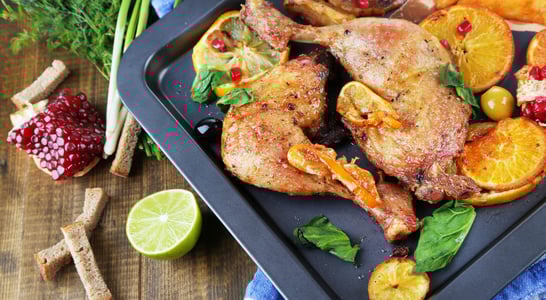
National Orange Chicken Day
Head over to your favorite Chinese restaurant (or order in) and get yourself the classic Orange chicken, or try making your own chicken and Orange sauce.
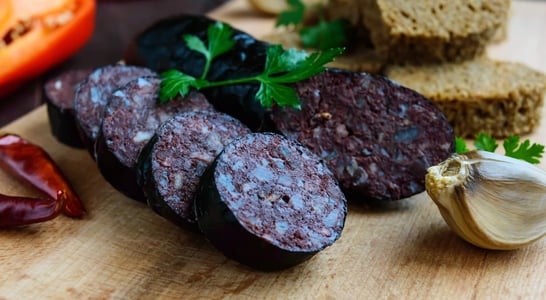
National Black Pudding Day
Savoring blood sausage connects taste buds to rich culinary traditions, blending savory notes that captivate discerning palates.