
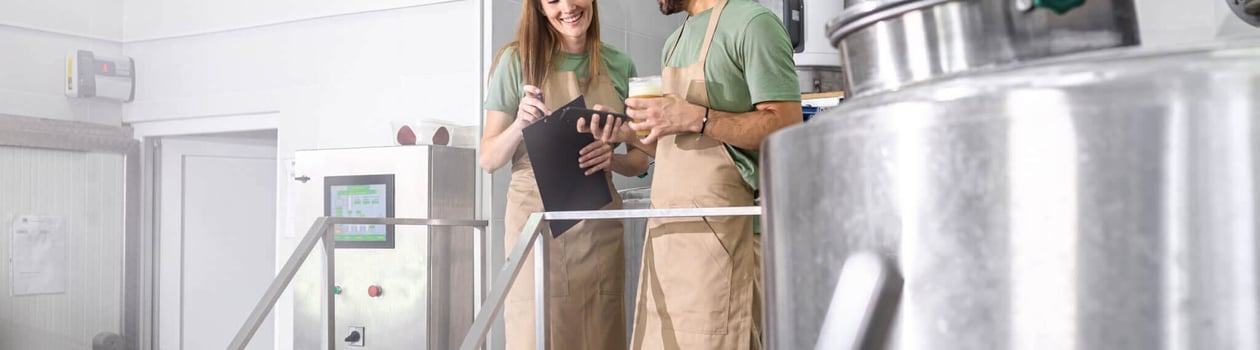
National Craft Distillery Day celebrates the passion and skill of small-batch distillers who create spirits with care and creativity.
This day highlights the independent makers who keep the spirit industry vibrant and full of character. Choosing craft spirits isn’t just about taste, it’s about supporting small businesses and preserving time-honored techniques. Every bottle tells a story of hard work, innovation, and a love for the craft.
How to Celebrate National Craft Distillery Day
Looking to add some zest to National Craft Distillery Day? Here are some spirited suggestions to make the day unforgettable:
Embark on a Distillery Adventure
Seek out a craft distillery and dive into the world of artisanal spirits. Many offer tours that unveil the magic behind their creations, and a good tour is more than a walk past shiny equipment. It is a guided look at how raw ingredients become a finished bottle.
A typical visit might start with the basics: what the distillery makes and why. Then comes the “how,” often in an easy-to-follow sequence. Visitors may see milling or mashing, where grains are prepared and converted into fermentable sugars. Fermentation tanks reveal another layer, as yeast transforms sugars into alcohol while creating flavor compounds that later become fruity, spicy, or floral notes. The still room is usually the star, where distillers explain how they separate the spirit into cuts and how subtle timing affects smoothness and aroma. If the distillery ages spirits, barrel rooms can show how time, wood, and temperature shape color and character.
For those planning a visit, it helps to arrive with a few questions. What ingredient choices matter most for this spirit? Do they ferment longer for more flavor? Do they use pot stills, column stills, or a combination? How do they decide what barrels to use, and do they finish spirits in specialty casks? Asking a distiller or guide these questions often leads to surprisingly specific answers, and that specificity is part of the fun.
Sampling their unique concoctions can be both enlightening and delightful. Tasting flights are often arranged from lighter to bolder pours so the palate can follow along. A simple method can make tasting more rewarding: notice aroma first, take a small sip, let it coat the mouth, and pay attention to the finish. A splash of water can sometimes open up aromas, especially for higher-proof spirits, and it is perfectly acceptable to take a break between pours.
Host a Spirited Tasting Soirée
Gather friends for a tasting party featuring various craft spirits. Encourage guests to bring bottles from different distilleries. Compare notes, flavors, and perhaps even crown a favorite of the evening.
A tasting soirée works best with a little structure. Keeping the selection to a handful of bottles helps everyone stay focused and enjoy the differences. A theme can make it memorable without being complicated: gins with different botanical profiles, whiskeys made from different grains, or a “new-to-me” lineup where each person brings something they have never tried before.
Small details can elevate the experience. Provide water, plain crackers or bread, and simple palate resets like sliced apples. Use smaller tasting pours so everyone can sample more thoughtfully. If the group enjoys notes, offer paper and pens for quick impressions such as aroma, sweetness, spice, and finish. The goal is not expert judging; it is shared discovery. Someone might love the bright citrus lift in one gin, while another prefers the earthy backbone of a different bottle.
Food pairings can also spotlight flavors. A peppery rye can work beautifully with smoked nuts or sharp cheese. A botanical gin might shine next to cucumber, citrus, or herb-forward appetizers. A mellow rum can pair well with dark chocolate or caramel notes. Keeping pairings simple prevents them from overpowering the spirits and keeps the focus on what the distillers created.
For hosts who want to keep things responsible, planning transportation alternatives or keeping the gathering earlier and lighter can ensure the evening stays enjoyable for everyone.
Get Crafty with Cocktails
Channel an inner mixologist by crafting cocktails using locally distilled spirits. Experiment with flavors, garnishes, and presentation. Sharing creations can inspire others to join the celebration.
Craft spirits are especially fun in cocktails because their flavor signatures tend to be more pronounced. That said, the best approach is to match the drink to the spirit rather than bury it. A bold, spicy whiskey might hold its own in a classic stirred cocktail, while a delicate fruit-inflected brandy could be better in a lighter, citrus-forward drink.
Keeping a few core techniques in mind can improve results without turning the kitchen into a lab. Shaken cocktails typically suit juices and syrups, while stirred cocktails keep a silky texture for spirit-forward builds. Fresh citrus makes a noticeable difference, and a simple syrup can be customized with ingredients like honey, ginger, or herbs to complement what is already in the bottle. Even garnishes can be purposeful: a lemon twist highlights citrus oils, a sprig of rosemary adds aroma, and expressed orange peel can soften the sharpness of some spirits.
Those experimenting can try a “base plus modifier” mindset. Choose a craft spirit, then pick one main supporting flavor: bitter, sweet, or sour. From there, adjust in small increments. The result is a cocktail that feels tailored rather than random. It also becomes a way to understand the spirit itself, since mixing reveals which notes are sturdy, which are delicate, and which emerge only when paired with certain ingredients.
Dive into Distilling Knowledge
Expand appreciation by learning about the distillation process. Attend workshops or virtual seminars hosted by craft distillers. Understanding the artistry enhances the tasting experience.
A little knowledge goes a long way, especially with spirits. One helpful concept is that distillation does not “create” alcohol so much as concentrate and refine what fermentation already produced. Yeast choice and fermentation management often have as much impact on flavor as the still itself, which surprises many people. Another is that different still designs emphasize different traits. Pot stills are often associated with richer, more character-driven spirits, while column stills can produce a lighter, cleaner profile. Many modern craft distilleries use hybrid setups to get the best of both.
For aged spirits, barrel chemistry adds a whole extra chapter. Wood can contribute vanilla, caramel, spice, toasted notes, and tannin. Temperature changes push spirit in and out of the wood, and time allows flavors to integrate. Finishing in a secondary barrel can add another layer, though it also requires skill to keep the result balanced. Learning these basics helps explain why two whiskeys of the same age can taste wildly different, or why proof and dilution choices can change aroma and texture.
Those who want a deeper dive can also explore how spirits are categorized and labeled. Terms like “straight,” “bottled in bond,” “single malt,” or “navy strength” have specific meanings in some contexts. Understanding the language on labels makes shopping and tasting more intentional.
Support and Share
Purchase a bottle (or two) from a craft distillery. These establishments often rely on community support, and buying directly can be one of the most meaningful ways to help.
There are also other ways to show support that do not require a full bottle purchase. Visiting a tasting room, signing up for a distillery newsletter, or purchasing a smaller-format bottle can still make a difference. Some distilleries offer cocktail kits, merchandise, or limited releases that help fund new equipment and experiments. Sharing a thoughtful recommendation with friends can be just as valuable as posting a photo, especially if it includes what made the spirit memorable and how it was enjoyed.
For those who like to spread the word, talking about craft distilling in a respectful, informed way helps the category grow. Mentioning the distillery’s style, ingredients, or creative approach gives others a reason to seek it out. The most helpful sharing is specific: what it tastes like, what it pairs with, and what kind of drinker might enjoy it.
Why Celebrate National Craft Distillery Day
At its heart, craft distilling is equal parts science, agriculture, and storytelling. It starts with real ingredients, often sourced close to home, and turns them into spirits that carry a clear sense of place. Some distillers chase bright, botanical gin profiles; others obsess over grain selection for whiskey or the subtle sweetness of sugarcane for rum. The point is not to copy the biggest brands on the shelf. It is to make something distinctive, deliberately, and consistently.
These artisans blend tradition with fresh ideas, using local ingredients to craft unique flavors you won’t find in mass-produced bottles.
Distilling has a long technical lineage: fermentation creates alcohol, distillation concentrates it, and aging or blending shapes it into a finished spirit. Craft producers often keep those steps transparent and hands-on. They might mill grain on-site, ferment in small tanks so they can monitor flavor development batch by batch, or run copper stills that require careful attention to heat and timing. Even small decisions, like yeast choice, fermentation temperature, or how much of the “heads” and “tails” to cut away, can dramatically change the final taste.
Local ingredients also add character in practical ways. Grain varieties differ from region to region, botanicals have different aromatic oils depending on climate and freshness, and water chemistry can influence mouthfeel. Some distillers highlight these differences rather than smoothing them out, which is why craft spirits can feel more expressive. A craft rye might lean peppery and herbal, while another is sweeter and more baking-spice forward, even if both follow the same broad style.
Every pour reflects their dedication, turning simple ingredients into something extraordinary. More than just making drinks, they create experiences that bring people together.
Craft distilleries tend to be welcoming places because education and community are part of the job. Tasting rooms are built for conversation: what the spirit is made from, what the distiller was aiming for, and how someone might enjoy it at home. Many craft producers also collaborate with local farmers, brewers, coffee roasters, beekeepers, or chocolatiers. Those partnerships can show up as barrel-finished spirits, seasonal infusions, or cocktail ingredients designed to pair with a distillery’s lineup.
Beyond the tasting bar, craft distilling supports a whole ecosystem of specialized work. Barrel makers, glass suppliers, label designers, and hospitality staff all play a role. A small-batch distillery often becomes a creative hub, the kind of place that hosts classes, launches new experiments, and keeps a neighborhood’s food and drink culture lively. The social part is not an afterthought. Spirits are frequently enjoyed in shared rituals, from raising a toast at a milestone to simply swapping cocktail recipes with friends.
Supporting craft distilleries also encourages variety in an industry that can otherwise drift toward uniformity. Large-scale production has advantages, like consistent supply and broad distribution, but it can also reward the safest flavor choices. Craft distillers have more room to take risks: using unusual grains, experimenting with alternative cask types, or releasing limited runs that capture a specific moment in their production. For the drinker, that means a more interesting shelf and more chances to discover a new favorite style.
There is also an appreciation factor that goes beyond collecting bottles. Learning how a spirit is built, what makes one batch different from another, and why a distiller might change a recipe over time turns casual sipping into a more thoughtful experience. National Craft Distillery Day serves as a reminder that behind every label is a set of decisions made by real people, often in small teams, often with their hands on the process from start to finish.
National Craft Distillery Day Timeline
Early Pot Still Distillation in Mesopotamia
Archaeological evidence from Mesopotamia shows simple stills used to distill aromatic substances, laying the technical foundation later adapted for alcoholic spirits and small‑scale production.
Distillation of Alcohol in Medieval Europe
By the 1100s, Latin translations of Arabic works on distillation spread through Europe, leading monastic and apothecary distillers to produce concentrated “aqua vitae” in small batches.
Recorded Whisky Distillation in Scotland
A Scottish Exchequer Rolls entry from 1494 notes malt delivered to Friar John Cor “wherewith to make aqua vitae,” documenting early small-scale whisky distillation tied to local grain and craft methods.
U.S. Whiskey Rebellion Highlights Small Distillers
The federal whiskey excise tax sparked the Whiskey Rebellion in western Pennsylvania, as frontier farmers and small distillers resisted policies that threatened local, artisanal spirit production.
Prohibition Shutters Legal Small Distilleries
The 18th Amendment and Volstead Act banned the manufacture and sale of alcoholic beverages in the United States, effectively destroying most legal small distilleries and consolidating power among a few large firms after repeal.
New York Issues First Farm Winery License, Inspiring Craft Models
Following a 1976 state law, New York’s first farm winery license in 1982 showcased how reduced fees and direct sales could revive local producers, later serving as a template for craft distillery legislation.
Boom of American Craft Distilleries
Beginning in the early 2000s, changes in state laws and consumer interest in local, distinctive spirits fueled rapid growth in U.S. craft distilleries, rising from only a handful in the 1980s to hundreds nationwide.
History of National Craft Distillery Day
National Craft Distillery Day officially launched on May 22, 2019, thanks to the efforts of Nicholas Strauser, along with Connie Strauser and Brandy Strauser-Sobanski.
They founded this celebration to highlight the dedication of small-batch distillers who create handcrafted spirits with care and creativity.
As the owners of N Scott Distillery in Las Vegas, they understood the challenges independent distillers face in a market dominated by large corporations. Their goal was to bring attention to the artistry, tradition, and innovation behind locally made spirits.
Craft distilling has grown into a recognizable movement because it offers an alternative to one-size-fits-all production. Small operators face hurdles that bigger brands can often absorb more easily: the cost of equipment, long aging timelines for whiskey and other barrel-aged spirits, regulatory complexity, and the constant balancing act between experimentation and consistency. A day dedicated to craft distilleries shines a light on that behind-the-scenes effort and encourages drinkers to look beyond familiar labels.
The emphasis on “craft” is also a cultural statement. It points to hands-on production, attention to ingredients, and a willingness to explain the process rather than hide it behind marketing gloss. Many craft distilleries build their reputation through transparency: what is distilled on-site, what is sourced, how products are aged, and what steps are taken to achieve a particular flavor. That clarity helps drinkers make informed choices and deepens appreciation for the work involved.
The date itself holds deep significance. On May 22, 2017, N Scott Distillery successfully produced its first handcrafted spirit, marking a major milestone. This achievement also made them the first family-owned craft distillery in Las Vegas.
Recognizing the growing popularity of small-batch spirits, the founders saw an opportunity to honor independent distillers everywhere. Since its creation, National Craft Distillery Day has encouraged spirit lovers to explore unique flavors, support local makers, and appreciate the passion behind each bottle.
By choosing craft over commercial, people help sustain a thriving industry where quality and creativity come first.
Over time, the day has come to represent more than a single distillery’s milestone. It speaks to a wider community of producers who learn from one another, share techniques, and push the category forward. Craft distillers frequently trade practical wisdom about fermentation, barrel selection, or quality control, and they often celebrate each other’s releases. That sense of camaraderie is part of what keeps the craft world dynamic.
National Craft Distillery Day fits neatly into that spirit of collaboration and curiosity. It invites people to taste more attentively, ask better questions, and recognize the human decisions inside every bottle. Whether someone’s preference runs toward crisp vodka, aromatic gin, bold whiskey, or something experimental that defies easy labels, the day offers an excuse to celebrate the makers who turn raw ingredients into something worth savoring.
Facts About National Craft Distillery Day
Terroir Is Not Just for Wine
Many craft distillers deliberately highlight “terroir,” a sense of place more often associated with wine, by using local grains, water sources, and botanicals that subtly influence flavor and aroma.
For example, some American single malt distilleries source barley from nearby farms and age whiskey in local climate conditions, resulting in spirits that can be chemically and sensorially distinguished from the same recipe made elsewhere.
Pot Stills Versus Column Stills Shape Flavor Differently
The choice between pot stills and column stills is one of the most important technical decisions in craft distilling, because it affects both purity and flavor complexity.
Pot stills generally produce lower-proof distillate that retains more congeners, the flavorful byproducts of fermentation, which is why they are favored for many craft whiskies and brandies.
Column stills can run continuously and yield higher-proof, lighter spirits, and some small distilleries combine both approaches to fine-tune character.
American Craft Distilleries Have Exploded in Number
The United States has seen a dramatic resurgence of small distilleries in the 21st century.
According to the American Craft Spirits Association, the number of active craft distilleries grew from just a few dozen in the early 2000s to more than 2,600 by 2020, supported by changing state laws and consumer interest in locally made products, creating tens of thousands of jobs in rural and urban communities alike.
Farm Distilleries Revive Pre-Prohibition Traditions
Before Prohibition, many farms in the United States turned excess grain or fruit into spirits, and a modern version of this model has reappeared in the form of farm or estate distilleries.
These operations often grow their own corn, rye, or apples and process them on-site, building a closed-loop system where agriculture, milling, fermentation, and distillation happen in one place, a practice that appeals to both sustainability-minded drinkers and heritage-focused producers.
Barrel Aging Is a Controlled Chemical Transformation
When craft distillers age spirits in wooden barrels, they are steering a slow chemical process rather than simply “storing” the liquid.
Alcohol draws out compounds like lignin, hemicellulose, and tannins from the wood, which then transform into flavors such as vanilla, caramel, spice, and toasted nuts, while oxygen interacting through the barrel staves gradually softens harsh notes.
Factors like barrel size, prior barrel use, and warehouse temperature swings can dramatically change the final profile of a small-batch spirit.
Botanical Gins Showcase Local Flora
Gin has become a favorite canvas for craft distillers because its botanical recipe can easily be tailored to local ecosystems.
Beyond traditional juniper, many small producers incorporate region-specific ingredients such as Douglas fir tips in the Pacific Northwest, desert plants like creosote bush or cactus fruit in the Southwest, or coastal herbs in New England, creating distinctive aromatic signatures rooted in their immediate environment.
Spent Grains Become Animal Feed and More
One of the largest byproducts of distilling is spent grain, the leftover mash after sugars have been extracted for fermentation.
Craft distilleries frequently partner with nearby farms to use this nutrient-rich material as livestock feed or compost, reducing waste and disposal costs.
Some even work with bakeries and snack producers that turn dried spent grains into high-fiber flours, crackers, or cereals, illustrating how small-batch spirits production can plug into a broader circular economy.
National Craft Distillery Day FAQs
What makes a craft distillery different from a large commercial distillery?
A craft distillery is generally a smaller, independently owned producer that makes limited quantities of spirits with a strong emphasis on manual techniques, distinctive recipes, and carefully selected ingredients.
Larger commercial distilleries typically focus on high-volume, automated production designed to deliver very consistent flavor profiles across wide markets.
Craft operations are more likely to experiment with unique grain bills, specialty botanicals, or varied barrel types, which can lead to more stylistic diversity and batch-to-batch variation in their spirits.
How does the basic distillation process work for spirits like whiskey, rum, or gin?
Distilled spirits usually begin with a fermented liquid made from grains, fruits, or other sugar sources that yeast has converted into alcohol.
This liquid is heated in a still so that alcohol and certain flavor compounds vaporize before much of the water, allowing those vapors to be collected and condensed back into a stronger spirit.
Distillers typically separate the early and late portions of the run, known as heads and tails, from the central “hearts” cut that contains the cleanest and most desirable flavors.
Many spirits such as whiskey and rum are then aged in wooden barrels, while styles like gin gain their character from botanicals, including juniper, added during or after distillation. [1]
Is craft spirit quality always better than mass-produced brands?
Spirit quality depends on factors such as ingredient choice, fermentation control, distillation technique, and maturation practices rather than producer size alone.
Some small distilleries create excellent spirits by closely managing each stage of production, while others may still be refining their skills or equipment.
Large producers often rely on extensive technical expertise, sensory panels, and laboratory analysis that help them maintain very consistent quality.
Drinkers are generally advised to assess individual bottles based on trusted reviews, awards, and personal tasting experience instead of assuming that “craft” or “small-batch” automatically means higher quality.
Why are craft spirits often more expensive than mainstream bottles?
Craft spirits tend to cost more because small distilleries have higher production costs per bottle and fewer opportunities to spread expenses across large volumes.
They often buy ingredients in smaller lots, operate less efficient equipment, and rely on labor-intensive methods such as hand bottling or longer fermentation and aging times.
Fixed costs like licensing, compliance, rent, utilities, and custom packaging are divided among fewer cases, which raises the per-bottle price.
Without the economies of scale and distribution networks of global brands, many craft producers must set higher shelf prices simply to cover operating costs and reinvest in their facilities.
What should someone look for when tasting a craft spirit to judge its quality?
Evaluating a spirit usually begins with examining clarity and, when relevant, color that suits the style, followed by gently nosing the glass to identify grain, fruit, spice, or wood aromas and to check for any sharp solvent-like notes.
On the palate, tasters often consider texture, flavor intensity, balance, and whether any single element overwhelms the rest.
A well-made spirit typically shows clean flavors, a coherent progression from first sip through the mid-palate, and a finish that lingers pleasantly without excessive burn.
Many enthusiasts add a few drops of water to higher-proof spirits to help open up aromas and reveal both nuances and potential flaws.
Are craft distilleries regulated differently from larger distilleries?
In many countries, all licensed distilleries, regardless of size, must meet similar core legal requirements for permits, tax payment, recordkeeping, labeling, and product safety.
In the United States, for example, both small and large producers are regulated by the Alcohol and Tobacco Tax and Trade Bureau, which oversees formula approval, production records, and mandatory health warning statements, in addition to state authorities.
Some jurisdictions offer reduced tax rates or special license categories for smaller producers, but these measures do not change fundamental standards related to fire safety, handling of high-proof alcohol, or accurate and truthful labeling.
What are key guidelines for drinking craft spirits responsibly?
Health agencies generally recommend that adults who choose to drink spirits do so in moderation, which includes limiting the number of standard drinks, pacing consumption over time, and avoiding drinking on an empty stomach.
The U.S. Centers for Disease Control and Prevention advise planning safe transportation, not driving after drinking, and recognizing that some people, including those who are pregnant or taking certain medications, should not drink at all.
Focusing on savoring flavors, measuring pours accurately, and scheduling alcohol-free days can help enthusiasts enjoy spirits while reducing the risk of alcohol-related harms. [1]

You may also like

International Irish Whiskey Day
Savoring that smooth, amber-hued spirit with a rich heritage, evoking the warmth of tradition and the charm of Irish culture.
- Canada
- Ireland
- United Kingdom
- and 1 more
National Moonshine Day
Discover the rebellious roots of American moonshine, from secret stills to modern craft distilleries, and explore spirited, creative ways to celebrate.
- Australia
- Canada
- United Kingdom
- and 1 more

International Whisk(e)y Day
Take a sip of the liquid gold that hails from the barrels of fermented grains. It's a complex, warm, and welcoming elixir.
- Canada
- International
- Ireland
- and 3 more

National Bourbon Day
Discover the history, flavors, and traditions of “America’s Native Spirit” on National Bourbon Day, with tasting ideas, cocktails, events, and travel inspiration.
National days and holidays on May 22

Vivid Sydney
Vivid Sydney is a dazzling celebration that transforms the city into a vibrant playground of lights, music, and creativity. For weeks, iconic landmarks and urban spaces glow with stunning light installations and 3D projections, captivating both locals and tourists. This festival draws millions of visitors each year, offering an enchanting...

Cannes Film Festival
The Cannes Film Festival is one of the most glamorous and important events in the film industry. Held annually in the beautiful city of Cannes on the French Riviera, this festival draws the biggest names in cinema, from directors to actors. The red carpet is a dazzling display of style...

National Title Track Day
Celebrate National Title Track Day by revisiting iconic album and movie title songs, exploring how they define their stories, and creating a playlist of unforgettable tracks.

International Coco Mom Day
Celebrate International Coco Mom Day by honoring Black and Brown mothers, uplifting their stories, and advocating for fair, respectful maternal health care.
Seize Every Day
Join free for personalised recommendations, email reminders and exclusive guides. Never miss a day.