We hear about them in parables of being slow and plodding, steady and methodical, and being occasionally obsessed with Ninjitsu, news reporters, and pizza. We are, of course, talking about Turtles!
Turtles are a type of reptile that exists in many environments throughout the world and have found their way into literature, poetry, and parable throughout the world’s history.
World Turtle Day celebrates these noble reptiles and their place in the world and encourages people to take action to help protect both the common pet turtle and the ever endangered.
How to Celebrate (or “Shellebrate”) World Turtle Day
Get Connected
Contact American Tortoise Rescue and find out what you can do in your area to help promote the protection of turtles. If there are no activities in your area, work with them to find out what you can do to coordinate with local aquariums, pet stores, and nature groups to focus on the species of this reptile that live in your area.
Support the Turtles
Wherever you are, you can donate online to turtle causes, or even arrange your own charity and awareness campaigns to help support your favorite species.
You might want to spare your time rather than your money by getting involved in these events, or simply volunteer at your local pet shop to help out their turtles and tortoises. You don’t have to be near a local conservation area to do your bit to help our reptilian friends.
Visit a Turtle Habitat
If you do want to visit a local habitat, why not book a trip and go safely through your local charity to see how they support and help the local wildlife? Across the globe, there are hundreds of places you can visit to help support turtles and tortoises with a licensed charity.
Enjoy Your Pet Turtle
If you have your own tortoise or turtle, why not show it some appreciation on its very own special day? Why not buy your turtle a new rock for its terrarium, or build its very own private basking beach if they don’t have one yet.
Why not give their tank an early spring deep clean to make sure they’re lounging in the best possible environment for them.
Studies show that tortoises can respond to the sound of their owner’s voice (might be because you feed them, or they love you, it’s hard to tell). Why not treat them to some of their favorite broccoli, or even give them a good soak when needed to keep them living their best life.
Keep the Beaches Clean
If you’re not near a turtle or tortoise hub, keeping your nearby beaches clean is equally important for local wildlife and their ecosystem. Keeping your local sandy summer spot free from plastic bags or water bottles will keep the surrounding sea and land life happy. Don’t live near a beach?
Plastic can endanger your local wildlife even in an urban environment, and animals from foxes to fish can get caught up in plastic. Why not do a local recycling drive or clear out in your local park as a big thank you to our two, four, and no-legged friends.
Turtles are amazing creatures, with certain varieties making great pets and others helping to preserve the ecosystem in the waters they live in.
Of course, if you live where snapping turtles haunt the waters, it’s probably a good idea that people know how to avoid them, where to find them, and how not to lose a toe! Happy World Turtle Day!
World Turtle Day Timeline
Earliest Known Stem Turtles
Fossils such as Odontochelys and Proganochelys from the Late Triassic show the gradual evolution of the turtle shell, marking some of the oldest known turtle relatives.
Modern-Type Turtles Appear
By the Late Jurassic, turtles with body plans similar to modern species, including marine forms, are present in the fossil record, indicating early ecological diversification.
Turtles in Ancient Chinese Cosmology
In early Chinese tradition, a great turtle called Ao helps support the heavens, and turtle shells are used in Shang dynasty divination, linking turtles with longevity and cosmic order.
Kurma, the World Turtle in Hindu Mythology
Hindu texts describe Vishnu’s Kurma avatar as a cosmic turtle supporting Mount Mandara during the churning of the ocean, cementing turtles as symbols of stability and creation.
Turtles in Greek Religion and Art
In classical Greece, turtles are associated with Aphrodite and sometimes Hermes, appearing in art and myth as symbols of fertility, femininity, and domestic virtue.
Sea Turtles Listed Under U.S. Endangered Species Law
The United States lists several sea turtle species under the Endangered Species Conservation Act (and later the Endangered Species Act), recognizing sharp population declines from hunting and habitat loss.
CITES Regulates International Turtle Trade
The Convention on International Trade in Endangered Species of Wild Fauna and Flora (CITES) was signed, placing most sea turtles and many tortoises on its appendices to control global trade in their meat, shells, and eggs.
History of World Turtle Day
Well, the first thing to know is that Turtles and Tortoises are not the same thing, though this day is dedicated to celebrating and protecting both.
Founded in 2000 by American Tortoise Rescue, World Turtle Day recognizes that some species of our hard (and soft!) shelled friends are suffering and almost on the edge of extinction due to environmental hazards, issues with hunting and harvesting of their eggs.
American Tortoise Rescue was created by Susan Tellem and Marshall Thompson, a married pair of animal activists who had a particular passion for tortoises.
We all have to have something that drives us in this life, and for these two it was bonding over animal right’s activist work. Don’t think these two are just closet hippies with an overwhelming adoration for all things shelled and scaly.
Susan is deeply involved with television arts & sciences and the public relations society of America while being a partner in Tellem Grody Public Relations Incorporated.
They organize charity collections and works around the world to help protect these amazing critters, and created World Turtle Day to get everyone involved and spread awareness of the shrinking habitat and declining numbers of these sensitive creatures.
Learn More About Turtles
So what is the difference between turtles and tortoises? Although they are both reptiles, the main difference between the two is that turtles live in the water at least some of the time, while tortoises live on the land.
Because they live in the water, turtles have streamlined and mostly flat shells, while tortoises often have larger and more domed ones.
Our tortoise friends can also live longer than their reptilian cousins. Tortoises can live over 300 years, although their average lifespan can go up to around 150 years. Turtles live up until the age of 40, although one record-breaking turtle almost lived to the age of 90!
Learning the differences between our reptile friends is just one of the educational activities that World Turtle Day helps promote.
The Turtle and Tortoise Preservation Group (The TTPG) is open to all turtle and tortoise lovers and creates educational material to help teach kids and adults about these reptilian creatures.
The TTPG helps those who are breeding turtles to keep them safe from extinction, by providing advice to turtle and tortoise keepers. From anyone who has a faithful four-legged tortoise friend to expert breeders, the TTPG is there to help.
Surprising Facts About Turtles and Their Hidden Abilities
Turtles are far more complex than they appear at first glance. From how their sex is determined to the vital roles they play in ecosystems, these fascinating creatures reveal surprising biological traits and environmental importance that make them truly unique.
Temperature Determines Turtle Sex
For most sea turtles and many freshwater turtles, the temperature inside the nest during a specific window of incubation determines whether hatchlings develop as male or female, a system called temperature-dependent sex determination.
Slight increases of just a few degrees can dramatically skew sex ratios toward females, which has already been documented on some warming beaches.
Sea Turtles Help Maintain Seagrass Meadows
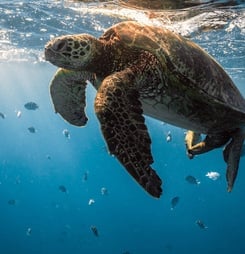
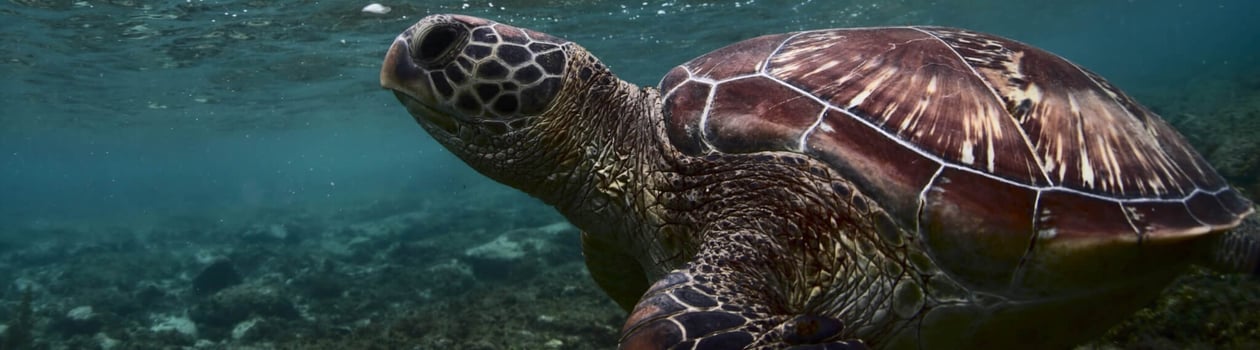
Green sea turtles are major grazers of seagrass beds, cropping the plants and encouraging new growth.
This “mowing” keeps seagrass short and healthy, which improves habitat for fish, invertebrates, and other marine life and also boosts the ecosystem’s ability to store carbon.
River Turtles Act as “Engineers” of Freshwater Ecosystems
Large river turtles, such as South America’s giant South American river turtle (Podocnemis expansa), transport nutrients between rivers and nesting beaches through their eggs and hatchlings.
Their grazing, burrowing, and nesting help shape sandbanks and influence plant growth, earning them the label of ecosystem engineers in tropical rivers.
Some Turtles Absorb Oxygen Through Their Cloaca
Several aquatic turtle species, including certain Australian freshwater turtles, can take up a significant amount of oxygen through specialized tissues in their cloaca, an opening used for excretion and reproduction.
This “cloacal respiration” allows them to remain submerged for long periods, especially during cold-water hibernation when they barely surface to breathe.
Turtles Possess a Unique Reinvented Ribcage as a Shell
A turtle’s shell is formed by broadened, fused ribs and vertebrae that grew outward and around the body during evolution, effectively turning the ribcage into rigid armor.
This unusual skeletal redesign, which limits torso expansion, forced turtles to evolve alternative ways of breathing using muscle-driven movements of their limbs and girdles.
Ancient Turtles Lived Alongside Dinosaurs
The turtle lineage originated more than 200 million years ago, with some early recognizable turtles appearing in the late Triassic period.
Fossil evidence shows that turtles survived the mass extinction that wiped out non-avian dinosaurs and largely retained their basic body plan, making them one of the oldest living reptile groups.
Turtles Hold Deep Symbolic Roles in Many Indigenous Cultures
In numerous Indigenous North American traditions, the land is sometimes referred to as “Turtle Island,” reflecting stories in which a turtle supports the earth or carries soil that forms the continents.
These narratives highlight the turtle as a symbol of creation, stability, and endurance and continue to influence contemporary cultural and environmental identities.