
National Fitness Recovery Day is a friendly nudge to treat recovery like part of training, not a guilty afterthought. It spotlights the unglamorous but game-changing habits that help the body bounce back after exercise: rest, hydration, mobility work, and simple self-care that keeps muscles, joints, and motivation in working order.
Recovery is just as crucial as the workout itself. This day highlights the need for activities like stretching, rehydration, and restoring electrolytes, which are essential for muscle repair and overall performance.
When recovery is handled well, workouts tend to feel better, soreness is more manageable, and progress is easier to sustain over the long haul.
How to Celebrate National Fitness Recovery Day
Stretch and Smile
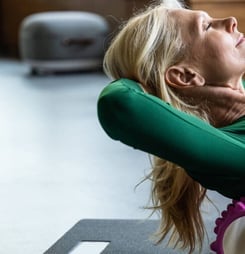
Celebrate with some gentle stretching. Try a yoga session or a simple stretch routine. Breathe deeply and relax those muscles.
Stretching helps improve flexibility and reduce muscle tension. Let each move bring a smile to your face!
To make stretching truly helpful, keep it comfortable and unhurried. After a tough workout, the goal is usually to restore range of motion and calm the nervous system, not to force an extreme new stretch. A simple full-body routine might include:
- Calves and ankles (especially helpful after running or jumping)
- Hip flexors and glutes (common tight areas for desk workers and strength trainers)
- Thoracic spine and chest (useful after pressing exercises or long periods of sitting)
- Hamstrings and adductors (often tight after sprinting, deadlifts, or cycling)
Gentle, sustained holds tend to feel best when muscles are warm. If the body feels cold or stiff, begin with a few minutes of light movement, such as walking around the room, marching in place, or doing a slow cat-cow sequence. Pairing stretches with steady breathing is not only relaxing. It can also signal muscles to stop “guarding,” meaning they relax enough to move more freely.
Hydrate and Replenish
Drink plenty of water. Add slices of fruit like lemon or berries for a refreshing touch. Support your electrolyte balance with a sports drink or coconut water. Staying hydrated keeps the body functioning at its best.
Hydration is one of the easiest recovery wins because it supports circulation, temperature control, and nutrient transport. A practical approach is to drink regularly instead of consuming a large amount all at once. After heavy sweating, some people feel better when they replace electrolytes too, especially sodium, potassium, magnesium, and chloride. These minerals help maintain fluid balance and normal muscle function.
Electrolytes come from many sources. Sports drinks are one option, but everyday foods work as well. Broth, yogurt, milk, bananas, oranges, potatoes, leafy greens, and lightly salted meals all contribute. The best choice depends on the workout and the individual. A light strength session may only require water and a normal meal, while longer or more intense training may call for extra electrolyte support.
A simple way to assess hydration is to notice how the body feels afterward. Ongoing headache, dizziness, fatigue, or muscle cramps can signal that fluid and electrolytes need attention. Anyone with a medical condition affecting fluid balance should follow personal medical advice, but for most people, steady hydration and balanced meals are enough.
Foam Roll Fun
Grab a foam roller and give yourself a mini massage. Roll out tight spots and feel the tension ease. Foam rolling can boost blood flow and help reduce muscle soreness. Make it an enjoyable part of your recovery routine.
Foam rolling is often described as “hurts so good,” but it does not need to be painful to work. Slow, moderate pressure is usually enough to reduce stiffness and improve comfort during movement. It is also a good opportunity to check in with the body and notice what feels sore versus simply tight.
A basic foam rolling session might include:
- Quads and hip flexors after squats or lunges
- Glutes and outer hips after running or climbing stairs
- Upper back after desk work or overhead lifting
- Calves after running, cycling, or court sports
Move slowly, pause on tender areas, and breathe until the discomfort decreases. If a spot feels sharp, numb, or tingly, reduce the pressure or move away. Foam rolling is not a competition, and bruises are not a badge of honor. For smaller or hard-to-reach areas like the feet, glutes, or shoulders, a massage ball or tennis ball works well.
Lazy Day Lounge
Take a break from intense training. Relax with a good book or your favorite show. Rest days are just as important as active ones. Enjoy some well-earned downtime without guilt.
A true rest day matters because training stresses more than just muscles. Exercise also challenges the nervous system, connective tissues, and energy reserves. Rest allows these systems to recover, helping reduce injury risk and mental fatigue from constant training.
Rest does not have to mean complete inactivity, unless the body calls for it. Many people prefer active recovery, which involves gentle movement that feels easy enough to hold a conversation. Examples include relaxed walking, easy cycling, light swimming, or a gentle mobility routine. The goal is to move without adding new stress.
This is also an ideal time to prioritize sleep. Quality sleep supports muscle repair, immune function, and mood, all of which influence training consistency. A recovery-focused evening might include an earlier bedtime, dim lighting, and a calming routine that does not involve screens late at night.
Spa Treatment Splurge
Treat yourself to a spa-style experience. Run a warm bath, add Epsom salts, and soak away tension. Light candles or play calming music to create a peaceful atmosphere.
Give your body and mind a moment of well-deserved care.
A spa session can be simple or elaborate and does not have to cost anything. The real goal is to shift the body out of high-activity mode and into recovery mode. Warmth can help muscles feel looser and may reduce the sensation of soreness. A warm shower directed at tight areas, a bath, or a safely used heating pad can all feel restorative.
For a sport-inspired variation, some people alternate warm and cool water during a shower. Others prefer gentle self-massage with lotion, focusing on areas that worked hardest. Even basic foot care counts. Feet handle a lot of impact, and rolling the arches on a ball or moisturizing after a shower can feel surprisingly helpful.
Mental recovery matters too. A few minutes of quiet breathing, gentle stretching with music, or simply sitting without multitasking can lower stress levels. This can be especially valuable for people whose training intensity matches a fast-paced lifestyle.
Why Celebrate National Fitness Recovery Day
Celebrating National Fitness Recovery Day highlights the importance of rest within a fitness routine.
Recovery helps prevent injuries and keeps the body performing at its best. Hydration and nutrient replacement are essential parts of the process. During exercise, the body loses fluids and minerals through sweat and uses stored energy. Replacing these resources supports rebuilding and prepares the body for the next session.
Recovery also includes nutrition beyond fluids. Muscles benefit from protein to support repair and adaptation. Carbohydrates help restore glycogen, the body’s primary fuel for many activities. A recovery meal does not need to be complicated. Good options include:
- Eggs with toast and fruit
- Yogurt with granola and berries
- Rice or potatoes with beans, fish, chicken, tofu, or another protein source
- A smoothie made with milk or a fortified alternative, fruit, and protein
Timing can be flexible, but consistency is key. People who regularly underfuel their training often experience lingering soreness, low energy, and harder workouts. Recovery day is a great opportunity to plan satisfying, supportive meals instead of relying on rushed choices.
This day also raises awareness about smart recovery practices within the fitness community. Many people push their bodies hard through sports, gym routines, demanding jobs, or daily movement goals. Recovery helps balance that effort. Proper rest supports connective tissue health, manages fatigue, and keeps training enjoyable.
It also encourages a healthier view of soreness. Muscle soreness after new or intense activity is common, but soreness alone does not equal progress. Chasing it can increase the risk of overtraining. Consistent recovery habits support steady training, which is what drives long-term improvement.
National Fitness Recovery Day also reminds us that recovery is individual. Age, stress, sleep quality, training experience, and overall health all affect how quickly the body recovers. Some people bounce back quickly from strength sessions but need more care after endurance work, while others experience the opposite. Learning personal recovery patterns is part of becoming stronger and healthier.
National Fitness Recovery Day Timeline
Early Scientific Study of Muscle Fatigue
French physiologist Claude Bernard investigates how repeated muscle contractions lead to fatigue, laying the groundwork for understanding why rest and recovery are necessary after exertion.
General Adaptation Syndrome Described
Endocrinologist Hans Selye publishes work on the General Adaptation Syndrome, explaining how the body responds to stress in stages, a concept that later informs training load, overtraining, and the need for structured recovery.
RICE Principle for Acute Injury Begins to Emerge
During the mid‑20th century, sports clinicians refined the idea that rest, ice, compression, and elevation help tissues recover from sprains and strains, culminating in the formal RICE acronym popularized in later decades.
Gatorade and Modern Electrolyte Rehydration
Researchers at the University of Florida developed Gatorade to help football players better recover fluids and electrolytes lost in intense practices, ushering in the sports drink era focused on hydration and recovery.
Periodization Popularized in Athletic Training
Romanian-Canadian coach Tudor Bompa and others promote periodization, a systematic approach that cycles training intensity and built‑in rest to optimize performance and reduce overtraining in athletes.
ACSM Issues Position Stand on Exercise and Fluid Replacement
The American College of Sports Medicine releases influential guidelines on hydration during and after exercise, formally recognizing fluid and electrolyte replacement as central to safe performance and recovery.
Foam Rolling Enters Mainstream Fitness
Foam rollers and other self‑myofascial release tools move from physical therapy clinics into gyms and home routines, becoming a common self‑care method to ease soreness, improve mobility, and support recovery after workouts.
History of National Fitness Recovery Day
National Fitness Recovery Day began in March 2021, initiated by O2 Natural Recovery. The idea behind this day is to highlight the importance of recovery in fitness routines.
Overexerting muscles without proper rest can lead to injuries and burnout. The founders aimed to create awareness around the need for hydration, electrolyte balance, and adequate rest after workouts.
O2 Natural Recovery is associated with the sports hydration and recovery space, and the day fits neatly into a broader shift in fitness culture. For a long time, training conversations focused on effort, intensity, and discipline.
Recovery was often treated like a soft add-on. As more everyday exercisers began following structured programs and as sports science became more mainstream, recovery started getting the attention it deserved. The message is straightforward: the workout is the stimulus, and recovery is when adaptation happens.
National Fitness Recovery Day encourages people to take a day to let their bodies recuperate. Activities like stretching, drinking plenty of water, and replacing lost electrolytes are emphasized as part of this recovery process. These practices are simple, but they connect to bigger ideas in exercise physiology.
Muscles experience tiny amounts of damage during training, especially strength and high-intensity work. The body responds by repairing tissue, building strength, and improving efficiency. That process is supported by sleep, nutrition, and appropriate rest.
The day also reflects a more sustainable approach to fitness. Instead of celebrating only the hardest sessions, it gives a little applause to the behind-the-scenes habits that keep people training for years. That includes taking rest days, doing mobility work, addressing nagging aches early, and recognizing when “more” is not always “better.”
National Fitness Recovery Day provides a platform for promoting self-care and wellness, ensuring that both active individuals and those new to fitness understand the importance of taking care of their bodies.
For newcomers, the message can be especially reassuring: feeling tired after exercise does not mean something is wrong, but ignoring fatigue signals can create problems. For experienced athletes, it serves as a reminder that even high performers build rest into their plans.
In the end, the spirit of the day is refreshingly practical. Celebrate the nap. Celebrate the water bottle. Celebrate the slow stretch that makes standing up from the couch feel less like a dramatic performance. Recovery is not the opposite of fitness. It is part of it.
National Fitness Recovery Day Facts
Recovery is where real progress happens. While workouts challenge the body, rest, hydration, and proper recovery strategies help muscles rebuild, energy stores refill, and performance improve.
These facts highlight the science behind why recovery is not a break from fitness — it is an essential part of getting stronger, healthier, and more resilient.
Supercompensation: Why Muscles Get Stronger After Rest
Exercise scientists have documented a “supercompensation” effect, where the body temporarily boosts muscle glycogen stores and functional capacity after a hard training bout, but only if adequate recovery time is allowed.
If intense sessions are stacked with too little rest, performance plateaus and overtraining risk rise instead of fitness gains.
Delayed-Onset Muscle Soreness Is Microscopic Damage, Not Lactic Acid
The soreness that appears 24 to 72 hours after a tough workout is primarily caused by microscopic damage to muscle fibers and connective tissue, rather than “lactic acid buildup” as was long believed.
Studies using muscle biopsies and blood markers have shown that eccentric exercise, which lengthens muscles under load, is especially likely to trigger this delayed-onset muscle soreness.
Electrolytes Help Maintain Performance in Prolonged Exercise
During long or high-heat workouts, athletes can lose enough sodium in sweat that plain water alone may not fully maintain fluid balance or performance.
Research in endurance athletes shows that drinks containing sodium and carbohydrates better preserve plasma volume, reduce the risk of hyponatremia, and support sustained exercise capacity compared with water-only strategies.
Foam Rolling Can Reduce Soreness Without Hurting Strength
Self-massage with a foam roller is not just a trend in gyms; controlled trials have found that foam rolling after exercise can decrease perceived muscle soreness and improve range of motion in the following days.
Importantly for people who train regularly, these benefits do not appear to come at the cost of reduced strength or power in subsequent workouts.
Sleep Debt Raises Injury Risk in Young Athletes
Sports medicine researchers following high school athletes have found that those who regularly sleep fewer than eight hours per night have significantly higher rates of sports-related injuries than their better-rested peers.
The findings suggest that cumulative sleep debt may impair reaction time, coordination, and tissue repair, making even routine practices more hazardous.
Cold Water Immersion Has Mixed Effects on Muscle Adaptation
Icing sore muscles with cold water immersion can reduce pain and inflammation after hard exercise, but it may blunt some of the long-term strength and hypertrophy gains from resistance training.
Studies comparing athletes who regularly used post-workout cold baths with those who did not found smaller improvements in muscle size and strength in the cold-water groups over time.
Active Recovery Often Outperforms Complete Rest
Instead of lying still, very light exercise such as slow cycling or walking can speed the removal of metabolic byproducts from muscles and restore performance between efforts.
Laboratory tests show that athletes who use low-intensity movement between high-intensity bouts often regain more power for the next effort than those who sit or lie down completely.