
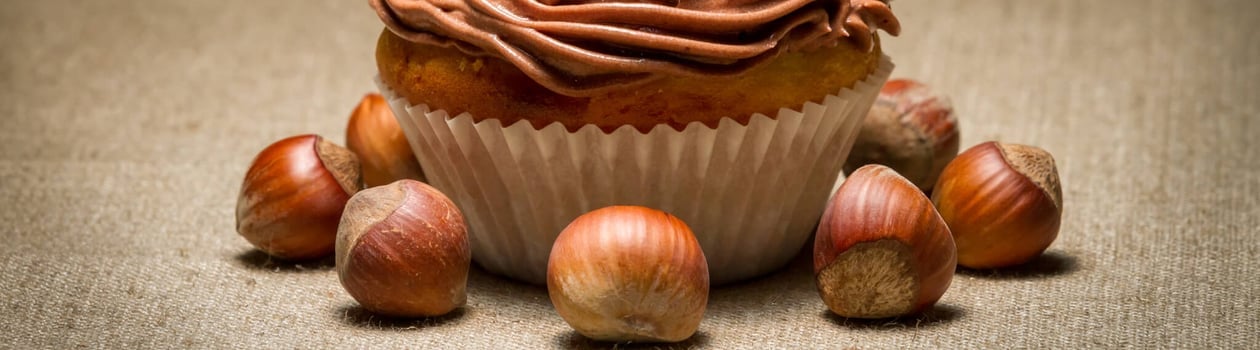
Go nuts and enjoy some delicious cake, too, by getting on board with celebrating National Hazelnut Cake Day. Hazelnuts bring a rich, toasty flavor that feels fancy even in a simple home-baked treat, and hazelnut cake is one of the easiest ways to let that flavor shine.
From tender, nutty crumb cakes to elegant layered tortes with glossy frosting, this day is a sweet excuse to bake, share, and savor what makes hazelnuts so beloved in desserts.
How to Celebrate National Hazelnut Cake Day
Celebrate National Hazelnut Cake Day with a plan that fits the time, budget, and confidence level in the kitchen. Some people will want a full baking project, while others will be happier buying a slice and making it feel special at home.
Enjoy Baking a Hazelnut Cake
Hazelnut cake can be made in a number of ways, and that is part of the fun. Hazelnuts can play the starring role in the batter as flour or meal, appear as crunchy accents, or show up as a silky filling that turns an ordinary slice into something memorable.
One of the simplest approaches is to use hazelnut flour along with all-purpose or cake flour. Hazelnut flour, sometimes labeled hazelnut meal when it is a bit coarser, adds flavor and tenderness but behaves differently than wheat flour because it has no gluten.
Replacing only part of the wheat flour usually works well because it keeps the cake structure reliable while still delivering that unmistakable roasted-nut aroma. If a recipe calls for “hazelnut flour” and only hazelnut meal is available, it can still work. The texture may be a touch more rustic, which is a great match for a snack-style cake.
A few technique choices can make a hazelnut cake taste like it came from a bakery case:
- Toast the nuts first. Even if the hazelnuts are going into a batter, toasting whole nuts for decorations or fillings deepens flavor. It encourages the oils in the nut to become more fragrant, boosting that warm, almost cocoa-like note hazelnuts are known for.
- Remove the skins when possible. Hazelnut skins can be slightly bitter. Rubbing toasted hazelnuts in a clean towel helps loosen them. It does not need to be perfect, but removing most of the skin can make the flavor smoother in delicate cakes and buttercream.
- Balance sweetness and salt. Hazelnuts are naturally sweet and buttery. A small pinch of salt in the batter and frosting helps the nut flavor stand out instead of disappearing under sugar.
- Pair hazelnut with a supporting flavor. Chocolate is the classic partner, but hazelnuts also pair well with coffee, vanilla, citrus zest, pears, and warm spices like cinnamon. Even a small amount of orange zest can make the nut flavor feel brighter.
- Watch browning. Nut flours can brown quickly. Many bakers keep an eye on the top of the cake and use gentle heat so the center sets without the edges becoming too dark.
Hazelnut cake comes in more than one “personality,” and this day is a good excuse to try a style that fits the occasion:
- Everyday hazelnut snack cake. A single layer topped with powdered sugar, a thin glaze, or whipped cream and berries.
- Hazelnut layer cake. Light layers with hazelnut buttercream, chocolate ganache, or coffee frosting, plus chopped toasted nuts around the edges.
- Flourless hazelnut torte. Often made with ground hazelnuts and whipped eggs for lift, producing a dense, elegant crumb that feels like a cross between cake and confection.
- Hazelnut Bundt cake. Easy to slice and share, with a drizzle of chocolate or espresso glaze that settles into the ridges.
Make a Hazelnut Frosting or Filling
A hazelnut cake can be wonderful on its own, but frostings and fillings are where the flavor can really bloom. A hazelnut buttercream is a natural choice because butter carries flavor and makes the nut taste even more rounded.
A few adjustments can make hazelnut buttercream feel smooth and intentional:
- Use finely ground hazelnuts or hazelnut paste. If the nuts are too coarse, the frosting can feel gritty. A very fine meal or a smooth hazelnut paste gives a silkier result.
- Add a hint of cocoa or coffee. Hazelnut and chocolate are natural friends, and a small amount of cocoa can lean into a chocolate-hazelnut direction without turning the frosting fully chocolate. Coffee amplifies the toasted notes and keeps the flavor from tasting flat.
- Build in texture on purpose. Spread the frosting smoothly, then add contrast with toasted chopped nuts pressed into the sides, or sprinkle caramelized hazelnut pieces on top.
Not in the mood for a full cake? A hazelnut frosting can turn plain cupcakes, a simple loaf cake, or even cookies into something that still feels worthy of the day.
Buy a Slice and Turn It Into an At-Home Treat
Not everyone wants to bake. National Hazelnut Cake Day can still be celebrated by picking up a hazelnut dessert and serving it thoughtfully. A bakery-made slice of hazelnut cake, a hazelnut torte, or a chocolate-hazelnut mousse cake can feel festive without any prep beyond a plate and fork.
For a low-effort upgrade, dress up a store-bought plain cake. Split it, spread in hazelnut-chocolate filling or hazelnut cream, frost, and finish with toasted nuts. A simple garnish like shaved chocolate, cocoa powder, or a few fresh berries makes the whole thing look intentional.
Share, Swap, and Be Allergy-Aware
Hazelnut cake travels well, especially loaf cakes and Bundt cakes, so sharing is an easy way to celebrate. It can be as simple as boxing up slices for friends or coworkers, bringing a cake to a potluck, or setting up a casual dessert table with coffee and thin slices.
Since hazelnuts are a tree nut and a common allergen, it is thoughtful to label anything that contains hazelnuts, even if they are ground into flour and not obvious. Clear labeling helps everyone feel included and safe, and it makes sharing more comfortable.
National Hazelnut Cake Day Timeline
Ancient hazelnut processing in Scotland
At Staosnaig on the island of Colonsay in Scotland, archaeologists uncovered a Mesolithic pit filled with tens of thousands of burnt hazelnut shells, indicating large-scale nut roasting and organized gathering by hunter-gatherers around 7000 BC.
Roman cultivation of hazelnuts spreads
Roman agricultural writer Columella recorded detailed instructions for planting, grafting, and tending hazel trees, helping formalize and spread systematic hazelnut cultivation across parts of the Roman Empire.
Medieval Europeans baked with nuts and honey
Medieval European cookery manuscripts show that ground nuts, including hazelnuts, were frequently combined with honey, spices, and bread crumbs to make rich baked puddings and early cake-like confections for feasts.
Hazelnuts enter refined French patisserie
French culinary writers of the 18th century, such as Menon, described cakes and biscuits enriched with ground nuts, including hazelnuts, helping to integrate nut-based batters and fillings into the formal European pastry tradition.
Cocoa shortages inspire early chocolate–hazelnut confections
During Napoleon’s Continental Blockade, cocoa became scarce in Turin, prompting confectioners to stretch chocolate by blending it with roasted hazelnuts, creating a forerunner of later chocolate–hazelnut fillings used in cakes and pastries.
History of National Hazelnut Cake Day
National Hazelnut Cake Day is part of a broader tradition of food holidays that highlight a specific ingredient and the treats people love to make with it.
The exact beginnings are not widely documented, but the idea is straightforward: give hazelnut cake its own moment and encourage home bakers and pastry lovers to enjoy it on purpose instead of waiting for a special occasion.
The ingredient at the heart of the day has deep roots. Hazelnuts have been eaten for thousands of years, and archaeological findings show that people gathered and processed them long before modern agriculture. They appear across European and Mediterranean food traditions, and they have long been valued because they store well, taste rich even in small amounts, and can be used in both sweet and savory dishes.
Hazelnuts are the fruit of trees and shrubs in the genus Corylus, and the nuts often grow in small clusters. Inside the shell is a pale kernel wrapped in a thin brown skin. The skin is edible, but it can taste slightly bitter, especially when the nut is used in a delicate dessert.
That is why many bakers toast and rub hazelnuts before using them in cakes, fillings, and decorations. Toasting also intensifies the nut’s aroma and makes the flavor taste fuller, which matters in a cake where the hazelnut should be more than a background note.
As hazelnuts spread through different regions, they became part of many baking styles. In some places, ground nuts were folded into batters for sturdy everyday cakes. In others, hazelnuts were treated as a prized ingredient saved for tortes, celebratory pastries, and layered desserts.
The nut’s compatibility with chocolate, coffee, dairy, and fruit helped it become a reliable favorite for pastry chefs, while home cooks appreciated that it could make a simple cake taste “special” without complicated decoration.
Modern hazelnut popularity is also tied to confectionery. Chocolate-hazelnut spreads and hazelnut chocolates introduced the flavor to people who might not have used whole hazelnuts at home, and that familiarity made hazelnut baking feel more approachable.
Once a person enjoys that combination in a candy or spread, a hazelnut cake becomes a natural next step, especially since the flavor works so well with classic cake ingredients like butter, eggs, sugar, and vanilla.
National Hazelnut Cake Day focuses on the long relationship between hazelnuts and sweets into one specific comfort: cake.
Hazelnuts contribute more than flavor. When finely ground, they can add moisture and a plush texture. When chopped and toasted, they add crunch and aroma. When blended into buttercream or folded into a filling, they bring a richness that tastes luxurious even when the recipe is simple.
The day also celebrates variety. Hazelnut cakes can be light and airy, lifted by whipped eggs, or dense and tender like a torte meant to be sliced thin and served with coffee or tea. Some versions are covered in chocolate glaze, while others keep things understated with powdered sugar and a handful of toasted nuts.
That flexibility is part of the appeal: there is no single “correct” hazelnut cake. The point is to enjoy the nut’s warm, roasted character and to share a dessert that feels generous and a little bit indulgent.
National Hazelnut Cake Day FAQs
Are hazelnuts actually good for health, or are they just an indulgent dessert ingredient?
Hazelnuts are energy-dense but provide beneficial nutrients when eaten in moderate portions.
They are rich in monounsaturated fats, vitamin E, magnesium, folate, and fiber, which have been linked in studies to better heart health and improved blood lipid profiles when nuts replace refined carbohydrates or saturated fats.
However, they are high in calories, so very large portions can contribute to weight gain, and people with tree nut allergies must avoid them completely.
What is the difference between hazelnuts, filberts, and cobnuts?
These names refer to closely related nuts from species in the Corylus genus rather than entirely different foods.
In North America, “hazelnut” and “filbert” are often used interchangeably for commercial varieties.
In the United Kingdom, “cobnut” traditionally refers to certain large-fruited cultivars of hazel that are picked fresh and eaten green as well as dried.
All are edible hazel nuts, but local traditions and specific cultivated varieties influence the name used.
Why do some cake recipes use hazelnut flour or ground hazelnuts instead of only wheat flour?
Ground hazelnuts add fat, protein, and flavor compounds that give cakes a moist, tender crumb and a pronounced nutty taste.
Since hazelnut flour contains no gluten, it softens the structure of a wheat-based batter and can make the texture more delicate.
When hazelnut flour is used on its own or at high percentages, recipes typically add extra eggs or binding ingredients to compensate for the lack of gluten and to keep the cake from crumbling.
Can hazelnuts be part of a gluten-free or low-carb cake recipe?
Hazelnuts themselves are naturally gluten-free and relatively low in carbohydrates compared with grain flours, so they are common in gluten-free and lower-carb baking.
Many recipes blend hazelnut flour with other gluten-free flours or starches and rely on eggs to provide structure.
People with celiac disease or gluten sensitivity still need to check labels, since some commercially milled nut flours can be processed in facilities that also handle wheat, which introduces a risk of cross-contact.
How should hazelnuts and hazelnut flour be stored to keep them from going rancid?
Because hazelnuts are high in unsaturated fats, they are prone to oxidation that leads to rancid flavors over time.
Whole nuts keep best in an airtight container in a cool, dark place and can be refrigerated or frozen for longer storage.
Once nuts are roasted, chopped, or ground into flour, their surface area increases and they spoil more quickly, so refrigeration or freezing is strongly recommended, and they should be kept away from moisture and strong odors.
Why are most of the world’s hazelnuts grown in a few specific regions?
Hazelnut trees thrive in temperate climates with cool winters and mild summers, along with well-drained soils and adequate winter chill.
Regions along the Black Sea coast of Turkey, parts of Italy, and the Willamette Valley in Oregon offer the right combination of climate, topography, and established farming infrastructure.
Over time, these areas have specialized in hazelnut cultivation, developed suitable cultivars, and built processing and export networks, which reinforces their dominance in global production.
Are hazelnut allergies common, and how do they differ from peanut allergies?
Hazelnut allergy is one of the more frequent tree nut allergies in Europe and can cause reactions that range from mild oral itching to severe anaphylaxis.
In some people, especially in birch-pollen regions, hazelnut allergy is linked to pollen-related oral allergy syndrome and may cause milder symptoms with cooked products than with raw nuts.
Peanut allergy involves a different plant family and different allergenic proteins, so tolerating peanuts does not guarantee that hazelnuts are safe, or vice versa, and each nut must be considered separately in allergy testing and management.



You may also like
National German Chocolate Cake Day
Celebrate National German Chocolate Cake Day with rich chocolate, coconut, and pecan flavors, fun recipes, and the surprising story behind this iconic dessert.
- Canada
- Germany
- United Kingdom
- and 1 more
National Devil’s Food Cake Day
Celebrate National Devil’s Food Cake Day by baking, sharing, and savoring this rich, moist chocolate classic that brings people together in sweet indulgence.
- Australia
- Canada
- United Kingdom
- and 1 more
National Chocolate Cake Day
Indulge in this delectable cocoa-based dessert, make the original pioneering recipe or put a modern twist on this classic by adding flavors like matcha.

National Applesauce Cake Day
Celebrate National Applesauce Cake Day with moist, spice-kissed applesauce cake, creative baking, and shared slices that honor a comforting, historic dessert.
National days and holidays on June 1

Vivid Sydney
Vivid Sydney is a dazzling celebration that transforms the city into a vibrant playground of lights, music, and creativity. For weeks, iconic landmarks and urban spaces glow with stunning light installations and 3D projections, captivating both locals and tourists. This festival draws millions of visitors each year, offering an enchanting...

Stand For Children Day
Stand For Children Day champions children’s rights, inspiring advocacy, volunteering, and community action to support education, health, and safety for every child.

National Billboard Day
Celebrate National Billboard Day by exploring, photographing, and creating billboards while honoring their artistic impact and vital role in outdoor advertising.

International Sheltie Day
Celebrate International Sheltie Day by honoring the Shetland Sheepdog’s intelligence, loyalty, and charm with fun activities, meetups, photos, and community giving.
Seize Every Day
Join free for personalised recommendations, email reminders and exclusive guides. Never miss a day.