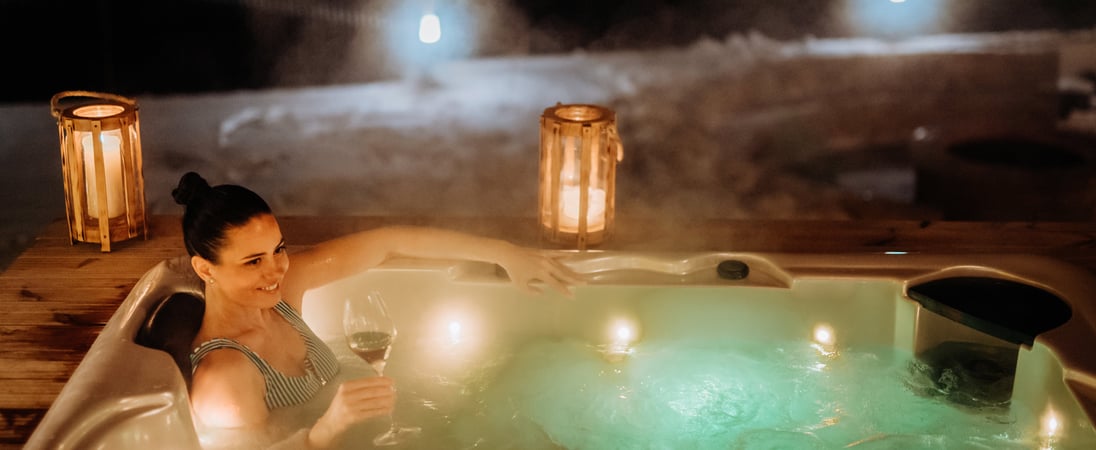
National Hot Tub Day
National Hot Tub Day celebrates the joy and relaxation that a hot tub brings. It’s a chance to indulge in the soothing warmth of bubbling water, melting away stress with every dip. For those who own a hot tub, this day encourages slowing down to unwind and recharge.
The day also highlights the many health benefits that hot tubs provide. The warm water and massaging jets don’t just feel great; they also work wonders for aching muscles and stiff joints, offering a natural form of relief.
Some even find that a soak helps improve sleep, with the warmth easing both body and mind. Beyond relaxation, the day is a reminder to care for your hot tub, ensuring it’s clean and ready for those moments of peace.
Embrace National Hot Tub Day as a break from daily routines, where a warm soak can boost well-being and create an oasis at home.
How to Celebrate National Hot Tub Day
If you’re looking to make National Hot Tub Day unforgettable, here are a few fun and unique ways to celebrate.
Unwind with Aromatherapy
Create a calming oasis by adding essential oils like lavender or eucalyptus to your hot tub. Aromatic scents elevate relaxation and add a spa-like touch.
Use oils specifically designed for hot tubs to avoid harming the water balance or filters.
Host a “Tubside” Party
Gather friends and family for a fun hot tub party. Serve tasty drinks and set up cozy outdoor seating. String up fairy lights or lanterns for a warm, inviting atmosphere.
Playing light music in the background can add to the mood and make it a celebration.
Enjoy a Starry Soak
If it’s a clear night, make the most of stargazing while soaking. Bring out a stargazing app, or simply enjoy the vast sky above.
The contrast between the cool night air and the hot water makes it even more enjoyable. Add a few floating candles for an extra special touch.
Try Hot Tub Yoga
Stretch, breathe, and enjoy the unique experience of yoga in warm water. Simple stretches can relieve tension and enhance flexibility without strain.
With jets providing gentle resistance, the water adds an extra level of relaxation.
Recharge with Refreshing Drinks
Whip up some refreshing, non-alcoholic mocktails to enjoy while you soak. Think fruit-infused waters or sparkling lemonades served in spill-proof cups. Keep hydrating, as the warm water can make you thirstier than you think.
History of National Hot Tub Day
National Hot Tub Day, held annually, celebrates the simple pleasure of relaxing in a hot tub. This special event began gaining recognition from hot tub enthusiasts and companies around 2016 as a way to highlight the benefits and enjoyment hot tubs bring.
This unofficial holiday has grown through the support of spa businesses and hot tub fans who appreciate its timing—a perfect excuse to unwind after winter and embrace spring with a cozy soak.
Hot tubs have a fascinating history. The first modern, jetted version was created by Roy Jacuzzi in the 1960s to provide relief for family members with arthritis.
Since then, the hot tub evolved from a therapeutic tool into a popular luxury for homes, gyms, and spas worldwide. National Hot Tub Day builds on this history, blending enjoyment with well-being as people soak to ease stress, relax muscles, and connect with others in a warm, bubbly setting.
The day has gained popularity with fans sharing their love for hot tubs on social media and in gatherings. Spa businesses often support the day with special offers and tips for hot tub care, as well as organizing events to mark the occasion.
Whether it’s enjoying a peaceful night under the stars or hosting a fun gathering with friends, National Hot Tub Day reminds people of the unique charm and health benefits hot tubs offer.
National Hot Tub Day FAQs
Did ancient civilizations enjoy hot water bathing?
Yes, many ancient cultures used hot water for relaxation and health.
The Romans built lavish bathhouses for communal bathing and socializing, while Japanese onsen (hot springs) were revered for their healing properties.
Even early Nordic cultures used wooden hot tubs for warmth in icy climates.
What’s the oddest hot tub tradition around the world?
In Iceland, locals celebrate the geothermal hot springs, blending hot tub relaxation with volcanic landscapes.
In Siberia, some people alternate between icy rivers and hot tubs for adrenaline-boosted relaxation.
What’s the story behind hot tub-based world records?
The largest hot tub ever built held over 100 people and was created for a festival in Canada. It measured a whopping 50 feet in diameter!
Are there health benefits to combining hot tubs and aromatherapy?
Yes! Adding essential oils like lavender or eucalyptus to hot tubs (via oil-safe diffusers) enhances relaxation. Some even use oils believed to help with congestion or muscle pain.
Can hot tubs be used for food-themed celebrations?
Some enthusiasts hold “hot tub cookouts” by installing nearby grills. A quirky twist is floating trays of snacks or drinks for a spa-meets-dining experience.
What’s the most luxurious hot tub experience in the world?
In Finland, luxury saunas and hot tubs are placed near glass igloos. Visitors enjoy the northern lights while soaking in steamy comfort.
Are there any myths about hot tub hygiene?
A common misconception is that hot tubs are bacteria hotbeds. When maintained properly, their filters and chemicals ensure water safety, much like pools.
How did hot tubs inspire social gatherings in the 20th century?
In the 1960s, hot tubs became symbols of leisure in California’s counterculture. People used them to host informal social gatherings, sparking a trend that spread globally.
Can you use a hot tub during winter storms?
Absolutely! Soaking in a hot tub while surrounded by snow is a favorite winter pastime in colder regions.
It’s both exhilarating and relaxing, though some enthusiasts ensure nearby pathways are salted for safety when stepping out into the cold.
What’s the most unusual hot tub design ever created?
A team in the Netherlands built a hot tub inside a converted vintage car. The “HotTug” is another quirky creation—a floating, wood-fired hot tub boat that lets people soak while cruising on lakes or rivers.
Also on ...
View all holidays
International Women in Music Day
Talented and trailblazing, these artists harmonize their voices and instruments, leaving an indelible mark on the music landscape.
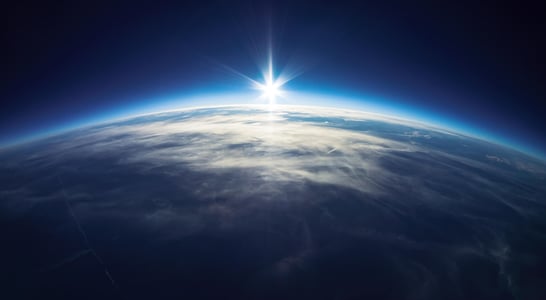
Earth Hour
Taking a stand for our planet by flicking the switch and embracing the beauty of a starry night, one bulb at a time.
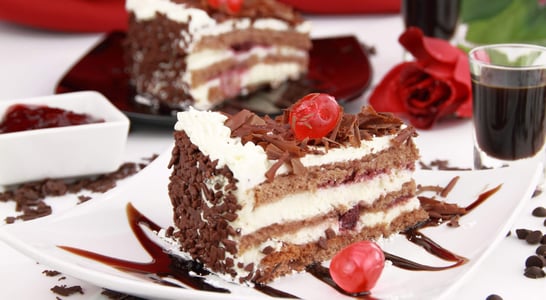
National Black Forest Cake Day
Rich chocolate layers interwoven with luscious cream and a hint of tartness create a dessert that's a delightful harmony of flavors.
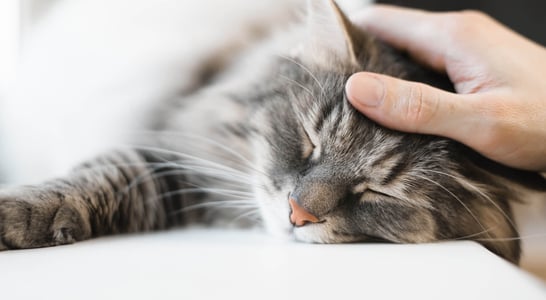
Respect Your Cat Day
Cats are independent and curious creatures. Show them love by providing a safe environment, playtime, and respect their boundaries.
We think you may also like...

National Bikini Day
Hit the beach or lay out in the sun in your bikini on the anniversary of the invention of this ever-popular two-piece swimsuit in 1946. Don’t forget sunscreen!
National Bubble Wrap Day
It's that satisfying pop, the protection for fragile stuff, the stress-relief tool, all rolled into one — a true unsung hero of packaging!
Scented Candle Day
Fragrant flames that bring warmth and comfort, filling the air with a soothing ambiance that transcends the ordinary.

National Comfy Day
Wrapping yourself up in a warm cocoon, and snuggling with your favorite book or movie is what makes life worth living.