
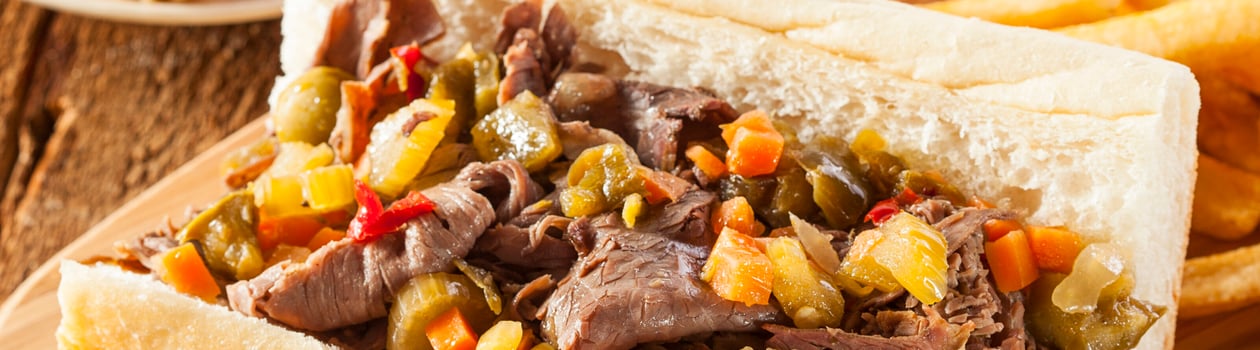
Have you ever bitten into a sandwich so full of flavor it made you stop and smile? That’s the magic of Italian beef.
This mouthwatering classic layers thin slices of seasoned roast beef inside a sturdy roll, moistened with savory jus and topped with peppers that bring either heat, sweetness, or both. It’s the kind of food that doesn’t try to behave. The bread turns glossy, the meat stays tender and deeply seasoned, and the toppings cut through the richness with a bright snap.
It’s messy in the best way. Juicy, spicy, and warm, it delivers comfort with every bite and usually calls for extra napkins. National Italian Beef Day celebrates that joy, one sandwich at a time, with no fancy frills required. There’s something wonderfully unpretentious about a meal that’s built for big flavor rather than neat edges.
This day also highlights more than a single order at the counter. It’s about the small ritual around the sandwich: choosing hot giardiniera or sweet peppers, deciding how wet to go, and taking that first bite that tastes like both a roast dinner and street food. Italian beef has a way of pulling people in quickly, even first-timers, because it feels familiar while still being its own thing.
For many fans, Italian beef also represents a style of cooking that turns humble ingredients into something memorable: a well-seasoned roast, good bread, time, and a generous hand with the juices. National Italian Beef Day is a simple excuse to enjoy all of that on purpose, and to share it with someone who has never tried it before.
How to Celebrate National Italian Beef Day
Here are some lively ideas to celebrate National Italian Beef Day:
Host an Italian Beef Bar
Invite friends or family to build their own sandwiches. Offer sliced roast beef, warm jus, sturdy rolls, and pepper options like giardiniera and sweet bell peppers.
To keep things easy, set the station in a natural order: rolls first, then beef, then jus, then toppings. Keep the meat warm in a covered pan or slow cooker, and keep the jus hot in a saucepan so people can ladle it on or dip their sandwiches. Tongs for the beef, a ladle for the juices, and a stack of napkins make the whole experience smoother.
Customization is part of the fun. Some people want a barely moistened roll, others want it soaked, and plenty of fans prefer a full dip. It turns one dish into a set of personal favorites.
Slow-Cook a Roast
Set up a slow cooker with beef roast, broth, and classic seasonings, then let time do the work.
For deeper flavor, sear the roast first, then add it to the cooker with garlic, dried herbs, and a bit of pepper heat. Pepperoncini can add brightness, and a small splash of their brine can keep the flavor from feeling heavy. When the beef is tender, let it rest briefly before slicing so it stays juicy.
Italian beef is traditionally served thin-sliced rather than pulled, but home cooks can choose what’s realistic. If slicing paper-thin is not happening, shredding can still taste great. The key is to return the meat to the hot jus before serving so it absorbs that signature savory character.
Add Cheese Flair
Layer in provolone or mozzarella for a creamy twist. Melt the cheese over hot beef before serving.
A simple method is to assemble the sandwich open-faced and warm it until the cheese bubbles. Provolone is a classic choice because it melts smoothly and stays mild, letting the beef and peppers lead. Mozzarella brings stretch and comfort. Cheese also helps hold the fillings together, at least for the first few bites.
Make Homemade Giardiniera
Chop a mix of vegetables and peppers, then pickle them with vinegar, oil, and seasonings for a topping that brightens every sandwich.
Giardiniera is more than heat. It adds tang, crunch, and a little richness that mingles with the jus. Keeping the pieces bite-sized helps them sit neatly on the bread instead of falling off with the first bite. It also helps to let the mixture rest so the flavors meld, even if it’s only for a short time.
For a simpler approach, quick-pickle vegetables in vinegar and salt, then toss with a little oil and dried herbs before serving. The goal is a topping that cuts through the beef without overpowering it.
Try Sweet Peppers
Sauté bell pepper strips in olive oil until soft and fragrant, then spoon them over the beef for a milder finish.
Sweet peppers bring a gentle sweetness that balances the saltiness of the meat and the richness of the jus. Cooking them slowly gives a silky texture and rounds out their flavor. Adding sliced onions can make the topping even more aromatic, especially if the edges caramelize a bit.
For guests who avoid spicy food, sweet peppers often feel like the most approachable way into the Italian beef tradition.
Dip It Deep
Dip the assembled sandwich into hot jus before serving, or ladle extra jus over the top.
The dip is the dramatic moment that turns a good sandwich into a full Italian beef experience. The trick is to dip quickly so the bread absorbs flavor without collapsing immediately. Many fans think of wetness on a spectrum: “dry” for minimal jus, “wet” for a generously moistened roll, and “dipped” for the full dunk.
For home cooking, keep the jus hot but not violently boiling so it stays clean-tasting. If it’s overly fatty, skimming a little from the surface can help the flavors feel richer and less heavy.
Support a Sandwich Shop
Celebrate by ordering Italian beef from a restaurant that specializes in it, then try a couple of topping and dipping styles.
Part of what makes Italian beef special is the balance of details: the roll that can take on juices without immediately falling apart, the beef sliced thin enough to stay tender, and the jus that tastes like it truly came from the roast. Ordering from a place that does it every day is a great way to experience the sandwich as intended.
For anyone new to the dish, it can be fun to split two sandwiches and compare. One with sweet peppers and one with hot giardiniera quickly teaches what each topping brings to the table.
National Italian Beef Day Timeline
Italian Immigrants Bring Beef Traditions to Chicago
Italian immigrants arriving in Chicago adapt Old World beef-roasting and sandwich traditions to local ingredients, setting the stage for the city’s signature thin-sliced, gravy-soaked beef sandwiches.
Italian Beef Emerges at Weddings and Funerals
Stories from Chicago’s Italian-American community describe thrifty home cooks slicing seasoned roast beef very thin and serving it in gravy on loaves of bread at large family events, helping define the sandwich’s basic style.
Al’s on Taylor Street Popularizes Italian Beef
Al Ferreri and relatives open a small stand on Chicago’s Taylor Street, later known as Al’s #1 Italian Beef, and turn their family-style sliced beef sandwich into a street-food icon associated with the neighborhood’s Little Italy.
From Neighborhood Stands to Citywide Favorite
Independent beef stands spread across Chicago, standardizing key features such as thin-sliced beef, long Italian rolls, and “wet” sandwiches dipped in gravy, while giardiniera and sweet peppers become classic toppings.
Scala’s Contribution to Italian Beef Production
Scala Packing Company, founded by Pasquale Scala in Chicago, expands commercial production of seasoned roast beef and Italian sausage, helping supply small beef stands and reinforcing a relatively consistent flavor profile.
Portillo’s Takes Italian Beef to the Suburbs and Beyond
Portillo’s grows from a single hot dog stand into a regional chain, making Italian beef a core menu item and introducing the Chicago-style sandwich to suburban diners and out-of-state locations.
“The Bear” Sparks National Fascination with Italian Beef
The television series “The Bear,” set in a fictionalized Chicago beef shop, earns critical acclaim and drives a surge of interest in authentic Italian beef, with viewers seeking out the sandwich across the United States.
History of National Italian Beef Day
National Italian Beef Day is a relatively new food holiday created to spotlight a sandwich with deep regional roots. It was launched by Buona, a restaurant business known for Italian beef, as a way to encourage people to celebrate the dish and share it with others.
Because the holiday’s origins are tied to a specific business promotion, details can vary in the way they’re repeated and remembered, and not every source agrees on the exact first-year particulars. What remains consistent is the intention: to put Italian beef in the spotlight and give fans a designated moment to enjoy a local favorite that has grown into a wider obsession.
The sandwich itself is much older than the holiday. Italian beef is closely associated with Italian American communities in Chicago, where cooks developed efficient ways to serve flavorful meat to crowds. Roasts could be seasoned boldly, cooked until tender, then sliced thin to stretch portions without losing the satisfying feel of a hearty meal. Holding those slices in their juices kept them hot and moist, ready for quick service.
That jus, sometimes called gravy in Italian beef culture, is a defining element. It isn’t just moisture. It carries the roast’s flavor, the seasonings, and the savory depth that makes the sandwich taste like more than the sum of its parts. Ladling some over the meat or dunking the finished sandwich changes both the flavor and the texture, turning the bread into a soft, flavorful part of the filling rather than just a container.
Over time, Italian beef developed its own shorthand. People order it “dry,” “wet,” or “dipped,” which signals how much jus ends up in the bread. Toppings are part of the identity too. Sweet peppers add mellow, sautéed warmth, while hot giardiniera brings crunch, tang, and a punch of heat. Many fans combine both, letting sweet and spicy play off each other.
Italian beef also fits into everyday eating in a way that helps it endure. It can be quick enough for a lunch break, filling enough for a late meal, and shareable enough for a group order. It doesn’t depend on delicate presentation. It’s wrapped, carried, unwrapped, and eaten with purpose. That straightforward, working-food quality is part of what people love about it.
As Italian beef traveled beyond its home base, it kept the same essential promise: tender beef, strong seasoning, and a roll that’s meant to soak up flavor. In new places, it might show up with small variations, like different breads, different spice levels, or optional add-ons such as melted cheese. Even with those twists, the core experience stays recognizable, especially when the jus and peppers are treated as essential rather than optional.
National Italian Beef Day taps into all of that history without requiring anyone to be an expert. It invites people to celebrate a sandwich that is equal parts technique and indulgence: roast cooked well, meat sliced thin, bread chosen carefully, and juices used generously. Whether it’s made at home, shared at a gathering, or picked up from a favorite counter, the spirit of the day is the same. Enjoy the delicious mess, argue kindly about the best topping, and savor a classic that has earned its place in American food culture.
Facts About National Italian Beef Day
Working-Class Roots of the Italian Beef Sandwich
Food historians trace the Italian beef sandwich to Chicago’s Italian immigrant community of the 1920s and 1930s, when caterers and home cooks began slicing roast beef paper-thin and simmering it in seasoned broth so a small amount of meat could feed large crowds at weddings and social clubs during the lean years of the Great Depression.
From Neighborhood Weddings to Citywide Icon
One early popularizer, Al’s #1 Italian Beef on Taylor Street, began serving the sandwich commercially in the late 1930s after owners who had been catering local banquets realized guests were so taken with the spiced, wet beef that there was demand beyond private events, helping turn a thrifty banquet dish into a Chicago street-food staple.
Why Italian Beef Is So Juicy
The characteristic “wet” texture of Italian beef comes from roasting inexpensive cuts like top or bottom round with Italian-style spices, then thinly slicing the meat and returning it to its cooking juices; the bread is often dipped or fully “baptized” in this jus so it absorbs flavor and fat, a technique that sets it apart from drier roast beef sandwiches.
Chicago-Style Giardiniera Is Different from the Italian Original
Giardiniera began as a vinegar-based pickled vegetable mix in Italy, but in Chicago it evolved into a chopped, oil-packed relish heavy on sport peppers or serranos; this hotter, oilier variant is now closely associated with Italian beef, pizza, and sausages in the city and is distinct enough that major local producers sell “Chicago-style” versions nationwide.
Italian Beef vs. French Dip and Other Beef Sandwiches
Although often compared to the French dip, Italian beef uses heavily seasoned, braised beef that is pre-soaked and served with toppings like hot giardiniera or sweet peppers, while French dip sandwiches typically feature simply seasoned roast beef served on a French roll with plain au jus on the side, reflecting different regional tastes and culinary traditions.
A Chicago Food Staple That Stayed Local for Decades
Despite its popularity in Chicago, Italian beef remained largely regional for much of the 20th century, with few restaurants offering it outside the metropolitan area; only in the late 20th and early 21st centuries did chains, frozen kits, and mail-order services begin spreading the sandwich to other parts of the United States.
How “The Bear” Boosted Italian Beef’s Visibility
The release of the television series “The Bear” in 2022, centered on a fictional Chicago beef stand, sparked a national surge of curiosity about Italian beef, leading to increased Google searches, recipe coverage, and out-of-state visitors seeking out the sandwich at Chicago shops featured in food media.
National Italian Beef Day FAQs
Is Italian beef actually an Italian dish?
Italian beef is considered an Italian American creation that developed in Chicago, not a traditional dish from Italy.
Historians link it to Italian immigrant communities in the early 20th century, where thinly sliced, seasoned roast beef in gravy was served at large gatherings to stretch modest amounts of meat.
No direct counterpart exists in classic regional Italian cuisine, although it draws on Italian flavors and roasting techniques.
What makes Italian beef different from a French dip or a cheesesteak?
Italian beef is defined by highly seasoned, slow-roasted beef that is thinly sliced and held in its own spiced jus, then piled on a sturdy Italian roll and often topped with hot giardiniera or sweet peppers.
A French dip usually uses more lightly seasoned roast beef on a softer roll served with au jus on the side, while a cheesesteak uses griddled shaved beef on a long roll with melted cheese and usually onions, but no herbed jus or pickled-vegetable topping.
What is the difference between “dry,” “wet,” and “dipped” Italian beef?
In Chicago beef stands, “dry” means most of the cooking jus is shaken off the meat so the sandwich is less messy, “wet” means extra jus is spooned over the beef once it is on the roll, and “dipped” means the entire assembled sandwich is briefly submerged in the hot jus.
The last method soaks the bread, intensifies flavor, and is considered the most traditional by many enthusiasts, although it can be harder to eat neatly.
Why is giardiniera such an important topping for Italian beef?
Chicago-style giardiniera adds heat, acidity, and crunch that balance the richness of the slow-cooked beef and jus.
Unlike many Italian versions that are packed in vinegar alone, Chicago giardiniera is typically a mix of chopped peppers, celery, carrots, and other vegetables packed in oil, which helps carry chili heat and aromatics into each bite.
This contrast in texture and flavor is a key reason many locals consider it an essential part of the sandwich.
How do food safety guidelines affect serving Italian beef from a pot of jus?
Because Italian beef is usually held in hot jus for hours, it needs to stay at or above 135–140°F (57–60°C) to remain in the safe “hot holding” range and out of the bacterial “danger zone” between 40°F and 140°F.
U.S. food safety guidelines also recommend cooling leftovers rapidly and reheating them to at least 165°F before serving again, which is why professional beef stands rely on calibrated warmers and thermometers rather than guesswork. [1]
Is an Italian beef sandwich ever a good fit for a balanced diet?
An Italian beef sandwich is typically high in sodium, saturated fat, and refined carbohydrates, so it is better viewed as an occasional indulgence rather than a daily meal.
Nutrition professionals suggest strategies such as choosing a smaller portion, skipping cheese, loading up on vegetable toppings, pairing it with a side salad instead of fries, and balancing it with lighter meals and physical activity during the rest of the day. [1]
How closely does Italian beef resemble roast beef dishes found in Italy today?
Modern Italian beef has roots in Italian roasting traditions but does not closely match standard Italian dishes served in Italy, where sliced roast beef is more likely to appear as secondi like “arrosto di manzo” or “bollito” without a large seeded roll, spicy oil-packed giardiniera, or the very wet serving style.
Food historians view Italian beef as a distinct evolution that reflects Chicago’s working-class neighborhoods and American sandwich culture more than contemporary Italian restaurant menus.


You may also like

National Beef Burger Day
Celebrate National Beef Burger Day by savoring juicy patties, hosting cookouts, trying creative toppings, and honoring this classic icon of American food culture.
National Corned Beef and Cabbage Day
Get ready to celebrate St. Patrick's Day with this delicious meal made of slow-cooked, savory meat and tender, flavorful vegetables.
Italian Beef Week
What's better than sinking your teeth into a juicy sandwich piled high with tender beef, topped with sweet peppers?
National Sandwich Day
Two delicious slices of bread hugging an array of mouth-watering ingredients, creating the perfect handheld meal to satisfy hunger cravings.
National days and holidays on May 23

Vivid Sydney
Vivid Sydney is a dazzling celebration that transforms the city into a vibrant playground of lights, music, and creativity. For weeks, iconic landmarks and urban spaces glow with stunning light installations and 3D projections, captivating both locals and tourists. This festival draws millions of visitors each year, offering an enchanting...

Cannes Film Festival
The Cannes Film Festival is one of the most glamorous and important events in the film industry. Held annually in the beautiful city of Cannes on the French Riviera, this festival draws the biggest names in cinema, from directors to actors. The red carpet is a dazzling display of style...

Medical Coder Day
Celebrate Medical Coder Day by honoring the experts who translate medical records into accurate codes, supporting fair billing, clear data, and quality patient care.

National Drinking with Chickens Day
Celebrate National Drinking with Chickens Day by unwinding outdoors, sipping your favorite drink, and enjoying light-hearted, clucky company and simple joys.
Seize Every Day
Join free for personalised recommendations, email reminders and exclusive guides. Never miss a day.