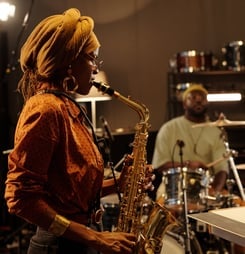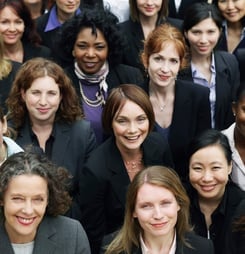

She’s distinguished, seasoned and filled with confidence. She has lived a bit of life and is proud of the lessons she has learned along the way. Instead of worrying about getting older and losing her youth, she can celebrate the incredible beauty that comes from her wisdom and experience by taking part in National Mature Women’s Day!
How to Celebrate National Mature Women’s Day
Women of all ages (and men too!) can show some appreciation and love for the more experienced and wise women in their lives on this day and every day. In honor of National Mature Women’s Day, consider observing the day with some of these ideas:
Don’t Hide Your Age
Forget living in fear because of wrinkles, age spots or silver hair. Instead, show some love and celebration for every experience and every year that brought a woman to this place. Remember to be open, authentic and filled with compassion for your younger self as you consider the paths you have crossed, the battles you have fought and the ways you have grown. So toss out that hair dye, never mind the botox and lean into your own amazing self in celebration of National Mature Women’s Day!
Learn From a Mature Women
Even women who are still in their 20s or 30s can celebrate this day by considering an older woman in their life to use as a mentor or role model. Skip past the worries about the most popular style of jeans or handbags and move toward following mature women on social media who have important things to say. From Andie MacDowell to Paulina Porizkova, from Helen Mirren to Emma Thompson, there are so many mature women who can be learned from by watching interviews or reading their posts. Even better, find a local mature woman to spend time with and learn from – perhaps even start with your own mother or grandmother!
Invest in Yourself
Every single woman on the face of the planet is getting older every single day. But that shouldn’t be something bad. It’s amazing that women can age and grow with the experiences they have, whether through a career, a family, politics, or working to serve the community. And one of the best ways a woman can make sure she has the energy and stamina to do what she loves is to invest in her own health.
In celebration of National Mature Women’s Day, women can make a commitment to taking self-care. From physical health investments like exercising, eating healthy, having regular doctor checkups and getting a mammogram, to mental health checkups that may include counseling or meditation, there are a huge number of ways women can take care of themselves. And if these mature women are going to participate in making the world a better place, they need to be in their best shape for health and wellness.
Post a Beauty Photo Online
Those women who are a bit further ahead in life can take to social media to celebrate this day. Show the younger women of the world what it truly means to be beautiful by taking a selfie or posing for a little photo shoot with a friend and then posting it on various platforms. Encourage friends to do the same and raise awareness for National Mature Women’s Day.
National Mature Women’s Day Timeline
Mary Wollstonecraft Publishes “A Vindication of the Rights of Woman”
Wollstonecraft’s landmark work argues that women are rational beings deserving of education and respect throughout life, laying early intellectual groundwork for viewing women’s value as independent of youth or appearance.
Betty Friedan’s “The Feminine Mystique” Highlights Midlife Discontent
Friedan’s bestseller gives voice to many suburban housewives, often in midlife, who feel constrained by age and gender roles, helping spark second-wave feminism and greater visibility for older women’s experiences.
Germaine Greer coined the idea of ” The Invisible Woman.”
In early feminist writings and later in “The Change,” Greer describes how women become socially invisible after midlife, crystallizing a critique of ageism and sexism that marginalize older women.
United Nations Declares International Women’s Year
The UN’s focus on women’s equality and the subsequent Decade for Women encourages global attention to women’s rights, including health, work, and family roles across the entire life course, not just in youth.
Beijing Platform for Action Recognizes Older Women
At the UN Fourth World Conference on Women in Beijing, governments adopted a platform that explicitly notes the discrimination older women face and calls for policies supporting women in later life.
Madrid International Plan of Action on Ageing Addresses Older Women
The UN agreement on aging highlights that older women experience multiple forms of discrimination, urging countries to combat ageism and ensure health, economic security, and dignity for women as they age.
L’Oréal and Vogue Put Mature Women at the Center of a Major Campaign
L’Oréal Paris partners with British Vogue on its “The Non-Issue” project, featuring women in their 50s, 60s, and beyond, signaling a growing movement in beauty and fashion to celebrate, rather than hide, women’s age.
History of National Mature Women’s Day
With the purpose of celebrating the beauty of aging women throughout the nation and all over the world, National Mature Women’s Day got its start in 2021. The day was founded by Laura Geller Beauty, a twenty-five year old beauty company spreading the message that women do not need to shy away from their age, no matter what number or decade it is.
One of the ways that the company launched the first National Mature Women’s Day was to host a beauty campaign that featured only women who were over the age of forty. The idea and hope behind the campaign and this event was to increase the visibility of women “of a certain age” and honor their beauty. Laura Geller talks about how their makeup company wants to make women feel “beautiful and worthy”, no matter if they are 19 years old or 90 years old.
Each year, National Mature Women’s Day is marked in celebration of the older, mature and more confident women who can be appreciated and looked up to for not only the way they are on the outside, but what they have accomplished on the inside as well!
Check out some other days that encourage the celebration of women who have reached certain maturity and milestones, including Spunky Old Broads Day in February and National Gorgeous Grandma Day in July, and Age Without Apology Month, which is celebrated throughout June.
Key Facts About the Lives, Work, and Challenges of Mature Women
These facts highlight important realities shaping the lives of mature women today.
From their growing presence in the workforce to longer life expectancy and the challenges of ageism, the points below offer insight into how older women contribute to society while also facing unique social and economic barriers.
Older Women Are a Growing Force in the Workforce
In the United States, women 55 and older are the fastest-growing segment of the labor force, and their labor force participation has roughly doubled since the 1980s.
Projections from the U.S. Bureau of Labor Statistics show that by 2032, women 55 and over will make up about one-fifth of all women in the labor force, reflecting both longer careers and the economic importance of mature women’s work.
Global Life Expectancy Gains Have Especially Benefited Women
Worldwide, women now live almost five years longer on average than men, and many will spend decades in older adulthood.
The World Health Organization reports a global female life expectancy of around 73 years compared with about 68 for men, with some high‑income countries seeing women’s average lifespans extend into the mid‑80s, reshaping family structures, caregiving, and communities.
Ageism Often Hits Women Earlier and Harder
Research by the World Health Organization and others finds that women tend to experience age discrimination earlier than men, largely because sexism and ageism intersect.
Studies show older women face more negative stereotypes about appearance and competence and are more likely to encounter workplace bias, pay penalties, and experience invisibility in public life once they pass midlife.
Media Representation Drops Sharply After Midlife
Content analyses of film and television have repeatedly found that women over 40 are underrepresented and often portrayed in stereotyped roles.
A major study by the Geena Davis Institute on Gender in Media found that people over 50 accounted for only about 13% of characters in popular films, and older women were especially scarce compared with older men, reinforcing the idea that women’s visibility declines with age.
https://seejane.org/research-informs-empowers
Many Landmark Achievements by Women Occur Later in Life
Numerous notable women have reached historic milestones well past the age that popular culture labels as “youthful.”
For example, biologist Frances Arnold won the Nobel Prize in Chemistry at 62, author Toni Morrison received the Nobel Prize in Literature at 62, and politician Nancy Pelosi became the first female Speaker of the U.S. House of Representatives at 66, illustrating that influence and accomplishment often peak in later decades.
Well-Being Often Improves for Women in Midlife and Beyond
Contrary to stereotypes, many women report higher emotional well-being as they move through midlife.
Longitudinal research, such as findings from the Harvard Study of Adult Development and related work, suggests that life satisfaction often stabilizes or increases after the 50s, as people invest more in meaningful relationships, gain perspective, and feel less pressure to meet external expectations.
Healthy Aging Depends More on Lifestyle Than on Genes
Studies of older adults indicate that behaviors such as regular physical activity, not smoking, balanced nutrition, social engagement, and mental stimulation play a larger role in healthy aging than genetic inheritance alone.
The National Institute on Aging notes that even small changes in midlife and later years can significantly lower the risk of chronic disease and disability, helping women maintain independence and quality of life into advanced age.