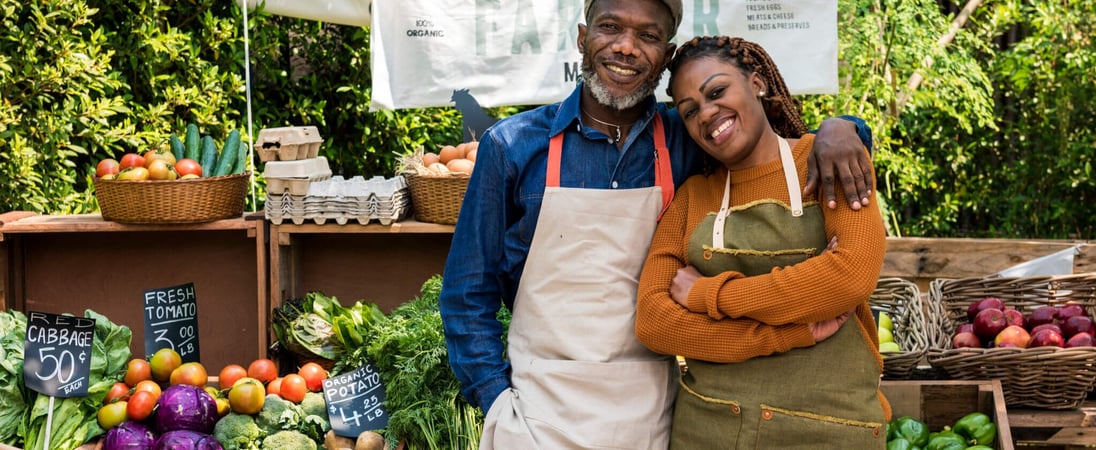
National Mom and Pop Business Owners Day
National Mom and Pop Business Owners Day celebrates the hard work, dedication, and vital role small, family-run businesses play in our communities. These local shops aren’t just places to buy things—they’re deeply rooted in the fabric of towns and neighborhoods!
How to Celebrate National Mom and Pop Business Owners Day
Discover Your Local Gems
Celebrate National Mom and Pop Business Owners Day by exploring local stores you haven’t visited before.
Stroll through your neighborhood, browse unique products, and chat with the shop owners. You never know what hidden gems you might find right around the corner.
Treat yourself to something special from a family-run business, whether it’s a homemade candle or fresh bread from a nearby bakery.
Spread the Love Online
Let’s make those small businesses shine! Hop onto your favorite social media platform and share your love for a local mom-and-pop shop.
Post a picture of something you bought or tell your followers about a wonderful experience you had. Tag the business, and don’t forget to use hashtags like #ShopSmall or #SupportLocal.
This small action can help bring them more attention and new customers.
Organize a Shopping Party
Round up your friends and organize a shopping day dedicated to visiting local mom-and-pop stores. Make a list of a few shops to check out, then spend the day supporting them while having fun together.
You could even turn it into a challenge—who can find the most unusual item? It’s a fun way to get everyone involved while making a big difference for small businesses.
Thank the Owners Personally
If you frequent certain shops, take a moment to thank the owners in person. A heartfelt “thank you” can go a long way in brightening someone’s day.
You could also surprise them with a thank-you card or small token of appreciation to show how much their hard work means to the community. Personal gestures can help build lasting connections.
Gift a Local Shopping Spree
Need a gift idea? Buy a gift card from a local mom-and-pop store for a friend or family member. It’s a great way to introduce others to your favorite spots and encourage them to support small businesses.
Plus, who wouldn’t love a little shopping spree? This thoughtful gesture supports small shops and spreads the word about local treasures.
Why Celebrate Mom and Pop Business Owners Day?
From cozy bakeries to independent hardware stores, mom-and-pop businesses create a unique charm that larger chains simply can’t replicate.
Their personalized service and unique products offer a distinct shopping experience that fosters customer loyalty. Through their efforts, these small businesses contribute significantly to the local economy by generating jobs and keeping money circulating within the community.
This day is also a chance to reflect on the meaningful impact these businesses have beyond just economics.
Mom-and-pop shops often form the backbone of local charity work and community initiatives, helping to strengthen social ties and foster a sense of belonging.
Their owners are often deeply involved in local events and causes, offering not just products but also a strong sense of connection and care.
Supporting these small businesses doesn’t just help individual owners—it uplifts entire neighborhoods by reinforcing the local economy and preserving the distinct character of each community.
National Mom and Pop Business Owners Day Timeline
1859
Rise of the American General Store
By the mid‑19th century, independent general stores had become central hubs of commerce and social life in small U.S. towns, typically owned and run by families who often lived above or behind the shop.
1916
First Self-Service Grocery Challenges Family Stores
Piggly Wiggly opens in Memphis as the first self-service grocery, pioneering modern supermarket retailing and beginning competitive pressures on many traditional, independently run corner stores.
1936
Robinson-Patman Act Aims to Protect Small Retailers
The U.S. Congress passed the Robinson-Patman Act to curb price discrimination by large manufacturers and chains, with supporters arguing it would prevent unfair advantages over smaller independent retailers.
1953
U.S. Small Business Act Establishes the SBA
President Dwight D. Eisenhower signed the Small Business Act, creating the Small Business Administration to aid, counsel, and protect the interests of small firms throughout the United States.
1980
Main Street America Program Launches to Revitalize Local Shops
The National Trust for Historic Preservation’s Main Street program begins, using preservation-based economic development to help historic downtowns and their locally owned businesses adapt to competition from malls and highway retail.
History of Mom and Pop Business Owners Day
National Mom and Pop Business Owners Day began as a heartfelt tribute to family-owned businesses. Rick and Margie Segel created this special day to honor Rick’s parents, who ran a successful hat shop that opened in 1939.
They wanted to recognize the hard work and commitment it takes to keep such businesses going. Over time, their small tribute evolved into a national celebration, honoring all mom-and-pop shops across the country.
The day was created to remind people of the important role small businesses play in communities. These businesses provide more than just products or services—they offer personal connections and unique experiences.
Rick and Margie’s decision to honor their parents’ legacy led to widespread appreciation for all independent shop owners.
Small businesses often face tough competition from large chains, making this day even more significant. Celebrating their contributions helps bring attention to the value these businesses bring to the local economy. They provide jobs, contribute to the community’s character, and keep money circulating locally.
Today, many people use this occasion to support local shops through purchases or by sharing their stories. It’s a chance to reflect on how these businesses shape neighborhoods, offering something special you can’t find in big corporations.
National Mom and Pop Business Owners Day now stands as a proud reminder of how small businesses enrich daily life.
The Powerful Impact of Mom and Pop Businesses
Small, family-run businesses may look modest, but their influence on the economy and local communities is anything but small.
From creating jobs to keeping money circulating locally, mom and pop businesses form the backbone of everyday commerce and play a vital role in economic stability and neighborhood life.
-
Family Businesses Dominate the U.S. Private Sector
Family-owned businesses are not a niche in the United States; they are the norm. Studies from the Conway Center for Family Business estimate that family firms account for about 64% of U.S. gross domestic product, employ roughly 62% of the workforce, and create around 78% of all new jobs, underscoring how deeply “mom and pop” ownership structures are woven into the country’s economic base.
-
Main Street Stores Help Keep Money Circulating Locally
Economic impact studies consistently find that independently owned retailers and restaurants recirculate more money in their local economies than national chains.
Research by the Institute for Local Self-Reliance and Civic Economics showed that for every dollar spent at a locally owned business, roughly 45–48 cents stays in the community, compared with about 13–14 cents when spending at a chain, because local owners rely more on nearby suppliers, services, and employees.
-
Small Businesses Make Up Nearly All U.S. Firms
In federal data, “small” is not a fringe category. According to the U.S. Small Business Administration, small businesses represent 99.9% of all U.S. firms and employ about 62 million people, nearly half of the country’s private-sector workforce.
Most of these are very small operations with fewer than 20 employees, which is the scale typical of many mom-and-pop shops.
-
Independent Businesses Are Highly Concentrated in Certain Sectors
Mom and pop enterprises are especially prominent in specific corners of the economy.
The U.S. Census Bureau reports that small firms account for the overwhelming majority of establishments in retail trade, accommodation and food services, construction, and many personal services, such as repair shops and salons.
These sectors tend to be highly local, personal, and labor-intensive, which favors smaller, family-run operations.
-
Succession Is a Major Vulnerability for Family-Owned Shops
One of the largest challenges for family-run businesses is passing the enterprise to the next generation. Research compiled by the Family Firm Institute indicates that while about 30% of family businesses make it to the second generation, only around 12% survive to the third and about 3% to the fourth, often because of succession planning issues, family conflict, or changing economic conditions.
-
Independent Retailers Face Persistent Pressure from Big Chains and E‑Commerce
Competitive pressure on mom and pop retailers has intensified over recent decades. Analyses by the Harvard Business School and the Institute for Local Self-Reliance highlight how large chain stores and online platforms benefit from purchasing power, logistics networks, and aggressive pricing, which can draw foot traffic and sales away from smaller, standalone shops, especially in categories like books, electronics, and general merchandise.
-
Local Small Businesses Often Anchor Community Life
Beyond economics, independent businesses frequently function as informal community centers. Urban planning and community development research notes that locally owned shops are more likely to sponsor youth sports teams, host neighborhood events, and participate in local governance and civic groups than nonlocal firms, helping build social ties and a sense of place in towns and city neighborhoods.
National Mom and Pop Business Owners Day FAQs
What is considered a “mom and pop” business?
A “mom and pop” business is typically a small, independently owned company where the owners are actively involved in day‑to‑day operations and decision‑making, often with family members working in the business.
In the United States, many of these firms fall under the Small Business Administration’s definition of a small business, which for most industries means fewer than 500 employees, though many mom-and-pop shops operate with only a handful of workers or just the owners themselves.
They are common in sectors such as retail, restaurants, personal services, and local trades, and they are usually rooted in a specific community rather than part of a national chain. [1]
How do small, family-run businesses affect local economies?
Small and family-run businesses play a substantial role in local economies by creating jobs, buying from nearby suppliers, and keeping profits circulating close to home.
In the United States, small businesses collectively account for about 44 percent of GDP and employ nearly half of the private workforce, while also generating around two‑thirds of net new jobs in recent decades.
Globally, family businesses are estimated to contribute more than 70 percent of GDP and roughly 60 percent of employment, illustrating how neighborhood firms, taken together, form a major economic backbone rather than a niche segment.
Are prices at mom and pop shops always higher than at big chains?
Prices at mom and pop shops are not always higher, although they may sometimes appear less competitive on mass-market items than large chains that buy in huge volumes.
Many small retailers compete through careful product selection, value‑added services, and lower overhead in some areas, and they can be very price‑competitive on niche goods, local products, or services where personal expertise matters.
Research on local shopping also notes that customers often receive additional value in the form of tailored advice, customization, and stronger after‑sales support, which can offset modest price differences for many buyers.
What are the biggest challenges mom and pop businesses commonly face?
Mom and pop businesses frequently struggle with limited access to capital, competition from large chains and e‑commerce platforms, and vulnerability to sudden revenue shocks.
Government and academic studies highlight that small firms are more likely than large ones to report cash‑flow constraints and difficulty obtaining bank credit on favorable terms.
They also have fewer staff and less time to devote to marketing, technology upgrades, or regulatory compliance, which can make it harder to adapt to changing consumer behavior or economic downturns compared with larger, better‑resourced competitors.
How are governments and organizations supporting small and family-owned businesses?
Many governments and international organizations run targeted programs to help small and family-owned firms access financing, training, and markets.
In the United States, for example, the Small Business Administration offers loan guarantees, counseling, and procurement assistance aimed at small employers.
International bodies such as the OECD and World Bank promote policies that reduce regulatory burdens, improve access to credit, and strengthen entrepreneurship ecosystems, recognizing that smaller firms are essential to job creation and inclusive growth in both advanced and developing economies.
What makes succession planning so important for family-owned mom-and-pop businesses?
Succession planning is crucial for family-owned firms because many do not survive beyond the founding generation without a deliberate transition strategy.
Family business researchers emphasize that leadership and ownership transfers can be complicated by family dynamics, tax issues, and differing expectations among heirs.
A structured plan that addresses who will lead, how ownership will be shared, how conflicts will be resolved, and how outgoing owners will be financially supported greatly increases the likelihood that the business can continue operating successfully after a retirement, death, or unexpected crisis. [2]
What are some best practices for handing a family business to the next generation?
Experts on family enterprises recommend starting succession conversations early, separating the questions of who will own the business from who will manage it, and treating succession as a gradual process rather than a single event.
Common best practices include giving potential successors outside work experience, providing formal training in finance and management, using shareholder or operating agreements to clarify decision‑making, and involving legal and tax advisers to structure transfers efficiently.
Regular family meetings and periodic reviews of the plan help keep everyone informed and allow adjustments as the business and family circumstances change. [3]
Also on ...
View all holidays
National Smoke and Mirrors Day
Step into a world of illusions where reality is questioned, and the impossible becomes possible - an experience that amazes and mystifies!

World Piano Day
Keys to unlocking musical creativity, a timeless instrument with a rich history, and an invitation to compose your own symphony.

National Neighbor Day
Being a good neighbor isn't just about borrowing sugar, it's about building community. Small acts of kindness can bring us closer and make us happier.

We think you may also like...


Supermarket Employee Day
Dedicated individuals who ensure the shelves are stocked, checkout lines run smoothly, and our daily needs are met with care.