National Poop Day
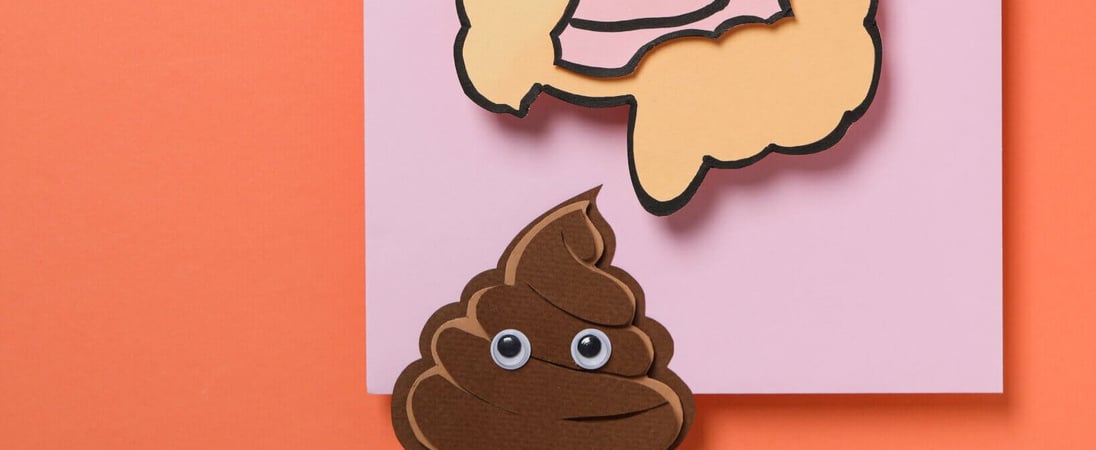
Did you in a million years ever imagine a day dedicated to, well, poop? Welcome to National Poop Day, where we celebrate our digestive triumphs with humor and a touch of science.
It’s a day to laugh about the things we usually flush away and to learn why our bodies are truly amazing, one bathroom break at a time!
This quirky day encourages everyone to have open conversations about bowel movements and gut health. It’s not just about bathroom humor; it’s about understanding the important role digestion plays in our overall well-being.
How to Celebrate National Poop Day
Host a Poop-Themed Party
Gather friends for a poop-themed bash! Decorate with poop emoji balloons and serve chocolate treats. Play games like “Pin the Poop” and trivia about digestion.
Make it light-hearted and fun, celebrating the quirky nature of this day.
Share Fun Facts
Post interesting and funny facts about poop on social media. Use hashtags and encourage friends to join in. Educate your followers about digestive health while keeping the tone humorous and engaging.
A fun fact: cows produce enough methane in their poop to power a light bulb!
Create Poop Art
Get crafty with some poop-inspired art projects. Make DIY poop emoji cushions or sculpt poop shapes from clay.
Kids and adults alike can enjoy expressing creativity while acknowledging the natural bodily process, which is usually a taboo topic.
Watch a Poop-Related Documentary
Host a viewing party for documentaries or shows about digestion and health. Shows like “Inside the Gut” can be both entertaining and educational. Pop some popcorn and learn while having a good laugh with friends.
Encourage a Fiber-Rich Diet
Promote healthy eating by sharing recipes rich in fiber. Suggest foods that aid digestion and keep everything moving smoothly.
Create a fun cooking session where everyone makes a dish that supports gut health. Make sure to emphasize the importance of dietary habits.
Organize a Clean-Up Drive
Take the opportunity to promote environmental hygiene. Organize a neighborhood clean-up drive focusing on pet waste and public sanitation.
Hand out poop bags and educate the community about the importance of proper waste disposal.
National Poop Day Timeline
c. 2600–1900 BCE
Indus Valley Urban Sewers
Cities like Mohenjo-daro feature household toilets linked to covered brick drains and street sewers, creating one of the earliest known systems for managing human waste.[1]
6th Century BCE
Construction of Rome’s Cloaca Maxima
The Romans built the Cloaca Maxima, a massive drainage work that evolved into a sewer carrying stormwater and human waste from the city into the Tiber River.[2]
Mid–19th Century
Snow’s Cholera Map Links Waste to Disease
During London’s 1854 cholera outbreak, physician John Snow mapped cases around the Broad Street pump, showing that fecal contamination of drinking water can transmit disease.
1858
London’s “Great Stink” Spurs Sewer Reform
Hot weather makes the Thames, overloaded with raw sewage, reek so badly that Parliament is forced to act, triggering large-scale investment in modern sewers.
1859–1875
Bazalgette Builds Modern London Sewers
Engineer Joseph Bazalgette oversees the construction of intercepting sewers, pumping stations, and embankments that divert London’s waste downstream and sharply cut waterborne disease.
1867
Paris Expands Its Underground Sewer Network
Under Baron Haussmann and engineer Eugène Belgrand, Paris modernized and extended its sewers, showcasing underground galleries that collect and convey the city’s wastewater.[3]
2013
Landmark Trial Validates Fecal Transplant for C. difficile
A randomized trial in the New England Journal of Medicine shows fecal microbiota transplantation is far more effective than antibiotics for recurrent C. difficile infection, highlighting stool’s therapeutic value.[4]
History of National Poop Day
National Poop Day began in 2016, created by the Madison Children’s Museum.
The idea was born from a children’s referendum at the museum, which aimed to celebrate and understand an important yet often overlooked body function. This initiative has grown into a fun and educational event, drawing attention to the importance of digestive health.
The main focus of National Poop Day is to educate the public about digestion and excretion. It provides a platform to discuss these natural processes openly, breaking down the taboos surrounding them. By promoting awareness, the day encourages people to pay more attention to their digestive health and hygiene practices.
This quirky holiday also emphasizes the importance of proper sanitation and responsible pet care. By normalizing conversations about poop, it aims to improve overall health practices and increase understanding of how our bodies work.
By normalizing discussions about poop, we can reduce the stigma around it. This leads to better health practices and a greater understanding of digestive health. Talking about such topics openly helps us take better care of our bodies and be more mindful of our dietary habits.
Moreover, National Poop Day highlights the need for clean sanitation facilities and responsible pet ownership. The goal is to promote healthier lifestyles through education and awareness. It’s a reminder that even the most basic bodily functions are vital to our health, and they deserve our attention and care.
National Poop Day stands as a reminder that even the most basic bodily functions are crucial to our well-being.
Facts About National Poop Day
Every day, something most people never think about quietly shapes human health, farming, energy, and even city planning. From the microbes living inside us to the way waste has powered fields and fueled homes, poop has played a surprisingly important role in human history and science. These facts explore how what we flush away connects to the body, the environment, and the way societies have managed resources for centuries.
-
Bacteria Make Up Much of What Humans Flush Away
Human stool is mostly water, but the solid portion comprises a large share of bacteria rather than leftover food. Medical and microbiology references estimate that roughly one-third to one-half of the dry weight of feces consists of bacterial biomass, including both living microbes and dead cells shed from the gut microbiota.
-
Traditional “Night Soil” Once Fed Entire Farming Systems
For centuries in East Asia, cities collected human feces—known as “night soil”—and sold it to farmers as fertilizer, creating a tightly closed nutrient cycle between urban toilets and rural fields. Historical and agricultural studies describe elaborate collection routes around cities such as Tokyo and in parts of China, where night soil was a valuable commodity before synthetic fertilizers became widespread.
-
Dung as a Major Cooking Fuel for Millions of People
In many rural regions with scarce firewood, dried animal dung is still shaped into cakes and burned as a primary household fuel for cooking and heating. International energy and health reports note that households in parts of South Asia and sub‑Saharan Africa rely heavily on dung, which provides essential energy but also contributes to indoor air pollution and respiratory disease when burned in poorly ventilated spaces.
-
Biogas Turns Manure and Sewage Into Renewable Energy
Animal manure and human sewage can be fed into anaerobic digesters to produce biogas—a mixture rich in methane that can generate electricity, heat, or cooking fuel. The United Nations and technical reviews describe thousands of small digesters across China, India, and Nepal, as well as large municipal plants in Europe and North America, turning fecal waste streams into energy while reducing methane emissions from open lagoons.
-
Fecal Microbiota Transplantation Uses Poop as Medicine
Fecal microbiota transplantation (FMT) takes processed stool from a rigorously screened healthy donor and introduces it into a patient’s gut to reset their microbiome. Clinical reviews show that FMT is highly effective for treating recurrent Clostridioides difficile infection that does not respond to antibiotics, and the U.S. Food and Drug Administration has cleared stool‑derived microbiota therapies for this purpose while research continues into other potential uses.
-
Stool Tests Help Catch Colon Cancer Early
Modern colorectal cancer screening often starts not with a scope but with stool. Noninvasive tests, such as fecal immunochemical tests (FIT) and stool DNA tests, look for hidden blood or genetic changes shed from tumors or advanced polyps; guidelines from major medical organizations endorse these as effective screening options, with colonoscopy reserved for follow‑up when results are positive.
-
Unsafe Poop Disposal Drives Deadly Diarrheal Disease
When human feces are not safely contained and treated, pathogens can contaminate drinking water, food, and soil, fueling outbreaks of diarrheal diseases such as cholera. WHO and UNICEF estimate that billions of people still lack safely managed sanitation services, and inadequate handling of excreta remains a major contributor to preventable child deaths from diarrhea worldwide.
National Poop Day FAQs
What ancient cultures viewed poop as valuable?
Ancient Egyptians used animal dung in medicine. They believed dung from certain animals, like cows, had healing properties. Some treatments even involved using poop to ward off evil spirits.
How did poop become a global symbol for health awareness?
The World Health Organization often uses stool-based campaigns to promote awareness of diseases like cholera and dysentery. These campaigns help educate people on the importance of hygiene.
What is the connection between poop and emojis?
The poop emoji (💩) gained fame in Japan in the early 2000s. It represents luck in Japanese culture, as “unko” (poop) sounds like “good luck” in their language.
Are there poop-related festivals around the world?
In South Korea, there’s a Toilet Culture Festival where visitors explore poop-themed art, games, and even poop-shaped foods. It highlights sanitation awareness in a fun way.
What’s the weirdest poop-related invention?
The “Dung Beetle Robot” mimics how dung beetles roll poop. It’s used in agricultural research to develop eco-friendly waste disposal methods.
How has poop been used in comedy over the years?
Poop jokes date back to ancient Rome. Writers like Plautus included potty humor in plays to entertain everyday audiences. Today, they’re staples in movies like Shrek.
What surprising health treatments involve poop?
Fecal transplants are a cutting-edge treatment for gut infections. Doctors use healthy donor poop to restore gut bacteria balance.
What animals have the strangest poop habits?
Wombats poop cube-shaped pellets, which help prevent the poop from rolling away. They use it to mark territory.
How does poop affect the environment?
Properly treated waste can generate biogas, a clean energy source. Many countries use human waste to create electricity and reduce pollution.
Is there a connection between poop and art?
Some artists, like Chris Ofili, use poop in their work. His controversial painting The Holy Virgin Mary featured elephant dung, sparking global debates about art and boundaries.
Also on ...
View all holidays
National Pizza Day
Imagine sinking your teeth into a hot, crispy, cheesy slice of heaven. Each bite is a flavor explosion, transporting you to pizza paradise.

National Read In The Bathtub Day
Relax and rejuvenate while enjoying your favorite book in a soothing bath. It's a great way to unwind and escape from the hustle and bustle of daily life.


National Football Hangover Day
The party was legendary, the game was epic, but the hangover's no joke. Rally with comfort food, hydrate, and make the memories last!
We think you may also like...

Developmental Language Disorder Awareness Day
Help give children with language disorders a voice, by supporting organizations and raising awareness about Developmental Language Disorders and their effects.

National Pass Gas Day
While it may not be the most polite topic, everyone does it — a natural bodily function that can happen to anyone!