Bring out the seersucker suits because warm weather is in the air and it’s time for National Seersucker Day.
This is the day for a cheerful nod to classic summer style, the kind that looks polished but feels like it was designed with a breeze in mind. A little puckered fabric, a few light stripes, and suddenly the day’s errands, meetings, and celebrations look a lot more fun.
How to Celebrate National Seersucker Day
National Seersucker Day is easy to enjoy because it doesn’t require a parade, a long checklist, or a specialized skill. It’s a style-forward excuse to dress for comfort while still looking intentionally put together. Whether someone owns a full suit or just a small accessory, seersucker has a way of making an ordinary day feel a bit more spirited.
Consider some of these fun ways for enjoying and celebrating National Seersucker Day on this Thursday and all throughout the summer:
Wear Seersucker
The folks on Capitol Hill don’t have to be the only ones staying cool on hot summer days! The best way to celebrate National Seersucker Day might be to put on a seersucker suit. Dresses, skirts and shorts could also be part of the seersucker excitement as well. It’s a fun way to show support for the day and this historic fabric.
For people who love a classic look, a traditional seersucker suit is the centerpiece. The most recognizable version is usually light colored, often blue-and-white striped, but seersucker now comes in a wide range of colors and patterns, from soft pastels to bolder checks. A seersucker blazer alone can do the job just fine, paired with chinos, a simple dress, or even dark denim to balance the texture.
For a more casual spin, seersucker is a natural fit for warm-weather basics:
- A seersucker button-down shirt can look crisp even with the sleeves rolled up.
- Seersucker shorts or a skirt offer structure without the heavy feel of other fabrics.
- A sundress in seersucker reads playful and polished at the same time.
Accessories count too. Seersucker ties, bow ties, pocket squares, hats, and even summer bags can join the celebration. This is especially helpful for anyone who likes the idea of the day but prefers not to commit to a full head-to-toe textured outfit.
A practical tip that longtime seersucker fans appreciate: the fabric’s signature puckering helps it sit slightly off the skin, encouraging airflow. That rumpled look is part of its charm, so it tends to be more forgiving than fabrics that demand perfect smoothness. It is “supposed” to look a little lived-in, in the best possible way.
Learn More About the Seersucker Tradition
Those who are interested in getting more details about the history of seersucker suits can check out some more information on the Senate website. From their history in 1907 to the appearance of this day ninety years later, National Seersucker Day is a fun way to see senators as something other than super serious people stuffed into dark suits. Instead, this reveals more of their good-humored harmony – no matter what their political views.
Learning the tradition adds a layer of appreciation, because National Seersucker Day sits at a crossroads of textile history, climate-friendly dressing, and a bit of public-life pageantry. Seersucker is not simply a quirky pattern. It’s an intentionally engineered summer fabric that became symbolic of “staying professional without melting.”
To dig in a little deeper, it helps to understand what people are really celebrating:
- The fabric itself: how it’s woven, why it wrinkles differently, and why it feels cooler.
- The style legacy: how seersucker became shorthand for warm-weather tailoring.
- The modern tradition: how a relatively formal institution embraced a lighthearted dress moment that still follows the rules of decorum.
National Seersucker Day can also spark interesting conversations that have nothing to do with politics and everything to do with how people dress for work and events in hot climates. It highlights the way clothing once had to solve a basic problem, staying comfortable before the convenience of widespread air conditioning, high-tech athletic wear, and modern climate control.
For anyone who enjoys fashion history, this is a perfect excuse to look at old photos, classic film wardrobes, and vintage tailoring details. Lapels, vents, button stances, and the way fabric drapes all become more noticeable in seersucker because the texture catches the light. It’s a fabric that makes a simple suit look like it has a personality.
National Seersucker Day Timeline
History of National Seersucker Day
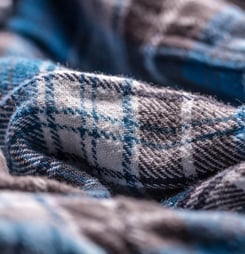
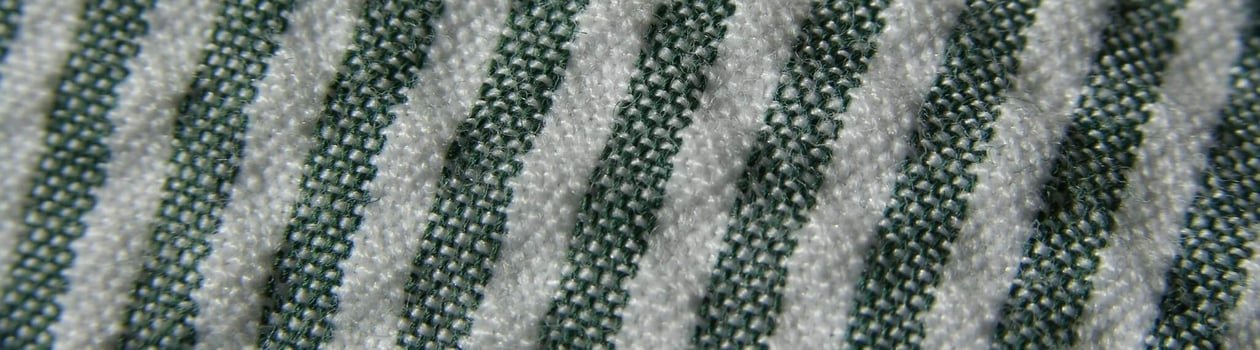
Seersucker is a fabric that dates back to the 1600s when it became a popular fabric in India. Made from cotton, linen, silk, or a blend of these natural fibers, seersucker is a fabric that is meant to be lightweight and offer cooling capabilities. The fabric is woven on a loom that has the threads at different tensions, allowing for that signature pucker-like appearance to shine through.
That “puckered” surface is not a flaw or an afterthought. It is the point. In many seersucker weaves, some yarns are held at a different tension than others, creating alternating smooth and rippled stripes.
Those ripples help reduce how much of the fabric lies flat against the skin, which can make the garment feel airier. It also means the fabric tends to look intentionally rumpled, so it can hide wrinkles and travel wear better than many other summer options.
Historically, seersucker has appeared in different fiber combinations depending on region and use, including cotton-rich blends for everyday wear and lighter luxury versions that might incorporate silk. Modern seersucker is most commonly cotton, which helps explain why it became such a staple for warm-weather clothing that needed to be washable and practical.
The name seersucker is a bit unique and some people are curious about its origins. As the fabric was originally made with tan and white stripes, it had an appearance that some people thought looked like milk and sugar.
When spoken in the original Persian language, the term came out as “shir-o-shakar”, which eventually became “seersucker” in English. Now the fabric is made in various light or pastel colors.
That “milk and sugar” idea captures the fabric’s early visual identity, but the modern wardrobe version is much broader. While blue-and-white remains a classic, seersucker is also made in:
- Greens, pinks, yellows, and other warm-season colors
- Tonal stripes that look subtle from a distance
- Plaids, ginghams, and even solid seersucker, where the pucker is created without obvious striping
The diversity of color and pattern helped seersucker escape the trap of being a costume. It can look preppy, traditional, minimalist, playful, or even unexpectedly sharp depending on the cut of the garment and what it’s paired with. A fitted jacket in a modern silhouette will feel very different from an old-school, roomy suit, even if the cloth is similar.
In the early 1900s, businessmen in New Orleans began wearing suits made of seersucker, particularly because of the cooling quality of the lightweight fabric when compared to traditional wool suits. These business suits have been portrayed on iconic American television shows and films, such as the character “Matlock”, played by Andy Griffith.
This is one of the most enduring parts of seersucker’s story: it became the answer to a problem that was both practical and social. In warm climates, dressing “professionally” often meant heavy fabrics that were designed for cooler places. Seersucker offered a compromise. It kept the recognizable structure of business attire, jacket, trousers, and a clean shirt, while making the whole experience far more comfortable.
Over time, that practical solution picked up a cultural meaning. Seersucker began to signal summer, tradition, and a certain breezy confidence. In film and television, it’s often used as shorthand: the character in seersucker is ready for heat, ready for a long day, and not too concerned about looking perfectly pressed. The fabric suggests a person who understands the rules, but knows how to relax them a touch when the weather demands it.
National Seersucker Day got its start in 1996 when “Seersucker Thursday” was initiated by Trent Lott, a senator representing Mississippi. Lott wanted to bring some southern charm to the Capitol as a reminder of the style of dress before air conditioning. In 2004, women in the Senate began to participate in the tradition as well.
The idea caught on because it offered something rare: a moment of shared humor and tradition in a place known for seriousness. A seersucker suit is still a suit. It fits the formality of government work. But it also brings in a sense of seasonal playfulness and a small reminder that comfort and professionalism are not enemies.
As more people participated, the tradition widened beyond one particular look. While some senators leaned into the classic stripe, others chose different colors or seersucker pieces that fit their personal style.
The growing participation by women in the Senate also helped expand what “seersucker dressing” could look like in a professional environment. Instead of being limited to one old-fashioned uniform, the day became more inclusive of different garment choices while still honoring the same fabric and purpose.
In 2012, National Seersucker Day took a hiatus for a couple of years due to larger issues surrounding the government shutdown. But the day was reinstated in 2014 when Bill Cassidy of Louisiana advocated for it along with Dianne Feinstein of California.
By 2023, National Seersucker Day made history by becoming officially passed through an adopted resolution. While the day typically takes place on the second Thursday of June, it is common to see senators wearing seersucker suits on Thursdays throughout the summer months.
That stop-and-start history is part of what makes the tradition feel human. Even a lighthearted clothing custom can be affected by bigger events and shifting priorities. The fact that the day returned, and later received formal recognition, shows that it resonated beyond a single moment. It had become a recognizable tradition that people wanted to keep.
Outside of the Senate, National Seersucker Day also reflects a broader cultural shift in how people think about warm-weather dressing. Modern workplaces often lean more casual than they once did, and many people do not need to wear suits at all. Still, the day highlights a useful lesson: dressing for heat can be smart, intentional, and even elegant.
Seersucker remains popular because it solves several style problems at once:
- It is breathable compared to many standard suit fabrics.
- It holds its shape well enough to look tailored.
- It embraces texture, which adds visual interest without adding weight.
- It looks festive without being loud.
National Seersucker Day invites people to enjoy all of that with a wink. It’s an excuse to wear something that looks like summer feels, crisp, bright, and slightly rumpled in a way that says the day has room for both work and a little fun.