National High Heel Day
High heels are more than shoes—they’re statements. They lift not just height but mood, posture, and sometimes even confidence. National High Heel Day shines a light on this bold fashion icon.
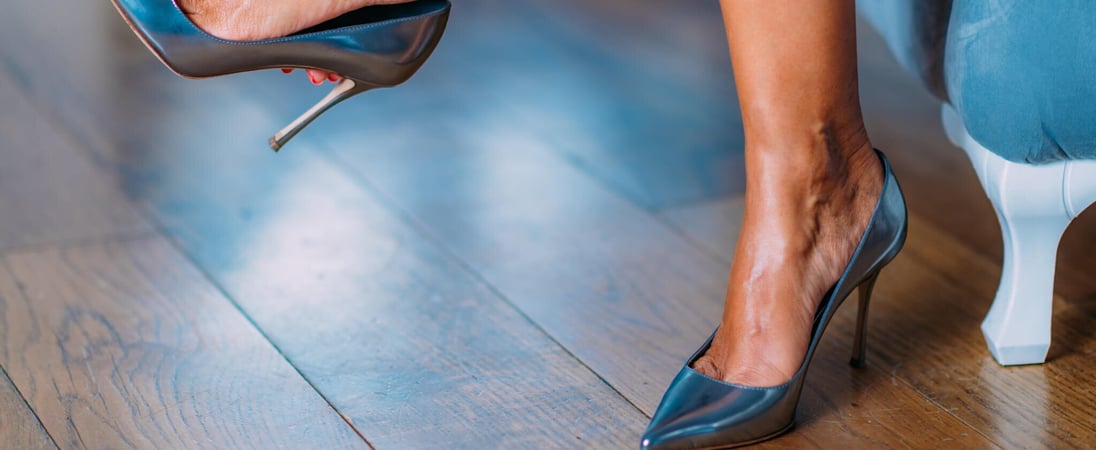
From glossy pumps to strappy stilettos, heels bring drama, style, and a little magic to every step. Whether spotted on red carpets or sidewalks, they often speak louder than words.
It’s not just about looking taller—it’s about feeling powerful, playful, or simply fabulous.
This day celebrates the beauty, art, and edge that high heels bring into our lives. They can turn an ordinary outfit into something unforgettable. They symbolize boldness, fun, and fearless self-expression.
Some wear them to stand out, others for a boost of elegance or flair. Wherever they go, heels leave a mark—sometimes literally, always fashionably. On this day, the spotlight is theirs, and every step tells a story.
How to Celebrate National High Heel Day
Show Off Your Favorite Pair
Bring out your boldest heels and let them do the talking. Wear them confidently wherever the day takes you. Snap a fun photo and share it with friends.
Choose a backdrop that makes the colors pop. Give those heels the attention they deserve. Let your outfit match the energy of your shoes.
Host a High Heel-Themed Party
Gather your friends and plan something stylish. Ask everyone to wear their most daring heels. Add a runway-style walk just for laughs.
Play music that makes people strut. Decorate the space with glitter, lights, and color. Share stories behind each pair for extra fun. Make it an evening to remember.
Support a Local Shoe Designer
Visit a boutique or online shop with unique high heels. Pick something different from what you usually wear. Tag the designer on social media with a shoutout.
Post a review to support their work. Shopping local helps artists grow and reach others. Style meets purpose in the best way.
Create Art Inspired by Heels
Use your imagination to turn shoes into art. Paint, sketch, or photograph your favorite pair. Craft something using old heels and give them new life.
Share your creation on social media. Inspire others to do the same. Let fashion fuel creativity beyond the closet.
Learn About Foot Health and Comfort
Take a moment to understand the impact of high heels. Read tips for wearing them safely. Explore stretches to ease pressure after walking.
Choose comfort inserts or find better-fit styles. Combine fashion with care and avoid unnecessary pain. Knowledge helps you enjoy style without regret.
History of National High Heel Day
National High Heel Day started in 2021. Kimberly Lorenz, a Supreme Court mediator, created it with help from Judge Gisela Laurent. Their goal was to honor the strong role high heels play in culture and personal style.
For many, heels go beyond fashion. They represent confidence, individuality, and bold self-expression. This day encourages everyone to celebrate that spirit—whether they wear heels daily or just admire their flair.
Since its beginning, the day has grown in popularity. People join in by showing off their favorite pairs, attending themed events, and sharing stories. Some even use the day to support causes that help women enter the workforce with confidence.
Professional clothing can boost self-esteem, and heels are often part of that picture. Fashion becomes more than appearance—it becomes a source of strength.
National High Heel Day is not just about wearing shoes. It’s about embracing identity, celebrating diversity, and walking tall in whatever style feels right. The founders wanted a day that would spark joy and empower others.
Today, the celebration continues to inspire people across all backgrounds. One pair at a time, the message keeps spreading: be proud, be bold, and own every step.
Also on ...
View all holidays
World Bee Day
Support bee conservation by donating or purchasing from companies that work to save these crucial members of the ecosystem, or start your own bee hive.

National Rescue Dog Day
Wag your tail for rescue dogs! These lovable pups bring joy, loyalty, and unconditional love to every home they enter. Adopt a furry friend and experience the happiness that only a rescue dog can bring.


National Be a Millionaire Day
No, you can’t become a millionaire in a day. But by taking stock of your financial health and taking steps to improve it, you just might get there someday.
We think you may also like...
Plaidurday
Timeless fashion and even more timeless warmth, break out your plaid on Plaidurday for a fashionable, cozy day in one of the world’s most popular patterns.

National Bikini Day
Hit the beach or lay out in the sun in your bikini on the anniversary of the invention of this ever-popular two-piece swimsuit in 1946. Don’t forget sunscreen!

National Sock Day
These little pieces of fabric we wear on our feet are an important part of being cool and comfortable all day long.