
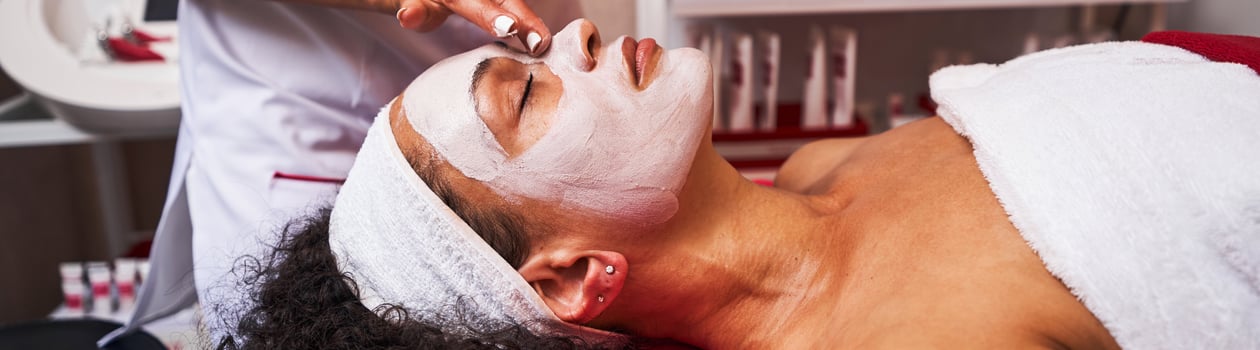
Our skin works overtime as the body’s front-line defender. It helps regulate temperature, keeps moisture in (and irritants out), houses nerves that let people feel the world, and acts as a living shield against sun, wind, pollution, and germs. Because it is the only organ that is always on display and always exposed, skincare is not just about looking polished. It is about supporting a hardworking barrier that impacts comfort, confidence, and overall health.
National Skincare Education Day, observed each year on June 1, encourages people to learn how skin actually functions and how to care for it in practical, evidence-minded ways. It is a day for swapping myths for facts, for choosing routines that fit real life, and for building habits that help skin stay resilient for the long haul.
How to Celebrate National Skincare Education Day
Pamper Party Time!
Gather friends for a skincare pamper party, but make it more than a pile of pretty jars. A great theme is “routine reality check,” where everyone brings one or two products they truly use, plus a question they have always wondered about. This keeps the vibe fun while nudging the conversation toward education instead of hype.
Set up a simple station: gentle cleanser, a fragrance-free moisturizer, a few masks, and a broad-spectrum sunscreen for a final step reminder. Sheet masks and hydrating serums are party-friendly because they feel fancy without requiring a lot of technique. Add relaxing music, a cozy towel stack, and the classic cucumber slices for the eyes.
To make the gathering genuinely helpful, encourage patch testing. If someone is trying a new product, they can test it on a small area like the inner arm or behind the ear rather than slathering it across the face. It is also a perfect moment to talk about “less is more.” Skin can get overwhelmed by too many actives at once, especially when people mix exfoliating acids, retinoids, and strong vitamin C products without a plan.
For a quirky twist, create “ingredient bingo” cards with terms like ceramides, hyaluronic acid, niacinamide, zinc oxide, fragrance, and non-comedogenic. It turns label reading into a game and helps people recognize patterns across products.
Product Treasure Hunt
Exploring the skincare aisle like a treasure hunt can be surprisingly empowering, especially when it is done with a strategy. The goal is not to buy the flashiest bottle. It is to find a product that fits a person’s skin type, lifestyle, and tolerance.
A helpful approach is to decide on one category to shop for rather than overhauling everything at once. For example, hunt for a sunscreen that feels comfortable enough to use consistently, or a moisturizer that prevents tightness without feeling greasy. Consistency matters more than having a crowded shelf.
Label reading is where the “education” part shines. A few useful tips can keep the hunt grounded:
- Fragrance and essential oils can be irritating for some people, especially with sensitive or reactive skin.
- “Natural” is not a guarantee of gentle, and “chemical-free” is not a meaningful claim since everything is made of chemicals, including water.
- For dry or compromised skin barriers, ingredients like ceramides, glycerin, and petrolatum can support moisture retention.
- For oily or acne-prone skin, lightweight gels, non-comedogenic formulas, and ingredients like salicylic acid or benzoyl peroxide may help, depending on tolerance.
It can also be fun to compare texture and feel. A product that works beautifully in theory may end up unused if it pills under makeup, feels sticky, or stings. The best product is often the one a person can comfortably commit to.
DIY Spa Day
A DIY spa day can be relaxing and educational at the same time, as long as it stays within the “gentle and sensible” zone. Natural ingredients can feel comforting, but not everything in a kitchen belongs on skin. Lemon juice, baking soda, and harsh scrubs can disrupt the skin barrier and cause irritation. The goal is calm, not chaos.
Gentle options that many people enjoy include:
- A soothing oat mask: finely ground oats mixed with water or plain yogurt for a creamy paste.
- A honey mask: a thin layer of honey for a short period, rinsed off with lukewarm water.
- A simple hydration boost: a bland moisturizer applied to slightly damp skin after a warm (not hot) shower.
A spa day can also include habits that support skin without any product at all: changing pillowcases, cleaning makeup brushes, wiping down a phone screen, and tossing expired items. These small housekeeping steps reduce bacteria, old product residue, and irritation triggers.
To round out the experience, build in a “skin barrier break.” That means skipping strong exfoliants and actives for the day and focusing on cleansing, moisturizing, and sun protection. Skin often looks and feels better when it is not being challenged constantly.
Skincare Education Marathon
A skincare education marathon is a chance to finally understand the basics behind the buzzwords. Instead of getting lost in endless content, it helps to pick a few core topics and learn them well.
Some high-value themes include:
- Skin types vs. skin conditions: Dry, oily, combination, and normal describe oil production patterns. Conditions like acne, eczema, rosacea, and hyperpigmentation are separate issues that can happen with any skin type. Someone can have oily skin and still be dehydrated, for example.
- The skin barrier: The outer layer of skin works like a brick wall. The “bricks” are skin cells, and the “mortar” includes lipids like ceramides. Over-cleansing, harsh exfoliation, and frequent product switching can weaken this barrier, leading to burning, stinging, flaking, and breakouts that seem to appear out of nowhere.
- Cleansing basics: Clean skin is good. Squeaky, tight skin is usually not. A gentle cleanser used consistently tends to beat a harsh cleanser used occasionally.
- Moisturizing logic: Moisturizers generally include humectants (pull water in), emollients (smooth and soften), and occlusives (seal in moisture). Many formulas combine all three. Understanding this makes it easier to choose products intentionally rather than by marketing.
- Sun protection: UV exposure contributes to premature aging and can worsen uneven tone. Broad-spectrum sunscreen is one of the most universally recommended steps for most routines, and it is often the most difficult habit to stick with. Education can focus on finding a formula people will actually wear and remembering that reapplication matters during extended exposure.
- Actives and pacing: Retinoids, acids, and brightening ingredients can be useful, but they are not a race. Starting slowly and using one new active at a time reduces the risk of irritation.
For extra usefulness, the marathon can include building a simple routine plan: morning and night, each with just a few steps. Education sticks better when it ends with a realistic plan.
Spread the Glow
Sharing the skincare love works best when it is thoughtful rather than prescriptive. Skin is personal, and what feels amazing for one person may cause another to break out or itch. Instead of gifting a strong “miracle” active, consider mini sets that focus on gentle essentials: a mild cleanser, a basic moisturizer, and a sunscreen sample.
Another sweet option is to share tools and habits: soft washcloths, reusable cotton rounds, or a set of travel bottles for people who like to decant products. Pair the gift with a friendly note that encourages patch testing and slow introductions of anything new.
“Spread the glow” can also mean sharing what was learned. A simple message like “fragrance can irritate some skin” or “tightness after cleansing can be a sign of barrier stress” can be more valuable than any jar of cream. The aim is empowerment, not pressure.
Why Celebrate National Skincare Education Day
This day spotlights a basic truth: skin care is health care, even when it looks like self-care. The skin is a working organ with a job to do, and caring for it can reduce discomfort, prevent irritation, and improve quality of life. Education helps people understand that skin does not need to be “perfect” to be healthy, and that chasing perfection often leads to over-treatment.
National Skincare Education Day also encourages people to adopt healthier habits with clearer expectations. Many frustrations come from believing that a product should work overnight or that one routine fits everyone. Real skin changes usually happen gradually, and they depend on variables like genetics, hormones, climate, stress, sleep, and existing conditions.
Another reason to celebrate is the chance to confront misinformation. Skincare is full of half-truths that spread easily: that pores can “open and close,” that sunscreen is only for certain seasons, that burning means an active ingredient is “working,” or that a long ingredient list automatically means a product is harsh. Education replaces those myths with practical understanding:
- Pores do not open and close, but their appearance can change depending on oil, congestion, and skin elasticity.
- Irritation is not a sign of effectiveness. Inflammation can worsen acne and discoloration.
- Over-exfoliation can lead to more breakouts by damaging the barrier and triggering more oil production.
- A simple routine often outperforms an overcomplicated one, especially for sensitive skin.
The day also supports better decision-making around common skin concerns. For acne, education can highlight that it is not caused by being “dirty,” and that harsh scrubbing often backfires. For dryness, it can clarify the difference between dry skin and dehydrated skin. For uneven tone, it can explain why sun protection is a key part of prevention and maintenance. For aging concerns, it can show how daily habits like sunscreen and moisturizing can be more impactful than constantly chasing the newest trend.
Importantly, skincare education can prompt people to seek qualified help when needed. Persistent rashes, painful cystic acne, rapidly changing moles, or wounds that do not heal deserve medical attention. A celebratory day about skincare can still carry a practical message: sometimes the best “product” is professional advice.
National Skincare Education Day Timeline
Ancient Egyptian Skin Care Practices Recorded
The Ebers Papyrus, one of the oldest medical texts, describes treatments for skin diseases and cosmetic preparations, showing that skin care and protection were already a structured practice in ancient Egypt.
Discovery of Ultraviolet Radiation
Physicist Johann Wilhelm Ritter observes invisible rays beyond the violet end of the spectrum, later called ultraviolet, laying scientific groundwork for understanding sun damage to human skin.
Robert Willan Founds Modern Dermatology
British physician Robert Willan publishes “On Cutaneous Diseases,” classifying skin conditions by their appearance and helping to establish dermatology as a distinct medical discipline.
First Use of the Term “Dermatology” in a Major Textbook
Ferdinand von Hebra’s work and its English translation popularize the term “dermatology” and systematize skin disease descriptions, advancing formal education about skin health.
Early Commercial Sunscreen Developed
Chemist Eugène Schueller, founder of L’Oréal, introduces one of the first commercial sunscreen products in France, reflecting early efforts to protect skin from sunburn and UV exposure.
Introduction of Tretinoin for Acne Treatment
Dermatologists begin using topical tretinoin (Retin-A) to treat acne, and later photoaging, marking a major advance in evidence-based active ingredients that affect how skin looks and functions.
First Alpha Hydroxy Acid Products Approved in the U.S.
The U.S. Food and Drug Administration clears cosmetic use of alpha hydroxy acids, bringing clinically studied exfoliating ingredients like glycolic and lactic acid into mainstream skincare routines.
History of National Skincare Education Day
National Skincare Education Day emerged to address the growing need for skin health awareness as interest in skincare expanded from a niche hobby into a mainstream focus. As new products, trending routines, and bold claims flooded shelves and social feeds, it became easier for people to feel overwhelmed. Education became the missing piece: understanding what skin needs, what ingredients do, and how to build routines that support long-term skin health instead of short-term excitement.
The day was started by Higher Education Skincare in 2020. The intent was straightforward and practical: encourage people to learn the fundamentals so they can make informed choices. In a world where skincare advice can come from anywhere, a dedicated day helps draw attention back to reliable concepts such as consistency, gentleness, and protection.
Before skincare information became widely available, many people relied on home remedies, word-of-mouth tips, and one-size-fits-all advice. Some of those traditions were harmless and even comforting, while others led to irritation and frustration. As the skincare industry grew, the problem shifted. Instead of too little information, there was suddenly too much, including contradictory guidance and marketing that blurred the line between education and persuasion.
National Skincare Education Day developed in that gap. It encouraged a more thoughtful approach: learn how skin works, identify personal needs, and choose products based on function rather than trend. Dermatologists, estheticians, brands, and skincare enthusiasts have all found ways to participate, often through workshops, webinars, and online resources focused on basic routines and ingredient literacy.
The day’s momentum also reflects a broader shift toward preventive care. People have become more interested in protecting the skin barrier, supporting overall wellness, and understanding how daily choices influence skin behavior. Topics such as stress, sleep, hydration, and environmental exposure increasingly show up alongside discussions of cleansers and creams, which helps frame skincare as part of a bigger picture rather than an isolated beauty project.
Over time, National Skincare Education Day has gained traction because it meets a real need: separating useful guidance from noise. It reinforces a simple but powerful message that tends to hold true across skin types and ages. Healthy skin usually comes from gentle routines, realistic expectations, and learning what the skin is trying to communicate. By promoting education, the day helps people build confidence in their decisions, avoid common pitfalls, and treat skincare as a steady practice instead of an endless experiment.
Facts About National Skincare Education Day
Skin Is the Body’s Largest Organ
Human skin covers an average surface area of about 1.5 to 2 square meters in adults and accounts for roughly 16 percent of total body weight, making it the body’s largest organ.
It provides a protective barrier against mechanical injury, pathogens, and water loss while also regulating temperature and enabling sensations such as touch, pain, and heat.
The Skin Barrier Renews Itself in Weeks, Not Days
The outermost layer of the skin, the stratum corneum, is made of flattened, dead cells that continuously shed and are replaced from below.
In healthy adults, a full turnover of the epidermis typically takes about 28 days, though this cycle can slow with age or certain skin conditions, which is why consistent routines often take weeks before visible results appear.
Ultraviolet Rays Alter Skin DNA Within Minutes
Ultraviolet (UV) radiation from the sun can damage DNA in skin cells in as little as minutes of unprotected exposure, triggering mutations that may accumulate over time and lead to skin cancer.
Research shows that UVB rays are particularly efficient at causing direct DNA damage, while UVA penetrates deeper, contributing to photoaging and indirect DNA injury through oxidative stress.
Modern Sunscreen Standards Emerged Only in the Late 20th Century
Although early sun-protective creams appeared in the 1930s and 1940s, standardized measures like Sun Protection Factor (SPF) were not introduced until the 1960s and became widely regulated later.
In the United States, the Food and Drug Administration began publishing formal sunscreen monographs and testing standards in the late 1970s, and broad-spectrum labeling to show protection against both UVA and UVB was only finalized in 2011.
Skin Cancer Is the Most Common Cancer in the United States
Skin cancer diagnoses outnumber all other cancers combined in the United States, with an estimated 5.4 million basal and squamous cell skin cancers treated each year.
Melanoma, the deadliest form, is strongly linked to intermittent intense sun exposure and indoor tanning, yet regular use of broad-spectrum sunscreen with SPF 15 or higher has been associated with a reduced risk of developing melanoma.
The Skin Microbiome Helps Defend Against Disease
Human skin is home to a diverse community of bacteria, fungi, and viruses collectively called the skin microbiome, which plays an important role in immune defense and barrier function.
Studies have shown that imbalances in these microbial communities are associated with conditions such as atopic dermatitis and acne, and that certain beneficial bacteria help keep harmful microbes in check.
Retinoids Can Visibly Reverse Some Signs of Photoaging
Topical retinoids, which are vitamin A derivatives, are among the most studied skincare ingredients and have been shown in clinical trials to improve fine wrinkles, mottled hyperpigmentation, and roughness caused by chronic sun exposure.
They work by increasing cell turnover and stimulating collagen production in the dermis, although they can initially cause irritation and must be introduced gradually.
National Skincare Education Day FAQs



You may also like
National Love Your Skin Day
Celebrate National Love Your Skin Day by embracing gentle routines, sun protection, and hydration that support healthy skin, confidence, and everyday well-being.
- United States
National Sunscreen Day
Sun damage can cause painful burns, wrinkles, and of course the ever-dreaded skin cancer. Use a high-SPF broad spectrum sunscreen any time you’re out in the sun.
- United States

Acne Positivity Day
Pimples on the face and body can bring about a literal rash of issues that can be painful, frustrating, and even embarrassing. People who have acne can struggle with severe confidence issues, having a negative impact on the self-image. With at least 9% of people worldwide affected by acne, this...
- Australia
- Canada
- International
- and 2 more

International Skin Pigmentation Day
Every year on this day, people around the world mark International Skin Pigmentation Day. This day shines a light on a common skin condition called hyperpigmentation, where some areas of the skin become darker than others. How to Celebrate International Skin Pigmentation Day Dive Into Dermatology Why not start your day with a...
- Australia
- Canada
- India
- and 3 more
National days and holidays on June 1

Vivid Sydney
Vivid Sydney is a dazzling celebration that transforms the city into a vibrant playground of lights, music, and creativity. For weeks, iconic landmarks and urban spaces glow with stunning light installations and 3D projections, captivating both locals and tourists. This festival draws millions of visitors each year, offering an enchanting...
- Australia

Stand For Children Day
Stand For Children Day champions children’s rights, inspiring advocacy, volunteering, and community action to support education, health, and safety for every child.
- United States

National Billboard Day
Celebrate National Billboard Day by exploring, photographing, and creating billboards while honoring their artistic impact and vital role in outdoor advertising.
- United States

International Sheltie Day
Celebrate International Sheltie Day by honoring the Shetland Sheepdog’s intelligence, loyalty, and charm with fun activities, meetups, photos, and community giving.
- Canada
- United States
Seize Every Day
Join free for personalised recommendations, email reminders and exclusive guides. Never miss a day.