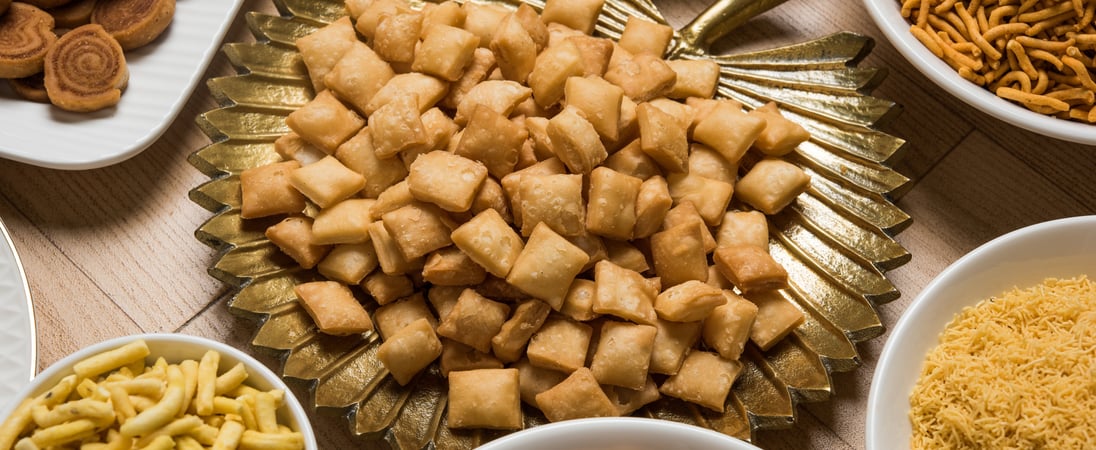
National Snack Day
National Snack Day is a festive occasion celebrating the joy of snacking. It highlights the diverse range of treats people enjoy, from salty to sweet and healthy to indulgent.
Whether it’s the crunch of chips, the sweetness of chocolate, or the freshness of fruit, this day is dedicated to those little bites that bring comfort and pleasure.
Snacks tend to be the quiet heroes of daily life: a quick bite between meetings, a crunchy companion on a road trip, or the small reward that makes an afternoon feel a little less long.
They can be practical, playful, nostalgic, or all three at once, and National Snack Day permits snack lovers to treat that in-between-meals magic as something worth noticing.
It’s a time to appreciate the role snacks play in our lives, offering quick energy boosts and satisfying cravings during busy days!
Many snacks also provide an easy way to explore flavors and textures without committing to a full meal. A handful of roasted nuts, a slice of cheese, a cup of yogurt, or a few squares of chocolate can feel like a tiny, delicious reset button.
How to Celebrate National Snack Day
National Snack Day offers endless ways to celebrate. Whether hosting a tasting party, crafting homemade treats, or exploring local shops, there’s a fun activity for everyone. Enjoy the playful world of snacking with these quirky and delightful ideas.
A great celebration doesn’t require a mountain of packaged treats (though nobody’s judging). The best approach is to snack with intention: choose a theme, try something new, share with others, or build a spread that makes snack time feel like an event.
It also helps to think about variety. The most satisfying snack situations usually include a mix of crunchy and creamy, salty and sweet, and fresh and rich.
Host a Snack Tasting Party
Gather friends for a snack-tasting extravaganza where everyone brings a favorite treat to share. Set up a few simple stations—chips, candies, fruits, nuts, and anything else that fits the vibe. Guests sample, rate, and react, turning an ordinary hangout into a lighthearted exploration of flavors.
To keep it feeling like a real tasting (not a table full of crinkly wrappers), a bit of structure helps:
- Choose clear categories: crunchy salty, sweet treats, “surprisingly fancy,” spicy, and nostalgia snacks are easy wins.
- Add palate cleansers: water, sparkling water, plain crackers, or fruit help reset taste buds between bold bites.
- Serve small portions: tasting stays fun when everyone can try everything without feeling overwhelmed.
- Include a wild-card round: something unusual, regional, or new to most people keeps energy and curiosity high.
You can also add a few pairing prompts so the conversation goes beyond “this is good.” Try questions like, “Which snack has the best crunch?” Which seasoning is the most interesting? Which snack tastes better than it looks? The point isn’t to declare a serious winner—it’s to turn snacking into a shared little adventure.
If anyone has dietary restrictions, label common allergens such as nuts, dairy, and wheat. A simple handwritten card next to each bowl saves everyone from playing ingredient detective and keeps the mood relaxed.
Create Your Own Snacks
Bring a little creativity into the kitchen by making snacks from scratch. Season popcorn in unexpected ways or bake a batch of fresh cookies. You can also experiment with lighter options like kale chips or yogurt parfaits. Homemade snacks add a personal touch and are naturally more fun to share.
One of the best things about homemade snacks is that they can be tailored exactly to your taste, and they turn snack time into a small, enjoyable project instead of a quick pantry grab. A few easy, crowd-friendly ideas:
- Popcorn remix: Start with plain popcorn and skip the standard butter routine. Try parmesan and black pepper, cinnamon with a light sprinkle of sugar, or smoked paprika with a hint of garlic. A small drizzle of melted butter or oil helps seasonings stick.
- Roasted chickpeas: Crunchy, savory, and endlessly customizable. Roast until crisp, then season with blends like chili-lime, cumin, or ranch-style spices.
- DIY trail mix: Think in contrasts. Combine something crunchy (nuts or cereal), something chewy (dried fruit), something salty (pretzels), and something sweet (chocolate or yogurt-covered pieces).
- Energy bite basics: Mix oats with nut or seed butter and a natural binder like honey or date paste. Add cocoa, coconut, or chopped nuts, then roll into bite-size balls and chill.
- Snackable vegetables: Slice carrots, cucumbers, bell peppers, or snap peas and serve them with a dip. A good dip can turn vegetables into the star of the table.
Homemade snacks also make portion control easier. Serving them in small bowls or containers encourages slower, more mindful eating instead of absent-minded munching. Even richer treats tend to feel more satisfying when they’re enjoyed on purpose.
Organize a Snack Swap
Invite coworkers or classmates to take part in a snack swap. Everyone brings a different snack to trade, creating an easy way to sample new flavors while building a sense of sharing and connection. It’s a simple break in the day that adds a bit of fun (and something tasty) to the routine.
A snack swap runs best when it feels like a friendly exchange rather than a grab-everything table. A little structure keeps things enjoyable for everyone:
- Set a “shareable” rule: snacks should be individually packaged or easy to portion with clean hands or utensils.
- Ask for ingredient lists: this helps with common allergens and supports people who avoid certain ingredients.
- Encourage variety: suggest categories or a loose theme—like spicy, chocolate, or local favorites—so the table doesn’t turn into one big pile of the same snack.
- Balance savory and sweet: a mix keeps energy steady and prevents instant sugar overload.
In workplaces or classrooms, it also helps to include a few “quiet snacks.” Options that aren’t extremely crunchy, strongly scented, or messy keep the focus on enjoyment without distracting the whole room. Snacks can bring people together, but they don’t need to take over the space to do it.
Visit Local Snack Shops
Take a trip to local bakeries or snack shops. Discover freshly baked goods, nice treats, and hidden gems in your area. Supporting local businesses while indulging in delicious snacks is a win-win situation. Make it a snack adventure day.
Local shops can turn snacking into a mini treasure hunt. Bakeries, specialty food stores, and small markets often have items that don’t show up in big grocery aisles: fresh pastries, small-batch candies, roasted nuts, handmade chips, or seasonal treats.
A playful way to celebrate is by creating a “snack flight” made up of small bites from different stops. For example:
- Something fresh-baked: a roll, pastry, or cookie straight from the oven or bakery
- Something salty-crunchy: chips, pretzels, or roasted nuts for that satisfying bite
- Something sweet: a piece of chocolate, a candy, or a small fruit tart
- A mystery pick: chosen purely because it looks unusual, unexpected, or intriguing
This mix turns snacking into a mini tasting experience and adds a little sense of adventure to every bite.
If the goal is to share the haul later, aim for snacks that travel well. Crisp items should be packed carefully, chocolate should be kept away from heat, and anything with frosting or filling might need a cooler bag. A little planning keeps the snacks as delightful at serving time as they were at purchase time.
Have a Snack-Themed Movie Night
Pair movies with matching snacks for a themed movie night. Watching a thriller? Pop a big bowl of popcorn. In a romantic mood? Go for chocolate-covered strawberries. This simple twist adds an extra layer of fun and turns a regular movie night into something more memorable.
Movie snacks work so well because they turn watching into a full experience. A snack-themed movie night can stay low-key—everyone brings one snack—or become a mini event with a planned snack menu.
Some easy pairing ideas:
- Action or adventure: popcorn with bold seasonings, crunchy chips with salsa, or anything that’s easy to eat one-handed without looking away from the screen.
- Comedy: mix-and-match bowls, like candy paired with salty pretzels, to match the playful, relaxed mood.
- Mystery or thriller: bite-size snacks that feel a little dramatic, such as dark chocolate, spicy nuts, or even a simple red-and-black snack board.
- Family animation: colorful snacks, fruit kebabs, mini sandwiches, or DIY snack cups that feel fun and accessible.
To keep the movie flowing, choose snacks that don’t need much assembly once the film starts. If there’s a build-your-own element, set it up before the opening scene and let everyone fix their plates during previews or the first few minutes. That way, the snacks enhance the movie instead of competing with it.
Why Celebrate National Snack Day?
National Snack Day celebrates the joy and satisfaction that snacks bring. Snacks are more than just food; they are moments of pleasure and comfort. They provide a quick pick-me-up during the day, whether at work, school, or home.
Snacks also reflect personality in a surprisingly honest way. Some people are “always prepared with almonds” types. Some are “salty-crunchy forever” loyalists. Some believe a snack should be sweet, gooey, and slightly dramatic.
A day dedicated to snacking makes room for all of it, including the fact that snack preferences often come wrapped in memories: the treat packed in a lunch bag, the chips shared on a trip, the popcorn that tastes like movie theaters and anticipation.
This day motivates people to enjoy their favorite treats and explore new ones, promoting the idea that snacks can be both tasty and nutritious.
A snack can be indulgent, but it can also be a smart strategy for steady energy. Many people use snacks to bridge long gaps between meals, support workouts, or avoid the “too hungry to think” feeling. Balanced snacks often include at least one element that helps with staying power, such as:
Protein (nuts, yogurt, cheese, beans)
Fiber (fruit, vegetables, whole grains)
Healthy fats (avocado, nuts, seeds)
That doesn’t mean every snack needs to be a miniature nutrition plan. National Snack Day leaves room for both a crisp apple and a frosted treat. The celebration is really about noticing how snacks fit into everyday life and enjoying them on purpose.
From nuts and fruits to chips and candy, there’s a snack for every taste, making this day a celebration of culinary diversity and simple joys.
Snacking is also a low-pressure way to experiment with food traditions and flavors. Trying a new spice blend, a different kind of dried fruit, or a snack from a cuisine someone has never explored can be a small act of curiosity that feels approachable. Snacks are often where people discover new favorite tastes, one bite at a time.
National Snack Day Timeline
1853
Birth of the Potato Chip
Cook George Crum at Moon’s Lake House in Saratoga Springs, New York, reportedly created ultra‑thin fried potato slices that became known as potato chips, a snack that will later dominate American salty snack sales.
1904
Snacks Go National at the St. Louis World’s Fair
The Louisiana Purchase Exposition in St. Louis popularized foods like hot dogs, hamburgers, cotton candy, and ice cream cones, helping turn casual street foods into widely known American snacks.
1930
Twinkies Arrived on the Shelf
Baker James Dewar developed Twinkies for Continental Baking Company, one of the first wildly successful, mass‑produced snack cakes, signaling a new era of packaged, ready‑to‑eat treats.
1930s
Depression‑Era Boom in Packaged Snacks
During the Great Depression, brands like Lay’s potato chips, Ritz crackers, Snickers, and Fritos expanded the snack aisle, using improved packaging and national advertising to normalize frequent, low‑cost nibbling.
1941
M&M’s Turn Wartime Ration into Everyday Snack
Mars began making candy‑coated chocolate pieces for U.S. soldiers, designed not to melt easily; after World War II, M&M’s quickly became a popular peacetime snack.
1950–2000
The United States Became a “Snack Nation”
Postwar prosperity, television, and car culture encouraged eating between meals, as manufacturers rolled out products like Cheetos, Pringles, Doritos, and Pop‑Tarts and marketed snacking as an anytime activity.
1967
Super Bowl Sunday Turned into a Snacking Ritual
The first Super Bowl helped cement televised sports as a major snacking occasion, with chips, dips, and finger foods evolving into a central part of the game‑day experience for millions of Americans.
History of National Snack Day
National Snack Day began in 2015, created by Jace Shoemaker-Galloway, often known as the “Holiday Queen.” She launched more than two dozen unofficial holidays, and this one was designed to celebrate the simple joy of snacking. While the exact motivation behind choosing snacks has never been formally explained, her fondness for everyday pleasures likely played a role in shaping this cheerful, food-focused day.
Like many modern themed observances, National Snack Day grew from the idea that ordinary routines deserve a moment of recognition. Snacking is universal enough to connect with almost everyone, yet personal enough that no two celebrations look the same. That flexibility makes it easy to join in—whether through a homemade bite, a favorite packaged treat, or a shared platter at a casual gathering.
Early enthusiasm from snack lovers helped the day gain momentum online. People shared photos, opinions, and playful debates about their favorite treats on forums and social media, giving the celebration visibility and helping it spread. Over time, National Snack Day became a way to appreciate both the variety and convenience that snacks bring to daily life.
Social sharing has also reshaped how people think about snacking. Snack boards, tasting challenges, and unusual flavor combinations have turned snacks into a small creative outlet, not just a quick bite.
At the same time, interest has grown in snacks that suit different lifestyles, from high-protein and plant-based options to portion-conscious treats. National Snack Day easily holds all of this under one generous idea: if it’s snackable and enjoyable, it belongs.
Although the day itself is relatively new, snacking as a habit is ancient. People have always relied on portable foods to fuel work, travel, and long stretches between meals.
Over centuries, those simple foods evolved into the wide range of snacks we know today, shaped by local traditions, innovation, and eventually modern packaging and mass production.
From savory chips to sweet candies, snacks offer quick comfort, energy, and familiarity. In that sense, National Snack Day is less about what people eat and more about how they eat it—the brief pause in a busy day, the shared bowl at a gathering, the comfort snack that softens a rough moment, or the curious bite that introduces a new flavor. It’s a celebration of small pleasures, and snacks are perfectly suited to that role.
Surprising Facts About the History of Snacking
Snacking may feel like a modern habit, but its roots stretch deep into human history.
From ancient civilizations relying on portable foods to the rise of industrial packaging that reshaped eating habits, snacks have evolved alongside society itself.
These facts highlight how snacking moved from simple, practical nourishment to an everyday part of modern life—and how culture, technology, and convenience all played a role in shaping the way we snack today.
-
Ancient Civilizations Snacked on Bread and Popped Grains
Snacking is not a modern habit at all. Archaeological and historical evidence shows that ancient Egyptians were baking small loaves and flatbreads by around 3000 BC that were eaten as quick, portable bites, while early forms of popcorn and other puffed grains were enjoyed by various cultures long before they became cinema staples in the 20th century.
-
Peanuts Helped Define Early American Snacking
In the United States, roasted peanuts became one of the earliest commercial snack foods. Originating in South America, peanuts were brought through the Atlantic slave trade and grew widely on Southern plantations; after the Civil War, they spread north, turning up with street vendors and in baseball parks, where eating peanuts between meals helped cement them as an everyday snack.
-
Industrial Packaging Turned the U.S. into a “Snack Nation”
Between about 1950 and 2000, the United States shifted from occasional between‑meal bites to near-constant grazing, a change historians tie directly to advances in food processing and packaging.
Individually wrapped cookies, chips, and snack cakes made it easy to eat in cars, at desks, and while walking, and the Smithsonian notes that by the late 20th century, Americans were snacking “anytime and anywhere,” often on foods high in fat, sugar, and salt.
-
Snacking Patterns Have Shifted Toward All‑Day Grazing
Modern nutrition surveys in the United States show that snacks now make up a substantial portion of daily calories. Analysis of National Health and Nutrition Examination Survey (NHANES) data has found that most adults report at least one snack a day, and many report three or more, with snacks contributing roughly one‑fifth of total daily energy intake, reflecting a move away from the traditional three‑meal pattern.
-
Well‑Planned Snacks Can Help Steady Blood Sugar
Health authorities emphasize that what and how people snack matter more than the simple act of eating between meals. The U.S. Centers for Disease Control and Prevention advises that pairing high‑fiber carbohydrates, such as fruit or whole‑grain crackers, with protein or healthy fats, like nuts or yogurt, can help keep blood sugar from spiking and crashing, which is especially important for people managing diabetes.
-
Global Snack Sales Rival the Size of Some National Economies
Snacks are big business worldwide. Industry analyses cited by trade publications estimate that the global snacks market generated roughly 680 to 720 billion U.S. dollars in retail sales in 2024, with growth fueled by “snackification,” a trend in which busy consumers increasingly replace sit‑down meals with convenient, ready‑to‑eat products.
-
Healthier Snack Options Are Driving New Product Innovation
As consumers worry more about obesity and chronic disease, the snack sector has pivoted toward products marketed as “better for you.”
Market research shows rising demand for snacks that are higher in protein or fiber and lower in added sugar, salt, and artificial ingredients, encouraging manufacturers to launch items like baked chips, nut and seed mixes, and bars fortified with functional ingredients.
National Snack Day FAQs
Is snacking between meals always unhealthy?
Snacking itself is not automatically unhealthy. Large nutrition studies suggest that what and how much someone eats matter more than how often they snack.
Small, planned snacks that include nutrient‑dense foods such as fruit, vegetables, nuts, yogurt, or whole grains can help manage hunger and support overall diet quality.
Problems usually arise when snacks are high in added sugar, sodium, or saturated fat, or when portions are large and eaten mindlessly in addition to regular meals.
How can someone tell if a snack marketed as “healthy” really is a better choice?
Health professionals recommend looking past front‑of‑package claims and reading the Nutrition Facts label and ingredients list.
A more nutritious snack is typically higher in fiber or protein, lower in added sugars and sodium, and made with mostly whole ingredients like nuts, seeds, whole grains, or fruits.
Claims such as “natural,” “organic,” or “made with whole grains” do not guarantee that a snack is low in sugar, salt, or calories, so checking the actual numbers per serving is important.
What is a reasonable portion size for common snack foods?
Dietitians usually suggest keeping most snacks in the range of about 100 to 200 calories, depending on a person’s size, activity level, and goals.
As a rough guide, a small handful of unsalted nuts (about 1 ounce), a medium piece of fruit, a cup of cut‑up vegetables with a few tablespoons of hummus, or about 3 cups of air‑popped popcorn fits this range. Checking the serving size on packaged snacks can help prevent “portion creep,” since bags often contain multiple servings.
Is it better to have three big meals or several small meals and snacks during the day?
Research on meal frequency shows mixed results, and there is no single pattern that works best for everyone. Some people feel better with three larger meals, while others prefer three meals plus one or two small snacks.
What matters most for weight and metabolic health is total daily energy intake and overall diet quality, along with getting enough fruits, vegetables, whole grains, lean proteins, and healthy fats. Personal preference, medical conditions, and daily schedule should guide how someone distributes their food across the day.
Are “low‑fat” or “fat‑free” snacks automatically healthier options?
“Low‑fat” or “fat‑free” snacks are not always healthier. When fat is removed from foods like cookies or crackers, manufacturers often add more sugar or refined starch to improve taste and texture.
Public health guidance now emphasizes the type of fat and overall nutrient profile instead of focusing only on fat grams.
Snacks that contain unsaturated fats from nuts, seeds, or vegetable oils can fit into a healthy eating pattern, while highly processed snacks that are low in fat but high in added sugars or refined carbs may not be a better choice.
What should parents look for when choosing snacks for children?
Pediatric and nutrition organizations suggest focusing on snacks that contribute important nutrients instead of just extra calories.
Good options include fresh fruit, cut‑up vegetables, yogurt without much added sugar, cheese, nuts or seeds for older children, and whole‑grain crackers or breads.
Parents are encouraged to limit sugary drinks, candies, and highly salted packaged snacks, and to offer snacks at predictable times so that children come to the table hungry for balanced meals.
Do “organic” or “natural” snacks contain less sugar or salt than regular versions?
The terms “organic” and “natural” describe how a food is produced or processed, not its sugar or salt content. An organic or “all‑natural” snack can still be high in added sugars, sodium, or calories.
Regulatory agencies advise consumers to treat these as marketing terms and to rely on the Nutrition Facts label and ingredient list to compare products. Choosing snacks with less added sugar and sodium and more fiber or whole ingredients is a more reliable way to improve snack quality.
Also on ...
View all holidays
World Obesity Day
Maintaining a healthy weight can be a challenge, but a balanced diet and regular exercise can improve physical health and mental wellbeing.

National Pound Cake Day
Soft and buttery, this classic baked treat, with its dense texture and subtle sweetness, is the perfect companion for a cozy moment.
We think you may also like...
National Marzipan Day
It's like candy clay, sweet and pliable, ready to transform your desserts into edible works of art with its almond magic.
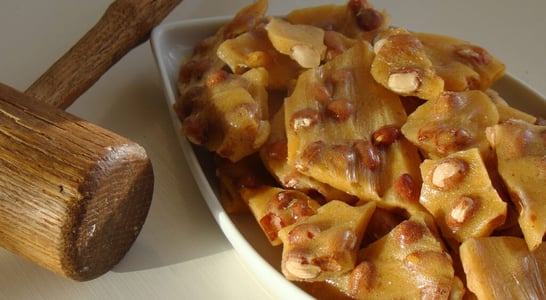
National Peanut Brittle Day
A crunchy, delicious treat that's perfect for satisfying a sweet tooth. With its caramelized taste and nutty texture, it's hard to resist!
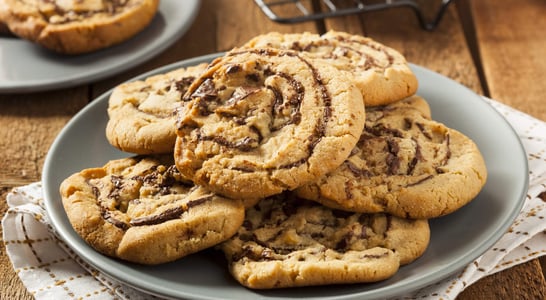
National Peanut Butter Cookie Day
Peanut butter cookies are remarkably easy to make, and so rewarding. The simplest recipe just uses three ingredients: peanut butter, sugar, and an egg.
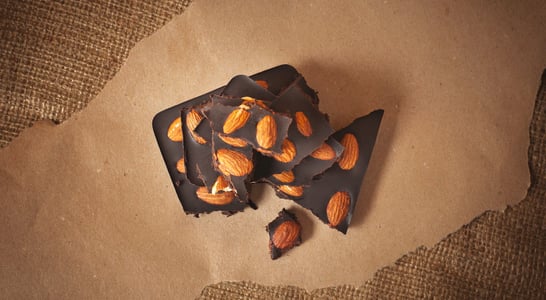
National Bittersweet Chocolate with Almonds Day
Discover the delightful combination of smooth dark chocolate and crunchy nuts that will have your taste buds dancing with joy!