
Have you ever wished for a sun-kissed glow without the sun’s harsh effects?
National Spray Tanning Day is all about that sweet spot: a bronzed, just-back-from-somewhere look without spending hours in the sun or stepping into a UV tanning bed. Sunless tanning has become a go-to beauty option for people who like the way a tan looks but prefer to be mindful about skin health.
Spray tanning, in particular, is a fast, customizable method that can be tailored to different undertones, depths, and finishes, from barely-there warmth to bold bronze.
It is also one of the few beauty services where the “aftercare” can make as much difference as the appointment itself, which gives the day a practical angle: learn what works, try a technique, and walk away looking polished.
There is also a confidence component that makes this observance feel more personal than purely cosmetic. A spray tan can even out the look of skin tone, create gentle definition, and help people feel more put-together for photos, events, or just everyday life. When done well, it looks less like “tanning” and more like “glowing.”
Embracing this occasion often lines up with a seasonal mindset shift. As wardrobes get lighter and more skin is naturally on display, many people look for small upgrades that feel fresh. Spray tanning fits neatly into that reset. It is relatively quick, it can be subtle, and it gives a noticeable result without requiring a long routine.
How to Celebrate National Spray Tanning Day
National Spray Tanning Day offers a unique opportunity to celebrate and enjoy the benefits of spray tanning. Here are several engaging ways to mark this special occasion:
Host a Spray Tan Party
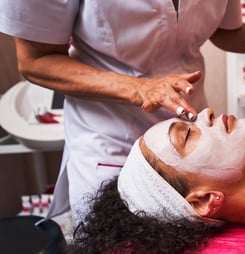
Gather friends for a fun-filled spray tan session. Many salons offer group discounts, making it an affordable way to celebrate together.
To keep it smooth and low-stress, a party works best with a little planning. Everyone can arrive in loose, dark clothing, bring sandals, and skip lotions, deodorants, and perfumes beforehand since certain ingredients can interfere with how evenly the tanning solution develops. Some groups make it a full “glow day” with simple add-ons like hair clips, disposable caps, and a playlist, plus a pre-tan rinse schedule so no one feels rushed.
It also helps to set expectations. A spray tan develops over several hours, and the final color is not usually immediate. Right after an appointment, the skin may look a bit deeper because of cosmetic bronzers in the solution that rinse off later. Sharing these basics keeps first-timers from worrying when they glance in the mirror too soon.
Enjoy bonding while achieving a radiant glow. When everyone compares results the next day, it becomes part beauty service, part group experiment, and part confidence boost.
Try a New Shade
Experiment with a different spray tan shade to refresh your look. Consult with a professional to find the perfect tone that complements your skin.
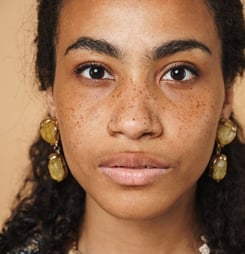
“Shade” is not just about going darker. The most natural-looking results come from matching undertones. Some solutions lean golden, others olive, and others are more neutral.
A good technician usually considers the client’s natural skin tone, how they want the tan to read in different lighting, and even whether they prefer a matte finish or a slightly luminous look.
A new shade can also mean trying a different level of customization. Many spray tanning systems can contour lightly, deepen certain areas, or adjust how much solution is applied.
Someone who has only tried a booth experience might be surprised by how personalized an airbrush session can be. Likewise, someone who always goes for “maximum bronze” might discover that a softer glow looks more believable and is easier to maintain.
Embracing change can be both exciting and empowering, especially when it comes with learning what actually flatters the skin’s natural undertone.
Support Local Salons
Visit a nearby salon to show appreciation for their services. Booking a session contributes to local businesses and helps maintain community connections. Your patronage makes a difference.
Supporting a salon can go beyond simply booking an appointment. Consider purchasing a recommended extender lotion, a gentle body wash, or a tan-safe moisturizer that helps the color fade more evenly.
Many people are surprised by how much the right products improve longevity. A good extender can help the glow stay smoother and prevent the patchy fade that gives sunless tanning a bad reputation.
It is also worth asking questions. A knowledgeable technician can explain the difference between booth formulas and hand-applied solutions, how long processing typically takes, and what to do if certain areas tend to develop darker than others.
Ears, hands, elbows, knees, and ankles are common “trouble spots” because they are drier and absorb more product. Salons often have simple fixes like barrier creams or blending techniques that make results look more seamless.
When clients treat the service like a mini consultation rather than a mystery, the outcome is better, and the salon relationship becomes more collaborative.
Share Your Experience
Post your spray tan journey on social media. Sharing photos and stories can inspire others to participate and spread awareness about the benefits of spray tanning. Use relevant hashtags to join the broader conversation.
Sharing can be especially helpful for people who are curious but nervous. A short post explaining what the appointment felt like, how long it took, and what aftercare mattered most can make spray tanning feel more approachable.
People often assume the process is messy or uncomfortable. In reality, a typical professional session is quick, private, and designed to avoid awkwardness, with clear instructions for pose changes and drying time.
It can also be useful to share the unglamorous but important details: what kind of clothing worked best afterward, when the first rinse happened, and what products were avoided. Simple tips like “wear loose sweatpants” or “skip exfoliating too soon” can save someone else from a disappointing result.
For those who prefer to keep things offline, “share your experience” can simply mean telling a friend the technician you liked or the prep routine that made a difference. Word-of-mouth has always been one of the biggest drivers of beauty trends, and spray tanning is no exception.
Educate Yourself on Skin Health
National Spray Tanning Day is a great reminder that a bronzed look doesn’t have to come from harmful UV exposure. Spray tanning offers a cosmetic alternative that colors the outer layer of the skin without triggering melanin production through sun exposure. That difference is exactly why many people choose sunless tanning instead of sunbathing or using tanning beds.
Knowing how spray tanning works can also help you achieve better, longer-lasting results. Most spray tan formulas contain DHA (dihydroxyacetone), a colorless ingredient that reacts with amino acids on the skin’s surface to create a temporary glow. Since the effect develops only on the top layer, the color fades naturally as the skin exfoliates—making proper preparation and aftercare essential.
A simple skin-education approach might include:
- Understanding how exfoliation helps create a smooth, even finish and improves longevity
- Learning that oil-based products can break down the color more quickly
- Recognizing that dry areas absorb more color and need extra moisturizing
- Remembering that a spray tan is cosmetic and does not provide sun protection
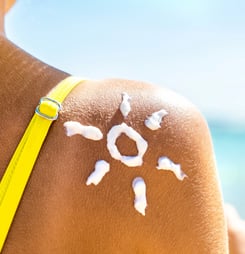
That final point is especially important. A sunless tan may look like a natural tan, but it does not replace sunscreen. When spending time outdoors, broad-spectrum SPF, shade, and protective clothing are still essential.
Taking the time to understand skin health not only supports safer beauty choices, but also makes the process feel more intentional. With the right knowledge, a simple cosmetic treatment becomes part of a smarter, skin-friendly routine.
History of National Spray Tanning Day
National Spray Tanning Day is a relatively new observance that reflects the growing popularity of sunless tanning in modern beauty routines. As awareness around UV exposure increased, so did interest in options that deliver the “glow” effect without relying on sunlight or tanning beds.
Spray tanning moved from a niche service to a mainstream one, showing up in salons, spas, and beauty studios as a quick, customizable way to add warmth to the skin’s appearance.
The day has been promoted and popularized by companies within the sunless tanning industry, including Sunless, Inc., a well-known name in professional spray tanning systems and solutions. Industry-led observances like this often have two goals at once: they encourage people to try a service, and they steer the conversation toward better practices.
In this case, that means reinforcing the idea that bronzed skin can be achieved without deliberate UV tanning and that professional techniques can create natural-looking results across a wide range of skin tones.
As the observance gained traction, it became tied to the idea of stepping into a new season with a refreshed look. Spray tanning fits this theme well because it is immediate, temporary, and adjustable.
Unlike a dramatic hair change or an intensive skincare procedure, a spray tan is a low-commitment way to look different for a short stretch. That low commitment is part of its appeal: the result lasts days, not months, and can be repeated or tweaked based on preference.
Over time, National Spray Tanning Day has also helped spotlight the craft behind a great spray tan. The best results come from more than simply applying the solution. They involve skin prep, controlled application, thoughtful shade matching, and clear aftercare guidance.
Many technicians train specifically in blending, contouring, and adapting techniques to different skin textures and concerns. The day gives those professionals a moment to share what they know and to correct common misconceptions, like the idea that all spray tans turn orange or that they inevitably fade in patches.
Today, the observance continues to encourage people to explore spray tanning as a skin-conscious beauty option.
It celebrates the confidence boost that can come from a healthy-looking glow, while also nudging the conversation toward smart habits: choosing sunless methods for color, following best practices for application and maintenance, and remembering that skin protection remains important no matter how bronzed the finish looks.
What Happens When You Spray Tan? Key Facts Behind the Glow
Spray tanning offers a quick, sunless way to achieve a bronzed look, but the color you see is the result of a chemical process rather than natural melanin production.
Understanding how spray tans work—from how quickly they develop to what they do (and don’t) protect against—helps you use them safely and set the right expectations for results.
Chemical Browning, Not Melanin, Creates a Spray Tan
Spray tans do not stimulate the body’s own melanin production. Instead, the active ingredient dihydroxyacetone (DHA) reacts with free amino groups in proteins in the outermost skin layer (the stratum corneum) through a Maillard-type browning reaction, forming pigmented compounds called melanoidins that give skin a brown tone.
Sunless Tans Start Developing Within Hours and Can Last for Days
Clinical reviews report that DHA-based sunless tans begin to appear about 2 to 4 hours after application, deepen over the next 24 hours, and can persist for 3 to 7 days until the pigmented outer skin cells naturally shed.
This time course reflects the slow progression of the Maillard reaction and normal epidermal turnover.
DHA Penetration Is Mostly Superficial but Not Fully Understood
Modern dermatology reviews find that DHA primarily reacts in the stratum corneum and does not reach living epidermal layers in significant amounts under typical use, which supports its topical safety profile.
However, researchers note that the exact penetration depth and long-term biological effects are still not completely characterized and continue to be studied.
Spray Tans Do Not Provide Reliable UV Protection
Studies comparing DHA-induced color to natural tanning show that a sunless tan offers little or no meaningful protection against ultraviolet radiation.
Some work has even suggested that higher DHA concentrations, especially on the first day after application, may increase susceptibility to free-radical damage from sunlight rather than protect the skin.
Inhalation Is the Main Safety Concern Unique to Spray Tanning
While DHA is generally regarded as safe for use on intact skin, integrative literature reviews highlight that spray application can create fine mists that contact the eyes, lips, and respiratory tract.
Because there is limited data on mucosal and inhalation exposure to DHA, experts recommend protective measures such as nose filters, eye protection, and good ventilation during spray tanning.
Sunless Tanning Is Linked to Lower Skin Cancer Risk Behaviors
Population studies comparing tanning habits have found that people who use sunless products are less likely to engage in indoor tanning or intentional sunbathing than those who do not use them.
Dermatology researchers suggest that substituting spray or lotion tanning for UV tanning may help reduce behaviors that increase melanoma and other skin cancer risks.
Sunless Tanners Can Alter the Look of Moles and Pigmented Lesions
Dermatologists have reported that DHA-containing products can temporarily darken or otherwise change the appearance of moles and other pigmented spots, sometimes making them look more suspicious.
This cosmetic darkening can complicate skin examinations and may lead to unnecessary biopsies if clinicians are not aware that a patient recently used a sunless tanning product.