Root beer has a way of making even an ordinary moment feel like a small celebration. It is sweet, bubbly, and packed with nostalgia, especially when it comes in a glass bottle with that satisfying hiss as the cap pops off. National Stewart’s Root Beer Day shines the spotlight on one particular classic: Stewart’s, a brand that helped root beer stand culture thrive and later brought that fountain-style flavor to store shelves.
How to Celebrate National Stewart’s Root Beer Day
Celebrating National Stewart’s Root Beer Day can be as simple as enjoying a cold bottle, or as involved as throwing a full-on throwback “root beer stand” experience at home. The best celebrations lean into what makes root beer special in the first place: aroma, foam, and that creamy-spiced flavor that feels both old-fashioned and oddly timeless.
Drink Some Stewart’s Root Beer
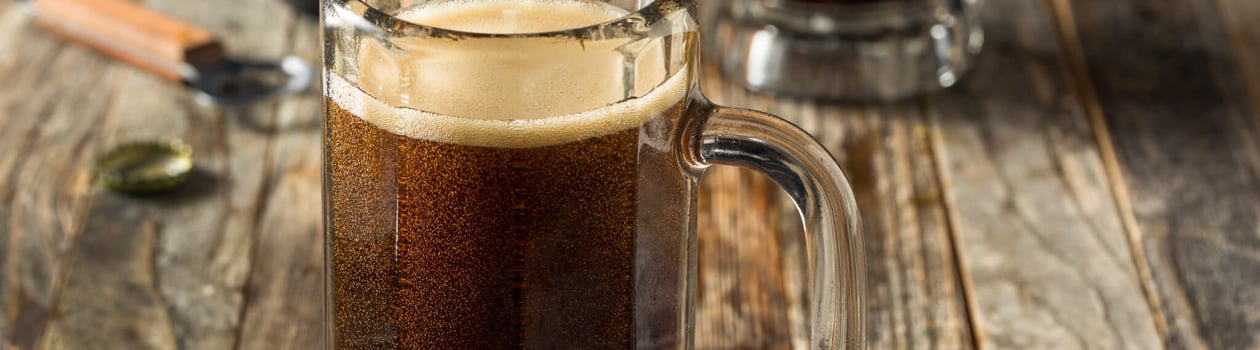
Stewart’s Root Beer started as a drive-in fountain drink, and it still tastes best when served with a little ceremony. A chilled bottle is the straightforward move, but a frosty mug makes it feel like it came straight from a root beer stand.
To get the most out of it, the simplest approach is also the most effective:
- Chill it thoroughly. Root beer’s vanilla-like sweetness and herbal notes can taste heavy when warm, but crisp and balanced when cold.
- Use a cold mug if possible. A thick glass mug that has been chilled in the freezer encourages foam and keeps the drink colder longer.
- Pour gently, then boldly. A slow pour preserves carbonation. A slightly faster finish builds the classic foamy head.
Stewart’s is often described as “fountain-style,” meaning it aims for that creamy, smooth character people associate with soda counters and drive-ins. Root beer in general gets its signature profile from a blend of flavorings that can include hints reminiscent of vanilla, wintergreen, and other “rooty” spices. Historically, many root beers relied heavily on sassafras, but modern commercial root beers use safrole-free flavorings or alternatives, since safrole is not permitted as a food additive in the United States. The result is that familiar root beer taste, built to be aromatic and sweet without being harsh.
For sharing the day, it helps to think like a host instead of a shopper. A small pack is fine for one or two people, but a larger bundle turns it into an easy group moment. Stewart’s tends to be a crowd-pleaser for:
- Cookouts and casual meals where a non-caffeinated, non-cola option is welcome
- Movie nights where the vibe calls for something a little retro
- Office or team gatherings where not everyone wants coffee or energy drinks
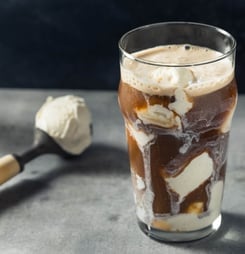
A fun detail that elevates “just drinking root beer” into an actual activity is a float bar. Keep it simple: chilled Stewart’s Root Beer, vanilla ice cream, and tall glasses. Or make it a little theatrical: offer scoops of vanilla, chocolate, or caramel ice cream and let people choose their own adventure. The foam-and-ice-cream chemistry is half the charm.
Visit a Stewart’s Root Beer Stand
Stewart’s didn’t begin as a bottled beverage line. It began as a stand, and that setting is a big part of why the brand still carries so much nostalgia. Visiting a Stewart’s Root Beer restaurant location is like stepping into a living postcard of classic drive-in culture, the kind of place where the menu is straightforward and the root beer is the star.
Over time, many drive-in style diners faded as food culture shifted, but Stewart’s stands have remained in select areas, particularly with a strong presence in New Jersey. Depending on the location, the experience can include classic elements like parking-lot service, walk-up windows, and an unfussy menu designed to pair with a cold root beer.
The food at these stands tends to fit the root beer stand tradition: hot dogs, burgers, fries, and other familiar favorites. Root beer stands historically were about quick comfort food and fountain drinks, and that pairing still works because root beer’s sweetness and herbal bite cut through salty, savory foods especially well.
For anyone who loves the “full experience,” there are a few ways to make the most of a visit:
- Order root beer with food that’s salty and crisp. Fries, onion rings, and hot dogs are classic partners because they balance sweetness with salt and crunch.
- Try it as a float if it’s offered. Root beer floats are a fountain tradition for a reason. The ice cream softens the carbonation and turns the drink into dessert.
- Pay attention to the small details. The signage, the cups, the pace of the place, and the overall simplicity are part of what makes these stands feel special.
If a Stewart’s Root Beer stand is not nearby, the spirit of the outing still translates well. A “root beer stand day” can be recreated by picking up Stewart’s bottles and serving them with a simple drive-in style menu at home: hot dogs, burgers, fries, popcorn, or any comfort food that invites casual eating and lots of napkins.
Try a Root Beer Taste Test
A blind root beer taste test is a surprisingly entertaining way to celebrate. Root beer is not as uniform as many people assume. One brand may lean more vanilla and creamy, another more herbal or spicy, another sweeter and heavier. A taste test turns those differences into a game.
A good at-home tasting setup does not require anything complicated, but it does benefit from consistency:
- Chill all bottles equally. Temperature affects sweetness and aroma, so keep it fair.
- Use identical cups. Small paper cups work great.
- Label the cups with numbers, not brand names. Let one person pour and track which is which.
- Cleanse palates between sips. Water and plain crackers help.
To make it more than a few quick sips, add a simple scorecard. Categories might include:
- Aroma (how it smells right after pouring)
- Sweetness level
- Creaminess or smoothness
- “Spice” or herbal character (the root beer bite)
- Finish (does it linger pleasantly or feel syrupy?)
- Overall favorite
Stewart’s can be one of the anchors in the lineup, with other recognizable brands added for comparison. The goal is not to “crown a winner” so much as to notice how different root beers approach the same idea. Some tasters love a bold, spicy profile; others want a mellow, dessert-like sip.
For an extra twist, include a couple of serving variations, because root beer changes depending on how it’s served:
- Straight from the bottle
- Poured into a frosty mug
- As a float with vanilla ice cream
Often, a root beer that seems too sweet on its own becomes perfectly balanced when paired with ice cream, and a brand that feels subtle in the bottle becomes more aromatic when poured.
National Stewart’s Root Beer Day Timeline
From medicinal root drinks to early American “root beer”
Home brewers in the young United States adapt Indigenous and European small‑beer traditions, making low‑alcohol, medicinal drinks from sassafras, sarsaparilla, and other roots that evolve into early forms of root beer.
Hires introduces commercial root beer in Philadelphia
Pharmacist Charles E. Hires unveils his reformulated “root beer” to crowds at the Centennial Exhibition in Philadelphia, helping transform homemade root drinks into a nationally marketed soft drink.
Bottled root beer enters mass distribution
The Charles E. Hires Company begins selling bottled root beer, moving the drink out of soda fountains and home brew kettles and into a packaged product that can be shipped and sold widely.
Barq’s brings Gulf Coast flair to root beer
Edward C. Edmond Barq Sr. starts bottling what becomes Barq’s Famous Olde Tyme Root Beer in Biloxi, Mississippi, creating a regional competitor known for a crisper, often caffeinated style.
A&W and the rise of the root beer stand
Roy W. Allen begins selling root beer at a stand in Lodi, California in 1919 and soon partners with Frank Wright, forming A&W and helping popularize the drive‑in root beer stand model.
Frank Stewart launches his root beer stand in Ohio
Schoolteacher Frank Stewart opens a root beer stand in Mansfield, Ohio, serving his own recipe and laying the groundwork for the Stewart’s drive‑in chain and its future “Fountain Classics” sodas.
FDA bans safrole in food and drink
After studies link safrole, a compound in natural sassafras oil, to cancer in lab animals, the U.S. Food and Drug Administration prohibits its use in foods, prompting root beer makers to switch to safrole‑free or artificial flavorings.
History of National Stewart’s Root Beer Day
Stewart’s Root Beer traces its story back to the early twentieth century, when soda fountains and flavored soft drinks were a thriving part of everyday life in the United States. In 1924, Frank Stewart, a schoolteacher in Mansfield, Ohio, developed a root beer recipe and opened a stand to sell it, originally as a way to supplement his income. That detail alone gives the brand a distinctly American small-business energy: part creativity, part hustle, and part love of a product that makes people happy.
That first stand mattered because root beer was not just a drink. It was an experience. Root beer stands and soda counters weren’t merely places to buy something sweet; they were social spaces. People gathered, chatted, and treated themselves, often with a fountain drink poured fresh rather than taken from a shelf. Stewart’s grew in that world, building an identity around fountain-style root beer served in a setting designed for easy enjoyment.
As car culture expanded, the drive-in model became a natural fit. By the mid-century, drive-in restaurants had become icons of casual dining, and Stewart’s drive-thru and drive-in locations gained popularity. The appeal was straightforward: quick service, familiar food, and root beer that felt like the centerpiece rather than an afterthought. For many fans, the Stewart’s experience is inseparable from the drive-in atmosphere, where root beer is not just a beverage but part of the meal’s personality.
One of the notable twists in Stewart’s history is that, for much of its existence, the root beer remained primarily a fountain drink associated with the stands. While other sodas became common in bottles and cans earlier, Stewart’s did not begin bottling its root beer for broader retail sale until around 1990. That late shift to bottling helped preserve the brand’s association with the fountain era. When Stewart’s finally appeared more widely on store shelves, it arrived already carrying a sense of nostalgia, not because it was trying to be retro, but because it genuinely had been part of that earlier drive-in tradition.
The move to bottling also marked an important change in how people could enjoy Stewart’s. Instead of needing a stand nearby, fans could bring the experience home, making root beer floats in their own kitchens or stocking bottles for parties and cookouts. That at-home accessibility is part of why a day like National Stewart’s Root Beer Day works so well. It is both specific and flexible: it can be celebrated with a visit to a stand, but it also fits neatly into home traditions.
Stewart’s brand identity today continues to lean into its roots as a fountain classic. Even when enjoyed from a bottle, it aims to deliver that smooth, creamy character people associate with old-style sodas. Root beer itself remains a uniquely nostalgic drink for many, partly because it tastes different from typical fruit sodas or colas. Its flavor is built from a tradition of botanical blends that once often included sassafras and sarsaparilla-inspired notes. Modern versions keep the familiar profile while using permitted flavoring approaches.
National Stewart’s Root Beer Day, at its heart, is a themed opportunity to appreciate that legacy: a teacher’s summer stand that grew into a recognizable name, a drive-in tradition that outlasted many trends, and a bottle that still tastes like it belongs next to a basket of fries and a sunny afternoon.