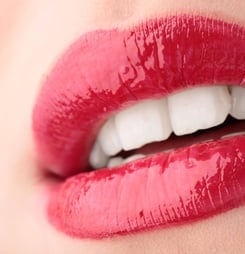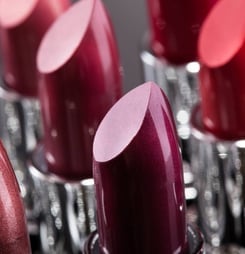

National Vegan Lipstick Day is a lively celebration for makeup enthusiasts who care about animals and the environment.
This special day highlights the importance of choosing vegan lipsticks which contain no animal-derived ingredients like beeswax or carmine.
How to Celebrate National Vegan Lipstick Day
The celebration includes trying new vegan lipstick shades, sharing favorite brands, and educating others about the advantages of these products.
National Vegan Lipstick Day reflects a growing trend towards more sustainable and humane beauty choices. Try a few of these ideas for celebrating this important day:
Pucker Up Party
Gather friends for a vibrant vegan lipstick bash. Each person can bring their favorite cruelty-free shades to share. Create a fun atmosphere with music, snacks, and lots of laughter. Swap tips on applying lipsticks and discover new brands together. This party promises colorful fun and ethical beauty chatter.
DIY Delight
Try making your vegan lipstick at home. Use natural ingredients like shea butter, coconut oil, and beetroot powder. This hands-on activity is not only fun but also lets you control what goes into your makeup. Plus, you end up with a unique, personalized shade to flaunt!
Social Media Showoff
Share your vegan lipstick looks on social media. Post selfies with your best cruelty-free pouts and tag the brands you love.
Use hashtags to spread awareness and encourage others to switch to vegan options. This digital celebration helps build a community of like-minded beauty enthusiasts.
Brand Support
Purchase new lipsticks to support vegan and cruelty-free brands. Research and choose companies that align with your values.
This is a great way to discover new products while contributing to a more ethical beauty industry. Plus, it’s the perfect excuse to add new shades to your collection.
Bold Experimentation
Experiment with bold and unique lip looks. Try ombre lips, metallic finishes, or unexpected colors like blue or green.
National Vegan Lipstick Day is the perfect opportunity to step out of your comfort zone and have fun with your makeup. Show off your daring new looks and inspire others to try something different.
Why Celebrate National Vegan Lipstick Day?
People embrace this day to enjoy cruelty-free beauty products that align with their ethical values and support sustainable practices. The day is celebrated to promote awareness about the benefits of vegan cosmetics.
Vegan lipsticks do not involve animal testing, which means they are kinder to animals.
They also avoid harmful chemicals, making them a healthier choice for both users and the environment. By choosing vegan options, consumers can make a positive impact, reducing their carbon footprint and supporting brands that prioritize ethical production.
This celebration encourages people to try new vegan lipsticks, share their favorite brands, and educate others about the advantages of cruelty-free makeup. It is an opportunity to explore vibrant, animal-friendly shades and enjoy beauty products that reflect a commitment to kindness and sustainability.
National Vegan Lipstick Day is a perfect time to celebrate beauty that does not compromise on ethics or quality!
National Vegan Lipstick Day Timeline
Early Lip Color in Ancient Mesopotamia
Archaeological evidence suggests that people in ancient Mesopotamia crushed gemstones and minerals to tint their lips, marking some of the earliest recorded use of decorative lip color.
Egyptians Use Waxes and Pigments on the Lips
In ancient Egypt, men and women used mixtures of red ochre, fats, and wax-like substances on their lips, establishing a long tradition of animal- and mineral-based lipstick ingredients.
Cochineal Carmine Enters European Cosmetics
After cochineal insects were brought from the Americas, the deep red pigment carmine became widely used in European textiles and later in lip and cheek cosmetics, tying lipstick color to an animal-derived dye.
Modern Lipstick in Slide Tubes Appears in Paris
French perfumers in Paris introduced commercially produced lip color sticks made of castor oil, beeswax, and dyes, an early version of modern lipstick that relied heavily on animal-derived waxes.
U.S. FDA Given Stronger Power Over Cosmetic Safety
The U.S. Food, Drug, and Cosmetic Act of 1938, fully implemented during the 1940s, expanded federal oversight of cosmetic ingredients, encouraging safer formulations and later supporting scrutiny of animal-derived and potentially harmful substances in lipsticks.
Leaping Bunny Cruelty-Free Standard Is Launched
Coalitions of animal protection groups in the United States and Europe created the Leaping Bunny Program, establishing a unified cruelty-free certification that pushed many cosmetics brands to remove animal testing from product development.
EU Phases In Ban on Animal-Tested Cosmetics
Starting in 2004 and culminating in a full marketing ban in 2013, the European Union progressively prohibited animal testing for finished cosmetics and most ingredients, accelerating global demand for cruelty-free and vegan makeup, including lipstick.
History of National Vegan Lipstick Day
National Vegan Lipstick Day started in 2020. Founders Tammy and Bertha, from the company Cake Lipps, launched this day to honor their grandmother, known as Grandma Bert, who passed away in 2012.
The sisters run a U.S. makeup brand called CakeLipps, which focuses on vegan and cruelty-free cosmetics. They chose this date to celebrate their grandmother’s birthday and to promote vegan lipsticks that do not contain animal-derived ingredients.
The main goal of National Vegan Lipstick Day is to raise awareness about the benefits of vegan beauty products.
Vegan lipsticks avoid ingredients like beeswax and carmine, making them a kinder choice for both animals and the environment. This day encourages people to explore vegan options and understand the importance of cruelty-free beauty practices.
Facts About National Vegan Lipstick Day
Insects in a Tube
One of the most common red pigments used in traditional lipsticks, carmine, is made by crushing cochineal scale insects that feed on cactus plants.
It can take tens of thousands of insects to produce just a pound of carmine, which is why some consumers and brands look for plant-based or synthetic alternatives to achieve red shades without relying on animal-derived colorants.
Beeswax as a Traditional Lipstick Binder
For decades, beeswax has been a staple in many conventional lipsticks because it helps solidify the formula and gives it a smooth glide across the lips.
Beeswax forms a protective film that helps lock in moisture, but it is produced by honey bees and therefore classed as an animal-derived ingredient, which is why it is excluded from vegan formulations in favor of plant waxes such as candelilla or carnauba.
Early Lip Colors Came From Minerals and Plants
Long before modern tubes and bullets, early lip color was created from naturally occurring materials such as red ochre, iron oxides, and plant dyes.
Archaeological evidence shows that ancient civilizations in Mesopotamia and Egypt used powdered minerals and botanical extracts mixed with fats or oils to tint the lips, a practice that laid the groundwork for today’s interest in mineral and plant-based cosmetic pigments.
Europe’s Ban on Animal‑Tested Cosmetics
The European Union progressively banned animal testing for cosmetics starting in 2004, first prohibiting the testing of finished cosmetic products on animals and later, in 2009 and 2013, banning most animal-tested cosmetic ingredients and related marketing.
These bans helped accelerate the development of alternative test methods and spurred global interest in cruelty-free and vegan cosmetics, including lip products.
“Vegan” and “Cruelty-Free” Are Not the Same Claim
In cosmetics, “vegan” typically refers to products that contain no animal-derived ingredients, whereas “cruelty-free” refers to products and ingredients that have not been tested on animals.
A lipstick can be vegan but not necessarily certified cruelty-free if its ingredients were tested on animals somewhere in the supply chain, which is why third-party certifications exist to help clarify both claims.
Leaping Bunny and Other Certification Seals
Several independent organizations created certification programs to verify cruelty-free cosmetic claims, with the Leaping Bunny Program emerging in the 1990s as one of the most widely recognized.
To carry the Leaping Bunny logo, a brand must meet strict standards that cover its entire supply chain and agree to audits, helping consumers identify lipsticks and other products that comply with verified no-animal-testing policies.
Plant Waxes as Vegan Lipstick Structuring Agents
Vegan lipstick formulas often rely on plant-derived waxes such as candelilla, carnauba, and sunflower wax to build structure and improve wear.
These waxes can provide hardness and shine similar to beeswax, and formulators adjust their ratios with plant oils and butters to control melting point, payoff, and comfort on the lips without using any animal-derived materials.