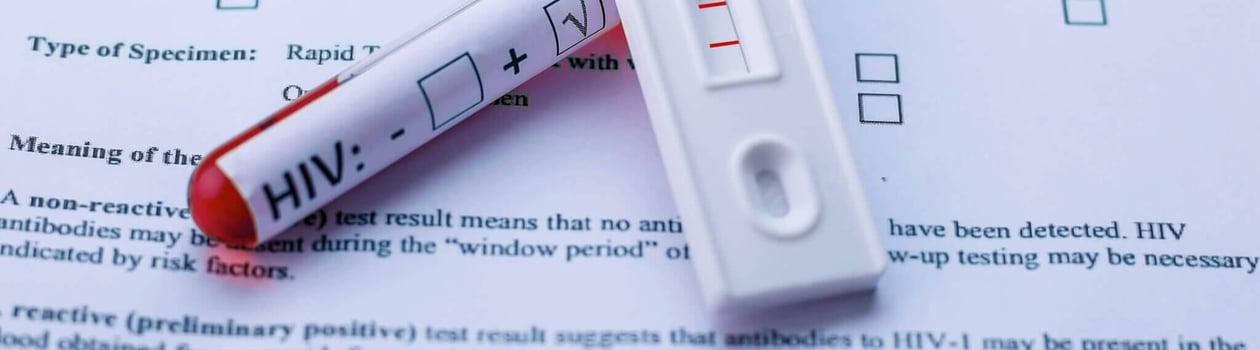
National HIV Testing Day encourages everyone to learn their HIV status. It is a straightforward idea with a big impact: when people know where they stand, they can make clearer choices about care, prevention, and peace of mind. The day spotlights testing as a normal part of health, like checking blood pressure or scheduling a routine screening, and it nudges communities to replace awkward silence with practical support.
How to Observe National HIV Testing Day
National HIV Testing Day offers a valuable opportunity to engage in activities that promote awareness and encourage testing. Here are some suggestions to consider:
Get Tested
Taking an HIV test is a crucial step in maintaining health because it replaces guessing with facts. HIV can live in the body for a long time without obvious symptoms, so feeling “fine” is not a reliable indicator. Testing is the way to know.
Many people avoid testing because they worry it will be complicated or uncomfortable. In reality, HIV testing is typically quick, private, and routine in many health settings. Depending on the type of test, it might involve a small fingerstick, a swab of the gums, or a standard blood draw. Some tests are designed to provide results during the same visit, while others may take longer and are processed through a lab.
It also helps to understand that a test result reflects a point in time. After exposure, the body needs time before a test can reliably detect HIV. This is often called the “window period.” Different tests have different window periods, so a healthcare professional can recommend the most appropriate option based on a person’s situation and timing. If a recent exposure is a concern, follow-up testing may be recommended even after an initial negative result.
For anyone nervous about privacy, it can be reassuring to ask questions up front: How will results be shared? What information will be recorded? What support is available if the result is positive? A good testing site will answer these clearly, without judgment, and will treat the experience like what it is: healthcare.
Attend Community Events
Participating in local events can enhance understanding of HIV and its impact, but it also does something less obvious and just as valuable: it makes testing feel normal. When testing is offered at a health fair, a community center, a campus event, or a clinic open house, it helps remove the “spotlight effect” that makes people feel like everyone is watching their choices.
Community events often include practical education, not just slogans. Attendees may learn how HIV is transmitted, what does and does not put someone at risk, and how prevention tools work in real life. Many events also bundle services, offering information about other sexually transmitted infection testing, vaccinations, safer sex supplies, or referrals for primary care.
These gatherings can be helpful for friends and family members, too. Someone might attend to support a partner, to learn how to talk to a teen or young adult about sexual health, or to better understand HIV in the context of modern treatment. Simply showing up, listening respectfully, and sharing accurate information can reduce stigma in ways that last well beyond a single event.
For organizers, small details can make an event more welcoming: clear signage, private spaces for counseling, staff trained in inclusive language, and easy-to-understand handouts that avoid medical jargon. When people feel respected, they are far more likely to test and to come back for care if they need it.
Promote Awareness on Social Media
Sharing information online can reach a broad audience, especially people who might not feel comfortable asking questions face to face. Posting about HIV testing works best when it is specific, calm, and practical. Overly dramatic messaging can backfire by reinforcing fear, while clear and friendly posts can make testing feel approachable.
Effective ideas include:
- A short reminder that HIV testing is a normal health step, even for people who do not think they are at risk.
- A note that testing options exist in different formats, including clinic-based tests and at-home self-tests in many places.
- A simple explanation that a negative result can open the door to prevention planning, and a positive result can open the door to effective treatment and support.
Personal stories can be powerful if shared thoughtfully and with consent. Even a brief statement like “I got tested and it was easier than I expected” can help someone else take the step. Sharing the hashtag #HIVTestingDay can also connect posts to the broader conversation, helping people find supportive messages rather than misinformation.
When posting, it helps to avoid shaming language. The goal is to widen the circle of care, not to create an “us versus them” vibe. HIV does not discriminate, and neither should a public health message.
Organize Educational Workshops
Hosting a workshop can educate others about HIV prevention and testing, and it can also provide a safe place for questions that people might be embarrassed to ask elsewhere. Workshops work well in schools, workplaces, community groups, and healthcare settings, especially when they focus on practical knowledge.
A strong workshop typically covers:
- The basics of HIV transmission and prevention, including common myths.
- What testing looks like, what results mean, and what the window period is.
- What happens after a positive result, including how treatment supports long-term health.
- What happens after a negative result, including prevention options and how to plan future testing.
Collaborating with health professionals helps ensure accuracy and creates trust. It can also be helpful to include educators, counselors, or community advocates who are experienced in stigma reduction and trauma-informed communication. People absorb more when they feel safe and respected.
Workshops do not need to feel like a lecture. Interactive elements like anonymous question cards, scenario-based discussions, or demonstrations of how to read a self-test kit’s instructions (without turning it into medical advice) can make the session more useful. Providing a list of local testing options and support services at the end can turn learning into action.
Support Local HIV Organizations
Volunteering or donating to local organizations aids their efforts in providing testing and support services, and it strengthens the network that helps people before and after a test. Many organizations do far more than testing alone. They may help clients navigate healthcare systems, access medication, find transportation to appointments, secure housing support, or connect with counseling services.
Support can take many forms:
- Volunteer time for outreach events, administrative help, or educational projects.
- Donations of funds or needed supplies, especially for programs that provide prevention materials or support groups.
- Professional skills, such as graphic design for flyers, translation support, or event planning.
Another meaningful form of support is amplifying their work. Community organizations often have strong expertise and local trust, but limited marketing reach. Sharing their announcements, inviting them to speak at an event, or encouraging a workplace to partner with them can extend their impact.
Importantly, support should respect the people these organizations serve. The best help is offered with humility, privacy awareness, and a commitment to listening. HIV work is most effective when it centers dignity.
Why Observe National HIV Testing Day
Getting tested might feel intimidating, but it is quick, simple, and can bring peace of mind. For some people, the fear is not the test itself, but the “what if” spiral that comes with uncertainty. National HIV Testing Day reframes testing as a form of self-care: a practical action that replaces vague worry with a clear next step.
Knowing one’s status opens the door to the right care. If a person tests positive, early diagnosis can make a major difference. Modern HIV treatment can help people live long, full lives, and starting care sooner supports overall health. It also helps individuals get connected to a medical team, learn what to expect, and access emotional support. For many, receiving a positive result is not the end of the story. It is the beginning of a plan.
If a person tests negative, that result can be used proactively rather than passively. It can spark a prevention conversation: Are condoms a good fit? Would someone benefit from pre-exposure prophylaxis (PrEP) if it is available to them? Are there other sexual health screenings or vaccines to consider? A negative result is not just “good news.” It is information that can guide how to stay negative.
Observing the day also helps correct common misunderstandings. HIV is not spread through casual contact like hugging, sharing meals, or using the same bathroom. Stigma often grows out of confusion about transmission and outdated assumptions about who gets HIV. Public education, paired with accessible testing, helps replace fear with facts.
National HIV Testing Day matters on a community level, too. When more people test, more people who are living with HIV can learn their status and be connected to care. That improves health outcomes and reduces the likelihood of further transmission. Testing also encourages honest conversations between partners and within social networks, making it easier to discuss boundaries, prevention, and mutual responsibility without blame.
There is also a quieter benefit: normalizing routine testing can strengthen trust in healthcare. A supportive testing experience shows people what respectful, confidential care looks like. That can ripple outward, making it more likely someone will seek help for other health needs as well.
National HIV Testing Day Timeline
FDA Licenses First HIV Antibody Blood Test
The U.S. Food and Drug Administration approves the first commercial ELISA test to detect antibodies to HIV, allowing routine screening of the blood supply and laying the foundation for widespread diagnostic testing.
Western Blot Test Approved for HIV Confirmation
The FDA approves the Western blot kit as a more specific HIV antibody test, creating a two-step process in which reactive screening tests are confirmed before a diagnosis is made.
Rapid HIV Tests Begin to Appear
Rapid HIV assays are introduced, providing results in a short visit and reducing the problem of people failing to return for lab-based results, particularly in surgical and maternity settings.
First FDA-Approved Rapid HIV-1 Test
The FDA clears Abbott-Murex’s Single Use Diagnostic System (SUDS) for HIV-1, one of the earliest rapid antibody tests that can be performed at or near the point of care.
CDC Endorses Routine, Opt-Out HIV Screening
The Centers for Disease Control and Prevention issues revised guidelines recommending routine, opt-out HIV testing for adolescents, adults, and pregnant people in health care settings, shifting testing toward a standard part of medical care.
First Over-the-Counter Home HIV Self-Test Approved
The FDA authorizes the OraQuick In-Home HIV Test, the first rapid HIV self-test available over the counter in the United States, allowing individuals to check their HIV status using oral fluid at home.
First Rapid HIV Antigen/Antibody Combo Test Authorized
The FDA approves the Alere Determine HIV-1/2 Ag/Ab Combo, the first rapid test that detects both HIV-1 p24 antigen and antibodies to HIV-1 and HIV-2, enabling earlier diagnosis at the point of care.
History of National HIV Testing Day
National HIV Testing Day started in 1995 when the National Association of People with AIDS (NAPWA) created this day to promote testing and increase awareness. The campaign’s message was direct and empowering, encouraging people to take the test and take control. At the time, HIV was still heavily stigmatized, and many people avoided testing because they feared discrimination, worried about what a positive result might mean, or assumed that only certain groups needed to be tested.
In the mid-1990s, HIV education had already saved lives, but a gap remained between information and action. People might have heard about HIV in the news, at school, or through public campaigns, yet still felt unsure about how to get tested or what would happen afterward. National HIV Testing Day was designed to bridge that gap by pushing testing into the public conversation and by encouraging health systems and community organizations to make testing more visible and accessible.
Over time, the observance gained additional support from major public health partners and became a widely recognized national effort. That support helped reinforce a key idea: testing is not only a personal decision, it is also a public health strategy. The more testing is normalized, the easier it becomes for individuals to seek care early and for communities to reduce new transmissions.
The context around HIV testing has evolved dramatically since the day was established. Testing technology has improved, with options that can provide results more quickly and expand access beyond traditional clinic settings. At-home self-tests have also helped some people take the first step privately, which can be especially important for those who are uncomfortable discussing sexual health in person.
Treatment has advanced as well. HIV is now widely viewed as a manageable chronic condition when diagnosed and treated, rather than the near-certain fatal diagnosis many people once feared. That shift has changed the emotional landscape of testing. While a positive result can still be life-altering, it also comes with a clearer pathway: confirmatory testing, linkage to medical care, and effective treatment options.
National HIV Testing Day has continued to grow not because the message is flashy, but because it remains useful. It reminds health organizations to offer services without judgment, it reminds communities to talk openly about prevention, and it reminds individuals that one of the most powerful health choices is simply to know.
Facts About National HIV Testing Day
From Blood Screening to Personal Diagnosis
The very first licensed HIV test, introduced in 1985, was designed to protect the blood supply rather than to diagnose individuals.
It used an enzyme-linked immunosorbent assay (ELISA) to detect antibodies to HIV in donated blood, and only later were similar tests widely adopted in clinics so people could learn their own HIV status.
How Newer Tests Shortened the “Window Period”
Early HIV antibody tests could miss very recent infections because the immune system had not yet produced detectable antibodies, leaving a long “window period.”
Modern fourth‑generation laboratory assays that detect both HIV antibodies and p24 antigen can identify about half of infections by roughly 18 days after exposure and 99% by about 44 days, allowing much earlier diagnosis and linkage to care.
Why Rapid Tests Changed Community Screening
Traditional ELISA testing requires laboratory equipment and usually a return visit for results, which meant many people never learned their status.
The advent of rapid HIV tests in the early 1990s made it possible to get results in about 20–30 minutes from a fingerstick or small blood sample, dramatically improving completion of testing in community clinics, outreach programs, and mobile units that serve people who might not access conventional healthcare.
Self‑Testing Helps Reach People Who Avoid Clinics
HIV self‑tests, now approved in several countries, allow people to collect a finger‑prick blood sample and read their own result at home in about 20–30 minutes.
Public health agencies view self‑testing as a way to reach people who fear stigma, worry about confidentiality, or cannot easily visit a clinic, although any reactive self‑test must still be confirmed with a laboratory test.
Millions Still Do Not Know Their HIV Status
Despite decades of progress, an estimated 40.8 million people were living with HIV worldwide in 2024, and about 5.3 million of them did not know they had the virus.
Global strategies such as the UNAIDS 95‑95‑95 targets hinge on closing this testing gap so that at least 95% of people living with HIV are aware of their status and can access treatment.
Early Treatment Dramatically Improves Outcomes
Large clinical studies have shown that starting antiretroviral therapy soon after HIV infection, when CD4 counts are still high, greatly reduces serious illness and death.
In the START trial, people who began treatment with CD4 counts above 500 cells/mm³ had a 57% lower risk of major AIDS‑related or other serious events, underscoring why timely testing and diagnosis matter so much for long‑term health.
Undetectable = Untransmittable for Sexual Transmission
Evidence from several large studies of mixed‑status couples found zero genetically linked sexual HIV transmissions when the partner living with HIV maintained an undetectable viral load on treatment.
Public health bodies interpret this to mean that people with HIV who take antiretroviral therapy as prescribed and keep their viral load below 200 copies/mL do not sexually transmit the virus, a concept summarized as “U = U” (Undetectable = Untransmittable).