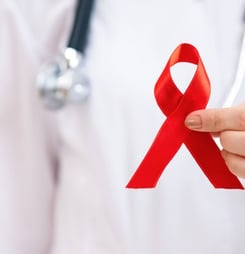

The International AIDS Candlelight Memorial brings people together under the soft glow of candles. In homes, parks, and city squares, individuals gather to remember those lost to AIDS.
The flickering lights create a shared space for reflection and unity. This event also supports those living with HIV, reminding them they are not alone. It fosters a sense of community and hope, encouraging open conversations about HIV.
Beyond remembrance, the memorial serves as a call to action. It challenges stigma and promotes awareness, urging communities to support those affected by HIV.
Through stories and shared experiences, it highlights the importance of compassion and understanding. Each candle lit is a step toward a more informed and empathetic society.
The memorial inspires ongoing efforts to combat HIV and support those impacted by it. It holds space for grief, but it also makes room for gratitude toward caregivers, health workers, researchers, advocates, friends, and family members who have stood beside people living with HIV through decades of change.
How to Celebrate International AIDS Candlelight Memorial
The International AIDS Candlelight Memorial offers many ways to participate meaningfully. Whether alone or with others, your actions can honor lives and spread awareness. The most meaningful gatherings tend to balance remembrance with practical support, making the evening both tender and useful.
Light a Candle at Home
Create a quiet moment by lighting a candle in your space. Reflect on those affected by HIV and AIDS. This simple gesture connects you to a wider community that remembers and supports one another.
To make the moment more meaningful, place a photograph, a flower, or a handwritten note with a name or message nearby. Some people choose to read a poem, play a song that reminds them of someone they miss, or sit quietly for a few minutes, focusing on their breath.
If safety is a concern, an LED candle can serve the same purpose. The focus is not the flame itself, but the intention behind it: a visible reminder that someone is remembered and that people living with HIV deserve compassion without judgment.
If you are marking the memorial at home, you might invite a gentle conversation. A simple question like “What do you wish more people understood about HIV?” can encourage empathy and understanding.
Share Messages Online
Use social media to share supportive messages or stories. Add hashtags like #AIDSCandlelightMemorial to take part in the global conversation. Your words can inform and inspire others.
Messages are most effective when they are thoughtful, respectful, and grounded in dignity. Instead of focusing on shocking statistics or dramatic language, highlight encouragement, solidarity, and clear, accurate information. Some ideas include:
- Share a memory of someone who influenced your understanding of kindness, creativity, or resilience.
- Emphasize the importance of HIV testing and routine sexual health care as normal parts of overall well-being.
- Remind others that stigma can be just as damaging as the virus, as it discourages people from seeking testing, treatment, and support.
- Post simple ways to support someone living with HIV: listening, respecting privacy, and keeping personal health information confidential.
If you share personal stories, always consider consent. Do not reveal someone’s HIV status unless they have clearly chosen to make it public. The memorial is about visibility, but also about safety.
Attend a Local Vigil
Search for community events or vigils near you. Being there in person builds a sense of connection and raises awareness locally. These gatherings often include speeches, music, and shared moments of remembrance.
Vigils can take many forms. Some are quiet and reflective, with candle lighting and moments of silence. Others may include reading names, community choirs, drumming, or talks from advocates and healthcare professionals. Many include symbolic elements like red ribbons, memory walls for messages, or group walks through neighborhoods or parks.
If you are attending for the first time, it can help to come prepared: bring a candle or battery light if requested, wear something comfortable, and be open to a range of emotions. These spaces welcome everyone, including those who have not personally known someone with HIV but want to stand against stigma. Simply being present, listening, and respecting the flow of the event is already meaningful.
Educate Yourself and Others
Take time to understand HIV prevention and treatment. Share accurate information with those around you. Knowledge plays a key role in reducing stigma and misinformation.
A good starting point is understanding commonly confused terms. HIV is a virus that affects the immune system. AIDS is a later stage that can develop if HIV is untreated and the immune system becomes severely weakened.
Today, with consistent care, many people living with HIV can reach an undetectable viral load, which protects their health and prevents sexual transmission. This has helped shift the narrative from fear to facts and encouraged more people to seek care early.
Prevention includes more than many realize. It can involve condoms, regular testing, using sterile equipment, and medical options like pre-exposure prophylaxis (PrEP) and post-exposure prophylaxis (PEP). Education does not have to feel like a lecture. It can be as simple as correcting a myth or encouraging friends to view sexual health checkups as normal and responsible.
Language also matters. Avoid expressions that suggest blame or “cleanliness.” Use people-first language and focus on support, health, and respect.
Support Relevant Organizations
Consider supporting organizations involved in HIV research, care, or advocacy. Your help contributes to ongoing efforts to fight the epidemic and assist those affected.
Support does not have to be financial. Volunteering your time or skills can be equally valuable. This might include helping design community materials, offering transport to medical appointments, assisting with childcare, or providing meals for someone managing health challenges.
Choosing where to contribute becomes easier when you consider the needs connected to HIV. Some groups focus on education and testing, others on housing, mental health, legal support, or navigating healthcare systems. Many also work on reducing stigma by training workplaces, schools, and healthcare providers to treat people living with HIV with respect and confidentiality.
Even small, consistent acts of support can make a difference, especially when they reduce feelings of isolation. The candlelight of the memorial can be the beginning of ongoing care and awareness.
International AIDS Candlelight Memorial Timeline
First Recognized Cases of AIDS Reported
The U.S. Centers for Disease Control and Prevention publishes a report describing unusual pneumonia in five previously healthy gay men in Los Angeles, marking the first official recognition of what would later be known as AIDS and prompting wider medical investigation.
Discovery of the Virus That Causes AIDS
Researchers at the Pasteur Institute in France isolate a new retrovirus, later named human immunodeficiency virus (HIV), providing crucial evidence that a specific virus is responsible for AIDS and paving the way for blood tests and targeted research.
First Antiretroviral Drug AZT Approved
The U.S. Food and Drug Administration approves zidovudine (AZT) as the first antiretroviral medication for AIDS, offering a limited but important treatment option and signaling the start of an era in which HIV could be medically managed.
AIDS Memorial Quilt Unveiled in Washington, DC
The NAMES Project AIDS Memorial Quilt was first displayed on the National Mall, with thousands of panels honoring people who died of AIDS, turning personal grief into a powerful public act of remembrance and education about the human toll of the epidemic.
Introduction of Highly Active Antiretroviral Therapy (HAART)
Potent combination antiretroviral therapy, often called HAART, becomes standard in many countries and leads to sharp declines in AIDS-related deaths, helping transform HIV infection from a frequently fatal illness into a chronic, more manageable condition for those with access to care.
History of the International AIDS Candlelight Memorial
The International AIDS Candlelight Memorial began in 1983. It started in San Francisco and New York. At that time, HIV was new and widely misunderstood. Fear and confusion spread quickly.
In the early years of the epidemic, communities watched friends, partners, colleagues, and neighbors become ill while public understanding lagged behind reality. Misconceptions about transmission led to panic.
Many people experienced rejection, workplace discrimination, and poor treatment in healthcare settings when they needed support most. At the same time, activists, caregivers, and community groups stepped in to provide help, demand compassion, and ensure that those affected were recognized as individuals, not statistics.
A small group of friends living with HIV decided to take action. They created a space where people could mourn together. The first memorials were quiet and deeply personal.
That quiet held significance. During a time when many deaths were not openly acknowledged and grief was often hidden, candlelight offered a way to be seen without confrontation. A candle in a window, carried in a vigil, or placed in a park sent a simple but powerful message: someone is missing, and someone is loved.
Candles illuminated homes and public spaces as symbols of care and support. These early gatherings helped people feel less alone and gave communities a way to remember those who had passed.
They also created a shared space for grief. Many attendees carried multiple losses, friends, community members, caregivers, and mentors. The memorial allowed people to speak names, hold hands, and acknowledge those providing care, organizing support, and standing against discrimination.
As time passed, the memorial spread beyond the United States. Communities around the world began to take part, turning a small initiative into a global tradition.
As it expanded, the memorial adapted to different cultures while keeping its core purpose: remembrance combined with action. In some places, the focus included education and testing, connecting people with healthcare services. In others, it emphasized visibility and human rights, particularly where stigma or discrimination made openness difficult. Candlelight, both simple and symbolic, became a universal expression of remembrance and solidarity.
Over time, the broader understanding of HIV also evolved. Medical advancements transformed it from a devastating diagnosis into a manageable condition with proper care. Antiretroviral therapy has saved many lives and improved the quality of life.
However, access remains uneven. Barriers such as cost, distance, misinformation, and stigma still prevent people from receiving care. The memorial continues to highlight these challenges, reminding communities that progress exists, but work continues.
Today, the Global Network of People Living with HIV leads the effort.
This leadership is important because it centers the voices of those directly affected. It shifts the tone from sympathy to informed understanding, grounded in lived experience, dignity, and practical support. Local organizers shape events to reflect their communities, creating spaces that feel inclusive and supportive.
This network works with organizers worldwide to host events. Each memorial provides a chance to reflect, speak out, and learn. It is not only about grief, but also about resilience, love, and unity.
The memorial carries a clear message: those affected by HIV are not forgotten. This includes those who have died, those living with HIV, and the caregivers and advocates who continue to support communities. Candlelight gatherings honor both loss and life, highlighting stories of connection, creativity, and care.
Together, communities remember the past while working toward a healthier, more informed future. The candles continue to shine, reflecting the ongoing commitment to awareness and support.
In this way, the memorial serves as both a reflection and a guide. It shows the reality of loss and stigma, while pointing toward meaningful responses: learn the facts, communicate with care, support access to treatment and prevention, and treat people living with HIV with dignity. A candle cannot change the past, but it can illuminate the path forward.
Understanding HIV: Origins, Impact, and Progress
HIV has shaped global health for decades, from its silent spread before it was even identified to the major medical breakthroughs that transformed it from a fatal diagnosis into a manageable condition.
These facts highlight how the virus emerged, how it affects the body, and how science and awareness have changed the course of the epidemic.
Silent Spread Before HIV Had a Name
Retrospective studies of stored blood samples show that HIV was circulating in humans for decades before it was recognized in the early 1980s, with the earliest confirmed HIV-1 sample dating back to 1959 in what is now the Democratic Republic of the Congo.
Genetic analyses suggest the virus likely crossed from chimpanzees to humans in Central Africa around the early 20th century, then slowly spread along trade and migration routes before emerging as a recognized global health crisis.
How HIV Attacks the Immune System
HIV specifically targets CD4 T lymphocytes, the “helper” cells that coordinate immune responses, by binding to the CD4 receptor and coreceptors on their surface.
Once inside, the virus uses an enzyme called reverse transcriptase to turn its RNA into DNA and integrate into the host genome, gradually depleting CD4 cells and leaving the body vulnerable to opportunistic infections and certain cancers that define AIDS.
From a Fatal Diagnosis to Chronic Management
When doctors first identified AIDS in 1981, there were no effective treatments, and diagnosis was often seen as a near-certain death sentence.
The introduction of combination antiretroviral therapy in 1996 dramatically changed outcomes, and by 2022, the World Health Organization reported that antiretroviral treatment had averted an estimated 20.8 million AIDS-related deaths worldwide since its scale-up in the early 2000s.
The Global Epicenter in Sub-Saharan Africa
Sub-Saharan Africa remains the region most heavily affected by HIV, accounting for roughly two-thirds of all people living with the virus worldwide despite having about 14% of the global population.
Eastern and Southern Africa alone had an estimated 20.8 million people living with HIV in 2022, but expanded access to antiretroviral therapy has helped reduce AIDS-related deaths in the region by nearly half since 2010.
Legal Stigma Still Shapes People’s Lives
HIV-related stigma is reinforced by laws in many countries that criminalize HIV exposure, non-disclosure, or transmission, often even when no intent to harm is proven.
UNAIDS reports that as of 2023, at least 134 countries had adopted such HIV-specific or HIV-relevant criminal laws, which public health experts say can discourage people from getting tested or accessing treatment and undermine efforts to control the epidemic.
Prevention Pill and “Undetectable = Untransmittable.”
Daily pre-exposure prophylaxis (PrEP), a medication regimen for HIV-negative people, can reduce the risk of acquiring HIV from sex by about 99% when taken consistently.
For those living with HIV, successful antiretroviral therapy can suppress the virus to “undetectable” levels in the blood, and large studies have shown that people who maintain an undetectable viral load do not sexually transmit HIV to their partners, a concept summarized as “U=U.”
The Hidden Burden on Women and Girls
Globally, women and girls, particularly in sub-Saharan Africa, face a disproportionate HIV burden due to a combination of biological vulnerability, gender inequality, and limited access to education and healthcare.
In 2022, adolescent girls and young women aged 15–24 were estimated to account for more than three-quarters of new HIV infections among young people in sub-Saharan Africa, despite representing only a minority of that age group’s population.