Skip to content

Necrotizing Fasciitis Awareness Day shines a light on a frightening, fast-moving infection that most people have only heard about in passing, often under the sensational nickname “flesh-eating disease.”

The reality is more complicated and, in a way, more useful to understand: necrotizing fasciitis is rare, but it is a true medical emergency where speed matters. The point of awareness is not to make everyday cuts feel scary. It is to help people recognize when something is wildly not normal and to get help quickly.

Necrotizing fasciitis can begin after bacteria enter through a break in the skin, sometimes from an obvious injury and sometimes from something so small it barely registers. Once established, the infection can damage tissue rapidly and can spread beyond what the skin surface seems to show.

It often escalates so quickly that hours can matter, which is why education tends to focus on early warning signs and the importance of urgent evaluation.

The condition is treatable, especially when caught early, but it usually requires aggressive care. That can include emergency surgery to remove damaged tissue, strong antibiotics, and intensive monitoring.

Survivors often face a long road of recovery, which can involve additional surgeries, wound care, rehabilitation, and emotional support. Awareness day messaging helps connect the dots: prompt action can reduce the chance of severe complications, and supportive communities can make recovery less isolating.

This day reminds everyone how crucial it is to recognize the warning signs early. Knowledge can save lives. One of the most repeated red flags is pain that feels extreme compared with what the injury looks like. Another is rapid change, such as swelling that expands quickly, skin that becomes unusually warm and tender, or a fever and chills that arrive unexpectedly.

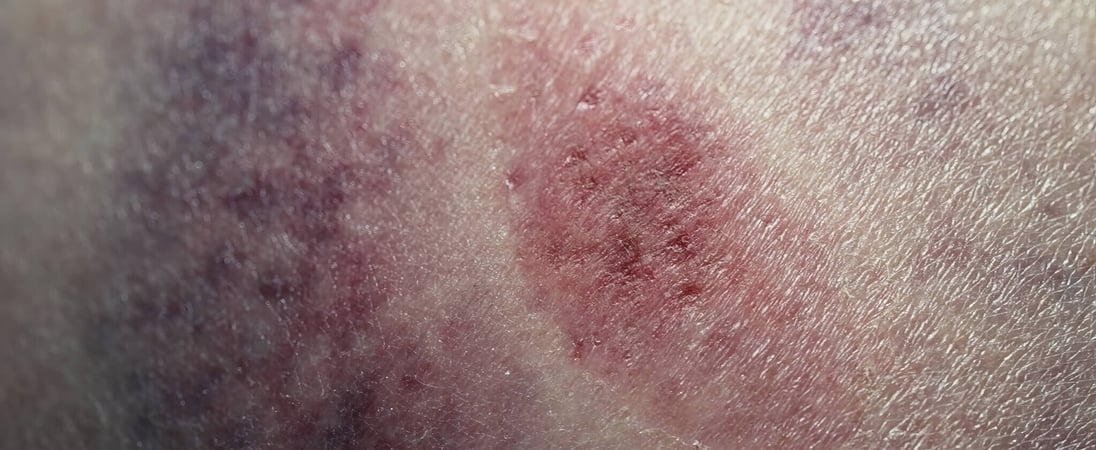
In some cases, the skin can change color from red to purple or gray, blisters can form, or the area can become numb as nerves are damaged. Any combination of severe pain, rapidly worsening symptoms, and systemic illness is worth urgent medical attention.

Raising awareness helps more people spot the danger before it’s too late. No one expects an ordinary wound to turn serious, and most wounds never will. But knowing what “not normal” looks and feels like can shorten the time between first symptoms and treatment. That window can be the difference between a close call and a life-altering outcome.

How to Observe Necrotizing Fasciitis Awareness Day

Necrotizing Fasciitis Awareness Day offers an opportunity to educate and engage communities about this serious infection. Here are some meaningful ways to participate:​

Educate Yourself and Others

Start with the basics, because clear, accurate information is the most practical tool this day offers. Necrotizing fasciitis is an infection of the soft tissue beneath the skin, including the fascia, that causes tissue death. It is rare, but it progresses quickly and can make people extremely ill. It is not a single “mystery germ.” It can be caused by different bacteria, and sometimes by a mix of bacteria working together.

Learning the general warning signs makes the information usable. Many public health messages focus on:

  • Severe pain that seems out of proportion to the appearance of the wound
  • Rapid swelling, redness, and warmth that spreads
  • Fever, chills, fatigue, or a “very sick” feeling that comes on fast
  • Skin changes such as discoloration, blistering, or an area that becomes unusually firm
  • Confusion or dizziness in severe cases, which can signal widespread infection

It also helps to understand what awareness does not mean. It does not mean every rash is necrotizing fasciitis, and it does not mean a person can diagnose it at home. It means recognizing patterns that deserve urgent care rather than watchful waiting.

Sharing this with friends, family, teams, and workplaces can be done without fear-based messaging: “Most wounds are fine, but if pain is extreme and things worsen quickly, get checked right away.”

For those who want to go a step deeper, learning the basics of treatment is enlightening. Many people assume antibiotics alone solve most infections. With necrotizing fasciitis, surgery is often the lifesaving step, because removing dead and infected tissue helps stop the spread and allows antibiotics to work more effectively. That urgency is exactly why early action is emphasized so strongly.

Support Affected Individuals

Support can look surprisingly simple, and simple is often best. People who have survived necrotizing fasciitis may have scars, mobility challenges, nerve pain, amputations, or the ongoing demands of wound care and physical therapy. They may also carry the psychological weight of a sudden, near-fatal illness, which can include anxiety, sleep disruption, or trauma responses.

Practical support could include:

  • Offering rides to appointments or help with errands during recovery
  • Providing meals, childcare help, or a flexible work schedule when possible
  • Asking what kind of support is preferred rather than guessing
  • Listening without trying to “fix” the experience with quick optimism

It is also worth remembering caregivers. Family and friends who helped manage hospital stays, surgery decisions, and recovery schedules often need support too. Awareness day is a good prompt for compassionate check-ins, especially for people who may feel that everyone else has moved on while their recovery continues.

Participate in Awareness Events

Awareness events vary widely. Some are educational talks. Some are community fundraisers. Some are online gatherings centered around survivor stories. The most meaningful events tend to do two things at once: they teach actionable warning signs and they humanize the condition beyond the headline-friendly nickname.

Participation can be as active or quiet as someone prefers. Attending a lecture or webinar can sharpen understanding. Volunteering to help coordinate a local event can expand its reach. If a community organization hosts a health and safety day, this condition can be included as part of a broader theme like wound care, infection prevention, and when to seek urgent care.

Those with a professional background in healthcare, emergency response, athletics, or outdoor recreation can offer especially useful contributions. Coaches, trainers, and group leaders often deal with minor injuries routinely. Adding a short, calm reminder about red flags and proper wound care can help make safety practices feel normal rather than alarming.

Promote Preventive Measures

Prevention messaging works best when it stays grounded in everyday habits. Necrotizing fasciitis is rare, so prevention is not about special products or elaborate routines. It is about reducing the chance that bacteria enter and take hold in a wound, and about noticing when healing is not following a normal path.

Helpful, widely applicable preventive steps include:

  • Cleaning cuts and scrapes with clean running water and mild soap
  • Covering open areas with a clean bandage and changing it as needed
  • Keeping an eye on wounds that are deep, dirty, or slow to heal
  • Seeking medical advice for puncture wounds, significant burns, or animal bites
  • Taking worsening symptoms seriously, especially spreading redness, severe pain, or fever

Risk is not evenly distributed, and awareness day is a time to discuss that without stigma. People with diabetes, chronic liver or kidney disease, weakened immune systems, or poor circulation can be more vulnerable to serious skin and soft tissue infections in general. That does not mean they should live in fear. It means they may benefit from being extra attentive to wound care, foot care, and early evaluation when something seems off.

It also helps to correct common misconceptions. Necrotizing fasciitis is sometimes linked in the public imagination only to dramatic injuries. In reality, it can start from minor skin breaks, including surgical incisions or skin conditions that create openings. Prevention, therefore, is less about avoiding one specific scenario and more about consistent care and prompt attention to unusual symptoms.

Utilize Social Media Platforms

Social media can spread information quickly, which is both the opportunity and the hazard. The most helpful posts are clear, calm, and specific. They avoid graphic imagery and avoid implying that necrotizing fasciitis is common. The goal is informed vigilance, not panic.

Useful content to share includes:

  • A short list of warning signs, especially “pain out of proportion” and rapid progression
  • A reminder that it is rare but urgent
  • Encouragement to seek medical care quickly for severe, rapidly worsening symptoms
  • Survivor perspectives that focus on recognizing symptoms and the importance of timely treatment

Personal stories can be powerful because they illustrate how quickly the situation can change. When sharing stories, it helps to prioritize dignity and accuracy. Avoid turning survivors into cautionary tales. Instead, highlight what helped: early recognition, a clinician who took symptoms seriously, access to emergency care, and support during recovery.

Professionals can also help by modeling responsible language. Calling it “flesh-eating bacteria” may grab attention, but it can distort understanding. A more accurate approach is to say it is a rapidly spreading soft tissue infection that requires emergency treatment. That framing still communicates urgency without sensationalism.

Necrotizing Fasciitis Awareness Day Timeline

  1. Early Accounts of Rapidly Spreading Soft-Tissue Infections

    Hippocrates describes a fulminant infection with severe pain, swelling, skin discoloration, and tissue death that closely resembles what is now recognized as necrotizing fasciitis.


  2. Civil War Surgeons Document “Hospital Gangrene”

    During the American Civil War, surgeon Joseph Jones and others published detailed reports on “hospital gangrene,” a devastating wound infection with rapid tissue destruction that anticipates modern descriptions of necrotizing fasciitis.


  3. Meleney Describes Hemolytic Streptococcal Gangrene

    New York surgeon Frank L. Meleney publishes a classic description of hemolytic streptococcal gangrene of the abdominal wall, clearly defining a rapidly spreading fascial infection requiring prompt surgical treatment.


  4. Wilson Coined the Term “Necrotizing Fasciitis”

    Wilson formally introduced the name “necrotizing fasciitis” in a medical journal, emphasizing the infection’s predilection for the fascia and helping to distinguish it from other soft-tissue infections.


  5. Antibiotics Transform Management of Severe Soft-Tissue Infections

    The introduction and growing use of penicillin and other antibiotics against streptococcal and polymicrobial infections significantly improved survival for patients with necrotizing soft-tissue infections when combined with surgery.


  6. Rise in Recognized Group A Streptococcal Necrotizing Fasciitis

    Clinicians report an increase in severe invasive Group A Streptococcus infections, including necrotizing fasciitis, prompting public health investigations and standardized treatment recommendations.


  7. IDSA Issues Guidelines for Skin and Soft Tissue Infections

    The Infectious Diseases Society of America publishes updated clinical guidelines that include diagnostic criteria and aggressive management strategies for necrotizing fasciitis, reinforcing early surgery and broad-spectrum antibiotics.


History of Necrotizing Fasciitis Awareness Day

Necrotizing Fasciitis Awareness Day officially began in 2017. It was driven by the efforts of a survivor, Tim Hayden, who turned a personal crisis into a public education mission. Survivors of necrotizing fasciitis often describe the experience as a sudden collision with an illness they had barely heard of, followed by complex recovery.

That “I wish I had known sooner” feeling is a powerful motivator for awareness work, and it shaped the purpose of this day from the start.

After experiencing the life-threatening effects of necrotizing fasciitis, Hayden focused on helping others understand what the condition is and why speed matters.

In 2016, he started a support group for those affected, creating a space where survivors and families could compare notes, share resources, and find people who truly understood the strange mix of gratitude, grief, and exhaustion that can follow survival.

The following year, he launched a foundation dedicated to raising awareness and providing resources for patients and families. Foundations formed around rare but severe conditions often have a practical mission: improve public recognition of early signs, encourage rapid medical evaluation, and provide peer support to people navigating recovery.

In the case of necrotizing fasciitis, awareness can directly affect outcomes because the infection can advance quickly and the definitive treatment frequently includes urgent surgical intervention.

That same year, Michigan’s Governor Rick Snyder recognized the importance of this cause and declared a day dedicated to spreading information and encouraging early detection. Official recognition helped move the message beyond personal networks and into broader community conversation.

Awareness efforts tend to gain traction when they are shared by survivors, clinicians, emergency responders, and public leaders working toward the same plain goal: shorten the time between “something feels wrong” and “a medical team is evaluating it.”

As the idea spread, other states also acknowledged the value of public education on this issue. The growth of the day reflects a common pattern in health awareness movements: one person’s experience becomes a support group, then a greater effort, and eventually a recurring day that helps keep accurate information circulating.

Each additional proclamation, community event, or educational campaign increases the chance that someone will recognize a red flag early, or that a friend or family member will urge quick medical care.

Today, this awareness day continues to grow through shared experiences, medical guidance, and community support. Survivors often speak about the importance of being believed when pain is severe, symptoms are escalating, and the wound looks deceptively minor.

Clinicians emphasize that necrotizing fasciitis is uncommon, but when it does occur, it should be treated with urgency. Supporters amplify the central message in a way that is both serious and empowering: most injuries heal normally, but when pain is extreme, changes are rapid, and the body seems to be getting sick fast, immediate medical attention is the safest move.

The goal remains steady: help people recognize concerning symptoms early, encourage prompt evaluation, and remind survivors and families that they are not alone. In a condition where time is so important, the simplest form of awareness, knowing when to act, can be lifesaving.

Necrotizing Fasciitis: Hidden Origins and Critical Facts You Should Know

Understanding necrotizing fasciitis means looking beyond the headlines and into its history, risks, and causes.

From its first detailed observations in 19th-century battlefields to its modern-day classification as a rare but highly dangerous infection, these facts highlight how complex, fast-moving, and often misunderstood this condition truly is.

  • Hidden Origins in 19th-Century Battlefields

    What is now called necrotizing fasciitis was first described in detail during the U.S. Civil War, when Confederate surgeon Joseph Jones documented over 2,600 cases of rapidly spreading “hospital gangrene” with mortality near 45 percent.

    Although bacteria were not yet understood, his observations of how quickly the infection destroyed tissue laid the groundwork for later recognition of necrotizing soft tissue infections as a distinct, life‑threatening condition. 

  • A Rare Disease with High Fatality

    Necrotizing fasciitis is considered rare, with estimates in developed countries generally under 1 case per 100,000 people per year, yet reported mortality often ranges from 20 to 30 percent even with modern treatment.

    Outcomes vary by patient age, underlying illnesses, and how quickly surgery is performed, but the combination of low incidence and high fatality is one reason it is tracked closely by infectious disease specialists. 

  • Group A Strep Is Not the Only Culprit

    Many people associate necrotizing fasciitis solely with group A Streptococcus, but clinicians recognize several distinct types of the disease, including polymicrobial infections involving a mix of aerobic and anaerobic bacteria, as well as cases caused by organisms such as Vibrio vulnificus, Aeromonas hydrophila, and community-acquired MRSA.

    The type of pathogen involved often relates to how the infection began, such as traumatic injury, surgery, or exposure to warm seawater. 

  • Warm Coastal Waters and “Flesh‑Eating” Vibrio

    In some coastal regions, severe necrotizing soft tissue infections are linked to Vibrio vulnificus, a marine bacterium that thrives in warm, brackish water.

    Infection can follow exposure of an open wound to seawater or handling raw seafood, and U.S. surveillance data show that Vibrio wound infections, while rare, have among the highest case-fatality rates of any foodborne pathogen tracked by the Centers for Disease Control and Prevention. 

  • Diabetes and Other Conditions Sharply Raise Risk

    Underlying health problems significantly influence who develops necrotizing fasciitis.

    Studies have found that diabetes, peripheral vascular disease, chronic kidney disease, liver cirrhosis, and immune suppression increase both the likelihood of infection and the chance of poor outcomes.

    Poor blood supply and impaired immune responses in these conditions make it harder for the body to contain bacteria once they enter through even small skin breaks. 

  • Why Early Surgery Changes Survival Odds

    While broad‑spectrum intravenous antibiotics are essential, survival largely hinges on how quickly surgeons remove dead and infected tissue.

    Analyses of hospital data have shown that surgical debridement within the first 12 to 24 hours after admission is associated with significantly lower mortality than delayed operations, reflecting how rapidly the infection spreads along the fascia between skin and muscle. 

  • A Distinctive Pain Pattern Helps Clinicians Spot Cases

    Clinicians are trained to look for “pain out of proportion” to the appearance of the wound as a key early clue of necrotizing fasciitis.

    While redness and swelling may seem modest at first, patients often report extreme, deep, and rapidly escalating pain.

    This mismatch between visible skin changes and the intensity of discomfort is considered a red flag that the infection is tracking along deeper fascial planes rather than remaining confined to the surface. 

Necrotizing Fasciitis Awareness Day FAQs

You may also like

Jump to main navigationJump to content