National Old Maids Day
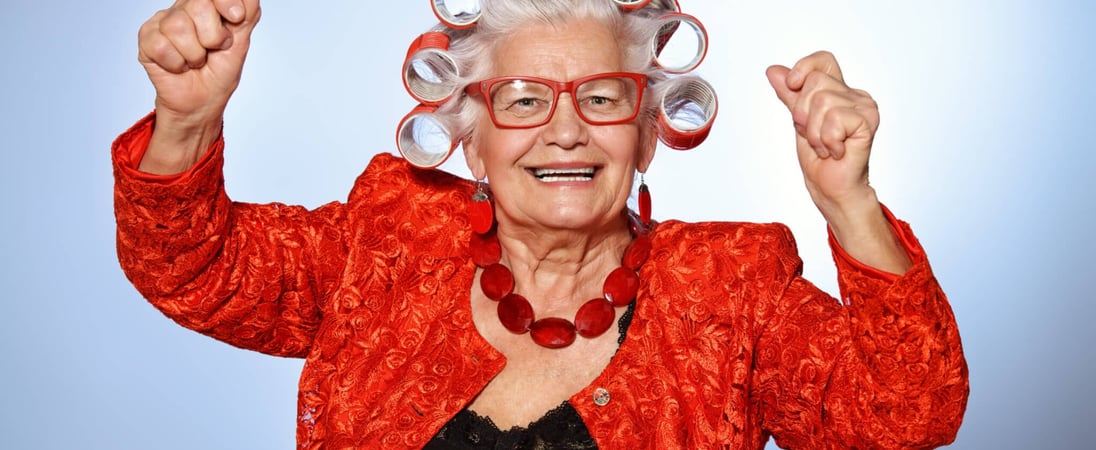
Spinsters around the world revel in your freedom. Though originally a day to try and find a husband, Old Maid’s Day is now an opportunity to appreciate the lack of one.
National Old Maids Day is a special day that shines a spotlight on unmarried and childless women.
The day originated in the middle of the 20th century to give recognition to childless, unmarried women. Richards initiated the first Old Maids Day to acknowledge their contributions to society, aiming to elevate its significance to that of Mother’s Day!
How to Celebrate National Old Maids Day
Throw a Theme Party: Gather your friends for an “Old Maids” themed bash. Think outside the box with decorations, games, and music celebrating independence and joy.
Cake Baking Contest: Who doesn’t love cake? Host a baking contest where each participant designs their own “Single and Fabulous” themed cake. Sweetness and creativity abound!
Craft a Self-Love Jar: Encourage everyone to write down things they love about themselves on slips of paper. Fill jars and swap them as gifts of affirmation.
Old Maids Movie Marathon: Pick films celebrating single life or strong, independent women. Pop some popcorn and enjoy a night in with your best pals.
Host a Card Game Night: This is not just about any cards, but specifically the Old Maid card game. Bring a playful spirit and maybe a prize for the winner!
Outdoor Adventure: Plan a day trip or a picnic in the park. Celebrate freedom and the beauty of nature with good company.
DIY Spa Day: Pamper yourself and your friends with homemade face masks, scrubs, and a bit of relaxation. Celebrate self-care and the joy of quiet moments.
Create an Inspirational Women Gallery: Everyone brings a photo or story of a woman they admire. Share stories and celebrate the achievements of remarkable women throughout history.
Why Celebrate National Old Maids Day
This day recognizes the historical challenges faced by women who remained unmarried past what was once considered the marriageable age and celebrates their resilience, contributions, and existence against societal pressures.
In the past, the term “old maid” had a derogatory meaning, but today, the day is about celebrating the lives and choices of all women, whether they choose to marry or not.
Celebrations of National Old Maids Day can be quite lively, with women gathering to drink Old Maid cocktails, eat Old Maid cake, play the Old Maid card game, and listen to music that celebrates independence and spinsterhood, such as “Eleanor Rigby” by The Beatles.
It’s a day that underscores the importance of choice and the legitimacy of all life paths, challenging outdated stereotypes and celebrating the full, rich lives of women who choose not to marry.
History of National Old Maids Day
National Old Maids Day traces back to 1948, sparked by Marion Richards of Jeffersonville, Pennsylvania.
She noticed that while mothers were celebrated, unmarried and childless women often went unnoticed. Richards aimed to change that by dedicating a day to honor these women for their contributions to society, whether in schools, churches, or other community activities.
This initiative was not just about recognition; it was about challenging societal norms and celebrating women’s choices and freedoms.
The term “old maid” itself has evolved over time. Originally used in the 17th century, it referred to women who were unmarried beyond the socially accepted age. This term carried a negative connotation, implying a life incomplete without marriage or children.
However, National Old Maids Day has helped to shift this perception. The day celebrates the independence and varied contributions of single women and reminds us that personal worth and societal contributions have nothing to do with marital status.
Celebrations of National Old Maids Day can include playing themed games like Old Maids, baking cakes, or simply enjoying the company of friends and family. It’s a day that encourages reflection on how societal views have changed and continues to promote a message of self-love, acceptance, and the importance of recognizing every individual’s unique path in life.
Also on ...
View all holidays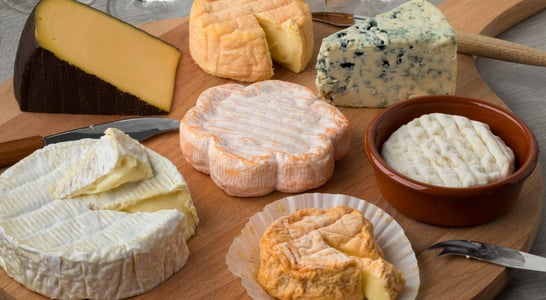
National Cheese Day
Gather friends or family and host a cheese-tasting event. With everything from gouda to comté to brie, there’s sure to be something for everyone on Cheese Day.
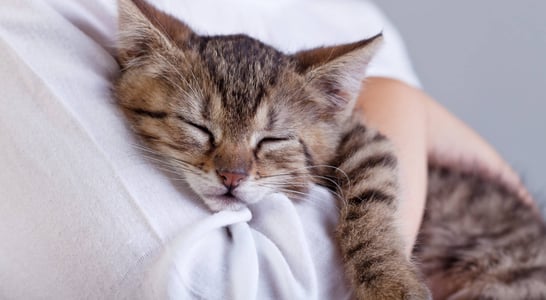
National Hug Your Cat Day
Embrace your little bundle of furry joy and take some time to appreciate them. Of course, if they don’t want to be hugged, you may need some Band-Aids.

Global Running Day
Whether you need to get back in the habit or start a new one, take the opportunity to improve your health and well-being by going for a run. Plus, it’s free!
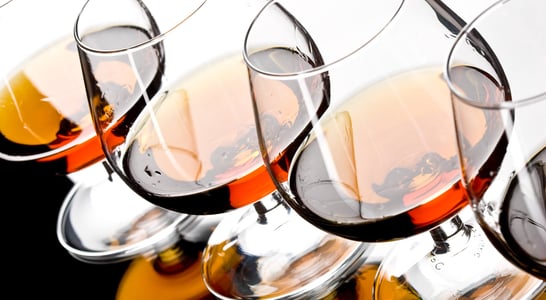
National Cognac Day
Made from wine grapes grown in a particular region of France, Cognac is actually a form of brandy. Host a tasting party and sit around in leather armchairs.
We think you may also like...

International Kissing Day
Whether it’s a peck on the cheek for a good friend or a big, romantic smooch for your significant other, shower your loved ones in kisses on Kissing Day.
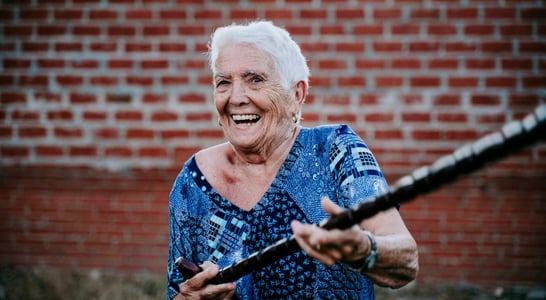
Spunky Old Broads Day
Age is just a number when it comes to these lively ladies! They've lived through it all and aren't afraid to speak their minds.
Loneliness Awareness Week
Exploring the impact of social isolation reveals profound insights into mental health, well-being, and community connections.