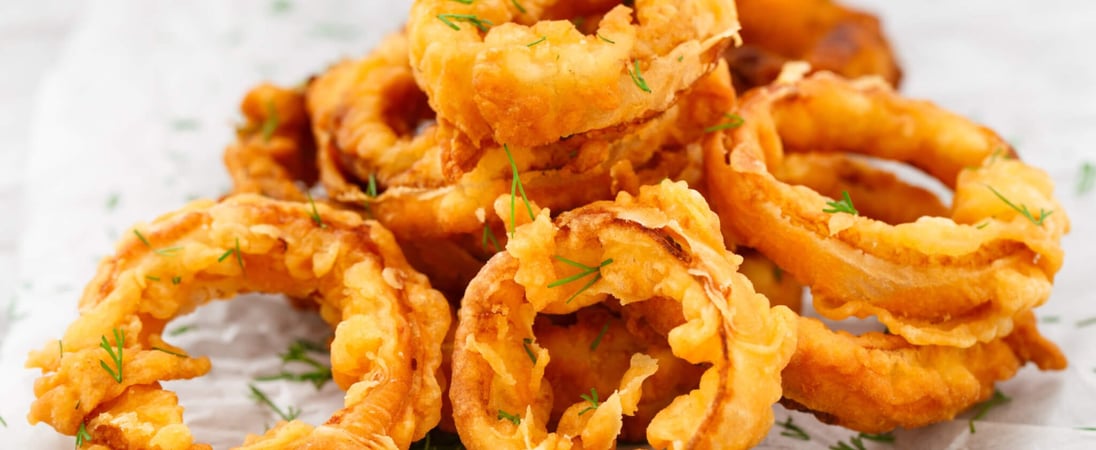
National Onion Ring Day
Crisp, fried, a bit sweet—onion rings are the fancy cousin of the French fry. Have a taste-test with various dipping sauces, or get samples from different places.
They’re rich and crisp and delicious, surprisingly sweet for a flavor so often related to being spicy and the source of tears.
But something about the process of breading them in a flavorful coating and deep-frying them in a vat of oil brings out the delicious flavors hidden inside.
They come in towers and flowers, giant-sized and tiny, and they’re a favorite at burger joints all over the world. That’s right, we’re talking about the onion rings, and National Onion Ring Day celebrates this delicious treat and its long history.
How to Celebrate National Onion Ring Day
Enjoy Some Onion Rings
National Onion Ring Day is your opportunity to get out there and enjoy your favorite deep-fried savory treat. They’re simple to make at home, and while a deep fryer is great, it isn’t essential in their preparation.
There are even baked Onion Rings if you decide to go that way, but nothing beats the original. Just heat up a pan of oil until a small drop of batter starts to sizzle when dropped in, and then carefully submerge your coated Onion Rings one by one and cook until a golden brown.
There are dozens of recipes online that you can try, and even more recipes for sauces to serve them with.
Hop Over to a Restaurant
If making onion rings isn’t your idea of fun, but you like eating them, then you can head out to any one of the dozens of restaurant chains that serves them as part of their daily menu.
While many fast-food chains offer onion rings, the best examples come from independent restaurants with proprietary recipes. It’s highly likely that you have at least one of these in your area, serving up rings in the traditional style.
Look for local diners with a long history and experienced management, as family businesses tend to be the best!
Get Creative
Some people really don’t like onions. Many won’t go near them, even if they’re covered in batter and deep-fried, but that’s okay.
You don’t have to eat onion rings, though, to celebrate National Onion Ring Day – you can branch out. Remember, onion rings were the inspiration for many of the fried snacks and sides that we enjoy today. French fries, deep-fried brie, and fried chicken are all delicious alternatives that you can try if you fancy something different.
Why Celebrate National Onion Ring Day
There are so many reasons to celebrate National Onion Ring Day! For starters, onion rings are one of the most popular snacks and have become a staple in many parts of the world.
They’re a bit like French fries, but taste even more special and delicious in some cases. You can dip them, dunk them, and eat them alongside all your favorite sandwiches and hamburgers. You can even lay them out at a buffet at parties. They’re so flexible!
Onion rings are also instructive for people looking for culinary inspiration. John Mollard – the man behind the 1802 recipe – was a genius. It took the world more than a hundred years to catch up to his vision of the perfect snack. Could you come up with a new recipe that is way ahead of its time?
Happy National Onion Ring Day!
History of National Onion Ring Day
The origin of the onion rings is actually somewhat mysterious, but we do know that in 1802 a recipe was published in ”The Art of Cookery Made Easy and Refined.”
This recipe describes a process of dipping ½” onion rings dipped into a rather flavorful mixture of flour with creams and cheeses and then boiling them in a vat of lard. Following on the heels of this was a suggestion to serve it with a sauce made of a mixture of mustard and butter.
Since then, there have been many refinements of the onion rings recipe, with a great debate existing on the proper method and what brings out the best flavor. There are hundreds of recipes involving different mixtures of batter to coat them in, different sauces to dip them in, and even the type of onions you use to prepare them.
As if that wasn’t complicated enough, there’s even a variety of onion rings that are made from an onion paste formed into a circle instead of an actual slice of onion.
If you’ve ever enjoyed these delicious treats, then National Onion Ring Day provides you with an excuse to go to your favorite source and consume onion rings until you burst.Onion rings aren’t just an invention of the western world. There’s also evidence that people experimented with the idea of covering strips of onion with batter and deep-frying them in developing countries too.
In India, for instance, merchants would often sell fried, battered onion strips as street food – a quick snack that people could munch on the go.
Some restaurants in operation today still claim to be the originators of the idea. For instance, Kirby’s Pig Stand – the famous historical restaurant chain – claims to have battered and served up the first official onion rings as far back as the 1920s. The restaurant’s location in Dallas, TX, was the first in the world to offer a drive-in service where people could collect food from the convenience of their vehicles.
In many ways, the outlet was the progenitor to the modern fast-food restaurant. The roof was red-tiled and pagoda-like in appearance, and the outer walls made heavy use of stucco to brighten the exterior.
Over the years, the company built many more outlets, but eventually, chains like McDonald’s and Taco Bell bought them up. Sadly, in 2006, the company went bankrupt, and the last restaurant closed.
National Onion Ring Day FAQs
What’s the secret to making onion rings stay crispy longer?
The trick is in the batter. Adding cornstarch or rice flour creates a drier coating that resists sogginess.
Some chefs also fry onion rings twice—first at a lower temperature to cook the onion, then at a higher temperature to crisp the outside.
Why do some onion rings have a sweeter flavor than others?
The sweetness depends on the type of onion used. Varieties like Vidalia and Maui onions are naturally sweet, especially when cooked.
Seasonal changes in onions also affect their sugar content, making some batches sweeter than others.
How are onion rings featured in competitive eating contests?
Competitive eaters love onion rings for their lightness compared to heavier fried foods.
In some events, participants consume dozens of rings in minutes. The crispy batter often makes them easier to chew quickly than other fried snacks.
Can onion rings be made vegan without sacrificing flavor?
Yes, vegan onion rings use plant-based milk and aquafaba (chickpea water) for the batter.
Coconut or almond milk adds a subtle sweetness, while nutritional yeast enhances the umami. These swaps keep the flavor rich and satisfying.
What’s the weirdest place onion rings have been served?
Onion rings have been spotted as burger toppings, in tacos, and even on pizzas.
A restaurant in Japan famously served them with green tea ice cream for a unique sweet-savory combo. The adaptability of onion rings often surprises diners.
Do onion rings have any connection to ancient cuisines?
Ancient Romans fried onion-like vegetables in dough, a precursor to modern onion rings.
This method of frying in oil dates back thousands of years. The concept evolved across cultures to become the onion rings we know today.
What’s the biggest onion ring ever made?
In 2015, a team in the UK created an onion ring weighing over 1 kilogram (about 2.2 pounds).
The enormous ring required industrial-sized frying equipment. It was displayed at a food festival and later enjoyed by attendees.
How do frozen onion rings differ from freshly made ones?
Frozen onion rings often use pre-cooked batter to maintain crispness during reheating.
Freshly made ones tend to have a fluffier coating and a more pronounced onion flavor. The choice depends on convenience versus texture and taste.
Are there any festivals celebrating onion rings?
While not as common as pie or burger festivals, some food events highlight fried snacks, including onion rings.
State fairs in the U.S. often feature onion ring cook-offs. These gatherings showcase creative recipes and innovative twists on the dish.
What makes onion rings so addictive?
The combination of crispy batter and tender onion creates a perfect texture contrast.
The rich, salty flavor hits multiple taste buds, triggering cravings. This sensory satisfaction explains why onion rings are a go-to comfort food.
Also on ...
View all holidays
National Kissing Day
When lips meet and hearts flutter, the world feels like it's spinning in slow motion, and for a moment, nothing else matters.

World Rainforest Day
Donate or volunteer your time to helping or raising awareness about how we can save the rainforests, and keep these crucial ecosystems alive.

National Chocolate Eclair Day
Try baking your own éclair, or shop around for the perfect flavor of chocolate éclair, a fried dough filled with rich, creamy sweetness and topped with chocolate.
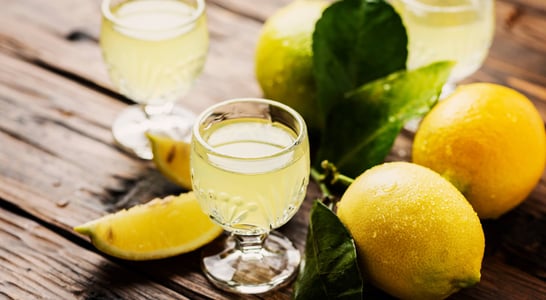
National Limoncello Day
Capturing the essence of sun-kissed citrus, this zesty liqueur unfolds a vibrant, refreshing symphony of Italian flavors.