
Join in on the fun paying respect for this refreshing Italian lemon liqueur, honoring its origins and celebrating its growth in popularity over recent years.
National Limoncello Day is here to show some love and appreciation for this delightfully spirited beverage.
How to Celebrate National Limoncello Day
Enjoy this refreshing spirited beverage and celebrate National Limoncello Day with friends and family with a variety of activities, including some of these:
Raise a Limoncello Glass
It’s time to give a toast and raise a glass in honor of this delicious citrusy drink that tastes a lot like lemon candies. National Limoncello Day could be in celebration of some challenges that have brought difficulties but have revealed a pearl at the center.
Or it could be simply enjoying and appreciating the beautiful things that life has to offer even though things can be hard sometimes.
Experiment with Limoncello Brands
For those who have a bent toward learning more about different styles and brands of alcoholic beverages, National Limoncello Day might be a great time to do so.
Check out a wide range of brands that hail from Italy and beyond, including these:
- Luxardo Limoncello by the family owned luxury gastronomy company in Padova, Italy.
- Pallini Limoncello is made by a fifth-generation family business in Italy that also makes Sambuca Romana.
- Strega Giuseppe Alberti di Sorrento Limoncello has a big name to go along with its robust flavor and grand reputation.
- Sorrento Gioia Luisa Limoncello comes from makers who have intentionally increased the ratio of lemon peel to alcohol.
National Limoncello Day Timeline
Aristotle links kindness to human flourishing
In his Nicomachean Ethics, Aristotle describes virtues like generosity and gentleness as character traits that help people live well together, laying early philosophical groundwork for valuing kind, prosocial behavior as part of a good life.
Christian teachings elevate love of neighbor
Early Christian texts emphasize loving one’s neighbor, mercy, and charity as central duties, embedding kindness toward strangers, the poor, and the vulnerable into Western moral and social life.
Moral sentiment philosophers study sympathy and benevolence
Thinkers like David Hume and Adam Smith argue that sympathy and benevolence are natural human sentiments that support moral judgment, anticipating later psychological research on empathy and everyday kindness.
Social-emotional learning emerges in schools
Educators and psychologists formalize social-emotional learning frameworks that highlight empathy, relationship skills, and responsible decision-making, helping schools treat everyday kindness as a teachable competency.
Meta-analysis finds kindness boosts well-being
A large review of experimental studies reports that doing acts of kindness reliably improves people’s well-being, providing quantitative evidence that everyday prosocial behavior benefits those who give as well as receive.
Researchers examine what feels unique about kindness
A study comparing different positive activities finds that kind acts for others increase feelings of meaning, competence, self-confidence, and connection more than many other behaviors, clarifying how kindness shapes inner experience.
Researchers examine what feels unique about kindness
A study comparing different positive activities finds that kind acts for others increase feelings of meaning, competence, self-confidence, and connection more than many other behaviors, clarifying how kindness shapes inner experience.
Evidence links prosocial acts to health and longevity
Public health syntheses report that regular helping behaviors like volunteering are associated with better mental health, reduced loneliness, and even lower mortality risk, reinforcing kindness as a practical path to long-term well-being.
History of National Limoncello Day
Limoncello has a background that dates back to the early 1900s where it was created in Italy. Its origins are fuzzy, but in one story the credit goes to a woman named Maria Antonia Farace who cared for a garden of citrus fruits.
Her nephew opened a bar after the war, using her recipe, and that nephew’s son was the one who received the first registered trademark for “Limoncello” in 1988.
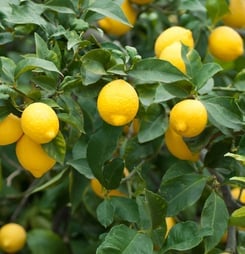
Using fresh lemons from Sorrento that are harvested by hand to avoid them touching the ground, the process for making limoncello requires precision and care. And the results are absolutely worth it. Limoncello can be served straight from the freezer or used in various cocktail recipes.
National Limoncello Day got its start in 2018 when it was founded by Marie Barber. The story behind the day can be followed back to June 22, 2017 when Marie and her husband were facing extremely challenging circumstances but through a conversation over dinner they turned the situation into something beautiful.
And so they celebrated after dinner with limoncello, with an eye for “turning lemons into limoncello”, which seemed like just the right way to make a toast to making something positive out of something difficult.
Since that time, National Limoncello Day has been celebrated each year with an eye for raising a glass to making limoncello out of lemons!
National Limoncello Day FAQs
For similar celebrations and events, enjoy observing National Liqueur Day in October, National Creme de Menthe Day in September, or National Kahlua Day in February.