Pecan Day
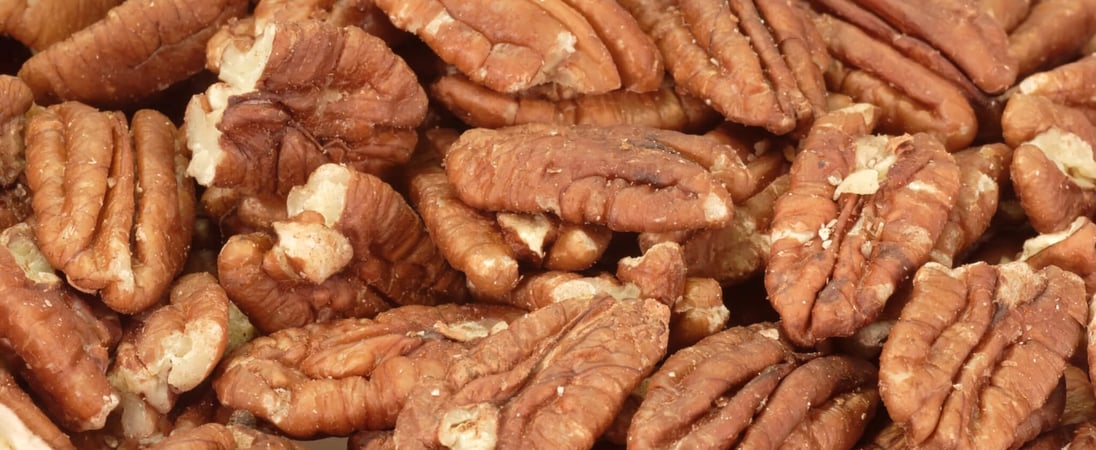
These buttery, versatile gems can be sprinkled on salads, baked into pies or cakes, or simply enjoyed as a snack.
Whether eaten on their own or included as part of a myriad of creations in the kitchen, the pecan tree yields a versatile nut that is the only naturally occurring major nut tree in North America.
While they began in the US, they have since been planted on every continent except for Antarctica. Even so, it is still estimated that 80% of the world’s supply of pecans comes from the United States.
Healthful and delicious, pecans are a treat that has an interesting history as well as a tasty future!
Pecan Day Timeline
16th century
European Encounter with Pecans
Spanish explorers in the 1500s documented Indigenous use of wild pecans along the lower Mississippi Valley and Gulf Coast, noting their value as a staple food and trade commodity.
1772
Early Northern Pecan Planting
One of the earliest documented pecan plantings outside the native range occurred when William Prince’s nursery on Long Island, New York, began growing pecan trees from seed for experimentation and sale.
1846
Antoine’s Grafted Pecan Breakthrough
Antoine, an enslaved gardener at Oak Alley Plantation in Louisiana, successfully grafted superior pecan varieties, demonstrating that controlled grafting could produce consistent, high‑quality nuts for future orchards.
1886
First Pecan Variety Registered
The U.S. Department of Agriculture officially recognized the “Centennial” pecan, derived from a tree shown at the 1876 Centennial Exposition, as one of the first named and documented pecan cultivars.
1960s–1970s
Pecans Become a Global Orchard Crop
Beginning in the mid‑20th century, commercial pecan plantings expanded rapidly into Mexico, South Africa, Australia, and South America, turning a regional North American nut into an important international crop.
How to Celebrate Pecan Day
Just a little bit of thought can encourage people to come up with all kinds of creative ways to show their love for pecans – like grabbing a handful to munch on, adding them to salads, making a delightful pecan pie, eating pecan crusted fish for dinner, or having pecan ice cream!
Take part in celebrating Pecan Day by using some of the following ideas, or come up with some creative ones of your own in honor of the day:
Throw a Pecan Day Party
Invite some friends and family over and share the joy by throwing a fun Pecan Day party! Pecans are a wonderful party snack that can be served in a variety of styles such as popular praline-flavoured pecans.
Pecans are extremely versatile because they work with many different flavors, whether sweet or savory, spicy or mild.
Delectable items that could happily be served at a Pecan Day party include:
- Pecan Pie (a pastry pie crust with corn syrup and pecan filling)
- Pralines (nuts coated in sugar, corn syrup, milk and butter)
- Pecan-crusted Fish (tilapia, salmon, trout, halibut, or others)
- Pecan Turtles (candy treat with chocolate and caramel)
- Pecan Shortbread Cookies
- Chicken Salad Sandwiches (made with pecans, grapes and mayonnaise)
For more recipes, try the website for the American Pecan Council, offering not only recipe ideas but much more information about the entire pecan industry.
Grow a Pecan Tree
Plant a lovely and productive pecan tree to make it a memorable day to always come back to. If planting a sapling, it may take an average of 6-7 years to see a yield of nuts, so it’s a long-term investment to wait for the harvest.
But certainly, it’s a worthwhile investment that is good for providing food as well as putting oxygen back into the air and doing something good for the earth.
Practice Pronouncing Pecan
North America is a large place with many different subcultures and local accents. The Pecan is just one of many words that is pronounced differently depending on the location.
It’s a highly debated topic that has a lot to do with the divide between north and south in the United States.
One legitimate pronunciation of the word is: “puh-KAHN”. The accent is on the second syllable and it is pronounced with the jaw dropped.
But another, equally legitimate, way to pronounce the word is: “PEE-can”. Here, the accent is on the first syllable and the mouth makes a wide smile while saying it.
The first pronunciation is particularly northern and the second is southern but also could be related to whether people live in the city or in rural areas.
Considering that the trees first grew in the south, it’s possible that the second is the correct pronunciation. However, going further back, the nut was actually named from an Algonquin (Native American) word that described “nuts which required a stone to crack them”.
So, it’s likely that neither of the above pronunciations is exactly correct and an Algonquin Native American would need to be consulted to find out the true pronunciation!
Share the Health Benefits of Pecans
When making treats out of pecans and sharing them at a party, don’t forget to tell friends and family about the nutritional value that pecan nuts can bring. Check out these health benefits that pecans can provide, including:
- Protein, Healthy Fats, and Fiber that help with energy
- Important Vitamins and Minerals including Iron, Copper, Manganese, Zinc, Vitamin E, and Phosphorus
- Ability to lower LDL cholesterol and raise HDL cholesterol levels in the blood
- Contains Calcium, Magnesium and Potassium to help reduce blood pressure
- Acts as a healthy snack to replace sugary snacks, which helps those with diabetes and heart health issues
- A good sources of healthy, Omega 3 Fats that can help to reduce inflammation pain that leads to problems such as arthritis
- Filled with antioxidants that can help to protect the cells from damage
Buy a Nutcracker
The pecans that are purchased in-store have been packaged and processed but, for people who are serious about pecans, it might be fun to buy the whole nuts and crack them at home.
Nutcrackers can come in all shapes and sizes, from the very functional to kitschy and decorative. Sometimes they come in a set, with different levers, tongs, and ratchets, that can be used in different capacities.
For purists and die-hard pecan lovers, it might be worthwhile to invest in an electric nutcracker. But those who prefer a more rudimentary method can use a hammer or mallet to crack open the outer shell.
Pliers could also work as a way to crack the nutshell. Then, once it is open, use a fork or other sharp object to pick out the nutmeat. And enjoy!
History of Pecan Day
Pecans have a documented history that dates back to the 16th century, although they were likely around long before that, growing in the wild.
This tree grows well near water and the nuts are easy to get the meat from the shell. As the pecan is native to the southern parts of North America, it is sometimes called “America’s own nut.”
The first cultivated planting of a pecan tree in the United States is recorded to have taken place in 1772 in Long Island, New York. Not long afterwards, on March 25,1775, a pecan tree was planted by George Washington at his Mount Vernon estate.
That particular tree’s famous roots grow even deeper as the sapling was gifted to him by Thomas Jefferson, who had planted a few pecan trees from the southern US at his own estate in Monticello, VA.
During this same period, settlers used community gardens to plant pecan trees along the Gulf Coast in the southern parts of the United States, eventually leading to the growth of this important industry.
By 1919, Texas had honored the Pecan tree by making it into its state tree. While contested by some, Albany, Georgia, is considered by many to be the pecan capital of the United States, boasting over 600,000 pecan trees in the locale.
Pecan Day was established to celebrate this deciduous tree that was enjoyed by the founding fathers of the United States and continues to be shared with the world.
First cultivated by Native Americans, it has been transplanted to other countries around the planet, but has failed to achieve as wide of use or popularity outside of the United States.
In any case, the pecan is a nut that is certainly worth celebrating anywhere in the world, and Pecan Day is the best day to do so!
Facts About Pecan Day
Pecans as a Domesticated North American Forest Tree
The pecan tree, Carya illinoinensis, is one of the few major nut trees that was domesticated relatively recently, only becoming widely cultivated in the 19th century despite having grown wild for thousands of years along river bottoms from Illinois to Mexico.
Botanists classify it as a hickory, and genetic studies suggest that its wild populations were shaped by repeated glacial cycles, which helped create the rich diversity of pecan varieties that breeders now use to improve yield, disease resistance, and kernel quality.
Indigenous Innovation in Pecan Harvesting and Trade
Long before commercial orchards existed, Indigenous peoples such as the Caddo, Choctaw, and other tribes of the Mississippi River Valley relied on pecans as a high‑energy autumn staple that could be stored through the winter.
Historical and anthropological records describe how they cracked pecans with stones, pounded the kernels into meal, pressed them for oil, and traded the nuts along river routes, turning this wild tree crop into an important part of complex pre‑colonial trade networks.
A Word with Algonquian Roots
The English word “pecan” is derived from an Algonquian term that referred broadly to nuts requiring a stone to crack, rather than to a single species.
Early French and English accounts in North America recorded similar spellings, such as “pacane,” showing how European languages adapted an Indigenous word for a native food that had no counterpart in the Old World.
This linguistic trail offers a rare glimpse into how Native American plant knowledge filtered into global vocabulary.
Why Pecan Trees Need Partners to Bear Nuts
Pecan trees are wind‑pollinated and strongly self‑incompatible, which means a single tree often cannot pollinate itself effectively.
Growers usually plant at least two cultivars that shed pollen and receive pollen at overlapping times to ensure good nut set.
This requirement for “pollination partners” is one reason commercial orchards are carefully planned in blocks or patterns, and why isolated backyard pecan trees may produce little or no crop.
Pecans and Heart Health Research
Clinical nutrition studies have found that regularly eating pecans can improve blood lipid profiles when they replace saturated fats in the diet.
Trials funded and reviewed by independent researchers show that pecan‑rich diets can lower LDL (“bad”) cholesterol and oxidized LDL without adversely affecting body weight, likely thanks to the nut’s high content of unsaturated fats, plant sterols, and antioxidants.
These findings led the U.S. Food and Drug Administration to allow qualified health claims for certain nuts, including pecans, and reduced risk of heart disease.
A Standout Source of Antioxidants Among Nuts
Pecans rank near the top of common nuts for antioxidant capacity, particularly for phenolic compounds concentrated in their thin brown seed coat.
Analyses by the U.S. Department of Agriculture and university labs have shown that a single serving of pecans provides substantial amounts of flavonoids and vitamin E, which can help protect lipids in the blood from oxidative damage.
Researchers have linked these antioxidant effects to improved markers of vascular health in small human studies.
Pecan Orchards as Long‑Lived Agroforestry Systems
Commercial pecan orchards can remain productive for many decades, blurring the line between forestry and agriculture.
Because pecan trees have deep root systems and broad canopies, they can help stabilize soils along rivers, provide shade and habitat for wildlife, and even be grazed underneath with livestock in silvopasture systems.
Extension agencies in states such as Texas and Georgia promote pecans as a perennial crop that, when managed carefully for water use and integrated pest management, can contribute to more resilient farm landscapes.
Pecan Day FAQs
Did pecans contribute to Indigenous trade networks?
Native American tribes traded pecans extensively. Their long shelf life made them ideal for trade routes, connecting regions like the Mississippi River Valley and the Southwest.
How are pecan trees connected to ancient myths?
Some Native American stories describe pecan trees as gifts from nature spirits. They were seen as symbols of provision and prosperity.
What unusual uses of pecans existed in history?
During the Great Depression, pecan shells were used as fire fuel and mulch. This thrifty practice reduced waste and provided warmth.
Which U.S. President popularized pecans?
Abraham Lincoln often mentioned pecans as part of the holiday feasts enjoyed in his household, helping popularize the nut.
What is the role of pecans in modern sustainable farming?
Pecan farming employs eco-friendly techniques like reducing pesticide use and maintaining soil health, benefiting ecosystems and water conservation.
What’s the connection between pecans and space travel?
Pecans were included in early astronaut food packs. Their nutrient density and portability made them perfect for space missions.
Are there any fun festivals celebrating pecans?
Yes! The Texas Pecan Festival in Groves, Texas, features pecan-themed desserts, local crafts, and pecan-inspired games.
What’s the most expensive pecan-related dish ever made?
A New York chef once created a gold-leaf pecan tart with rare Madagascar vanilla and imported Swiss chocolate, priced at $1,000.
How are pecans used in international cuisines?
In India, pecans appear in fusion recipes like pecan-stuffed samosas. In Japan, they’re candied and paired with matcha desserts.
What’s the strangest pecan-related world record?
The largest pecan pie ever baked weighed over 41,000 pounds and was made in Texas. It measured 50 feet in diameter.
Also on ...
View all holidays
National Gardening Day
Gardening is a magical escape to a world of color, scents and textures. Planting a seed and watching it grow is a reminder of life's wonders.


National Dolphin Day
Visit an aquarium or ocean, watch Flipper, or read all about the different species of dolphins to celebrate these smart, fun, and unique marine mammals.

We think you may also like...
National Almond Day
This small but mighty nut is packed with protein and healthy fats, making it a great snack to keep you fueled throughout the day.
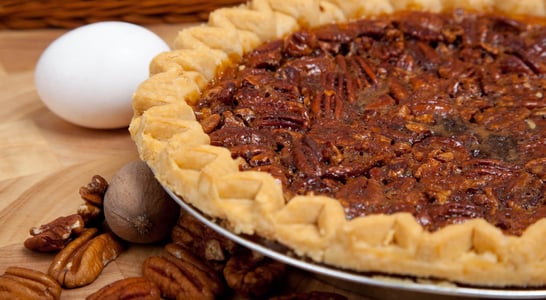
National Chocolate Pecan Pie Day
The only thing better than pecan pie is pecan pie with chocolate. Make your own, or find a bakery that sells chocolate pecan pie for this rare and tasty treat.
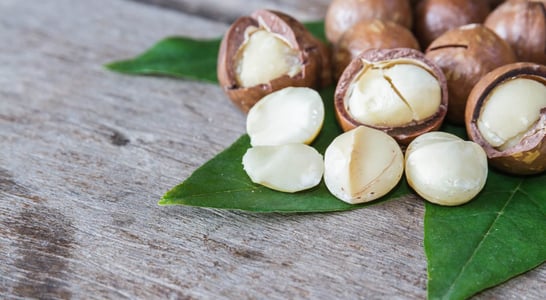
National Macadamia Nut Day
Enjoy a healthy, wholesome, but incredibly tasty snack of roasted macademia nuts, generally imported from Australia, on Macadamia Nut Day.